
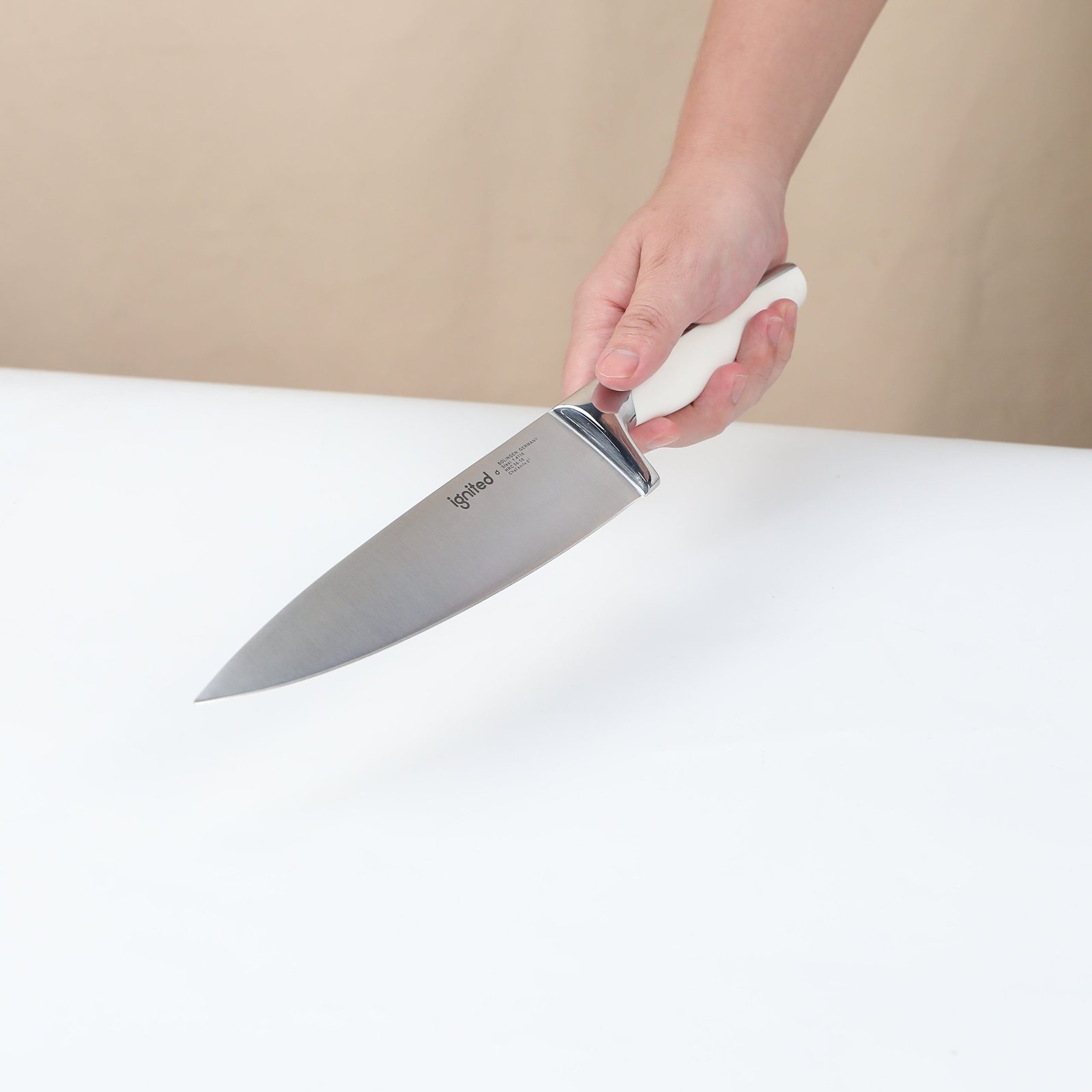
Your stainless steel knives are some of the most important tools in your kitchen. But if they’re not cleaned properly, they can lose their sharpness, develop stains, or even rust.
You might think cleaning knives is simple, but doing it the right way makes all the difference. You’ll discover easy and effective methods to keep your knives spotless and sharp for years to come. Ready to protect your investment and make your cooking safer and more enjoyable?
Let’s dive in.

Credit: insights.made-in-china.com
Benefits Of Maintaining Stainless Steel Knives
Keeping stainless steel knives clean is important. It helps the knives last longer and work better.
Regular care protects the knives from damage and keeps them safe to use.
Prevents Rust And Corrosion
Cleaning knives removes food and moisture that cause rust. Rust weakens the blade and makes it unsafe.
Wiping knives dry after washing stops water spots and corrosion from forming.
Maintains Sharpness
Proper cleaning helps keep the blade sharp. Dirt and stains can dull the knife edge over time.
Sharp knives cut easily and safely. They reduce the chance of slipping and accidents.
Improves Hygiene
Cleaning knives removes bacteria and food particles. This helps prevent food contamination.
Sanitized knives keep your kitchen cleaner and your food safer to eat.
Extends Knife Lifespan
Regular care prevents damage like chips and stains. This keeps knives in good condition longer.
Well-maintained knives save money because you replace them less often.
Enhances Appearance
Cleaning removes spots and fingerprints. This keeps knives looking shiny and new.
Nice-looking knives make cooking more enjoyable and look good in your kitchen.
Essential Tools For Cleaning
Cleaning stainless steel knives properly keeps them sharp and safe. Using the right tools helps you clean better without damage.
Here are the essential tools you need to clean your knives well and keep them in top condition.
Soft Sponge Or Cloth
A soft sponge or cloth gently removes dirt and food without scratching the blade. Avoid abrasive materials that can harm the knife’s surface.
Mild Dish Soap
Use mild dish soap to cut through grease and residue. Strong cleaners can damage the steel and dull the blade.
Warm Water
Warm water helps loosen food particles and soap. It cleans better than cold water but avoid very hot water that might harm the handle.
Knife Sharpener (optional)
A sharpener is useful after cleaning to keep the blade sharp. It is not for cleaning but helps maintain your knife’s edge.
Drying Towel
A clean, dry towel helps dry your knife quickly. This stops water spots and rust from forming on the steel.
Essential Cleaning Tools At A Glance
| Tool | Purpose | Tip |
|---|---|---|
| Soft Sponge or Cloth | Remove dirt without scratching | Choose non-abrasive material |
| Mild Dish Soap | Cut grease and food residue | Use gentle soap only |
| Warm Water | Loosen dirt and soap | Use warm, not hot water |
| Knife Sharpener | Maintain sharp edge | Use after cleaning |
| Drying Towel | Dry knife to prevent rust | Use clean, soft towel |
Preparing The Knives
Cleaning stainless steel knives starts with proper preparation. Taking time to prepare your knives helps keep them sharp and safe.
Before washing, follow these steps to protect the blade and handle. This makes cleaning easier and prevents damage.
Inspect The Knives
Look closely at each knife for stains, rust spots, or food stuck on the blade. This helps you know what cleaning method to use.
Remove Food Residue
Use a soft brush or cloth to wipe off any large food pieces. Avoid using hard scrapers that can scratch the steel.
- Rinse knives under warm water to loosen stuck food
- Gently scrub with a soft brush or sponge
- Do not use steel wool or abrasive pads
Prepare Your Cleaning Area
Set up a clean sink or basin with warm water and mild soap. Keep a towel nearby to dry the knives after cleaning.
Basic Cleaning Steps
Stainless steel knives need regular cleaning to stay sharp and shiny. Proper care stops rust and damage.
Follow these simple steps to clean your knives safely and well.
Rinse The Knife Immediately
Rinse the knife under warm water right after use. This removes food bits and stops stains.
Avoid letting food dry on the blade, as it can be harder to clean later.
Use Mild Soap And A Soft Cloth
Apply mild dish soap to a soft cloth or sponge. Gently wipe the blade and handle.
Do not use abrasive pads because they can scratch the stainless steel surface.
Clean Both Sides Of The Blade
Wipe the blade on both sides carefully. This ensures all food and grease are removed.
Pay attention to the sharp edge but handle the knife safely to avoid cuts.
Dry The Knife Thoroughly
Use a clean, dry towel to wipe the knife immediately after washing. This prevents water spots.
Make sure no moisture remains, especially near the handle and blade joint.
Store Knives Safely
Keep knives in a block or magnetic strip to protect the blade and avoid accidents.
Do not leave knives loose in drawers, as this can dull the blade and cause damage.
Removing Stubborn Stains
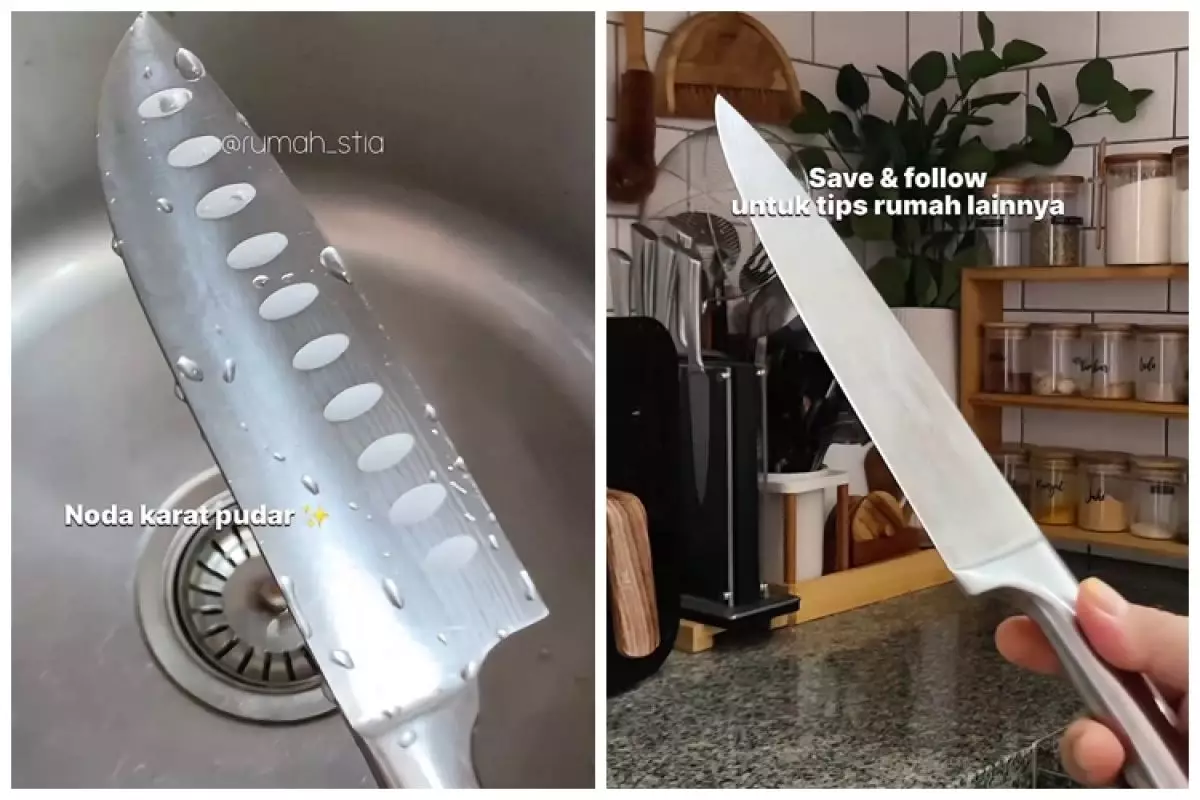
Stainless steel knives can develop stains that are hard to remove. These stains might come from food acids or rust spots. Proper cleaning helps keep your knives sharp and looking new.
Two simple household items, baking soda and vinegar, can help remove these stains safely. They work well without damaging the steel.
Using Baking Soda Paste
Baking soda is gentle yet effective for cleaning knives. It forms a paste that lifts stains without scratching the blade.
- Mix baking soda with a small amount of water to make a thick paste.
- Spread the paste on the stained areas of the knife.
- Let it sit for 10 to 15 minutes.
- Use a soft cloth or sponge to scrub the stains gently.
- Rinse the knife with warm water and dry it thoroughly.
Vinegar For Tough Spots
White vinegar is acidic and breaks down tough stains and rust on stainless steel blades. It is a good option for spots that baking soda cannot remove.
| Vinegar Cleaning Tips | Details |
| Soaking Time | 5 to 10 minutes |
| Application | Use a cloth soaked in vinegar or submerge the blade carefully |
| Scrubbing | Light scrubbing with a soft brush or cloth |
| Rinse | Rinse well with warm water after cleaning |
| Dry | Dry immediately to prevent new stains |
Credit: en.brilio.net
Polishing For Extra Shine
Cleaning stainless steel knives is important to keep them looking new. Polishing adds an extra shine and removes small scratches.
Polishing also helps protect the knife from rust and wear. Use the right polish and technique for best results.
Choosing The Right Polish
Pick a polish made for stainless steel. Avoid abrasive polishes that can scratch the blade.
Some polishes contain oils to protect the metal. Others focus on removing stains and marks.
- Use non-abrasive metal polish for a smooth finish
- Choose a polish with rust protection for long-lasting shine
- Check if the polish is safe for kitchen tools
Application Techniques
Apply polish with a soft cloth to avoid scratches. Rub the polish gently in small circles on the blade.
After polishing, wipe off any residue with a clean cloth. Let the knife dry before use or storage.
- Use a soft microfiber or cotton cloth
- Apply a small amount of polish at a time
- Rub gently and evenly over the entire blade
- Remove excess polish with a dry cloth
- Allow the knife to air dry fully
Drying And Storage Tips
Proper drying and storage keep your stainless steel knives sharp and safe. Water left on knives can cause spots or rust.
Storing knives correctly protects their edges and prevents accidents in the kitchen.
Dry Knives Immediately After Washing
Use a soft towel to dry knives right after washing. This stops water marks and rust from forming.
Do not air dry knives. Water spots can damage the blade’s surface over time.
Store Knives In A Knife Block Or Magnetic Strip
Keep knives in a wooden block or on a magnetic strip. This keeps blades safe and easy to find.
Avoid storing knives loose in drawers. They can get dull or cause injuries.
Use Blade Guards For Extra Protection
Blade guards protect knife edges when not in use or during travel. They keep blades sharp and safe.
Plastic or silicone guards fit most knives and prevent damage from bumping into other items.
Keep Knives In A Dry Place
Store knives in a dry, cool area away from moisture. Humidity can cause rust spots.
If your kitchen is humid, use silica gel packs near your storage area to absorb moisture.
Common Mistakes To Avoid
Cleaning stainless steel knives needs care. Some mistakes can damage the blade or handle.
Avoiding these errors helps keep your knives sharp and shiny for years.
Using Harsh Chemicals
Strong chemicals can ruin the steel finish. Avoid bleach or abrasive cleaners on knives.
Use mild dish soap and warm water instead. They clean well without damage.
Leaving Knives Wet
Water left on the blade causes rust and spots. Dry knives immediately after washing.
Use a soft towel to wipe knives dry. Avoid air drying for long times.
Putting Knives In The Dishwasher
Dishwashers can harm knives. High heat and strong detergent dull blades and loosen handles.
Always wash knives by hand. It preserves their sharpness and structure.
Using Abrasive Scrubbers
Scrubbers like steel wool scratch the blade surface. This damages the finish and sharpness.
Use soft sponges or cloths to clean knives gently.
Storing Knives Improperly
Throwing knives in drawers causes nicks and dull edges. It also risks cuts when reaching inside.
Store knives in a block, magnetic strip, or sheath to protect blades and hands.
Ignoring Regular Maintenance
Not sharpening or oiling knives reduces their lifespan. Dull knives are less safe and less effective.
Sharpen knives regularly and apply mineral oil to prevent rust and keep blades smooth.
Maintaining Knife Sharpness
Keeping stainless steel knives sharp is important for safety and ease of use. A sharp knife cuts cleanly and requires less force.
Proper cleaning and care help maintain the sharp edge and extend the knife’s life.
Clean Knives Properly After Use
Wash knives by hand with warm water and mild soap. Avoid harsh scrubbing that can dull the blade.
Dry knives immediately with a soft cloth to prevent rust and damage to the edge.
Store Knives Safely
Store knives in a block or on a magnetic strip. Avoid tossing them loosely in drawers.
- Protects the blade from nicks and dulling
- Prevents accidents and injuries
- Keeps knives organized and easy to find
Sharpen Regularly
Use a sharpening stone or honing rod to keep the edge aligned. Regular sharpening keeps knives effective.
| Tool | Use | Frequency |
| Honing Rod | Realigns edge | Every 2-3 uses |
| Sharpening Stone | Sharpens edge | Every few months |
| Electric Sharpener | Quick sharpening | As needed |
Avoid Cutting Hard Surfaces
Cut on wood or plastic boards. Avoid glass, stone, or metal surfaces that dull the blade quickly.
Using the right surface keeps the knife edge sharp longer and reduces the need for frequent sharpening.

Credit: insights.made-in-china.com
Frequently Asked Questions
How Do I Safely Clean Stainless Steel Knives?
Use warm water, mild dish soap, and a soft sponge. Avoid abrasive cleaners or steel wool. Dry knives immediately to prevent rust and water spots.
Can I Wash Stainless Steel Knives In A Dishwasher?
It’s best to hand wash knives to maintain sharpness. Dishwashers can dull blades and cause corrosion over time.
How Often Should I Clean My Stainless Steel Knives?
Clean knives after every use to remove food residue and bacteria. Regular cleaning ensures hygiene and blade longevity.
What Is The Best Drying Method For Stainless Steel Knives?
Use a soft, dry cloth to thoroughly dry knives. Avoid air drying, which can cause water spots and rust.
Conclusion
Cleaning stainless steel knives keeps them sharp and rust-free. Use warm water and mild soap for best results. Avoid harsh scrubbing or strong chemicals that can damage the blade. Dry knives immediately after washing to stop water spots. Regular care makes knives last longer and stay safe to use.
Remember, simple steps protect your kitchen tools every day. Keep your knives clean, and they will perform well for years. Easy habits make a big difference in knife maintenance.