
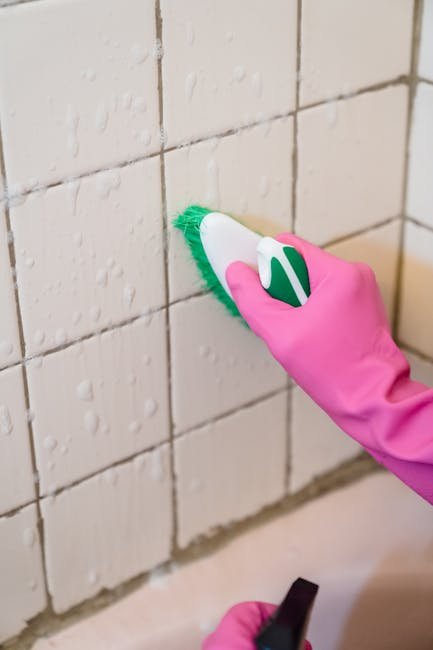
Your cutting board is one of the most used tools in your kitchen, but are you really keeping it clean? A quick rinse won’t cut it when it comes to removing hidden bacteria and stubborn stains.
If you want to protect your family’s health and keep your board looking fresh, learning how to deep clean cutting boards is a must. You’ll discover simple, effective steps to make your cutting board spotless and safe. Keep reading—you’ll be amazed at how easy it is to give your kitchen a cleaner, healthier edge.

Credit: www.yahoo.com
Types Of Cutting Boards
Cutting boards come in different materials. Each type needs special care for deep cleaning.
Knowing the type of board helps keep it safe and clean for cooking.
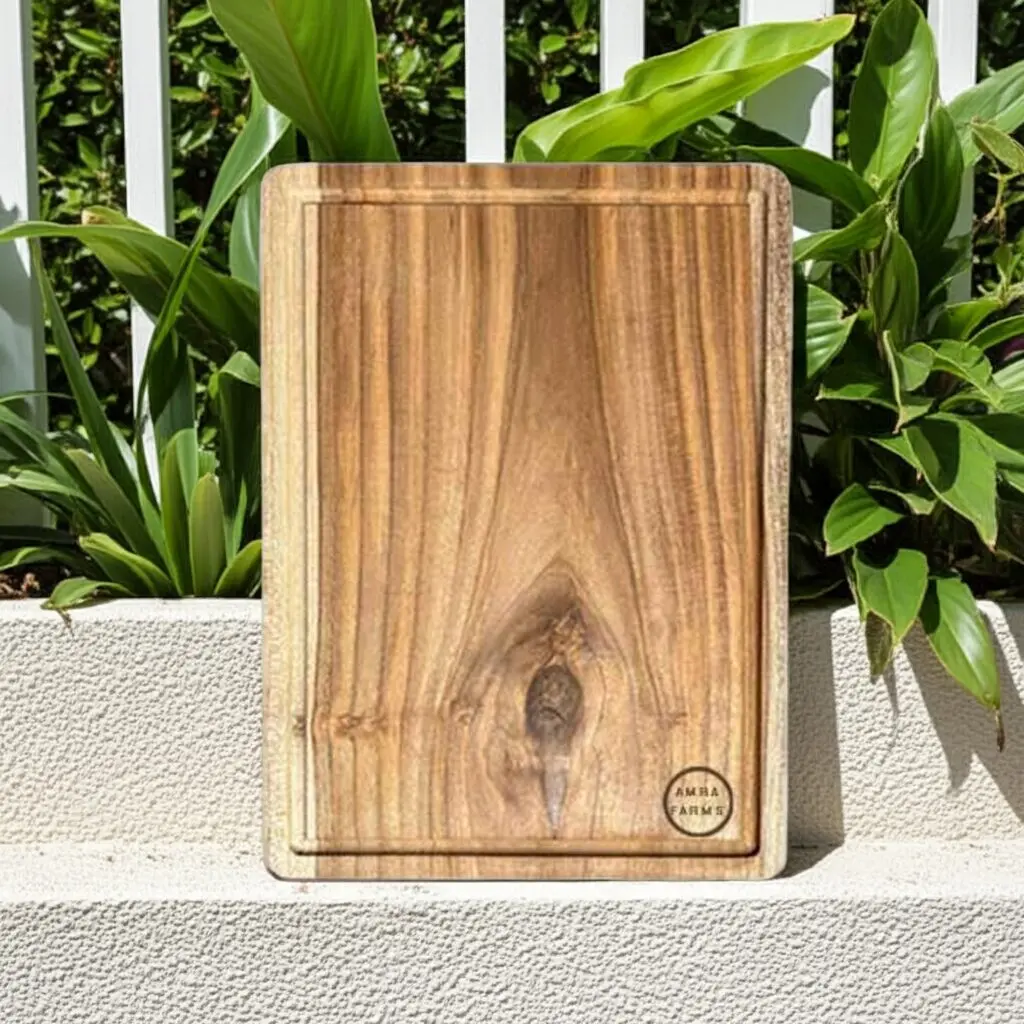
Wooden Boards
Wooden boards are popular because they are gentle on knives. They absorb moisture, so cleaning is important.
Use warm soapy water and a scrub brush to clean. Avoid soaking to stop warping. Dry thoroughly after washing.
- Use coarse salt and lemon to remove stains and smells
- Oil the board regularly to keep wood healthy
- Do not put wooden boards in the dishwasher
Plastic Boards
Plastic boards are easy to clean and dishwasher safe. They do not absorb liquids like wood.
Use hot soapy water or the dishwasher for deep cleaning. Check for deep cuts where bacteria can hide.
- Replace plastic boards with many deep cuts
- Sanitize with diluted bleach if needed
- Dry well before storing
Glass Boards
Glass boards are very easy to clean and dishwasher safe. They do not absorb liquids or smells.
They can be scrubbed with soapy water and rinsed well. Glass boards can be slippery and may dull knives faster.
- Use gentle scrubbers to avoid scratches
- Dry with a clean cloth after washing
- Handle carefully to avoid breaking
Bamboo Boards
Bamboo boards are eco-friendly and harder than wood. They resist water but still need good cleaning.
Clean with warm water and mild soap. Avoid soaking and dry quickly to prevent cracking.
- Use mineral oil to keep bamboo smooth
- Do not use harsh chemicals or dishwasher
- Remove stains with baking soda paste
Credit: choppingboards.in
Necessary Cleaning Supplies
Deep cleaning your cutting boards keeps them safe and hygienic. Using the right supplies helps remove stains and bacteria. This guide covers natural cleaners, commercial cleaners, and useful tools.
Each section explains what you need and how to use it for a thorough clean. Pick the supplies that work best for your cutting board type.
Natural Cleaners
Natural cleaners are gentle and safe for cutting boards. They remove odors and stains without harsh chemicals.
- Lemon juice – cuts grease and freshens smells
- Baking soda – scrubs away stains and grime
- White vinegar – disinfects and removes bacteria
- Coarse salt – helps scrub off stuck-on food
Commercial Cleaners
Commercial cleaners offer powerful cleaning for tough stains. Always check they are safe for wood or plastic boards.
| Cleaner Type | Use | Notes |
| Dish Soap | Daily cleaning | Mild, safe for all boards |
| Bleach Solution | Disinfection | Use diluted, rinse well |
| Hydrogen Peroxide | Whitening and sanitizing | Good for plastic boards |
Tools And Accessories
Having the right tools makes cleaning easier and more effective. Use these to scrub and dry your cutting boards properly.
- Soft scrub brush – removes stuck food without damage
- Non-abrasive sponge – cleans without scratching
- Microfiber cloth – dries boards quickly
- Plastic scraper – lifts off tough residue
- Cutting board oil – maintains wood after cleaning
Basic Cleaning Techniques
Keeping cutting boards clean is important for food safety. Dirt and bacteria can hide in cuts and grooves. Regular cleaning helps stop germs from spreading.
This guide shows simple ways to clean your cutting boards every day. Follow these easy steps to keep your boards fresh and safe.
Daily Cleaning Routine
Clean your cutting board right after use to avoid stains and smells. Use warm water and soap for best results.
- Rinse the board under warm running water to remove food particles.
- Apply a small amount of dish soap on a sponge or cloth.
- Scrub the entire surface, including edges, in circular motions.
- Rinse thoroughly with warm water to remove all soap.
- Dry the board with a clean towel or air dry it upright.
Quick Rinsing Tips
Sometimes you need to rinse your board quickly between uses. This helps reduce cross-contamination.
| Rinsing Tip | Details |
|---|---|
| Use Hot Water | Run hot water over the board for at least 30 seconds. |
| Vinegar Spray | Spray white vinegar to kill bacteria naturally. |
| Salt Scrub | Rub coarse salt on the surface to remove stains and odors. |
| Dry Quickly | Dry the board immediately to prevent moisture buildup. |
Deep Cleaning Methods
Cutting boards need regular deep cleaning to stay safe and fresh. Dirt, stains, and odors can build up over time.
Using the right methods helps remove stains, eliminate smells, and kill germs on your boards.
Removing Stains
Stains on cutting boards come from food like beets or berries. You can remove stains using natural ingredients.
- Sprinkle coarse salt over the stained area.
- Rub the salt with half a lemon, squeezing juice as you scrub.
- Let it sit for five minutes to break down the stain.
- Rinse with warm water and dry with a clean cloth.
Eliminating Odors
Cutting boards can absorb strong smells from garlic, onions, or fish. Freshen your board with simple ingredients.
- Sprinkle baking soda evenly over the board.
- Spray or sprinkle white vinegar on top of the baking soda.
- Let the mixture fizz and work for ten minutes.
- Rinse thoroughly with warm water and dry.
Disinfecting Surfaces
Disinfecting kills germs and keeps your cutting board safe for food. Use natural or store-bought disinfectants.
| Disinfectant | How to Use |
| White Vinegar | Spray full strength, let sit 5 minutes, rinse well. |
| Hydrogen Peroxide | Apply 3% solution, wait 10 minutes, rinse with water. |
| Bleach Solution | Mix 1 tablespoon bleach in 1 gallon water, soak 2 minutes, rinse thoroughly. |
Maintaining Wooden Boards
Wooden cutting boards need extra care to last longer. Deep cleaning and proper maintenance keep them safe and strong.
Cleaning removes food residue and bacteria. Maintaining the wood prevents damage and keeps the board smooth.
Oiling And Conditioning
Oiling wooden boards stops the wood from drying out. It also protects the board from stains and water damage.
Use food-safe mineral oil or special cutting board oil. Apply oil regularly to keep the board in good shape.
- Clean and dry the board before oiling
- Pour a small amount of oil on the surface
- Rub oil evenly with a clean cloth
- Let the oil soak for a few hours or overnight
- Wipe off extra oil with a dry cloth
- Repeat oiling every month or after deep cleaning
Preventing Cracks And Splits
Wood can crack or split if it gets too dry or wet. Avoid soaking the board in water or using harsh cleaners.
Keep the board dry and store it in a cool place. Regular oiling also helps stop cracks from forming.
- Do not put wooden boards in the dishwasher
- Dry boards immediately after washing
- Store boards standing up or in a dry area
- Use a gentle scrub brush for cleaning
- Apply oil to keep wood flexible and strong
Plastic Board Care
Plastic cutting boards are popular for their durability and ease of cleaning. Proper care helps keep them safe and in good shape for a long time.
Deep cleaning your plastic boards removes bacteria and food stains. Follow simple steps to avoid damage during cleaning.
Avoiding Warping
Plastic boards can warp if exposed to heat or harsh cleaning methods. Warping affects their flatness and usability.
- Do not soak plastic boards in hot water for long periods.
- Avoid placing heavy objects on boards when wet.
- Store boards flat or upright without bending.
- Use mild dish soap and warm water for cleaning.
- Dry boards immediately after washing to keep shape.
Microwave And Dishwasher Tips
Not all plastic cutting boards can go in the microwave or dishwasher. Check the manufacturer’s instructions before use.
| Cleaning Method | Safe for Plastic Boards? | Notes |
| Microwave | No | Heat can cause warping and damage. |
| Dishwasher | Sometimes | Top rack only; high heat may warp some boards. |
| Hand Wash | Yes | Gentle soap and warm water recommended. |
| Sanitizing Spray | Yes | Use food-safe disinfectants after washing. |
Glass And Bamboo Board Tips
Cutting boards need regular deep cleaning to stay safe and last longer. Glass and bamboo boards need special care.
Cleaning these boards properly helps keep them free from germs and damage. Here are tips for both types.
Scratch Prevention
Glass boards are hard and resist scratches well. Still, avoid cutting with very sharp knives directly on them.
Bamboo boards are softer and scratch easily. Use sharp knives carefully to avoid deep cuts that trap bacteria.
- Use a separate board for heavy chopping on bamboo.
- Clean glass boards after each use to spot small scratches early.
- Replace bamboo boards if deep scratches appear.
Proper Storage
Store glass boards flat or upright in a safe place. Avoid stacking heavy items on top to prevent cracks.
Bamboo boards need dry, well-ventilated storage. Keep them away from moisture to stop warping and mold.
- Do not leave bamboo boards wet or in a damp sink.
- Use a rack or vertical holder for bamboo boards to air dry well.
- Keep glass boards away from hard impacts during storage.
Signs Of Wear And Replacement
Cutting boards get worn out after long use. It is important to know when to clean deeply and when to replace them. Old or damaged boards can harbor germs and cause health issues.
This guide helps you spot signs of wear and learn how to extend your cutting board’s life.
When To Replace
Look for deep cuts, cracks, or warping on your cutting board. These can trap bacteria even after cleaning.
- Deep grooves that cannot be cleaned properly
- Large cracks or splits in the board
- Warping or bending that causes instability
- Foul or persistent odors that do not go away
- Discoloration from stains or mold growth
If you see these signs, it is safer to replace the cutting board to avoid health risks.
Extending Lifespan
You can keep your cutting board in good shape longer by following some care tips.
| Care Tip | How It Helps |
| Clean immediately after use | Prevents bacteria build-up |
| Use separate boards for meat and vegetables | Avoids cross-contamination |
| Oil wooden boards regularly | Keeps wood from drying and cracking |
| Sand down rough spots | Removes small cuts and smooths surface |
| Store boards flat in dry areas | Prevents warping and mold growth |
Eco-friendly Cleaning Solutions
Cleaning cutting boards well keeps them safe and long-lasting. Using eco-friendly methods helps protect the environment. These solutions avoid harsh chemicals and use natural ingredients.
Below are two ways to deep clean cutting boards with green products and easy DIY solutions.
Green Cleaning Products
Eco-friendly cleaning products often use plant-based ingredients. They are safe for your health and the planet. Look for labels like biodegradable or non-toxic on bottles.
- Castile soap: A gentle soap made from vegetable oils.
- White vinegar: A natural disinfectant and deodorizer.
- Baking soda: Helps remove stains and odors.
- Hydrogen peroxide: A safe sanitizer alternative.
Diy Solutions
You can make effective cleaners at home with simple ingredients. These solutions save money and reduce waste from packaging.
| Ingredient | Use | How to Apply |
| Baking Soda | Scrubbing | Sprinkle on board, scrub with damp cloth |
| White Vinegar | Disinfecting | Spray, let sit 5 minutes, rinse well |
| Lemon Juice | Deodorizing | Rub cut lemon on board, rinse |
| Salt | Exfoliating | Sprinkle coarse salt, scrub with lemon half |
Credit: choppingboards.in
Frequently Asked Questions
How Often Should I Deep Clean My Cutting Board?
Deep clean your cutting board once a week to prevent bacteria buildup. Regular cleaning keeps it safe and odor-free. For heavy use, deep clean more often to maintain hygiene and board quality.
What Household Items Work For Deep Cleaning Boards?
Use white vinegar, baking soda, and lemon for effective deep cleaning. These natural ingredients kill germs and remove stains without harsh chemicals. They are safe and eco-friendly options for all cutting board types.
Can I Use Bleach To Deep Clean Cutting Boards?
Yes, but use bleach sparingly and dilute it properly. A mild bleach solution kills bacteria but can damage wood if overused. Rinse thoroughly after cleaning to avoid chemical residues on your board.
How Do I Remove Stains And Odors From Cutting Boards?
Apply a paste of baking soda and water on stains. Let it sit, then scrub gently with a sponge. For odors, rub lemon juice over the surface and rinse well to refresh your board.
Conclusion
Deep cleaning cutting boards keeps your kitchen safe and healthy. Regular care stops germs from growing. Use simple methods like scrubbing with salt or lemon. Dry boards well to avoid cracks and bacteria. Clean boards also last longer and look better.
Small steps make a big difference in food safety. Keep your cutting boards fresh and ready for every meal. Clean boards help you cook with confidence and ease.