
Are you tired of piling up plastic plates that never seem to disappear? Switching to compostable plates can be a simple change that makes a big difference for your home and the planet.
Imagine enjoying your meals without worrying about harmful waste piling up in landfills. You’ll discover easy steps to make the switch smoothly and confidently. Ready to take control of your impact and feel good about every meal? Keep reading to find out how you can start using compostable plates today.
Benefits Of Compostable Plates
Compostable plates offer many advantages over traditional plastic or paper plates. They break down naturally and help reduce waste.
Switching to compostable plates supports a cleaner environment and promotes healthier living. Let’s explore the main benefits.
Environmental Impact
Compostable plates come from plants or other natural materials. They decompose quickly without leaving harmful waste.
These plates reduce plastic pollution and lower the amount of trash in landfills. They help protect animals and nature.
- Break down in weeks, not centuries
- Reduce plastic waste in oceans and land
- Support soil health when composted
Health Advantages
Compostable plates do not contain harmful chemicals like some plastics do. This makes them safer for your family.
They do not release toxins when heated or used with hot food. This helps avoid health risks linked to plastic plates.
- Free from BPA and other chemicals
- Safe for hot and cold foods
- Reduce risk of chemical exposure
Cost Considerations
Compostable plates can cost a little more than regular plates. But they offer good value for the environment and health.
Buying in bulk and using them wisely can lower costs. Composting them also saves money on trash fees.
- Prices vary by material and brand
- Bulk buying reduces cost per plate
- Less waste means lower disposal fees

Credit: www.yahoo.com
Choosing The Right Compostable Plates
Switching to compostable plates helps reduce waste. It is important to pick plates that fit your needs and the environment.
Look closely at the materials, certifications, and design. These factors ensure the plates work well and break down safely.
Materials Used
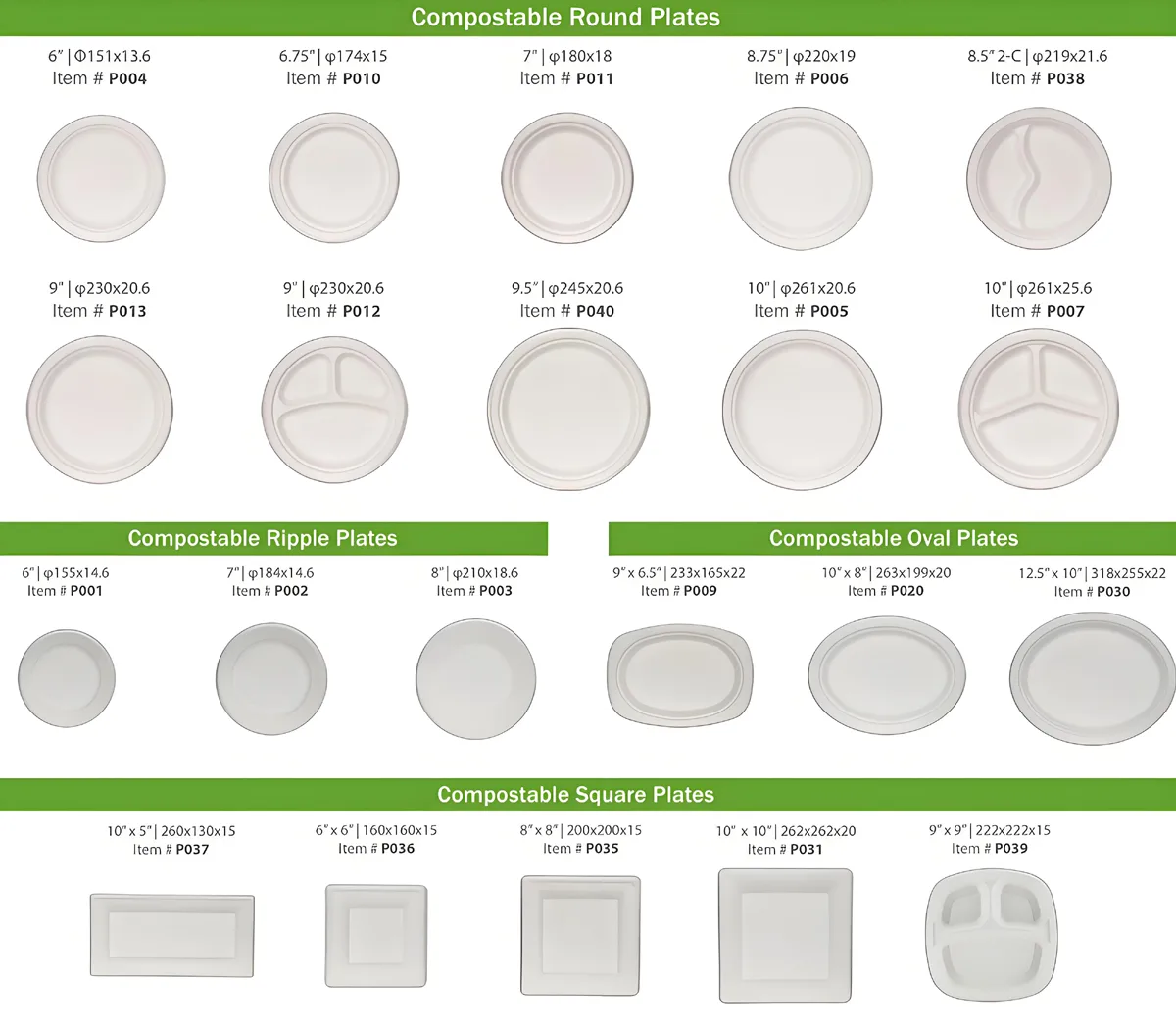
Compostable plates come from many materials. Common ones include sugarcane bagasse, bamboo, and palm leaves. Each has unique features.
- Sugarcane Bagasse:Made from leftover sugarcane fibers after juice extraction.
- Bamboo:Fast-growing and sturdy natural grass.
- Palm Leaves:Fallen leaves pressed into plates without chemicals.
- Cornstarch:Derived from corn, but may need industrial composting.
Certifications To Look For
Certifications prove the plates meet composting and safety rules. They also show the product is truly eco-friendly.
| Certification | What It Means |
| ASTM D6400 | Plate breaks down in commercial composting within 180 days |
| EN 13432 | Meets European standards for compostability and biodegradability |
| USDA Biobased Label | Made mostly from renewable plant materials |
| OK Compost | Approved for industrial or home composting |
Durability And Design
Choose plates that hold up to your food type. Some plates handle hot or wet foods better than others. Design affects ease of use and disposal.
- Pick thicker plates for heavy or saucy meals
- Look for water-resistant coatings that are compostable
- Check if plates are microwave-safe if needed
- Choose simple designs that stack well and fit your style
Where To Buy Compostable Plates
Switching to compostable plates helps reduce waste and protect the environment. Finding the right place to buy them is easy with many options available.
You can buy compostable plates from local stores, online marketplaces, or by purchasing in bulk. Each option has its benefits depending on your needs.
Local Stores
Local stores often carry compostable plates. Look for supermarkets, health food shops, or eco-friendly stores near you.
Buying locally lets you see the product before you buy. It also supports local businesses and reduces shipping emissions.
- Check large grocery stores in the household goods section
- Visit natural or organic product stores
- Ask store staff about eco-friendly kitchen items
Online Marketplaces
Online marketplaces offer a wide range of compostable plates. You can compare brands, prices, and reviews easily.
Look for sites that specialize in eco-friendly products or major online retailers with green product sections.
- Search for compostable plates on popular shopping sites
- Read customer reviews before buying
- Choose sellers with clear product details and certifications
Bulk Purchasing Tips
Buying compostable plates in bulk saves money and reduces packaging waste. This option is great for events or businesses.
When buying in bulk, check product quality and delivery options. Make sure the plates meet your needs and compostable standards.
- Look for wholesale suppliers or eco-friendly bulk stores
- Compare prices and shipping costs before buying
- Ask about samples to test plate quality
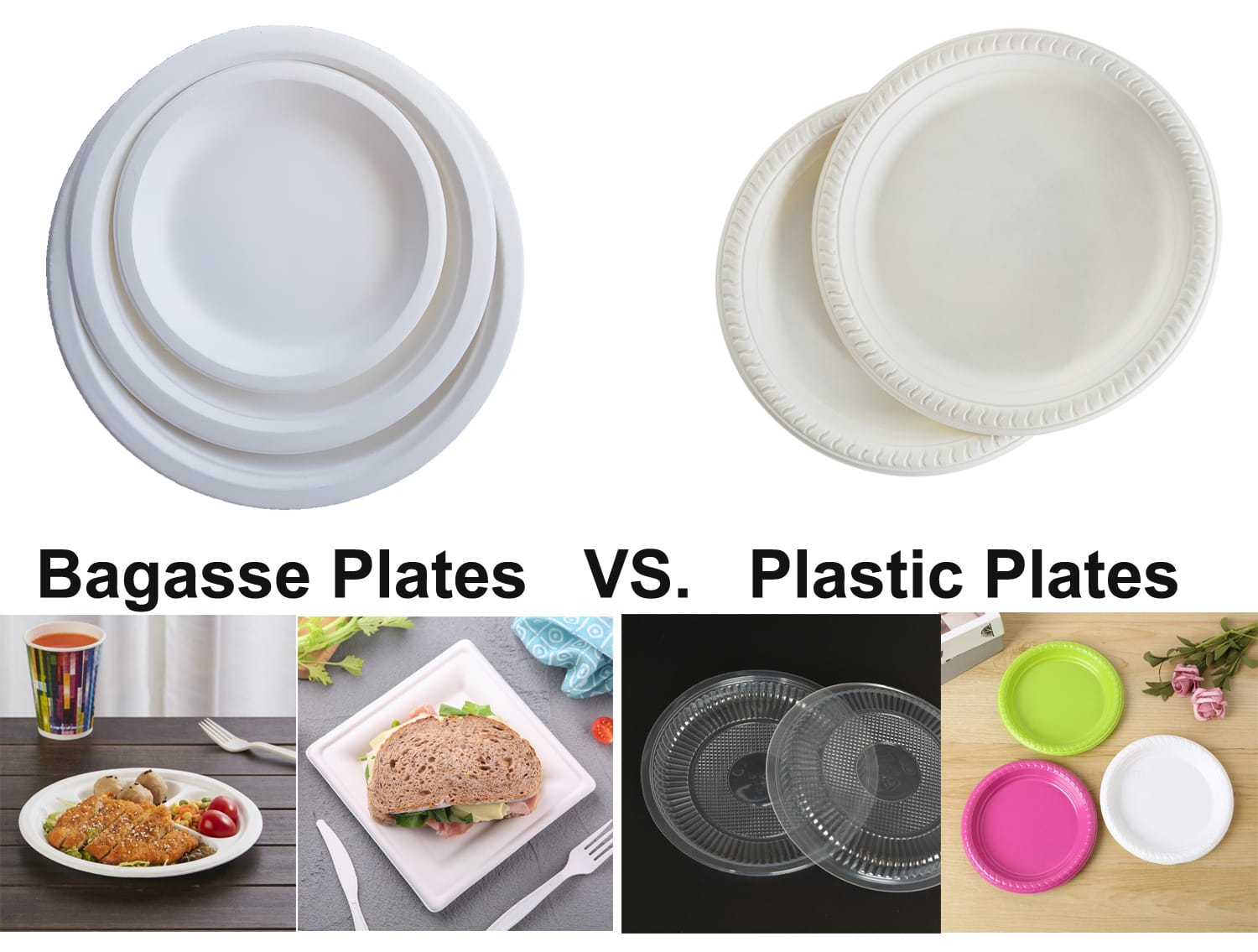
Credit: www.bioleaderpack.com
Transitioning Your Kitchen
Switching to compostable plates helps reduce waste and protect the environment.
This change starts with simple steps in your kitchen and home habits.
Replacing Disposable Plates
Choose compostable plates made from materials like bamboo or sugarcane.
- Check if plates are certified compostable
- Buy in small amounts to test quality
- Use plates only when needed to avoid waste
- Store plates in a dry place
Educating Household Members
Talk with family or roommates about why compostable plates matter.
- Explain how composting helps the planet
- Show how to separate compostable items from trash
- Encourage everyone to use compostable plates
- Answer questions and share tips regularly
Setting Up Composting Systems
Prepare a place to compost used plates and other organic waste.
| Compost System | Ideal Use |
| Backyard compost bin | Best for garden waste and plates |
| Indoor compost pail | Good for kitchen scraps and small plates |
| Community compost drop-off | Use if you lack space at home |
Maintaining Compostable Plates
Switching to compostable plates helps reduce waste. Proper care keeps them effective and eco-friendly.
Learn how to handle compostable plates to keep them clean and ready for use.
Proper Disposal Methods
Dispose of compostable plates in compost bins only. They break down in commercial compost facilities.
Do not throw them in regular trash or recycling bins. This stops proper composting.
- Check local composting rules before disposal
- Use clearly marked compost bins
- Keep plates free from plastic or metal
Cleaning And Storage
Clean plates gently to avoid damage. Use a soft cloth or sponge with mild soap.
Store plates in a dry, cool place. Keep them away from moisture to prevent mold.
- Do not soak plates in water for long
- Dry plates completely before storing
- Stack plates carefully to avoid bending
Avoiding Contamination
Keep compostable plates separate from plastic or metal items. Mixing materials harms composting.
Remove any non-compostable stickers or labels before use. Contaminants reduce quality.
- Use only compostable cutlery with plates
- Do not mix plates with food waste containing plastics
- Check plates for any non-compostable parts before disposal

Credit: healthyhouseontheblock.com
Common Challenges And Solutions
Switching to compostable plates helps reduce waste and protect the environment.
Many people face challenges when making this change. Knowing common problems and solutions makes the switch easier.
Cost Management
Compostable plates can cost more than regular plastic or paper plates. This higher price may discourage some buyers.
- Buy in bulk to reduce cost per plate.
- Compare prices from different suppliers.
- Use compostable plates only for special occasions.
- Look for sales or discounts.
Availability Issues
Not all stores stock compostable plates, making it hard to find them locally.
| Place | Availability |
| Supermarkets | Limited, depends on location |
| Online Stores | Wide selection and easy access |
| Specialty Eco Shops | Good variety but higher prices |
| Wholesale Clubs | Available for bulk buyers |
Adapting To Lifestyle Changes
Switching to compostable plates may change habits in daily life. It requires learning new ways to care for and dispose of them.
- Use plates that fit your meal size to avoid waste.
- Compost plates properly to ensure they break down.
- Educate family and friends about composting benefits.
- Plan meals to reduce leftover food on plates.
Frequently Asked Questions
What Are Compostable Plates Made Of?
Compostable plates are typically made from natural materials like sugarcane, cornstarch, or bamboo. These materials decompose naturally, reducing landfill waste. They are eco-friendly and break down into organic matter when composted. This makes them a sustainable alternative to traditional plastic or foam plates.
How Do Compostable Plates Benefit The Environment?
Compostable plates reduce landfill waste and lower carbon footprints. They decompose naturally, enriching the soil with nutrients. This helps in reducing pollution and conserving natural resources. By using compostable plates, you support a more sustainable and eco-friendly lifestyle.
Are Compostable Plates Safe For Hot Food?
Yes, compostable plates are safe for hot food. They are designed to withstand heat without melting. However, it’s important to check the product specifications to ensure they meet your needs. This makes them ideal for serving both hot and cold dishes.
How Long Do Compostable Plates Take To Decompose?
Compostable plates typically decompose within 90 to 180 days in a commercial composting facility. In a home compost, decomposition may take longer due to varying conditions. Their quick breakdown helps in reducing long-term waste, contributing to a healthier planet.
Conclusion
Switching to compostable plates helps reduce plastic waste. These plates break down naturally and support a cleaner planet. Making the change is simple and affordable. Start by checking local stores or online options. Remember to compost plates properly for best results.
Small steps like this make a big difference. Choose compostable plates to protect the environment today.