
Choosing the right dishware for your home is more important than you might think. If you care about the environment and want to make smarter choices, selecting eco-friendly dishware is a great place to start.
But with so many options out there, how do you know what’s truly green and what’s just a trend? You’ll discover simple tips to help you pick dishware that’s safe for your family and kind to the planet. Keep reading to find out how small changes in your kitchen can make a big impact.
Benefits Of Eco-friendly Dishware
Choosing eco-friendly dishware helps protect the planet. It reduces waste and saves resources.
Eco-friendly dishware also supports a healthier lifestyle and can save money over time.
Environmental Impact
Eco-friendly dishware lowers pollution and cuts down landfill waste. Many items break down naturally.
- Made from renewable materials like bamboo or wheat straw
- Biodegradable or compostable after use
- Less energy used in production compared to plastic
- Reduces single-use plastic waste
Health Advantages
These dishware options avoid toxic chemicals found in some plastics. They do not leach harmful substances into food.
| Material | Health Benefit |
| Bamboo | Natural and chemical-free |
| Glass | Non-toxic and easy to clean |
| Ceramic | Contains no harmful plastics |
| Stainless Steel | Durable and safe for food |
Cost Savings Over Time
Eco-friendly dishware lasts longer than disposable types. This lowers the need for frequent replacements.
- Reusable items reduce buying costs
- Strong materials mean fewer breaks and replacements
- Less waste means less spending on trash removal
- Some products can be recycled or composted after use
Materials To Choose
Choosing eco-friendly dishware helps reduce waste and pollution. It also supports sustainable living and protects the environment.
Some materials are better for the planet than others. Learn about bamboo, wood, recycled glass, ceramics, and biodegradable plastics.
Bamboo And Wood
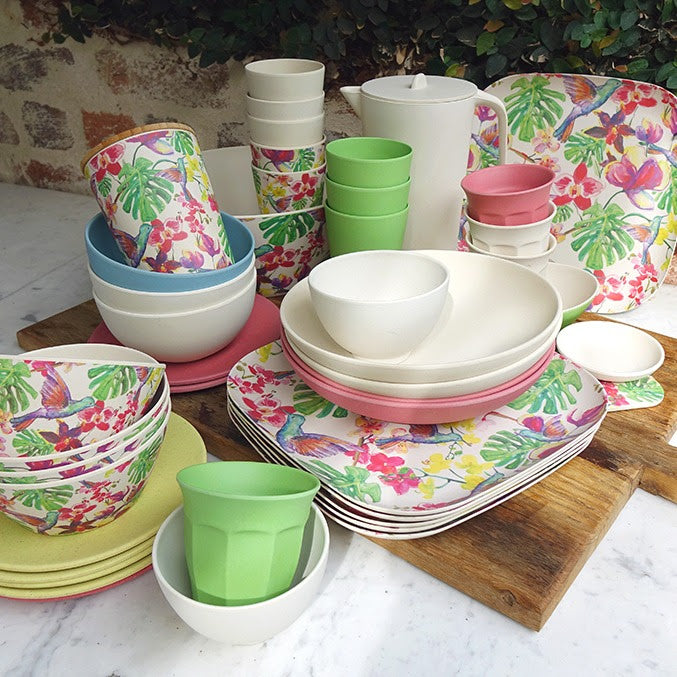
Bamboo and wood are natural and renewable materials. They grow fast and can be harvested without harming forests.
- Bamboo is strong and lightweight.
- Wood can be durable if treated properly.
- Both materials biodegrade easily after use.
- They add a warm, natural look to your table.
Recycled Glass And Ceramics
Recycled glass and ceramics reuse old materials. This reduces the need for new raw materials and saves energy.
| Material | Benefits | Considerations |
| Recycled Glass | Non-toxic, reusable, easy to clean | Can break if dropped |
| Ceramics | Long-lasting, heat resistant | Heavier and fragile |
Biodegradable Plastics
Biodegradable plastics come from plants like corn. They break down faster than regular plastic.
Key points about biodegradable plastics:
- Made from renewable resources
- Compostable in industrial facilities
- Less harmful than traditional plastics
- Check labels to ensure they are truly biodegradable
What To Avoid
Choosing eco-friendly dishware means avoiding items that harm the environment. Some materials and coatings cause pollution and waste.
Knowing what to avoid helps you pick safer, greener options for your kitchen and table.
Single-use Plastics
Single-use plastics include plates, cups, and cutlery used once and thrown away. These items take hundreds of years to break down.
They often end up in oceans, harming wildlife and polluting the water.
- Plastic utensils and straws
- Disposable plastic plates and bowls
- Plastic-coated paper cups
- Plastic wrap on disposable containers
Non-recyclable Materials
Some dishware looks eco-friendly but cannot be recycled. These materials fill landfills and add to pollution.
| Material | Why to Avoid |
| Styrofoam | Not biodegradable or recyclable |
| Mixed plastics | Difficult to separate and recycle |
| Composite materials | Contain layers that block recycling |
| Plastic-lined paper | Plastic layer prevents recycling |
Harmful Chemical Coatings
Some dishware has coatings that contain harmful chemicals. These chemicals can leach into food and harm health.
Common harmful coatings to avoid include:
- Perfluorinated compounds (PFCs)
- Polyvinyl chloride (PVC) coatings
- Non-stick coatings with toxic substances
Credit: ecoathome.com.au
Certifications And Labels
Choosing eco-friendly dishware means looking for trusted certifications and labels. These marks show the product meets environmental or ethical standards. They help you pick safe and green options.
Understanding these labels can guide your buying decisions. They cover organic materials, third-party eco checks, and fair trade practices. Each label has a different focus to protect the planet and people.
Organic And Natural Labels
Organic and natural labels mean the dishware is made from plants or materials grown without chemicals. These labels show the item is safe and less harmful to nature.
- USDA Organic: Shows items made with organic ingredients or fibers.
- GOTS (Global Organic Textile Standard): Certifies organic fibers in textiles, including some dishware cloths.
- Made from Bamboo or Palm Leaf: Natural, renewable materials often labeled as biodegradable.
Third-party Eco Certifications
Third-party certifications come from independent groups. They check if products meet strict environmental rules. These labels add trust because they are not from the maker.
| Certification | Focus | What It Means |
| Forest Stewardship Council (FSC) | Wood and paper | Material comes from well-managed forests |
| Cradle to Cradle | Full product lifecycle | Safe materials and easy recycling |
| Green Seal | Environmental impact | Meets strict eco-friendly standards |
Fair Trade And Ethical Sourcing
Fair trade and ethical labels show the workers were paid fairly and worked in good conditions. These labels also ensure the dishware was made responsibly.
- Fair Trade Certified: Supports fair wages and safe workplaces.
- Rainforest Alliance Certified: Protects workers and forests.
- Ethically Sourced: Confirms honest labor and supply chain practices.
Durability And Maintenance
Choosing eco-friendly dishware means looking for items that last long. Strong materials save money and reduce waste. Proper care keeps dishware safe and clean.
This guide covers cleaning, storage, and repair tips for durable eco-friendly dishware.
Cleaning Tips
Clean your eco-friendly dishware gently to keep it in good shape. Avoid harsh chemicals and strong scrubbing.
- Use mild dish soap and warm water
- Wash by hand if possible
- Use a soft sponge or cloth
- Dry dishware with a soft towel
- Do not soak wooden dishware too long
Storage Recommendations
Store your dishware carefully to avoid cracks and scratches. Keep items dry and separated if possible.
| Storage Tip | Reason |
| Stack plates with cloth between | Prevents scratches |
| Store cups upside down | Keeps dust out |
| Keep dishware in dry place | Avoids mold and damage |
| Use padded containers for transport | Protects from breakage |
Repair And Longevity
Fix small chips or cracks quickly to extend use. Proper repair keeps dishware safe and usable.
Tips to repair and maintain eco-friendly dishware:
- Use food-safe glue for small cracks
- Smooth rough edges with fine sandpaper
- Apply mineral oil to wooden items to prevent drying
- Replace damaged pieces to avoid health risks
Credit: www.laguiole-attitude.com
Where To Buy Eco-friendly Dishware
Finding eco-friendly dishware is easy if you know where to look. Many places sell products that help reduce waste and protect the environment.
You can shop locally, online, or choose secondhand options. Each choice has benefits for you and the planet.
Local Stores And Markets
Local stores often carry eco-friendly dishware made from natural materials. Farmers’ markets and craft fairs are good places to find handmade items.
Shopping local supports small businesses and reduces shipping pollution. You can also see and touch products before buying.
- Eco-friendly shops in your town
- Farmers’ markets with handmade dishware
- Craft fairs with natural material products
- Zero-waste stores offering reusable dishes
Online Retailers
Many websites specialize in eco-friendly dishware. They offer a wide range of choices, from bamboo plates to recycled glass cups.
Shopping online is convenient and lets you compare prices and styles. Look for stores with clear information about their eco-friendly practices.
- Stores with biodegradable dish sets
- Sites selling recycled material dishware
- Brands using sustainable production methods
- Online shops with customer reviews
Secondhand And Upcycled Options
Buying secondhand dishware saves resources and keeps items out of landfills. Thrift shops and online marketplaces offer many choices.
Upcycled dishware is made from reused materials. These unique pieces add character and reduce waste at the same time.
- Thrift stores with gently used dishes
- Online marketplaces for secondhand items
- Upcycled dishware made from old materials
- Local swap events for kitchen goods
Incorporating Dishware Into Green Living
Choosing eco-friendly dishware helps reduce waste and pollution. It supports a cleaner planet by using safe materials.
Using green dishware fits well with other sustainable habits. It creates a more eco-friendly home and lifestyle.
Combining With Other Eco Practices
Eco-friendly dishware works best alongside other green habits. These include saving water and reducing energy use.
Using cloth napkins, composting food scraps, and recycling help complete your eco efforts. Together, these actions lower your home’s impact.
- Wash dishes with water-saving techniques
- Use biodegradable soaps for cleaning
- Avoid disposable plates and cups
- Recycle packaging and broken dishware
Educating Family And Friends
Teach your family why eco dishware matters. Explain how it helps protect the environment and health.
Show friends how to choose and care for green dishware. Sharing knowledge encourages more people to act sustainably.
- Discuss benefits of reusable dishware
- Share tips for cleaning and maintaining
- Invite others to try eco-friendly options
- Lead by example with your choices
Supporting Sustainable Brands
Buy dishware from companies that care for the earth. These brands use safe materials and fair practices.
Choosing products from sustainable brands helps grow the green market. It rewards companies that protect nature and workers.
- Look for certifications like organic or fair trade
- Choose materials like bamboo, recycled glass, or clay
- Support local artisans using eco methods
- Avoid plastic and harmful chemicals

Credit: www.joyye.com
Frequently Asked Questions
What Materials Are Considered Eco-friendly For Dishware?
Eco-friendly dishware includes materials like bamboo, recycled glass, and stainless steel. These materials are sustainable and biodegradable. They have a low environmental impact and are free from harmful chemicals. Choosing eco-friendly materials helps reduce waste and supports a healthier planet.
Why Choose Bamboo Over Plastic Dishware?
Bamboo is a renewable resource, unlike plastic. It’s biodegradable and grows quickly without pesticides. Bamboo dishware is durable and compostable. It’s a safer choice for the environment and your health. Opting for bamboo reduces plastic waste and pollution.
Are Recycled Glass Dishes Safe To Use?
Yes, recycled glass dishes are safe and environmentally friendly. They are made from post-consumer glass waste. These dishes are free from harmful chemicals and toxins. Recycled glass is durable, easy to clean, and stylish. Choosing recycled glass supports sustainable practices.
How Does Stainless Steel Benefit The Environment?
Stainless steel is durable and recyclable, reducing waste. It doesn’t leach harmful chemicals into food. This material requires minimal resources to produce and lasts a long time. Choosing stainless steel reduces the need for disposable dishware and supports sustainability.
Conclusion
Choosing eco-friendly dishware helps protect our planet. It saves resources and reduces waste. Think about materials like bamboo or recycled glass. These options last longer and stay safe for your health. Small changes in daily life make a big impact.
Start with one set and grow from there. Caring for the earth begins with simple steps. Your choices today shape a cleaner tomorrow. Keep it green, easy, and thoughtful. Every dish counts.