
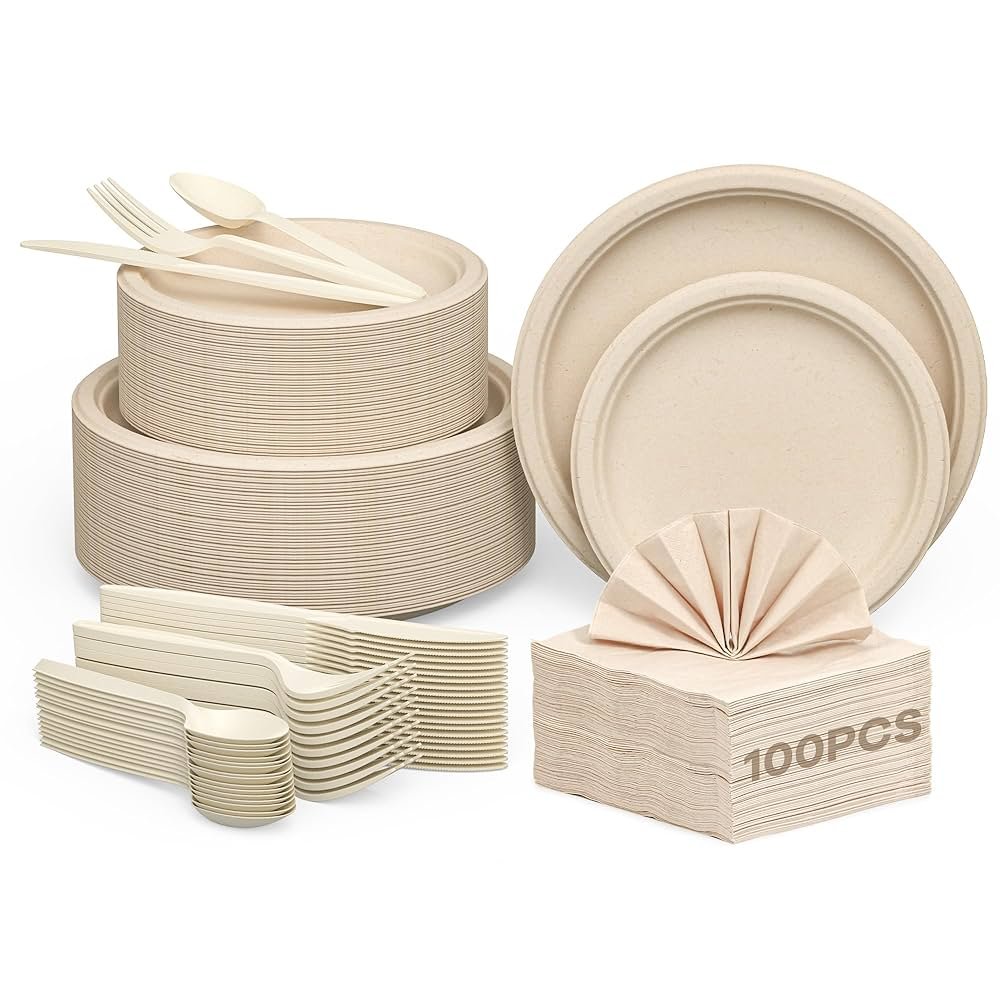
Choosing the right compostable plates can feel overwhelming with so many options out there. But what if you could pick plates that not only look great at your event but also help reduce waste and protect the planet?
You’re about to discover simple tips that make choosing compostable plates easy and stress-free. Keep reading, and you’ll learn exactly what to look for so your next gathering can be both stylish and eco-friendly.
Benefits Of Compostable Plates
Compostable plates offer an eco-friendly choice for parties and meals. They break down naturally and reduce waste.
Choosing compostable plates helps protect the planet and supports a healthier lifestyle.
Environmental Impact
Compostable plates come from natural materials like plants. They decompose quickly in compost settings.
Using them lowers the amount of plastic waste that stays in landfills and oceans for years.
- Made from renewable resources
- Break down into soil nutrients
- Reduce landfill pollution
- Help lower carbon footprint
Health And Safety
Compostable plates do not contain harmful chemicals like some plastics do. They are safe for food use.
These plates do not release toxins when heated. They keep your food clean and healthy.
- Free from BPA and harmful plastics
- Safe for hot and cold foods
- Non-toxic when composted
- Good choice for sensitive people
Cost Considerations
Compostable plates can cost more than regular plastic plates. The price depends on material and brand.
Buying in bulk can lower the cost. The environmental benefits often outweigh the higher price.
- Prices vary by material type
- Bulk buying saves money
- Costs reflect eco-friendly production
- Investment in planet’s future
Types Of Compostable Plates
Compostable plates come in many types. Each type has unique features and materials.
Knowing these types helps you pick the right plate for your needs and the environment.
Plant-based Materials
Plant-based plates use natural fibers from plants. They break down easily in compost piles.
- Made from starch, cellulose, or fibers
- Lightweight and sturdy
- Safe for hot and cold foods
- Break down in 60 to 90 days
Bagasse Plates
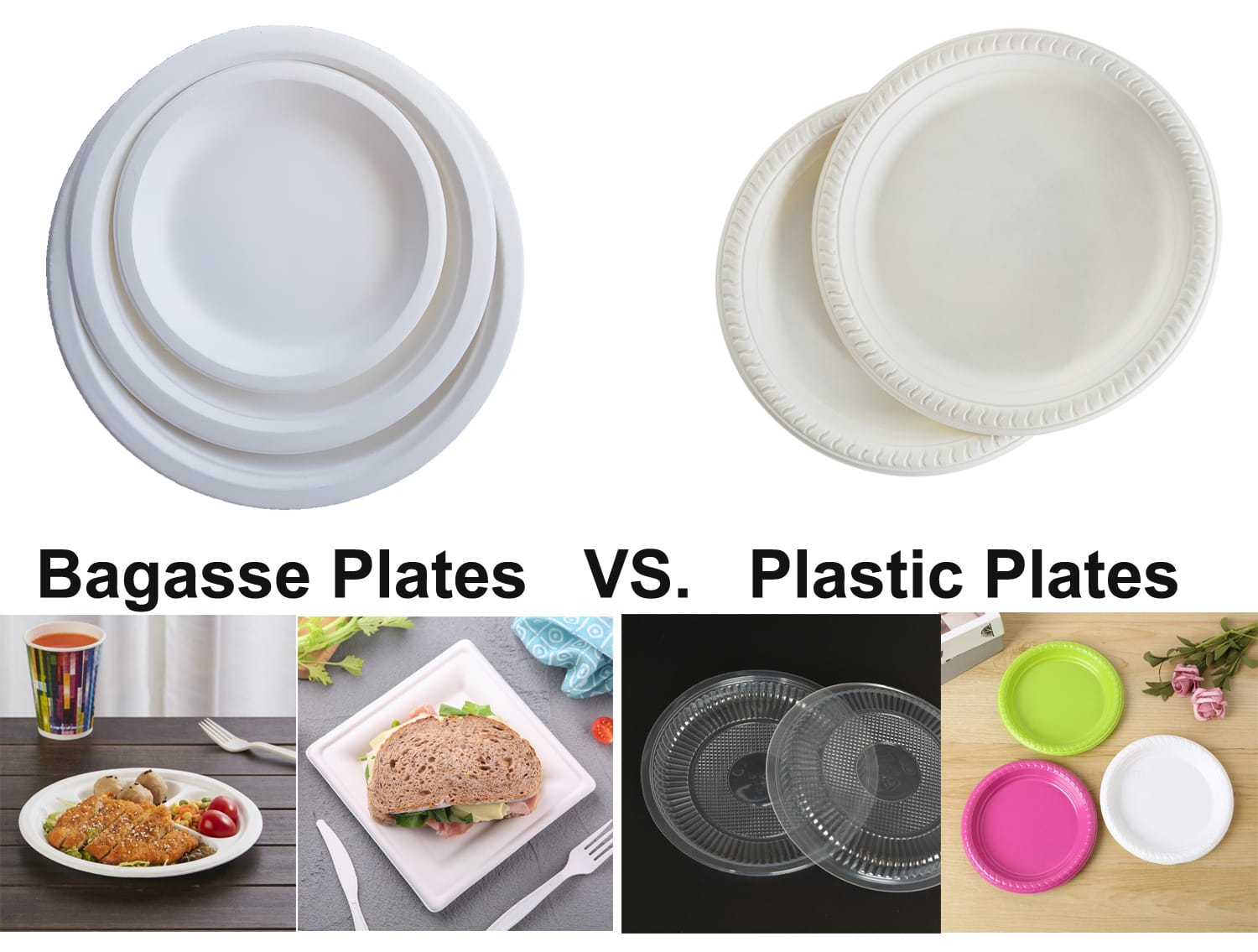
Bagasse plates come from sugarcane waste. They are strong and water-resistant without chemicals.
| Feature | Details |
| Material | Sugarcane fiber |
| Durability | Good for hot and cold food |
| Composting Time | About 90 days |
| Water Resistance | Natural, no plastic coating |
Palm Leaf Plates
Palm leaf plates are made from fallen palm leaves. They have a natural look and feel.
These plates are sturdy and do not need chemicals or glue.
- Biodegradable and compostable
- Strong and leak-resistant
- Unique texture and design
- Safe for hot foods
Bamboo Plates
Bamboo plates come from bamboo grass. They are durable and lightweight.
Bamboo grows fast and needs little water, making these plates eco-friendly.
| Aspect | Bamboo Plates |
|---|---|
| Material | Bamboo fibers |
| Durability | Strong and reusable |
| Composting Time | Varies by processing, usually 90+ days |
| Eco Benefit | Fast-growing plant, less water use |
Key Features To Look For
Choosing the right compostable plates helps protect the environment. Look for features that ensure plates break down safely and work well.
Knowing what to check makes it easier to find plates that fit your needs and reduce waste.
Biodegradability Standards
Compostable plates must meet clear biodegradability standards. These rules tell how fast and fully the plates break down.
Look for certifications from trusted organizations. They show the plates compost safely in home or industrial compost bins.
- Check for ASTM D6400 or EN 13432 labels
- Look for “compostable” certification marks
- Confirm if plates break down within 90-180 days
Durability And Strength
Plates should be strong enough to hold food without bending or breaking. Good durability means less mess and waste.
Choose plates that keep their shape under weight and pressure during use. This is important for all types of meals.
- Look for plates that resist bending or cracking
- Choose thicker options for heavier foods
- Test plates with wet or oily foods
Water And Heat Resistance
Plates should handle moisture and heat without falling apart. Water resistance stops them from becoming soggy.
Heat resistance keeps plates firm with warm or hot foods. This is important for serving cooked meals safely.
- Choose plates that resist water absorption
- Check if plates stay solid with hot foods
- Avoid plates that warp or soften easily
Credit: greenprintproducts.com
Certification And Labels
Choosing compostable plates means looking for trusted certifications. These show the product breaks down safely. Labels also tell if plates are organic and safe for health.
Understanding these marks helps you pick plates that protect the environment and your family.
Compostability Certifications
Certifications prove that compostable plates meet set standards. These tests ensure the plates break down fully in composting conditions. Look for these common certifications:
- ASTM D6400:Shows the product composts in industrial facilities within months.
- EN 13432:A European standard for compostability and biodegradability.
- OK Compost:Certification that confirms compostability in industrial composting.
- BPI Certified:Verified by the Biodegradable Products Institute for composting safety.
Organic And Non-toxic Labels
Organic and non-toxic labels show plates are made without harmful chemicals. These labels ensure safer products for your health and the planet.
| Label | Meaning |
| USDA Organic | Made from organic materials without synthetic pesticides |
| Non-GMO Project Verified | Contains no genetically modified organisms |
| Phthalate-Free | Free from harmful plasticizers |
| BPA-Free | Does not contain bisphenol A, a harmful chemical |
| Vegan Certified | No animal products or testing involved |
Using Compostable Plates Effectively
Compostable plates offer a green way to serve food without harming the planet. Knowing how to use and dispose of them properly helps reduce waste.
Using compostable plates right means understanding their limits and handling them carefully. This guide explains key points to get the most out of these eco-friendly plates.
Proper Disposal Methods
To keep compostable plates useful, you must dispose of them correctly. Throwing them in the trash can cause them to end up in landfills where they do not break down well.
Look for compost bins or facilities that accept compostable items. Avoid mixing these plates with regular trash or recycling bins. Proper disposal helps plates turn into healthy soil.
- Check local composting rules before disposal
- Use designated compost bins
- Do not put compostable plates in recycling bins
- Remove food scraps if required by your composting program
Composting At Home Vs Industrial
Compostable plates break down differently at home and in industrial composting. Industrial composting uses higher heat and special conditions to speed up decay.
At home, composting may take longer and need more care. Some plates may not fully break down in home compost piles. Knowing the difference helps you choose plates that fit your situation.
- Industrial composting is faster and more controlled
- Home composting requires warm, moist, and aerated conditions
- Some plates need industrial facilities to break down fully
- Check product labels for composting instructions
Avoiding Contamination
Contamination happens when non-compostable items mix with compostable plates. This makes the compost dirty and harder to process. It can cause compost to be rejected.
Keep compostable plates clean and free from plastic or metal parts. Do not mix them with regular trash or recyclables. Proper sorting helps keep compost pure and effective.
- Remove plastic wrap or cutlery from plates
- Do not compost coated or non-compostable plates
- Separate compostable plates from non-compostable waste
- Rinse plates if required to remove food residue
Common Mistakes To Avoid
Choosing compostable plates can help reduce waste. Yet, many make errors that harm the environment.
This guide points out common mistakes to avoid when selecting compostable plates.
Choosing Non-compostable Alternatives
Some plates claim to be eco-friendly but are not compostable. Using these defeats the purpose.
- Look for certified compostable labels on packaging
- Check if the plate breaks down naturally
- Avoid plastic-coated or foam plates
- Ask suppliers for composting information
- Be cautious of vague marketing terms
Ignoring Usage Limits
Compostable plates work best for certain foods and uses. Overusing them can cause issues.
| Common Mistake | Why It Matters |
| Using for oily or greasy foods | May not break down properly |
| Using as a long-term storage container | Plate may weaken or leak |
| Exposing to high heat or fire | Can cause melting or toxic fumes |
| Reusing single-use plates | Reduces compost quality and safety |
Misunderstanding Composting Requirements
Compostable plates need the right conditions to break down. Misunderstanding this stops composting.
- Know if your local compost facility accepts these plates
- Do not put plates in regular trash or recycling bins
- Avoid contaminating plates with non-compostable waste
- Understand if home composting is possible or not
- Follow composting instructions on the packaging
Where To Buy Compostable Plates
Choosing compostable plates helps reduce waste and protect the environment. It is important to find good places to buy these plates.
You can find compostable plates in many places, both online and in physical stores. Each option offers different benefits.
Online Retailers
Online stores offer a wide variety of compostable plates. You can compare prices, brands, and sizes easily.
Many websites provide detailed product descriptions and customer reviews. This helps you choose the right plates for your needs.
- Large selection of styles and materials
- Convenient home delivery
- Easy to compare prices and features
Local Eco-friendly Stores
Eco-friendly stores in your area often sell compostable plates. Visiting these stores supports local businesses.
You can see and touch the products before buying. Staff can also answer your questions about the plates.
- Personal advice from store staff
- Support local economy
- Reduce shipping impact
Bulk Purchase Options
Buying compostable plates in bulk can save money and reduce packaging waste. This is useful for large events or businesses.
Many wholesalers and specialty suppliers offer bulk deals. Check if they provide delivery or pickup services.
- Lower price per plate
- Less frequent reordering
- Good for parties and catering

Credit: naturezway.com
Credit: www.bioleaderpack.com
Frequently Asked Questions
What Are Compostable Plates Made From?
Compostable plates are made from natural materials like sugarcane, bamboo, and cornstarch. These materials break down easily in compost. They are an eco-friendly alternative to traditional plastic or paper plates. Compostable plates help reduce waste and support sustainable practices.
Are Compostable Plates Safe For Hot Foods?
Yes, compostable plates are safe for hot foods. They are designed to withstand high temperatures without melting or warping. Made from heat-resistant materials, they maintain their structural integrity. Always check the manufacturer’s guidelines for specific temperature limits.
How Long Do Compostable Plates Take To Decompose?
Compostable plates typically decompose within 90 to 180 days in a commercial composting facility. In a home compost setting, it might take longer. The decomposition process depends on environmental conditions and materials used. Proper disposal is essential for efficient breakdown.
Can Compostable Plates Be Recycled?
Compostable plates should not be placed in recycling bins. They are designed for composting, not recycling. Mixing them with recyclables can contaminate the recycling process. Always dispose of them in a compost bin or facility for proper decomposition.
Conclusion
Choosing compostable plates helps protect the environment. These plates break down quickly and reduce waste. Look for materials like bamboo, sugarcane, or cornstarch. Check if plates meet composting standards for best results. Think about your event size and type before buying.
Compostable plates offer a simple, eco-friendly alternative to plastic. Small changes can make a big difference for our planet. Start using compostable plates today for a cleaner tomorrow.