
Choosing the right cooking tools can make a big difference—not just for your kitchen, but for the planet too. If you want to cook healthier meals and reduce your environmental impact, selecting eco-friendly cooking tools is a smart place to start.
But with so many options out there, how do you know what’s truly green and what’s just marketing? You’ll discover simple, clear tips to help you pick tools that are safe, sustainable, and built to last. Keep reading to find out how small changes in your kitchen can lead to a healthier home and a happier Earth.
Benefits Of Eco-friendly Cooking Tools
Choosing eco-friendly cooking tools helps both your health and the planet. These tools are made from safe, natural materials.
They last longer and can save you money over time. Here are some key benefits of using them.
Health Advantages
Eco-friendly cooking tools avoid harmful chemicals found in some plastics and metals. They reduce exposure to toxins while cooking.
- Use natural materials like wood and bamboo
- Avoid non-stick coatings with chemicals
- Prevent metal leaching into food
- Support safer cooking for your family
Environmental Impact
Eco-friendly tools reduce waste and pollution. They are often made from renewable sources and break down naturally.
| Feature | Eco-Friendly Tools | Regular Tools |
| Material Source | Renewable | Non-renewable |
| Biodegradable | Yes | No |
| Production Waste | Low | High |
| Recyclability | High | Low |
Cost Savings Over Time
Though eco-friendly tools may cost more at first, they last longer. This saves money in the long run.
- Durable materials reduce need for replacements
- Less energy used in production lowers costs
- Less waste means fewer purchases overall
- Supports a sustainable lifestyle
:max_bytes(150000):strip_icc()/rs-plastic-free-kitchen-swaps-tout-4cd2733b77aa4efd8cf49406b243b213.jpg)
Credit: www.realsimple.com
Materials To Choose
Choosing the right cooking tools helps protect the environment. Eco-friendly materials reduce waste and pollution. This guide explains popular options to consider.
Each material has benefits for health and the planet. Learn which materials suit your kitchen needs and values.
Bamboo And Wood
Bamboo and wood are natural and renewable resources. They break down easily and do not release harmful chemicals. These tools feel warm and comfortable in your hands.
Look for tools made from sustainably harvested bamboo or wood. Avoid those treated with toxic finishes.
Stainless Steel
Stainless steel is durable and resistant to rust. It lasts for many years and does not leach chemicals into food. This material is easy to clean and recyclable.
- Choose high-quality stainless steel tools
- Avoid tools with plastic or non-recyclable parts
- Look for products labeled food safe
Silicone Alternatives
Silicone is flexible and heat resistant. It is a good alternative to plastic. Some silicone products are made with food-safe, non-toxic materials.
| Material | Benefits | Considerations |
| Food-Grade Silicone | Flexible, heat safe | Check for BPA-free label |
| Natural Rubber | Biodegradable, soft | Less heat resistant |
| Beeswax Coated Cotton | Reusable, eco-friendly | Not heat resistant |
Recycled And Upcycled Options
Using recycled or upcycled materials helps reduce waste. Some tools are made from recycled metals or plastics. Others reuse wood or fabric scraps.
Benefits of recycled and upcycled cooking tools:
- Less demand for new raw materials
- Reduces landfill waste
- Often unique and handmade
Avoiding Harmful Substances
Choosing eco-friendly cooking tools means avoiding harmful chemicals. Some materials release toxins when heated. These toxins can harm your health and the environment.
This guide covers common harmful substances in cooking tools. Learn which non-stick coatings, plastics, and finishes to avoid. Find safer options for your kitchen.
Toxic Chemicals In Non-stick Coatings
Many non-stick pans use chemicals like PFOA and PFAS. These can release toxic fumes when heated. Long-term exposure may cause health problems.
Look for cookware labeled PFOA-free or made from safer materials. Ceramic or cast iron pans are good alternatives that do not emit harmful chemicals.
Plastics To Skip
Some plastics release dangerous chemicals when heated. Avoid plastics containing BPA, phthalates, and PVC in cooking tools.
- BPA can disrupt hormones and cause health issues.
- Phthalates may affect the reproductive system.
- PVC can release toxic dioxins when burned.
- Choose silicone or stainless steel instead of plastic tools.
Safe Finishes And Sealants
Cooking tools sometimes have finishes or sealants to protect the surface. Some finishes contain harmful chemicals like lead or cadmium.
| Finish Type | Safe to Use? | Notes |
| Natural oil or wax | Yes | Non-toxic and food-safe |
| Lead-based glaze | No | Can leach into food |
| Cadmium-based paint | No | Highly toxic |
| Water-based sealant | Yes | Generally safe if food-grade |
Durability And Longevity
Choosing eco-friendly cooking tools means picking items that last a long time. Durable tools reduce waste and save money.
Good quality tools stay strong through daily use. They need fewer replacements, helping the environment.
Signs Of Quality Construction
Look for cooking tools made from strong materials like stainless steel or bamboo. These materials resist wear and tear.
Check if the tool feels solid and well-made. Poor joints or loose parts mean the tool may break soon.
- Heavy weight often shows better material quality
- Seamless edges reduce break risk
- Natural finishes avoid harmful chemicals
- Simple designs limit weak points
- Brands that offer repair services show confidence in durability
Maintaining Tools For Longer Use
Clean your cooking tools after every use to keep them in good shape. Avoid harsh chemicals that can damage surfaces.
Store tools properly to prevent bending or cracking. Use holders or racks to keep them safe and dry.
- Hand wash wooden tools to stop warping
- Dry metal tools immediately to avoid rust
- Sharpen blades regularly for better performance
- Apply food-safe oil on wood to keep it smooth
- Inspect tools often for cracks or loose parts
Certifications And Labels
Choosing eco-friendly cooking tools means looking for trusted certifications. These labels show if a product meets certain environmental and safety standards.
Understanding these certifications helps you pick tools that are safer for you and better for the planet.
Eco-friendly Certifications To Look For
Many eco-friendly tools carry certifications. These prove the materials are sustainable or non-toxic. Common labels include organic, recycled content, or low emissions.
- Forest Stewardship Council (FSC) – for wood from well-managed forests
- Green Seal – for products that meet strict environmental standards
- USDA Organic – for natural materials without harmful chemicals
- Cradle to Cradle Certified – for products designed to be reused or recycled
- BPA-Free – ensures no harmful plastic chemicals
Fair Trade And Ethical Production
Fair Trade certification guarantees workers earn fair wages. It also ensures safe working conditions. Ethical production means the product respects people and the environment.
| Certification | Focus | Benefits |
| Fair Trade | Worker rights and fair pay | Supports fair wages and better labor conditions |
| SA8000 | Social accountability | Ensures ethical treatment of workers |
| Global Organic Textile Standard (GOTS) | Organic fibers and fair labor | Combines organic material and ethical work |
Budget-friendly Eco Choices
Choosing eco-friendly cooking tools can save the planet and your wallet. You do not need to spend much to go green in the kitchen.
There are many affordable options that use safe, natural, or recycled materials. These tools last longer and reduce waste.
Affordable Sustainable Brands
Look for brands that use bamboo, wood, or recycled metals. These materials are good for the environment and easy on your budget.
Many brands offer simple tools like spoons, spatulas, and cutting boards that are cheap and eco-friendly.
- Brands that use responsibly harvested bamboo
- Companies making tools from recycled stainless steel
- Producers offering biodegradable kitchen utensils
- Brands with simple designs for long-lasting use
Diy And Upcycling Ideas
You can make eco-friendly cooking tools at home. Use old wood or metal to create new kitchen items.
Upcycling saves money and reduces trash. It also adds a personal touch to your kitchen.
- Turn old wooden spoons into new spatulas by sanding and shaping
- Use glass jars as storage containers or measuring cups
- Make trivets from scrap wood or fabric scraps
- Repurpose metal cans into utensil holders
Where To Shop
Choosing eco-friendly cooking tools means thinking about where you buy them. Shops that focus on green products often have better options. You can find tools made from sustainable materials that last longer.
Look for stores that care about the environment. This helps you support businesses that use safe and natural materials. It also ensures you get quality tools that are good for your kitchen and the planet.
Specialty Eco Stores
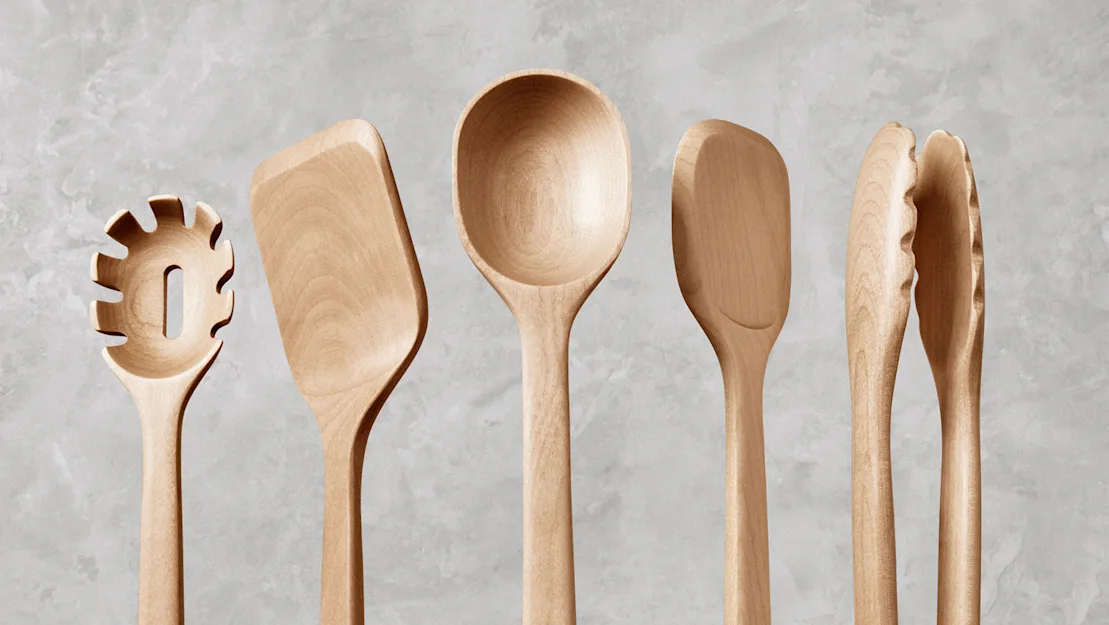
Specialty eco stores focus only on green and sustainable products. They often sell cooking tools made from bamboo, recycled metal, or natural wood. These stores carefully check the materials they sell.
Staff at these stores usually know a lot about eco-friendly items. They can help you pick the right tools for your cooking needs. Shopping here supports businesses that care about the environment.
Online Marketplaces
Online marketplaces offer many choices for eco-friendly cooking tools. You can compare prices and read reviews from other buyers. Many sellers provide details about the materials and how the items are made.
Shopping online lets you find unique tools from different brands. Look for sellers who focus on sustainable products. Check for certifications or eco labels to make sure the tools are truly green.
Local Artisans And Markets
Local artisans often create cooking tools using natural and recycled materials. Buying from them supports small businesses and reduces shipping pollution. You can also ask about how the tools are made.
Farmers markets and craft fairs are good places to find these items. These markets help you connect with the maker. This way, you learn more about the tool’s origin and care instructions.
Credit: www.carawayhome.com
Caring For Eco-friendly Tools
Eco-friendly cooking tools need good care to last long and work well. Proper cleaning, storing, and fixing help save money and reduce waste.
This guide shows simple ways to keep your green kitchen tools in top shape.
Cleaning Tips
Clean your eco-friendly tools gently to avoid damage. Use natural cleaners and avoid harsh chemicals.
- Wash wooden utensils with warm water and mild soap.
- Dry tools completely to prevent mold and cracks.
- Use baking soda paste to remove stains safely.
- Do not soak bamboo or wooden items for too long.
- For metal tools, dry immediately to avoid rust.
Storage Suggestions
| Tool Type | Storage Method | Tip |
| Wooden spoons | Store upright in a dry container | Avoid closed, damp spaces |
| Bamboo cutting boards | Keep flat or hung on a wall | Prevent bending or warping |
| Metal utensils | Dry rack or drawer with separators | Keep dry to stop rust |
| Ceramic tools | Soft-lined drawer or shelf | Wrap to avoid chips |
Repair And Repurpose
Fix small problems to extend tool life. Turn broken parts into new useful items.
Examples of repair and repurpose ideas:
- Sanding rough wooden handles smooth again
- Oiling wood to prevent cracking and keep shine
- Using broken ceramics as plant pot holders
- Turning old utensils into garden markers
- Replacing worn-out parts like corks or lids

Credit: www.healthierhomes.com
Frequently Asked Questions
What Are Eco-friendly Cooking Tools?
Eco-friendly cooking tools are made from sustainable materials like bamboo, stainless steel, or recycled products. These tools minimize environmental impact during production and disposal. They are often durable, reducing the need for frequent replacements. Choosing eco-friendly tools helps in promoting a healthier planet and supports sustainable living practices.
How To Identify Sustainable Cooking Tools?
Look for products with certifications like FSC or BPA-free labels. Check materials used, opting for bamboo or stainless steel. Avoid plastic. Read product reviews and descriptions to understand the sustainability claims. Choosing tools from reputable eco-conscious brands ensures authenticity and environmental friendliness.
Why Choose Bamboo For Cooking Tools?
Bamboo is a renewable resource, growing quickly without pesticides. It’s durable, lightweight, and biodegradable. Bamboo cooking tools are versatile and gentle on cookware. Choosing bamboo reduces deforestation and promotes sustainable practices. It’s a stylish, eco-friendly alternative to plastic or wood tools.
Are Silicone Cooking Tools Eco-friendly?
Silicone tools are considered more eco-friendly than plastic. They’re durable, heat-resistant, and long-lasting. Silicone is made from silica, found in sand, making it more sustainable. However, ensure it’s food-grade and BPA-free. While not biodegradable, silicone tools are reusable, reducing waste and environmental impact.
Conclusion
Choosing eco-friendly cooking tools helps protect the planet. These tools last longer and reduce waste. They often use safe, natural materials. Small changes in your kitchen can make a big difference. Your cooking becomes healthier and kinder to Earth. Think about what you really need before buying.
Simple steps add up over time. Start with one or two eco-friendly items today. Your efforts inspire others to act too. Sustainable cooking supports a cleaner, greener future.