
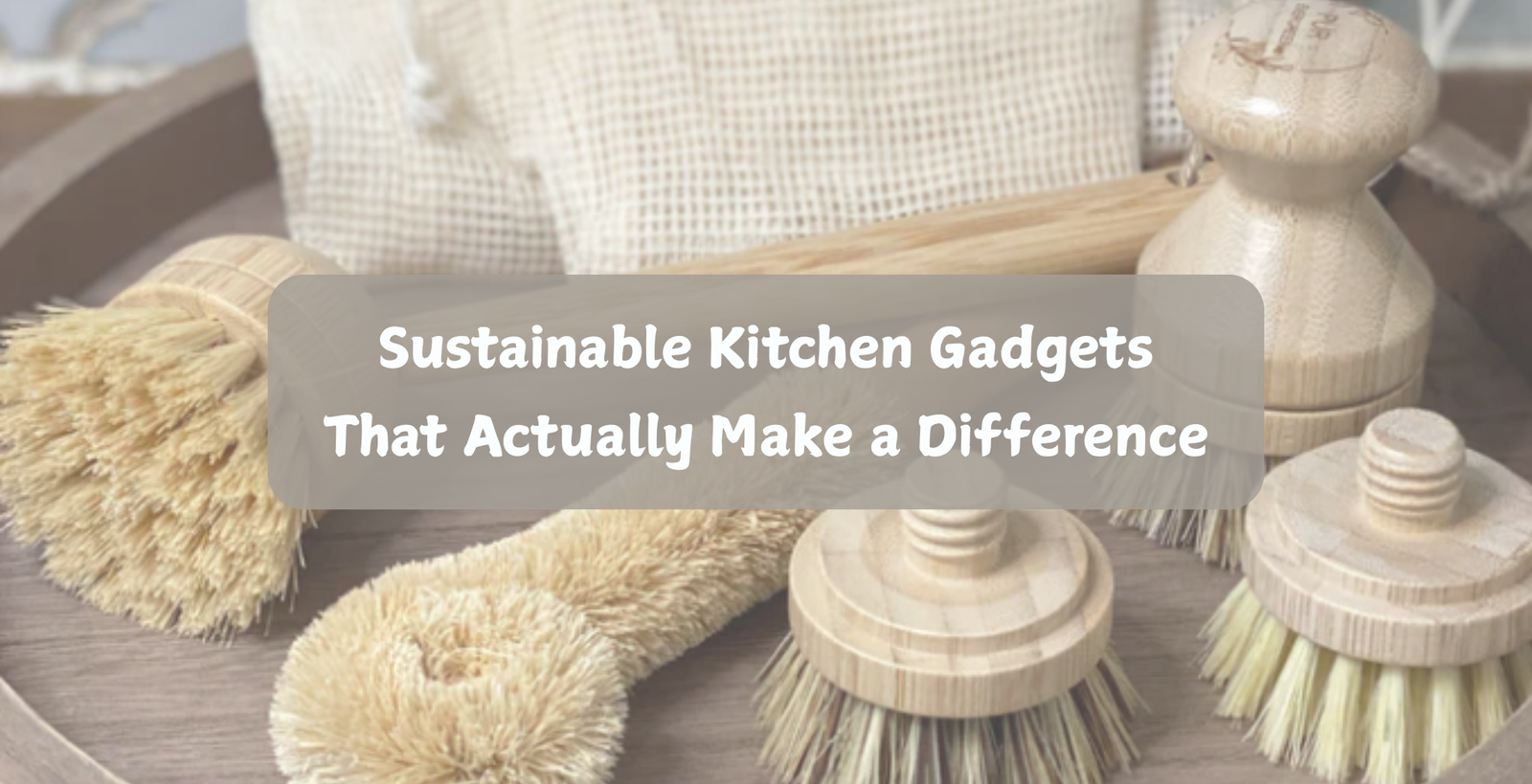
Choosing the right kitchen gadgets can make a big difference—not just for your cooking but for the planet too. You want tools that are helpful, durable, and kind to the environment.
But with so many options out there, how do you know which ones truly fit the bill? This guide will help you discover simple ways to pick eco-friendly kitchen gadgets that save energy, reduce waste, and make your kitchen a healthier place.
Keep reading, and you’ll learn how small choices can lead to big changes for your home and the world around you.
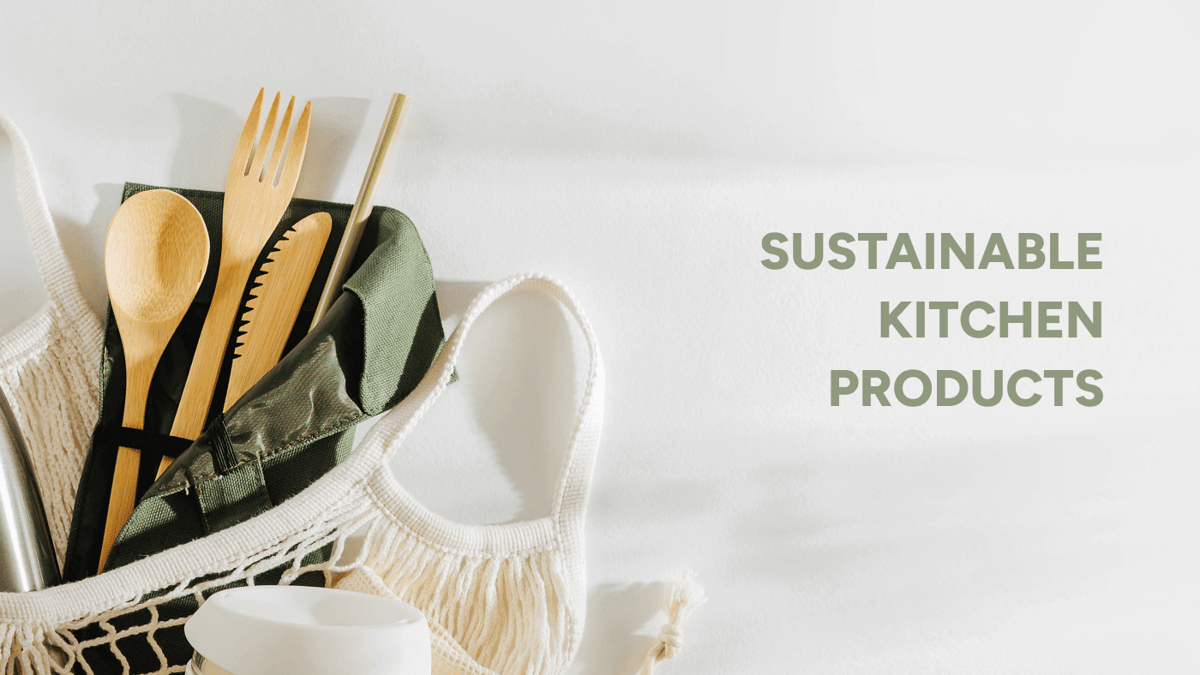
Credit: www.elementbrooklyn.com
Benefits Of Eco-friendly Kitchen Gadgets
Eco-friendly kitchen gadgets help reduce waste and pollution. They use safer materials and save energy.
Choosing these gadgets supports a healthier planet and a better home environment.
Reducing Environmental Impact
Eco-friendly gadgets often use recycled or sustainable materials. They create less waste during production and disposal.
- Less plastic waste in landfills
- Fewer harmful chemicals released
- Reduced carbon footprint from manufacturing
- Long-lasting designs that reduce replacement needs
Saving Energy And Resources
These gadgets often use less electricity or water. They help you save money and protect natural resources.
| Gadget Type | Energy Use | Resource Saving |
| Manual Can Opener | None | Uses no electricity |
| Solar-Powered Blender | Low | Uses sunlight instead of power |
| Reusable Food Wraps | None | Reduces plastic wrap use |
Health Advantages
Eco-friendly gadgets often avoid harmful chemicals like BPA. They keep your food safe and healthy.
- Made from non-toxic materials
- Reduce exposure to plastic toxins
- Support allergy-friendly kitchens
- Easy to clean and maintain
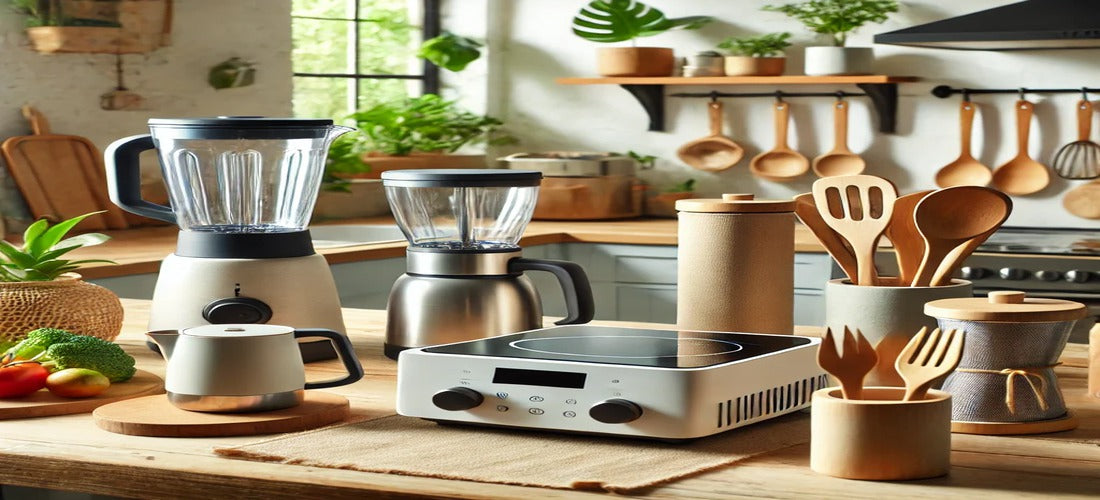
Credit: wiproappliances.com
Materials To Look For
Choosing eco-friendly kitchen gadgets helps reduce waste and pollution. It also supports a healthier home environment. Selecting the right materials is key to making sustainable choices.
Some materials last longer and break down naturally. Others use recycled content to lower environmental impact. Learn about bamboo, stainless steel, glass, and more.
Bamboo And Wood Options
Bamboo and wood are natural materials that grow quickly. They are renewable and biodegradable. These options work well for utensils, cutting boards, and handles.
- Bamboo grows fast and needs little water.
- Wood is durable and can be recycled or composted.
- Look for FSC-certified wood to ensure responsible harvesting.
- Avoid treated wood with harmful chemicals.
Stainless Steel And Glass
Stainless steel and glass are strong and non-toxic materials. They do not leach chemicals into food. These are great for cookware, containers, and tools.
| Material | Advantages | Care Tips |
| Stainless Steel | Long-lasting, recyclable, resists rust | Hand wash recommended to keep shine |
| Glass | Non-porous, easy to clean, recyclable | Handle carefully to avoid breakage |
Recycled And Biodegradable Materials
Recycled and biodegradable materials reduce landfill waste. They use waste products or break down naturally after use. Many kitchen gadgets now include these options.
Look for items made from:
- Recycled plastics that are BPA-free
- Biodegradable bioplastics from plants
- Compostable fibers like hemp or coconut shell
- Packaging made from recycled paper or cardboard
Energy Efficiency Features
Choosing kitchen gadgets that save energy helps reduce electricity use. Eco-friendly gadgets lower your bills and protect the planet.
Look for features that use less power and work smartly. This guide covers low power gadgets, smart tech, and manual versus electric tools.
Low Power Consumption Gadgets
Gadgets with low power consumption use less electricity while working well. They help cut energy waste in your kitchen.
- Choose appliances with an Energy Star label
- Pick LED lighting for kitchen tools
- Use small gadgets instead of large ones for simple tasks
- Turn off devices completely when not in use
Smart Technology Integration
Smart kitchen gadgets adjust their power use based on need. They save energy by working only when required.
| Smart Feature | Energy Benefit |
| Auto shut-off | Stops power when idle |
| Timer settings | Limits usage time |
| Energy monitoring | Tracks and reduces waste |
| Remote control | Allows turning off from anywhere |
Manual Vs. Electric Choices
Manual kitchen tools use no electricity. Electric tools use power but save time and effort.
- Manual tools do not add to energy bills
- Electric tools may use more power but increase convenience
- Choose manual gadgets for simple tasks like stirring or cutting
- Use electric devices for complex jobs like blending or baking

Credit: www.healthierhomes.com
Durability And Longevity
Choosing eco-friendly kitchen gadgets means picking items that last a long time. Durable products reduce waste and save money.
Long-lasting gadgets need less replacement. This helps the environment by lowering trash and pollution.
Build Quality Indicators
Look for kitchen gadgets made with strong materials like stainless steel or bamboo. These usually last longer.
Check how parts fit together. Tight joints and smooth finishes often mean better quality.
- Heavy weight can show strong build
- Simple designs often mean fewer breakable parts
- Brands with clear material details are more reliable
Repairability And Warranty
Choose gadgets that you can fix if they break. This keeps items out of the landfill.
A good warranty shows the maker trusts their product. It can save you money and reduce waste.
- Look for products with replaceable parts
- Check if the company offers repair guides
- Long warranty periods are better
Avoiding Single-use Products
Single-use gadgets create a lot of waste. Pick reusable tools instead to help the planet.
Reusable items save money over time. They also reduce plastic and trash in your kitchen.
- Use metal or wooden utensils instead of plastic ones
- Choose silicone lids and wraps over single-use plastic wrap
- Pick multi-use gadgets to avoid buying many single-use items
Certifications And Eco Labels
Choosing eco-friendly kitchen gadgets means looking beyond style and price. Certifications and eco labels show if a product is truly green. They help you find gadgets that save energy and reduce waste.
These labels come from trusted organizations. They check products for safe materials and low environmental impact. Learning to recognize them can guide your purchases better.
Recognizing Trusted Labels
Eco labels vary by region and product type. Some well-known labels include Energy Star, USDA Organic, and FSC. They verify that products meet strict eco standards.
- Energy Star:Shows energy efficiency in appliances.
- USDA Organic:Certifies organic and natural materials.
- FSC:Ensures wood comes from responsibly managed forests.
- Green Seal:Focuses on overall environmental impact.
- Cradle to Cradle:Marks products designed for recycling or safe disposal.
What Certifications Mean
Each certification tests products differently. Some check for low energy use. Others test for harmful chemicals or sustainable sourcing. Getting certified means the product passes these tests.
| Certification | Focus | Benefit |
| Energy Star | Energy efficiency | Lower electricity bills |
| USDA Organic | Natural materials | Healthier for users and environment |
| FSC | Forest sustainability | Protects forests and wildlife |
| Green Seal | Environmental impact | Reduced pollution and waste |
| Cradle to Cradle | Product lifecycle | Less landfill waste |
Impact On Purchasing Decisions
Eco labels help shoppers choose better products. They show that companies care about the planet. You can trust these marks to buy gadgets that last and cause less harm.
- Check for certifications before buying.
- Learn what each label means for your home.
- Choose products with multiple eco labels for best impact.
- Avoid products without any certification claims.
- Share label knowledge with friends and family.
Budget-friendly Sustainable Options
Choosing eco-friendly kitchen gadgets does not have to be expensive. You can find many options that save the planet and your wallet.
Simple changes in your kitchen tools can reduce waste and use less energy. Let’s explore budget-friendly ways to shop smart and green.
Affordable Eco-friendly Picks
Look for gadgets made from natural or recycled materials. Bamboo, stainless steel, and glass are good choices. These last longer and are safer for the environment.
Small items like wooden spoons or silicone lids cost less but help reduce plastic use. These picks offer value and help protect nature.
- Bamboo cutting boards
- Stainless steel measuring cups
- Glass storage containers
- Silicone reusable lids
- Cotton dish towels
Diy And Upcycled Gadgets
You can make some kitchen tools at home using old items. Upcycling reduces waste and saves money. Try simple projects to create unique gadgets.
For example, use glass jars as spice containers or cut old wooden spoons into small scoops. These ideas add charm and help the environment.
- Turn jars into storage containers
- Make coasters from wood scraps
- Use old cloth for reusable bags
- Create scrubbers from natural fibers
- Repurpose glass bottles for oil dispensers
Balancing Cost With Sustainability
Focus on quality over quantity. A well-made gadget costs more but lasts longer. This reduces waste and saves money over time.
Set a budget before buying. Compare products by their materials and durability. Choose brands with clear eco-friendly practices to get the best value.
- Buy fewer, high-quality items
- Choose reusable over disposable
- Check for recycled or natural materials
- Read reviews about product life
- Support local makers for lower shipping impact
Maintaining And Disposing Gadgets
Choosing eco-friendly kitchen gadgets means caring for them properly. Good maintenance helps gadgets last longer. It also reduces waste.
Knowing how to clean, extend life, and dispose of gadgets is important. This guide covers these key steps.
Proper Cleaning Techniques
Clean your kitchen gadgets gently to avoid damage. Use mild soap and warm water. Avoid harsh chemicals that can harm materials.
- Wipe gadgets after each use to prevent build-up.
- Use soft cloths or sponges to clean surfaces.
- Remove detachable parts for thorough washing.
- Dry gadgets completely before storing to stop rust.
- Check manufacturer instructions for specific cleaning tips.
Extending Product Life
Taking care of gadgets extends their useful life. Store them properly and avoid dropping or rough handling.
| Tip | Reason |
| Keep gadgets in dry places | Prevents rust and mold |
| Use gadgets only for their purpose | Avoids unnecessary wear |
| Regularly check for loose parts | Fixing early stops damage |
| Sharpen blades when dull | Improves efficiency and safety |
Recycling And Disposal Tips
Do not throw old gadgets in the trash. Many parts can be recycled or reused. Proper disposal helps the environment.
- Check local recycling programs for electronic waste.
- Donate working gadgets to charity or community centers.
- Remove batteries before disposal and recycle them separately.
- Contact manufacturers about take-back or recycling options.
- Break down gadgets to separate recyclable parts if possible.
Frequently Asked Questions
What Are Eco-friendly Kitchen Gadgets?
Eco-friendly kitchen gadgets are tools made from sustainable materials. They minimize environmental impact and promote energy efficiency. These gadgets help reduce waste and conserve resources. Choosing them supports a greener lifestyle and reduces your carbon footprint. Opt for gadgets made from bamboo, stainless steel, or recycled materials.
How Do I Identify Sustainable Materials?
Look for materials like bamboo, stainless steel, and recycled plastics. Check for certifications like FSC or Energy Star. These indicate eco-friendly standards. Avoid single-use plastics and opt for reusable alternatives. Research brands that prioritize sustainability and ethical manufacturing practices. Consider durability and longevity in your choices.
Why Choose Energy-efficient Kitchen Gadgets?
Energy-efficient gadgets reduce energy consumption, saving money on utility bills. They help lower your carbon footprint. These gadgets often have Energy Star ratings, ensuring efficiency. Using them supports sustainable living and reduces environmental impact. They are designed to perform effectively while consuming less energy.
Are Bamboo Kitchen Tools Eco-friendly?
Yes, bamboo kitchen tools are sustainable and biodegradable. Bamboo grows quickly, making it a renewable resource. It’s durable, lightweight, and naturally antimicrobial. Choosing bamboo over plastic reduces environmental harm. Look for products with minimal packaging to further decrease waste. Bamboo tools are a great eco-friendly kitchen choice.
Conclusion
Choosing eco-friendly kitchen gadgets helps protect the planet. Small changes in your kitchen make a big difference. Pick items made from natural, reusable materials. Avoid plastics and single-use products whenever possible. Think about energy use and durability before buying. These steps save money and reduce waste.
Your choices inspire others to live sustainably too. Start with one gadget and build from there. A greener kitchen means a healthier home and Earth. Simple actions add up to lasting change.