
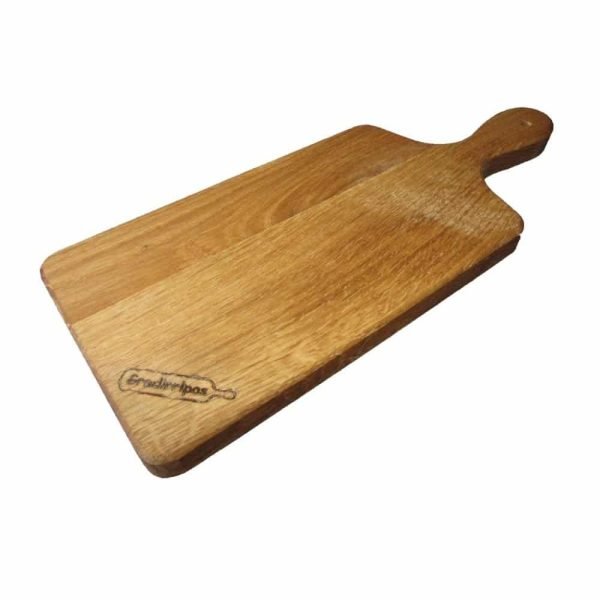
Are you ready to upgrade your kitchen with chopping boards that are better for you and the planet? Choosing eco-friendly chopping boards isn’t just a trend—it’s a smart step toward a healthier home and a cleaner environment.
But with so many options out there, how do you pick the right one? In this guide, you’ll discover simple tips to find chopping boards that last longer, stay safe, and reduce waste. Keep reading to learn how you can make a choice that feels good every time you cook.

Credit: www.amazon.ca
Benefits Of Eco-friendly Chopping Boards
Eco-friendly chopping boards offer many advantages for your kitchen and health.
They help reduce waste and support a safer cooking environment.
Health Advantages
These boards are made from natural materials that resist bacteria better than plastic.
- Natural wood and bamboo have antimicrobial properties
- Less chemical residue compared to plastic boards
- Gentle on knives, reducing metal shavings in food
- Easy to clean and maintain for hygiene
Environmental Impact
Eco-friendly boards come from renewable resources and break down naturally.
| Material | Renewable | Biodegradable | Recyclable |
|---|---|---|---|
| Bamboo | Yes | Yes | Yes |
| Hardwood | Yes | Yes | Limited |
| Plastic | No | No | Sometimes |
Durability And Longevity
Eco-friendly chopping boards last a long time when cared for properly.
- Strong materials resist cracking and warping
- Easy to sand and restore surface when worn
- Reduce the need to replace boards often
- Save money by buying less frequently

Credit: www.ekohunters.com
Materials To Choose
Choosing the right material for your chopping board is key to being eco-friendly. Different materials offer various benefits for the environment and your kitchen.
This guide covers popular eco-friendly materials and what makes each a good choice for chopping boards.
Bamboo Boards
Bamboo is a fast-growing grass that requires little water and no pesticides. It is strong and resists knife marks well. Bamboo boards are lightweight and naturally antimicrobial.
Recycled Plastic Boards
Recycled plastic boards help reduce waste by using old plastics. They are durable and often dishwasher-safe. These boards come in many colors and resist stains and odors.
- Made from recycled materials
- Long-lasting and easy to clean
- Less likely to crack or warp
- Help reduce landfill waste
Wood From Sustainable Sources
Wood from certified forests ensures trees are replanted and forests are protected. Such woods include maple, teak, and cherry. These boards are sturdy and can last many years with care.
| Wood Type | Source | Benefits |
| Maple | FSC Certified Forests | Hard and durable |
| Teak | Sustainably Harvested Plantations | Water resistant |
| Cherry | Managed Woodlands | Attractive grain |
Composite And Biodegradable Options
Composite boards mix natural fibers with resins to reduce plastic use. Biodegradable boards break down faster in landfills. Both types support eco-friendly kitchen choices.
Benefits of composite and biodegradable boards:
- Reduce plastic use
- Break down more quickly
- Often lightweight
- Good for limited use or as secondary boards
What To Avoid
Choosing eco-friendly chopping boards means avoiding harmful elements. Some boards may look green but can harm health or the environment.
Here are key things to avoid when buying eco-friendly chopping boards.
Toxic Chemicals And Treatments
Many chopping boards are treated with chemicals to prevent bacteria or increase durability. These chemicals can be toxic and unsafe.
Avoid boards with:
- Formaldehyde-based finishes
- Plastic coatings or paints
- Non-food-safe preservatives or sealants
- Bleaching agents like chlorine
Non-recyclable Materials
Some chopping boards are made from materials that cannot be recycled or composted. These add to landfill waste and pollution.
Avoid boards made from:
- Plastic blends that do not break down
- Composite materials with mixed elements
- Non-renewable synthetic resins
Unsustainable Sourcing
Wood or bamboo chopping boards should come from sustainable sources. Unsustainable harvesting harms forests and wildlife.
Avoid boards that:
- Use wood without certified sustainable labels
- Come from endangered tree species
- Are mass-produced with poor environmental care

Credit: www.amazon.com
Size And Design Considerations
Choosing an eco-friendly chopping board means looking at size and design. These factors affect how well it fits your kitchen and how easy it is to use.
Good choices help your board last longer and make food prep safer and cleaner.
Choosing The Right Size
Pick a size that fits your kitchen space and cooking needs. Small boards work well for quick tasks. Large boards handle big jobs and multiple ingredients.
Think about storage too. A board that is too big might be hard to store or clean.
Non-slip Features
Non-slip features keep the board stable on your counter. Look for rubber feet or textured surfaces. These prevent the board from sliding while you cut.
- Rubber or silicone edges
- Textured bottom surface
- Weighted design for stability
Maintenance And Cleaning Ease
Eco-friendly boards need easy cleaning to stay safe and last long. Some designs have simple shapes without grooves or cracks.
| Feature | Benefit |
| Smooth surface | Easy to wipe and clean |
| Dishwasher safe | Saves cleaning time |
| Oil-treated wood | Prevents drying and cracking |
| Removable parts | Better access for cleaning |
Certifications To Look For
Buying an eco-friendly chopping board means checking for trusted certifications. These labels show the product meets high environmental and safety standards.
Look for certifications that prove the wood comes from well-managed forests and that the board is safe for food use.
Fsc And Pefc Labels
The Forest Stewardship Council (FSC) and the Programme for the Endorsement of Forest Certification (PEFC) certify sustainable wood. They help protect forests and wildlife.
Chopping boards with these labels come from forests that follow strict rules. These rules include replanting trees and protecting water and soil.
- FSC focuses on forest health and workers’ rights
- PEFC promotes small forest owners and sustainability
- Both labels ensure legal and responsible wood sourcing
Food Safety Certifications
Food safety certifications ensure chopping boards do not harm your health. They test materials for harmful chemicals and bacteria risks.
Look for certifications like FDA approval or LFGB certification. These show the board is safe to cut food without contamination.
- FDA approval means the product meets U.S. food safety rules
- LFGB is a German standard for food contact safety
- Check for BPA-free and non-toxic claims
Eco-labels And Standards
Eco-labels prove the chopping board has a low impact on the environment. They measure factors like energy use and chemical pollution.
Look for labels such as Cradle to Cradle, Green Seal, or EU Ecolabel. These show the product meets strict environmental rules from production to disposal.
- Cradle to Cradle focuses on recycling and safe materials
- Green Seal checks for reduced pollution and waste
- EU Ecolabel covers environmental impact across the product’s life
Where To Buy Eco-friendly Boards
Eco-friendly chopping boards are a great choice for your kitchen. They help reduce waste and use natural materials.
You can find these boards in different places. Each source offers unique options and benefits.
Specialty Eco Stores
Specialty eco stores focus on products that are good for the environment. They often carry chopping boards made from sustainable wood or bamboo.
These stores carefully select items that have low impact on nature. You can find boards that are durable and safe for food.
Online Marketplaces
Online marketplaces offer a wide range of eco-friendly chopping boards. You can compare prices and styles easily.
Look for boards made from recycled materials or sustainably harvested wood. Check the product details to confirm eco-friendly claims.
- Read customer reviews for quality and durability
- Check seller certifications on sustainability
- Choose boards with natural finishes and non-toxic treatments
Local Artisans And Craftsmen
Local artisans create unique chopping boards by hand. They often use reclaimed wood or locally sourced materials.
Buying from craftsmen supports small businesses and reduces shipping impact. You get a high-quality board made with care.
- Visit farmers markets or craft fairs
- Ask about the wood source and finishing methods
- Request custom sizes or designs
Caring For Your Green Chopping Board
Eco-friendly chopping boards need special care to last longer. Proper cleaning, oiling, and storage keep them safe and strong.
Follow simple steps to maintain your green chopping board. This helps avoid cracks and keeps the surface smooth for safe food prep.
Cleaning Tips
Clean your chopping board after each use. Use warm water and mild soap to remove food bits and stains.
- Rinse the board with warm water immediately after use.
- Scrub gently with a soft brush or sponge and mild soap.
- Avoid soaking the board in water to prevent warping.
- Dry the board with a clean cloth or let it air dry standing up.
- For tough odors, rub with lemon or baking soda before rinsing.
Oiling And Conditioning
Oiling keeps your board from drying out and cracking. Use natural oils like mineral oil or beeswax for best results.
| Oil Type | Benefits |
|---|---|
| Mineral Oil | Non-toxic, easy to apply, protects wood |
| Beeswax | Seals surface, adds shine, repels water |
| Coconut Oil | Natural and safe, but can go rancid |
Apply oil evenly with a clean cloth. Let it soak in for a few hours or overnight. Wipe off excess oil before use.
Storage Recommendations
Store your chopping board in a dry place. Avoid spots with direct sunlight or high humidity.
- Stand the board upright to allow air circulation.
- Keep it away from heat sources like stoves or ovens.
- Do not stack heavy items on top to prevent warping.
- Check regularly for cracks or damage and repair if needed.
Frequently Asked Questions
What Materials Are Eco-friendly For Chopping Boards?
Eco-friendly chopping boards are often made from bamboo, recycled wood, or sustainably sourced wood. These materials are biodegradable and renewable. Bamboo grows quickly, making it a sustainable choice. Recycled wood reduces waste and promotes reuse. Always check for certifications like FSC to ensure sustainability.
How To Identify A Sustainable Chopping Board?
Look for certifications like FSC or PEFC, which ensure responsible sourcing. Check for labels indicating recycled or renewable materials. Research the brand’s sustainability practices. Eco-friendly boards often highlight their environmental benefits on packaging. Reading customer reviews can also provide insights into a product’s sustainability.
Why Choose Bamboo Over Plastic Chopping Boards?
Bamboo is a renewable resource, growing faster than traditional hardwoods. It’s biodegradable and doesn’t contribute to plastic waste. Bamboo boards are durable and naturally antibacterial. In contrast, plastic boards can harbor bacteria and take centuries to decompose, making them less environmentally friendly.
Are Recycled Wood Chopping Boards Durable?
Yes, recycled wood chopping boards are durable and long-lasting. They are crafted from high-quality reclaimed wood, ensuring strength. These boards are designed to withstand regular use. They often have unique, appealing aesthetics due to varied wood grains. Proper care can further extend their lifespan.
Conclusion
Choosing eco-friendly chopping boards helps protect the planet. These boards last longer and resist damage well. Bamboo and recycled wood are great options. They avoid harmful plastics and chemicals. Care for your board by cleaning it gently. This keeps it safe and strong.
Small changes in the kitchen add up. Buy smart, use green, and enjoy cooking. Your choice makes a difference every day.