
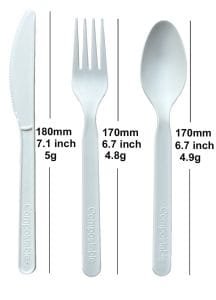
Are you tired of using plastic cutlery that harms the environment? Choosing the right compostable cutlery can make a big difference in reducing waste and protecting our planet.
But with so many options available, how do you know which one is best for you? This guide will help you understand what to look for, so you can make a smart, eco-friendly choice without any guesswork. Keep reading to find out how easy it is to pick compostable cutlery that fits your needs and values.
Benefits Of Compostable Cutlery
Compostable cutlery is made from natural materials that break down easily. It offers many benefits over traditional plastic utensils.
Using compostable cutlery helps protect the environment and supports healthier living. It is a smart choice for daily use and events.
Environmental Impact
Compostable cutlery reduces pollution by breaking down quickly. It does not leave harmful residues in the soil or water.
This type of cutlery lowers the amount of waste in landfills. It helps keep nature clean and safe for animals and plants.
Reducing Plastic Waste
Plastic cutlery takes hundreds of years to decompose. Compostable cutlery breaks down in a few months in the right conditions.
Using compostable cutlery cuts down the use of single-use plastics. This helps reduce the large piles of plastic waste worldwide.
- Less plastic in oceans and rivers
- Lower risk to marine life
- Decreased microplastic pollution
Supporting Sustainable Practices
Compostable cutlery is made from renewable resources like corn or sugarcane. These materials grow back quickly each year.
Choosing compostable cutlery helps farmers and companies that use eco-friendly methods. It promotes a cleaner and greener economy.
Materials Used In Compostable Cutlery
Compostable cutlery is made from materials that break down naturally. These materials reduce waste and help the environment.
Understanding the types of materials helps you choose the right compostable cutlery. Each material has unique features and benefits.
Plant-based Plastics
Plant-based plastics come from renewable plants like corn or sugarcane. They are an alternative to traditional plastics made from oil.
These plastics look and feel like regular plastic but break down faster under composting conditions. They help reduce plastic pollution.
Biodegradable Polymers
Biodegradable polymers are materials that break down with the help of microbes. They turn into natural substances like water and carbon dioxide.
These polymers are made from natural or synthetic sources. They help cutlery decompose quickly in compost environments.
Natural Fibers And Starch
Natural fibers come from plants like bamboo, wheat, or palm leaves. Starch is often extracted from corn or potatoes.
Cutlery made from these materials is sturdy and fully compostable. They break down easily and add nutrients back to the soil.
Key Features To Look For
Selecting the right compostable cutlery means checking some important features. These features ensure the cutlery works well and breaks down safely.
Focus on durability, certification, and food safety to make a smart choice. Each feature helps you find cutlery that fits your needs and values.
Durability And Strength
Compostable cutlery must be strong enough to use without breaking. It should hold up to different foods, like salads, pasta, or meats.
- Check the material thickness for sturdiness
- Look for cutlery that resists bending or snapping
- Test if the utensils can hold hot and cold foods
- Choose cutlery designed for the type of meal you serve
Compostability Certification
Look for certified compostable cutlery to ensure it breaks down safely. Certification means the product meets set standards.
| Certification | Meaning | What to Look For |
| OK Compost | Breaks down in industrial composting | Logo on packaging |
| BPI Certified | Meets US composting standards | Certification mark |
| Seedling Logo | Complies with European standards | Visible symbol |
Food Safety And Non-toxicity
Cutlery must be safe for food contact. It should not release harmful chemicals or change food taste.
- Choose cutlery made from food-grade materials
- Avoid products with BPA, heavy metals, or toxins
- Check if the product passes safety tests
- Ensure the cutlery does not absorb or leach flavors

Credit: www.amazon.com
Types Of Compostable Cutlery
Choosing the right compostable cutlery helps reduce waste. These utensils break down naturally after use.
There are several types of compostable cutlery. Each serves different needs and occasions.
Forks, Knives, And Spoons
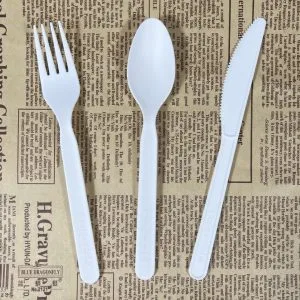
Compostable forks, knives, and spoons come in many materials like cornstarch, bamboo, and wood. They are sturdy enough for meals yet break down quickly in compost.
- Forks:Used for salads and main dishes. Look for thick tines to avoid breaking.
- Knives:Designed to cut soft foods. Compostable knives often have serrated edges.
- Spoons:Suitable for soups and desserts. Choose spoons with a deep bowl shape for ease.
Specialty Utensils
Some meals need special compostable utensils. These include spatulas, cocktail picks, and dessert forks. They are made from the same eco-friendly materials as basic cutlery.
| Utensil Type | Common Uses | Material |
| Spatulas | Serving soft foods | Bamboo, cornstarch |
| Cocktail Picks | Appetizers and garnishes | Wood, bamboo |
| Dessert Forks | Pastries and cakes | Plant-based plastics |
Disposable Vs Reusable Options
Compostable cutlery can be disposable or reusable. Disposable utensils are for one-time use and break down after composting. Reusable types can be washed and used many times before composting.
- Disposable:Convenient, no washing needed, best for large events.
- Reusable:Durable, eco-friendly over time, requires cleaning.
Certifications And Labels
Choosing compostable cutlery means checking its certifications and labels. These show if the product meets environmental standards. They help you pick items that break down safely and quickly.
Certifications also ensure the cutlery is made from safe materials. They protect the environment and reduce waste in landfills.
Compostability Standards
Compostability standards set rules for how products break down in compost systems. They measure how fast and completely cutlery decomposes.
Look for standards like ASTM D6400 or EN 13432. These confirm that cutlery will turn into compost without harming the soil.
- ASTM D6400: US standard for industrial composting
- EN 13432: European standard for compostability
- ISO 17088: International compostability guideline
Biodegradability Marks
Biodegradability marks show if cutlery breaks down naturally. These marks tell how fast the material decomposes in the environment.
Marks often include timeframes and conditions needed for breakdown. Choose cutlery with clear biodegradability labels for safe disposal.
- OK Compost: Certified for industrial composting
- Seedling Label: Shows home composting ability
- Biodegradable Product Institute (BPI) Mark: Verified biodegradability
Third-party Verification
Third-party verification means an independent group checks the product’s claims. They test cutlery to confirm it meets compostable and biodegradable standards.
This verification adds trust and reduces false claims. Look for products tested by trusted organizations for best results.
- Look for logos from recognized certifiers
- Check for testing reports or certificates
- Choose products with transparent verification

Credit: purpleclay.com
How To Dispose Of Compostable Cutlery
Compostable cutlery offers an eco-friendly alternative to plastic utensils. Proper disposal helps reduce waste and supports environmental health.
Knowing how and where to dispose of these items ensures they break down correctly and do not harm the environment.
Home Composting Tips
Not all compostable cutlery breaks down well in home compost bins. Check if the packaging says it is suitable for home composting.
- Break cutlery into smaller pieces to speed up decomposition.
- Mix cutlery with green waste, like fruit and vegetable scraps.
- Keep your compost moist and turn it regularly for better airflow.
- Avoid adding cutlery if it contains PLA, which needs higher temperatures.
Commercial Composting Facilities
Many compostable cutlery types require industrial composting to break down fully. These facilities use high heat and controlled conditions.
| Facility Type | Accepts Compostable Cutlery | Notes |
| Industrial Composting | Yes | Breaks down PLA and other bioplastics. |
| Home Composting | Sometimes | Depends on material type and compost conditions. |
| Landfill | No | Cutlery does not decompose properly. |
Avoiding Contamination
Contamination can ruin compost batches. Keep compostable cutlery free from food residue and plastics.
- Rinse cutlery before composting.
- Do not mix compostable cutlery with regular plastic cutlery.
- Check local guidelines for accepted compost materials.
- Use labeled bins to separate compostable items properly.
Cost Considerations
Choosing compostable cutlery means looking at the costs closely. This helps you decide if it fits your budget and needs.
We will explore how compostable cutlery compares to plastic in price, the benefits of buying in bulk, and how you can save money over time.
Price Comparison With Plastic Cutlery
Compostable cutlery usually costs more than plastic ones at first glance. The material and production process affect the price.
| Cutlery Type | Average Cost (per 100 pieces) |
| Plastic Cutlery | $5 |
| Compostable Cutlery | $10 |
Bulk Buying Benefits
Buying compostable cutlery in large amounts can reduce the price per piece. Suppliers often give discounts for big orders.
- Lower cost per unit
- Less frequent reordering
- Better supplier relationships
- Reduced shipping costs
Long-term Savings
Compostable cutlery can save money over time by reducing waste fees and improving brand image. This can attract more customers.
| Factor | Plastic Cutlery | Compostable Cutlery |
|---|---|---|
| Waste Disposal Fees | High | Low |
| Customer Loyalty | Neutral | Positive |
| Environmental Impact Cost | High | Low |
Where To Buy Compostable Cutlery
Finding the right place to buy compostable cutlery can make your eco-friendly efforts easier.
This guide shows common places where you can get compostable forks, knives, and spoons.
Online Retailers
Many websites sell compostable cutlery with delivery options. You can compare brands and prices easily online.
- Large e-commerce sites
- Specialty eco product stores
- Direct brand websites
Local Eco-friendly Stores
Local shops that focus on green products often stock compostable cutlery. Visiting these stores supports small businesses in your area.
| Store Type | Cutlery Options | Benefits |
| Zero waste shops | Various compostable sets | Reduce packaging waste |
| Organic markets | Eco-friendly utensils | Fresh and local |
| Health food stores | Biodegradable cutlery | Trusted quality |
Wholesale Suppliers
Wholesale suppliers offer compostable cutlery in bulk. This is a good choice for businesses or large events.
Benefits of buying wholesale:
- Lower cost per unit
- Consistent supply
- Custom order options
Common Myths And Facts
Choosing compostable cutlery can be confusing. Many myths make it hard to know the truth. This guide clears up common misunderstandings.
Learn the facts about compostable cutlery. Knowing these helps you make better choices for the environment.
Compostable Vs Biodegradable
People often mix up compostable and biodegradable. They are not the same. Compostable means the item breaks down into natural elements fast in composting conditions. Biodegradable means it can break down but has no set time.
- Compostable:Breaks down fully in a compost system.
- Biodegradable:Breaks down slowly, may leave residues.
- Compostable cutlery:Must meet standards like ASTM D6400.
- Biodegradable cutlery:May not be safe for composting.
Performance Myths
Many think compostable cutlery breaks easily or melts in hot food. This is not true. Good compostable cutlery is strong and heat-resistant.
| Myth | Fact |
| Compostable cutlery melts in hot food | It can handle hot foods up to 120°C (248°F) |
| It breaks easily when used | High-quality compostable cutlery is durable |
| It tastes strange or leaves odors | Does not affect food taste or smell |
| It cannot be used for cold and hot dishes | Suitable for both cold and hot dishes |
Environmental Claims Verified
Some products say they are eco-friendly, but not all claims are true. Look for verified labels and certifications. These show the product meets environmental standards.
- Check for certifications like BPI, TUV Austria, or OK Compost.
- Look for clear composting instructions on the package.
- Avoid vague claims like “eco-friendly” without proof.
- Verify if local composting facilities accept the cutlery.
Credit: www.bioleaderpack.com
Frequently Asked Questions
What Is Compostable Cutlery Made Of?
Compostable cutlery is made from plant-based materials like cornstarch, sugarcane, or bamboo. These materials break down naturally in composting conditions. Unlike plastic, they don’t leave harmful residues. Always check for certifications indicating that the cutlery is truly compostable.
How Do I Dispose Of Compostable Cutlery?
Dispose of compostable cutlery in a commercial composting facility, if possible. They require specific conditions to break down effectively. If unavailable, check if your local municipal compost accepts them. Avoid putting them in regular trash or recycling bins, as they won’t decompose properly.
Is Compostable Cutlery Better Than Plastic?
Yes, compostable cutlery is better for the environment than plastic. It reduces reliance on fossil fuels and minimizes landfill waste. Compostable options break down into natural elements, enhancing soil quality. Always ensure the compostable cutlery is certified to avoid greenwashing.
Can I Use Compostable Cutlery For Hot Foods?
Yes, compostable cutlery is suitable for hot foods, but check the temperature tolerance. Some may soften or degrade with high heat. Bamboo options are generally more heat-resistant. Always refer to the product specifications for guidance.
Conclusion
Choosing the right compostable cutlery helps protect the planet. Check materials and certifications carefully before buying. Biodegradable options break down faster in compost. Avoid plastics labeled as compostable without proof. Think about strength and comfort for your needs. Using eco-friendly cutlery reduces landfill waste greatly.
Small choices add up to big changes. Start with simple swaps today for a greener tomorrow.