
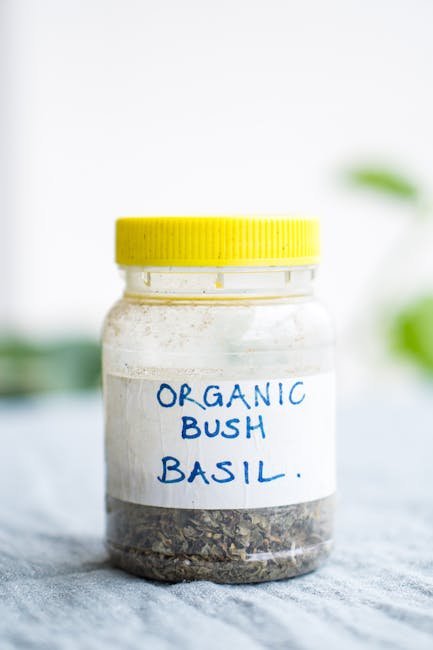
Are your spice container labels fading, peeling, or getting messy? Keeping your labels clear and intact can save you time and frustration when cooking.
Imagine reaching for the right spice instantly, without second-guessing or searching through clutter. In this post, you’ll discover simple, effective ways to maintain your spice container labels so they stay neat and easy to read. Stick with me, and you’ll never struggle with messy spice jars again.
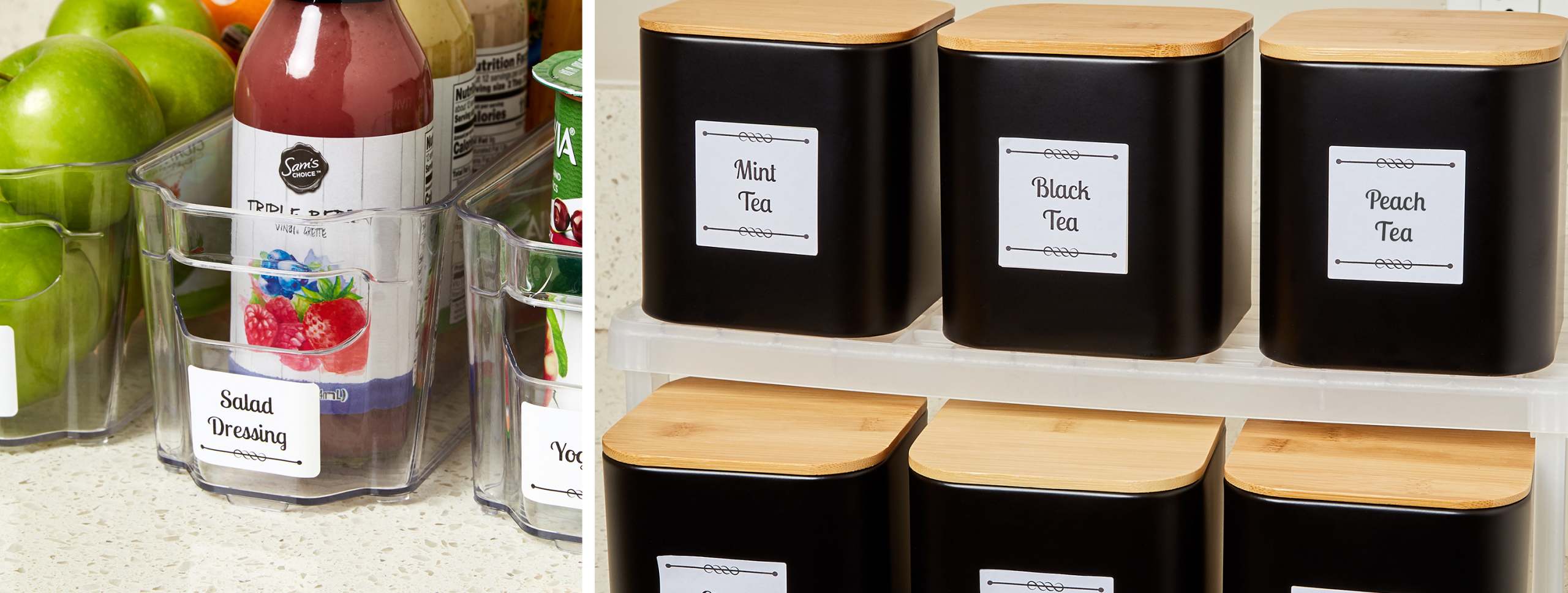
Credit: www.avery.com
Choosing Durable Labels
Spice container labels need to last long and stay clear. Durable labels help keep your spices organized and easy to find.
Choosing the right label depends on where and how you store your spices. Consider the material, water resistance, and heat resistance.
Material Types
Labels come in many materials. Paper labels are cheap but can tear or fade quickly. Plastic labels last longer and resist damage better. Vinyl labels are very strong and can handle rough use.
Waterproof Options
Waterproof labels protect against spills and humidity. They keep the label text clear and readable even if wet. Look for labels made with waterproof paper or coated plastic.
- Waterproof paper labels are budget-friendly and resist light moisture.
- Plastic labels with waterproof coating offer better durability.
- Laminated labels provide the strongest protection against water.
Heat-resistant Labels
Heat can cause some labels to peel or discolor. Use heat-resistant labels if your spices are near stoves or ovens. These labels keep their shape and color under high temperatures.
| Label Type | Heat Resistance | Best Use |
| Paper | Low | Cool, dry places |
| Plastic | Medium | General kitchen use |
| Vinyl | High | Near heat sources |
Label Application Tips
Applying labels on spice containers correctly helps them last longer. Proper technique keeps labels clean and easy to read.
Follow simple steps to prepare the surface, place the label, and avoid air bubbles for a neat finish.
Surface Preparation
Clean the container surface before applying labels. Dirt, oil, or moisture can cause labels to peel off.
Use this checklist before applying labels:
- Wash the container with warm soapy water
- Dry completely with a lint-free cloth
- Remove any residue or sticky spots
- Ensure the surface is smooth and dry
Proper Placement
Place the label where it is easy to see and read. Center it on a flat part of the container.
| Container Type | Recommended Label Position |
| Glass Jar | Front center, below lid |
| Plastic Bottle | Middle of the main body |
| Metal Tin | Flat side, horizontally aligned |
Avoiding Air Bubbles
Air bubbles can make labels look messy and reduce stickiness. Smooth labels carefully to remove bubbles.
- Start applying the label from one edge
- Press down gently as you move across
- Use a flat tool to smooth out bubbles
- Lift and reapply if large bubbles form
Cleaning And Care
Keeping spice container labels clean helps you read them easily. Proper care keeps labels looking neat and lasting longer.
Cleaning spice container labels requires gentle handling. Harsh cleaning can damage the print or peel the label.
Gentle Cleaning Methods
Use a soft cloth or sponge to clean spice labels. Dampen it slightly with water for light dirt or dust.
For tougher spots, use a mild soap mixed with water. Gently wipe the label to avoid rubbing off the print.
- Use a microfiber cloth
- Damp cloth with water or mild soap
- Wipe gently without scrubbing
- Clean regularly to prevent buildup
Avoiding Harsh Chemicals
Do not use bleach or strong cleaners on spice labels. These chemicals can fade or damage the print quickly.
Avoid alcohol-based cleaners, as they may peel off the label. Stick to water and mild soap for safe cleaning.
- No bleach or ammonia
- No alcohol or acetone
- Skip abrasive scrubs or brushes
- Test cleaners on a small area first
Drying Techniques
After cleaning, dry labels carefully to avoid damage. Use a soft towel or air dry completely before storing.
Do not use heat sources like hair dryers. Heat may warp the label or cause adhesive to fail.
- Pat dry with a soft towel
- Let air dry fully before use
- Avoid direct sunlight during drying
- Do not apply heat or blow dry
Updating Labels
Keeping your spice container labels updated helps you find spices quickly. Clear labels avoid confusion while cooking.
Regularly updating labels ensures your spice rack stays neat and organized.
Using Removable Labels
Removable labels let you change names without damage. They stick well but peel off easily.
These labels are good for spices you use less often or switch out.
- Choose labels made for smooth surfaces
- Clean the container before applying
- Write clearly with a washable marker
- Peel off gently to avoid sticky residue
Writing With Permanent Markers
Permanent markers create long-lasting labels. They resist water and kitchen steam.
Write directly on the label or container surface for a clean look.
- Use fine-tip markers for small labels
- Let ink dry before handling
- Avoid touching the label to prevent smudges
- Choose dark ink for better readability
Label Replacement Frequency
Change your spice labels regularly to keep them accurate. Old labels can fade or peel.
Check your labels every few months and replace if needed.
- Replace labels if ink fades or smudges
- Update when spices run out or change
- Clean container before applying new labels
- Keep a label kit handy for quick swaps
Organizing Spice Containers
Keeping spice containers neat helps you find spices quickly. Clear labels make cooking easier and faster.
Organized spice containers also keep your kitchen looking tidy and clean. Proper labels protect against mistakes when adding spices.
Consistent Labeling Style
Use the same font and size for all spice labels. Choose simple, easy-to-read letters. This helps you identify spices at a glance.
- Pick a clear font like Arial or Helvetica
- Use bold text for better visibility
- Keep font size between 12 and 16 points
- Use black text on a white background for contrast
- Include the spice name only, avoid extra information
Label Placement For Visibility
Place labels where you can see them easily. Avoid putting labels on the top if containers are stored in deep shelves. Front placement works best.
| Container Type | Best Label Placement |
|---|---|
| Round jars | Center front of jar |
| Square containers | Front face near the top |
| Small bottles | On the lid and front |
| Large tins | Front center and lid |
Storage Tips To Preserve Labels
Keep spice containers away from heat and moisture. This protects both spices and labels. Clean containers before labeling to help stickers stick better.
Follow these tips for label care:
- Store containers in a cool, dry place
- Use waterproof labels or cover them with clear tape
- Do not place containers near the stove or sink
- Wipe labels gently with a damp cloth if dirty
- Replace labels if they start to peel or fade
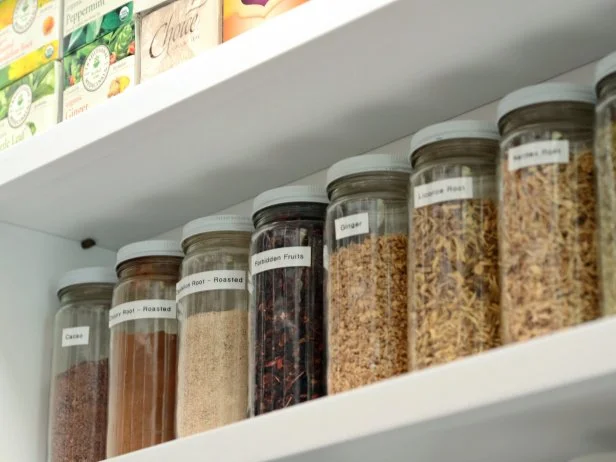
Credit: www.hgtv.com
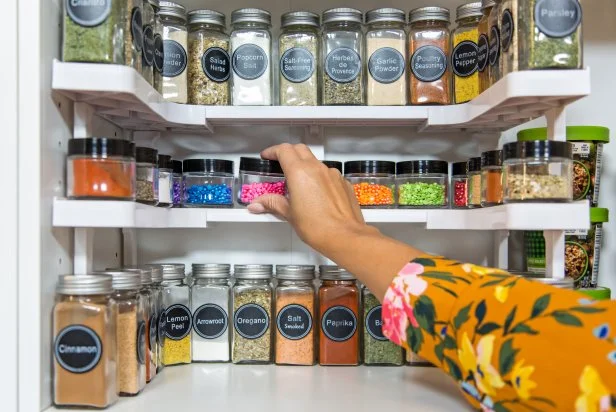
Credit: www.hgtv.com
Frequently Asked Questions
How To Choose The Right Label Material?
Choosing the right label material is crucial for durability. Waterproof or laminated materials are ideal for kitchen use. They resist stains and moisture, ensuring labels remain clear. Choose materials that can withstand temperature changes. This ensures long-lasting readability and helps maintain an organized spice collection efficiently.
What Are The Best Tools For Labeling?
The best tools for labeling include a reliable label maker or printer. These tools ensure clean, professional-looking labels. Waterproof pens are also a great option for handwritten labels. Always use tools that provide clear and legible text to maintain organization in your spice collection.
How Often Should Spice Labels Be Updated?
Spice labels should be updated whenever you buy new spices or change containers. Regularly checking and updating labels helps maintain organization. This practice ensures you always know what spices you have. It also prevents expired or unnecessary spices from cluttering your kitchen.
Can I Use Digital Labels For Spices?
Yes, digital labels can be used for spices. They offer the advantage of easy editing and updating. Use apps or software to create digital labels. Print them using a compatible printer. This method ensures your labels are always neat and precise.
Conclusion
Maintaining spice container labels keeps your kitchen neat and organized. Clear labels help you find spices quickly. Regular cleaning prevents dirt buildup on labels. Use waterproof or laminated labels for long-lasting results. Replace worn-out labels to avoid confusion. Simple steps save time during cooking.
Keep your spice collection easy to use and fresh. Small efforts make a big difference in your kitchen. Try these tips to enjoy a tidy spice rack every day.