
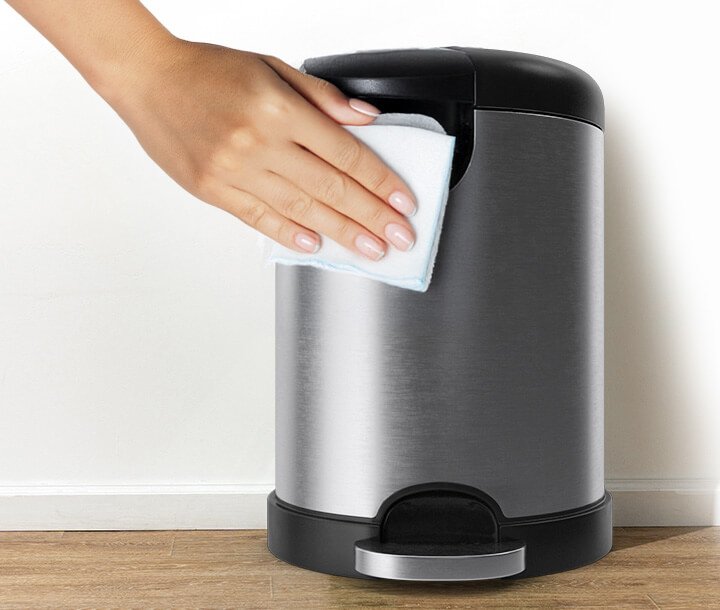
Your trash bins may seem like just another part of your home, but they can quickly become a hotspot for germs, bad odors, and unwanted pests. If you’ve ever noticed a foul smell or sticky residue, you know how important it is to keep them clean.
But how exactly do you clean and disinfect your trash bins effectively without spending hours scrubbing? You’ll discover simple, step-by-step tips to make your bins spotless and fresh. Ready to protect your home and breathe easier? Keep reading to learn the easy way to tackle this often-overlooked chore.
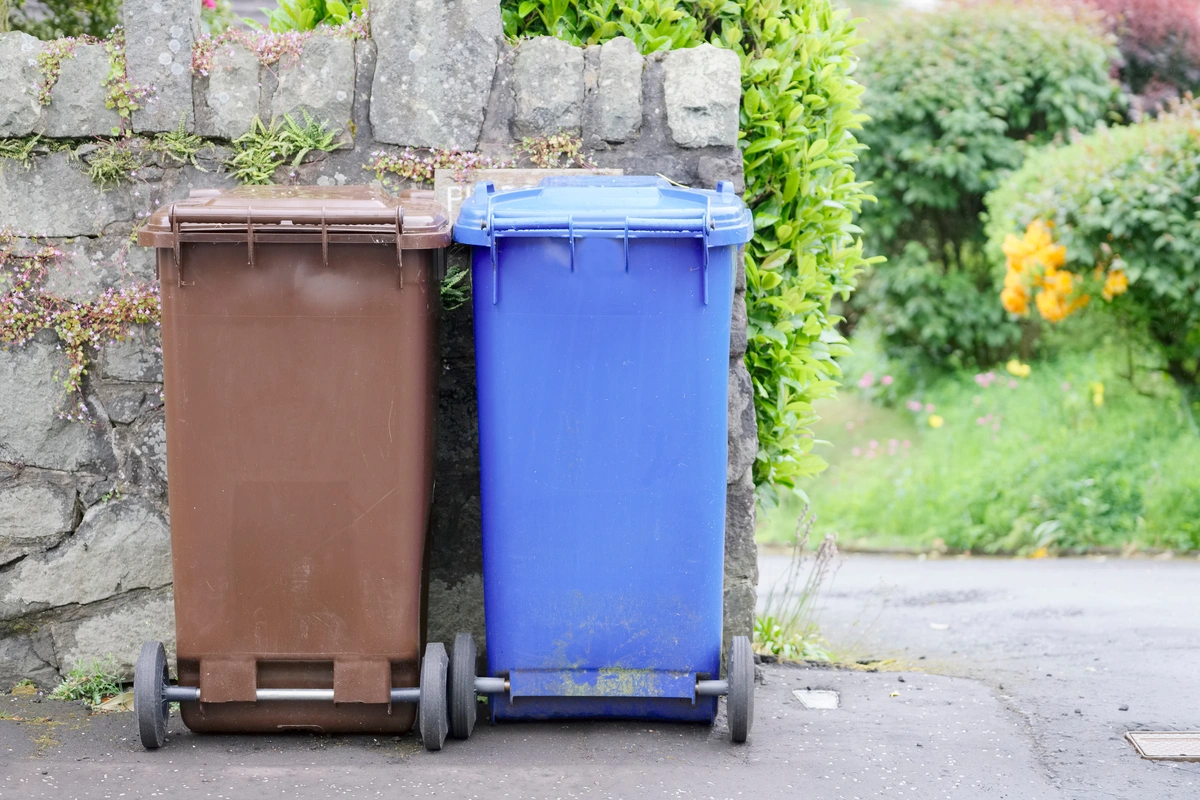
Credit: hellosuper.com
Why Clean Trash Bins Matter
Trash bins hold our waste and keep homes clean. But dirty bins can cause problems.
Cleaning bins helps stop germs and bad smells. It also keeps bins in good shape longer.
Health Risks From Dirty Bins
Dirty trash bins can carry bacteria and viruses. These germs may cause sickness if they spread.
- Bacteria grow in leftover food and waste
- Insects and pests can breed inside dirty bins
- Touching unclean bins may transfer germs to hands
- Airborne germs can cause breathing problems
Odor Prevention
Trash bins often smell bad if not cleaned. Odors come from rotting food and waste buildup.
| Common Cause | How It Creates Odor |
| Food scraps | Rot and decay produce foul smells |
| Moisture | Supports mold and bacteria growth |
| Trash spills | Leave stains and lingering scents |
Extending Bin Lifespan
Cleaning bins stops damage and keeps them usable longer. Dirt and grime can wear down the bin’s material.
- Remove sticky residues that cause cracks
- Prevent mold that weakens plastic
- Keep lids working well to seal odors
- Reduce rust on metal parts

Credit: livingwithdana.com
Tools And Supplies Needed
Cleaning and disinfecting trash bins keeps your home and yard fresh. You need the right tools and supplies to do the job well.
This guide lists the materials and safety gear to help you clean trash bins safely and effectively.
Essential Cleaning Materials
You need basic materials to clean trash bins. These help remove dirt, grime, and bad smells.
- Stiff-bristled brush for scrubbing
- Garden hose or bucket of water
- Mild detergent or soap
- Trash bags for waste
- Scraper for stuck debris
Safe Disinfectants To Use
Disinfectants kill germs and bacteria inside your trash bins. Pick safe and effective products.
- Bleach diluted with water (1 part bleach to 10 parts water)
- White vinegar as a natural disinfectant
- Hydrogen peroxide for strong cleaning
- Commercial disinfectant sprays labeled safe for plastic
Always follow instructions on disinfectant labels for best results.
Protective Gear
Wear protective gear to keep yourself safe while cleaning. Trash bins can contain germs and sharp objects.
- Rubber gloves to protect hands
- Safety goggles to shield eyes
- Face mask to avoid inhaling fumes
- Old clothes or apron to protect skin
Preparing Your Trash Bin
Cleaning your trash bin keeps your home fresh and stops bad smells. Preparing the bin properly makes the cleaning easier.
Start by handling the waste carefully. Sorting and emptying are the first steps before washing the bin.
Emptying And Sorting Waste
Remove all trash from the bin. Check for any stuck items on the sides or bottom. Sorting helps prevent mess and makes cleaning faster.
- Wear gloves to protect your hands
- Take out all garbage bags carefully
- Pick out recyclables and compostables separately
- Check the bin for leftover debris and remove it
Initial Rinse Steps
Rinse the bin with water to remove loose dirt and grime. This helps the cleaning agents work better and keeps the bin from getting damaged.
| Rinse Step | Purpose | Tip |
|---|---|---|
| Use a hose or bucket | Wash away loose dirt | Use warm water for better cleaning |
| Focus on corners and edges | Remove hidden grime | Use a brush if needed |
| Drain excess water | Prepare for soap or disinfectant | Leave the lid open |
Cleaning Techniques For Trash Bins
Trash bins collect waste and dirt every day. Cleaning them helps stop bad smells and germs. Using the right methods keeps bins fresh and safe.
Below are simple ways to clean and disinfect trash bins effectively.
Scrubbing Methods
Scrubbing removes dirt and grime stuck inside bins. Use brushes with stiff bristles for best results. Scrub all corners and the lid.
- Rinse the bin with water to remove loose dirt.
- Apply soap or detergent to the brush.
- Scrub inside and outside surfaces thoroughly.
- Rinse again to wash off soap and dirt.
- Let the bin dry completely before use.
Using Natural Cleaners
Natural cleaners are safe and easy to find. They help disinfect without harsh chemicals. Vinegar and baking soda work well for trash bins.
- Mix equal parts water and white vinegar in a spray bottle.
- Sprinkle baking soda inside the bin before spraying vinegar.
- Let the mixture fizz and sit for 10 minutes.
- Scrub the bin using a brush.
- Rinse with water and dry.
Dealing With Tough Stains
Tough stains need stronger cleaning. You can use a paste made from baking soda and water. Let it sit on the stains to break them down.
| Cleaning Agent | Use | Time to Sit |
|---|---|---|
| Baking Soda Paste | Apply on tough stains | 15 minutes |
| Vinegar Spray | Disinfect and remove odors | 10 minutes |
| Dish Soap | Cut grease and dirt | While scrubbing |
After treatment, scrub the stains and rinse well. Repeat if needed for deep stains.
Effective Disinfection Tips
Cleaning and disinfecting trash bins keeps your home safe and fresh. Bacteria and germs grow quickly in bins. Regular cleaning stops bad smells and germs.
Use good disinfecting methods to kill germs well. This guide shows you how to pick the right disinfectant and use it properly.
Choosing The Right Disinfectant
Select a disinfectant that kills bacteria and viruses on trash bins. Look for products approved for household use. Avoid harsh chemicals that may damage plastic bins.
Common disinfectants include bleach solutions, alcohol sprays, and disinfectant wipes. Choose one that works well on hard surfaces and is safe for your bin material.
- Use bleach diluted with water (1 part bleach to 10 parts water)
- Alcohol-based sprays with at least 70% alcohol
- Disinfectant wipes labeled for household surfaces
- Avoid abrasive cleaners that scratch the bin
Proper Application Methods
Clean the bin first by removing trash and washing with soap and water. Dry it before applying disinfectant. This helps disinfectants work better.
Apply the disinfectant evenly to all surfaces inside and outside the bin. Use a spray bottle, cloth, or wipes to cover every area. Do not rinse off the disinfectant unless the label says to.
- Remove all trash and debris
- Wash bin with soap and water
- Dry the bin completely
- Apply disinfectant to all surfaces
- Follow product instructions on use
Contact Time Importance
Contact time means how long the disinfectant stays on the surface. It must stay wet on the bin for enough time to kill germs. Check the product label for the required time.
Wiping or rinsing too soon lowers the disinfectant’s power. Let the bin air dry after application. This ensures germs die and the bin stays clean longer.
- Read the disinfectant label for contact time
- Keep surfaces wet for the full time
- Do not wipe or rinse early
- Allow bin to air dry after use
Drying And Maintaining Freshness
Cleaning trash bins is important to keep them fresh and free from bad smells. Drying bins properly stops mold and bacteria from growing inside.
Maintaining freshness helps reduce the need to clean bins too often. It also keeps your home and surroundings cleaner.
Best Drying Practices
Dry trash bins quickly after washing. Water left inside can cause bad smells and germs.
Place bins upside down in the sun to dry. Sunlight helps kill bacteria and speeds up drying.
- Use a clean cloth to wipe remaining water
- Keep bins open to air dry fully
- Avoid putting bins away when still wet
Preventing Future Buildup
Keep trash bins cleaner longer by stopping dirt and liquids from sticking inside.
Use liners or bags inside bins. Replace them often to prevent leaks and spills.
- Clean bins regularly, even if they look clean
- Rinse bins after trash pickup
- Dry bins completely after washing
Using Bin Deodorizers
Bin deodorizers keep trash bins smelling fresh. They reduce odors caused by waste and moisture.
Choose natural deodorizers like baking soda or charcoal. These absorb smells without harsh chemicals.
- Sprinkle baking soda at bin bottom
- Place activated charcoal bags inside bins
- Use commercial deodorizers made for trash bins
Cleaning Frequency Recommendations
Keeping trash bins clean helps reduce odors and pests. Regular cleaning also prevents germs from spreading. Follow simple cleaning schedules to maintain hygiene.
Cleaning frequency depends on use, weather, and bin type. Use these guidelines to decide when to clean your trash bins.
Daily Vs. Weekly Cleaning
Daily cleaning is best for bins used in kitchens or places with strong odors. Weekly cleaning suits outdoor bins or those used less often.
- Daily cleaning removes food scraps and spills fast.
- Weekly cleaning stops build-up of dirt and bacteria.
- Use soap and water for daily wipes.
- Disinfect weekly with a bleach solution or sanitizer.
- Rinse bins well to avoid residue.
Seasonal Deep Cleans
Deep cleaning your bins every season keeps them fresh and safe. This thorough cleaning removes tough grime and prevents mold or insects.
| Season | Recommended Actions | Cleaning Tips |
| Spring | Deep scrub inside and outside | Use baking soda and vinegar for odor removal |
| Summer | Disinfect more often due to heat | Wear gloves and use strong disinfectants |
| Fall | Check for cracks or damage | Repair or replace bins if needed |
| Winter | Dry bins thoroughly to prevent freezing | Store bins in a sheltered area |
Eco-friendly Cleaning Alternatives
Cleaning trash bins is important to keep your home fresh. You can clean and disinfect bins without harsh chemicals.
Eco-friendly products protect the environment and your health. They are safe and easy to use.
Homemade Disinfectant Recipes
You can make disinfectants at home with simple ingredients. These natural cleaners kill germs and remove odors.
- Mix equal parts white vinegar and water in a spray bottle.
- Add 10 drops of tea tree oil for extra disinfecting power.
- Use lemon juice and baking soda paste to scrub bin surfaces.
- Combine hydrogen peroxide with water for a strong disinfectant spray.
Spray or scrub your trash bin with these mixtures. Let them sit for 10 minutes before rinsing well.
Reducing Chemical Use
Using fewer chemicals helps protect nature and your family. Choose eco-friendly cleaning habits to reduce harm.
Try these tips to clean without strong chemicals:
- Use warm water and soap for routine cleaning.
- Rinse bins outside to avoid indoor fumes.
- Dry bins in the sun to kill bacteria naturally.
- Recycle or reuse old materials for cleaning tools.
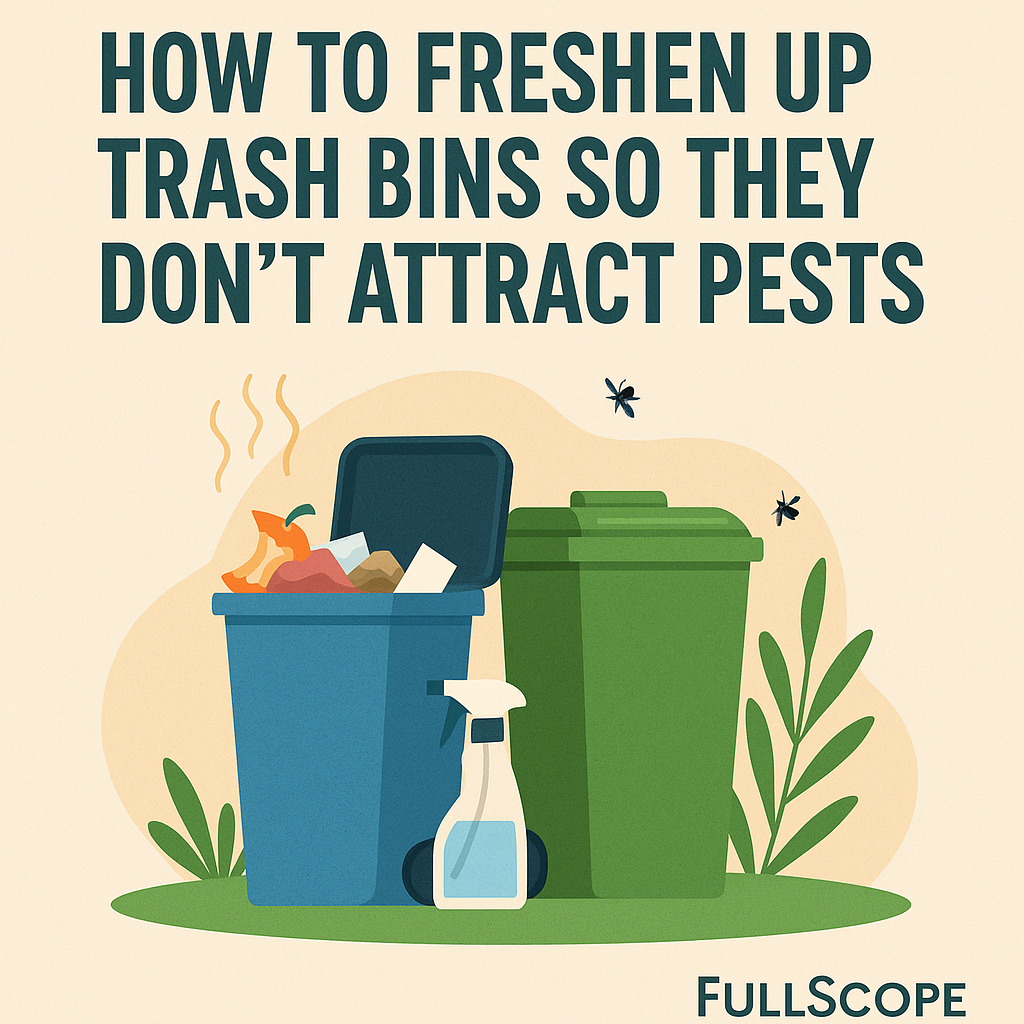
Credit: www.fullscopepestcontrol.com
Frequently Asked Questions
How Often Should I Clean And Disinfect Trash Bins?
Clean and disinfect trash bins at least once a week to prevent odors and bacteria buildup. More frequent cleaning is needed if bins hold food waste or organic materials.
What Materials Are Best For Cleaning Trash Bins?
Use warm water, mild detergent, and a brush to clean bins. For disinfecting, use diluted bleach or a commercial disinfectant safe for plastic or metal surfaces.
Can I Use Natural Cleaners To Disinfect Trash Bins?
Yes, natural cleaners like vinegar and baking soda effectively deodorize and kill germs. They are eco-friendly and safe for regular use on trash bins.
How Do I Prevent Bad Odors In Trash Bins?
Regular cleaning, disinfecting, and using bin liners help prevent odors. Also, rinse bins after trash removal and keep lids closed to reduce smell.
Conclusion
Keeping trash bins clean is essential for a healthy home. Regular cleaning prevents unpleasant odors and bacteria buildup. Use soap and water for a basic clean. Disinfect with a mild bleach solution for added safety. Always dry bins completely to prevent mold.
Consider using liners to make cleaning easier. A clean bin keeps pests away, too. Make this routine a part of your monthly chores. Your home will smell fresher and feel more welcoming. Clean bins contribute to a healthier environment. A simple task with big benefits.
Enjoy a cleaner, healthier space.