
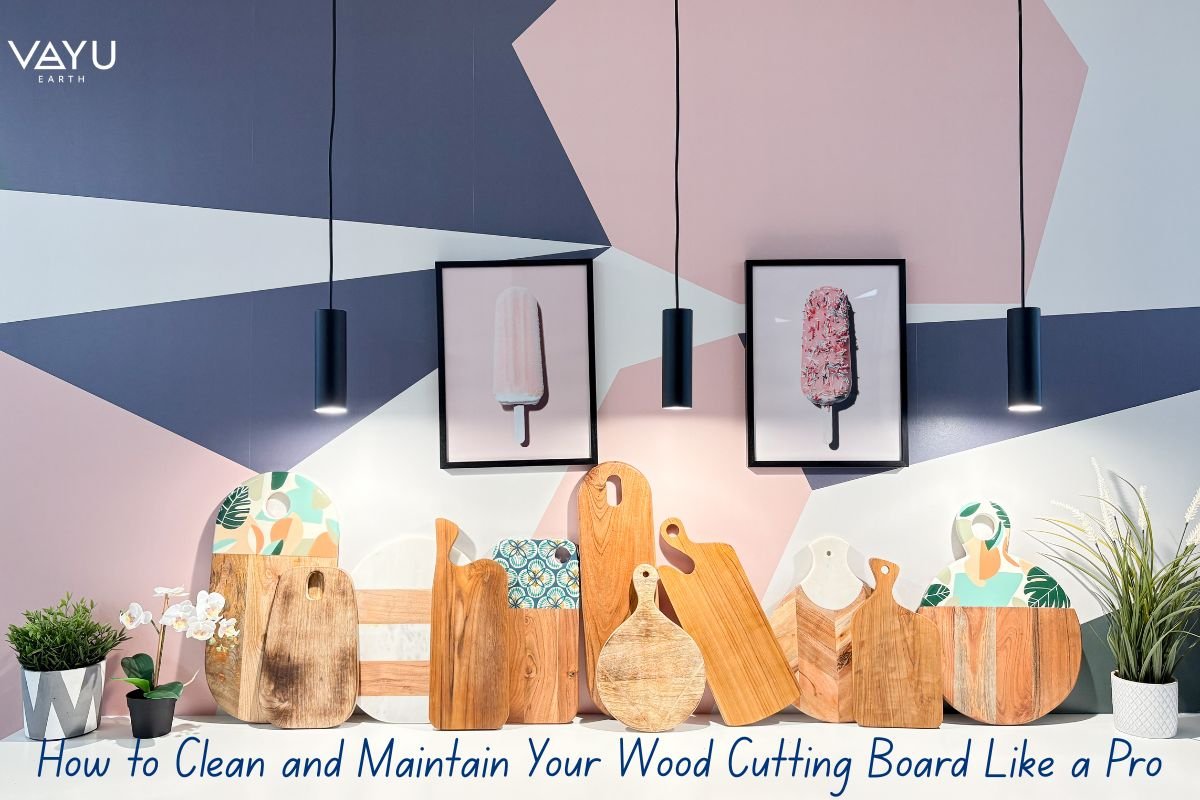
Your cutting board is one of the busiest tools in your kitchen. But if it’s not clean, it can become a hidden source of germs and bacteria.
Knowing how to maintain clean cutting boards is key to keeping your food safe and your kitchen fresh. You’ll discover simple, effective tips that make cleaning and caring for your cutting boards easy—so you can cook with confidence every time.
Keep reading to protect your family and extend the life of your favorite kitchen companion.

Credit: www.amazon.co.uk
Choosing The Right Cutting Board
Picking the right cutting board helps keep your kitchen clean and safe. Different boards suit different needs and foods.
Cleaning is easier when you choose a board that fits your cooking style. Consider material, size, and thickness.
Wood Vs Plastic
Wood cutting boards are natural and gentle on knives. Plastic boards are lightweight and often dishwasher safe.
Wood can absorb liquids but can be cleaned well with proper care. Plastic boards may scratch more easily but dry faster.
- Wood:Durable, needs hand washing, can last long
- Plastic:Easy to sanitize, may wear out quicker
Material Pros And Cons
Each material has good and bad points. Think about what matters most to you for cleaning and use.
- Wood Pros:Natural look, knife-friendly, lasts long
- Wood Cons:Needs careful cleaning, can stain
- Plastic Pros:Dishwasher safe, lightweight, stain resistant
- Plastic Cons:Can get knife marks, less durable
Size And Thickness
Choose a size that fits your kitchen space and cooking needs. Bigger boards offer more room but take more space.
Thicker boards are more stable and last longer. Thin boards are easier to store but may warp or slide during use.
- Large size: Good for big meals, needs more cleaning
- Small size: Easy to handle, best for quick tasks
- Thick board: Strong and stable
- Thin board: Lightweight but less sturdy

Credit: www.lysol.com
Daily Cleaning Techniques
Keeping your cutting boards clean every day helps stop germs. Dirt and food bits can hide in the board’s surface. Daily cleaning keeps your kitchen safe and fresh.
Use easy methods to wash and disinfect cutting boards. This stops bacteria from spreading and keeps your food healthy.
Washing With Soap And Water
Wash your cutting board with hot soapy water after each use. Scrub both sides well to remove all food particles. Rinse with clean water to wash away soap.
- Use a sponge or brush with dish soap.
- Scrub all surfaces thoroughly.
- Rinse under hot running water.
- Dry the board with a clean towel or air dry.
Using Vinegar And Baking Soda
Vinegar and baking soda are natural cleaners that kill germs. Use them to clean and deodorize your cutting board safely.
Follow these steps for a deep clean:
- Sprinkle baking soda over the board.
- Spray or pour white vinegar on top.
- Let the mixture bubble for a few minutes.
- Scrub gently with a brush or sponge.
- Rinse well with warm water and dry.
Avoiding Cross-contamination
Cross-contamination spreads bacteria between foods. Use separate cutting boards or clean between uses to stay safe.
| Food Type | Recommended Board Color | Cleaning Tip |
|---|---|---|
| Raw Meat | Red | Clean immediately with hot soapy water. |
| Vegetables | Green | Use separate board or wash well before reuse. |
| Cooked Food | White or Clear | Keep separate to avoid germs from raw foods. |
Deep Cleaning Methods
Cutting boards need deep cleaning to stay safe and last longer. Regular washing is not enough to kill all germs.
Use strong cleaning methods to remove bacteria and stains. These methods help keep your kitchen healthy.
Sanitizing With Bleach
Bleach is a powerful sanitizer for cutting boards. It kills germs that regular soap cannot remove.
- Mix one tablespoon of bleach with one gallon of water.
- Soak the cutting board in the solution for a few minutes.
- Rinse the board well with clean water.
- Let it air dry completely before use.
Using Hydrogen Peroxide
Hydrogen peroxide is a safe alternative to bleach. It breaks down bacteria and removes stains.
| Step | Action |
|---|---|
| 1 | Pour 3% hydrogen peroxide on the cutting board. |
| 2 | Spread it evenly with a clean cloth or sponge. |
| 3 | Let it sit for 10 minutes to disinfect. |
| 4 | Rinse with water and dry fully before use. |
Dishwasher Safety
Many plastic cutting boards are dishwasher safe. The hot water and detergent kill germs well.
- Check if your cutting board is labeled dishwasher safe.
- Place the board on the top rack for best cleaning.
- Use a full wash cycle with hot water.
- Remove and dry the board completely after the cycle.
Preventing Bacteria Build-up
Cutting boards can hold bacteria if not cleaned and cared for properly. Keeping them clean stops germs from spreading to your food.
Using safe methods helps your cutting boards last longer and keeps your kitchen healthy.
Regular Oil Treatments
Wood cutting boards need oil to stay strong and resist water. Oil fills tiny cracks where bacteria can hide.
- Use food-grade mineral oil for best results.
- Apply oil with a clean cloth once a month or after heavy use.
- Let the oil soak in for a few hours or overnight.
- Wipe off any extra oil to avoid sticky surfaces.
Proper Drying Practices
Drying your cutting board correctly stops moisture from building up. Moisture helps bacteria grow fast.
| Drying Method | Why It Helps |
| Air dry upright | Allows air to flow on all sides |
| Use a clean towel | Removes surface water quickly |
| Avoid stacking wet boards | Prevents trapped moisture |
Storage Tips
Where and how you store your cutting board can stop bacteria growth. Keep it dry and clean.
- Store cutting boards in a dry place away from the sink.
- Keep them upright to let air circulate.
- Do not store boards inside closed cabinets when wet.
- Use separate boards for meat and vegetables to avoid cross-contamination.
Replacing Cutting Boards
Cutting boards wear out over time and need replacement to keep your kitchen safe.
Replacing old boards helps prevent bacteria buildup and keeps food preparation clean.
Signs Of Wear And Damage
Look for cracks, deep grooves, or warping on your cutting board surface.
- Cracks can trap bacteria and are hard to clean.
- Deep cuts can cause uneven surfaces and damage knives.
- Warped boards do not sit flat, making cutting unsafe.
When To Replace
Replace your cutting board if you see damage or it smells bad after cleaning.
- If cracks or deep grooves appear, replace the board.
- Replace it if the board warps or no longer lies flat.
- Change boards if odors remain after washing.
- Replace wooden boards every 1-2 years for safety.
Choosing A New Board
| Material | Benefits | Considerations |
| Wood | Durable, gentle on knives | Needs regular oiling, can absorb moisture |
| Plastic | Easy to clean, dishwasher safe | Can get deep cuts quickly |
| Bamboo | Eco-friendly, hard surface | Can dull knives faster |
| Composite | Durable, low maintenance | Can be heavy and expensive |

Credit: www.amazon.ie
Frequently Asked Questions
How Often Should I Clean My Cutting Board?
You should clean your cutting board after every use. This prevents bacteria buildup and cross-contamination. Use hot, soapy water and rinse thoroughly for best results.
What Is The Best Way To Disinfect Cutting Boards?
Disinfect cutting boards by using a solution of one tablespoon bleach per gallon of water. Soak for a few minutes, then rinse well. This kills harmful germs effectively.
Can I Put Wooden Cutting Boards In The Dishwasher?
No, wooden cutting boards should never go in the dishwasher. The heat and water cause warping and cracking. Instead, hand wash and dry immediately.
How Do I Remove Odors From Cutting Boards?
To remove odors, sprinkle baking soda on the board, scrub gently, and rinse. Lemon juice or vinegar can also neutralize smells naturally.
Conclusion
Keeping cutting boards clean is crucial for kitchen hygiene. Regular washing with soap and hot water helps. Always dry them completely to prevent bacteria growth. Use vinegar or lemon for natural disinfection. Separate boards for raw meats and veggies. This prevents cross-contamination.
Remember to replace heavily worn or cracked boards. These can harbor germs. A clean cutting board ensures safe food preparation. It also keeps your meals healthy. Simple steps make a big difference. Keep these tips in mind for a safer kitchen.