
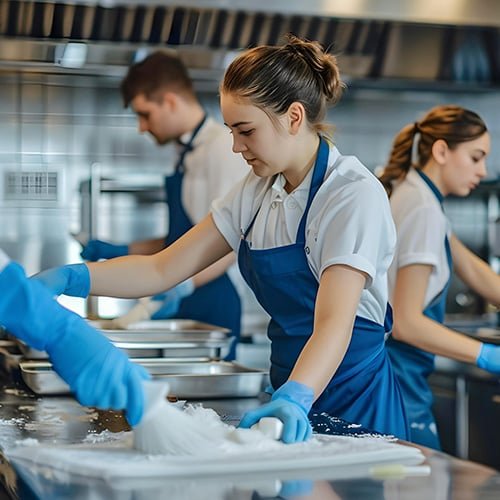
Your kitchen is the heart of your home, especially when you’re preparing meals for yourself and your loved ones. But have you ever stopped to think about how clean and safe your kitchen really is during meal prep?
A few simple habits can protect you from harmful bacteria and keep your food fresh and tasty. You’ll discover easy, practical tips to maintain kitchen hygiene that anyone can follow. By the time you finish reading, you’ll feel confident that your kitchen is not just clean—but truly safe for every meal you make.
Let’s get started!
Clean Surfaces Regularly
Keeping your kitchen surfaces clean helps stop germs from spreading. Clean surfaces make food safer to prepare.
Regular cleaning is key during meal preparation. It reduces the risk of foodborne illness.
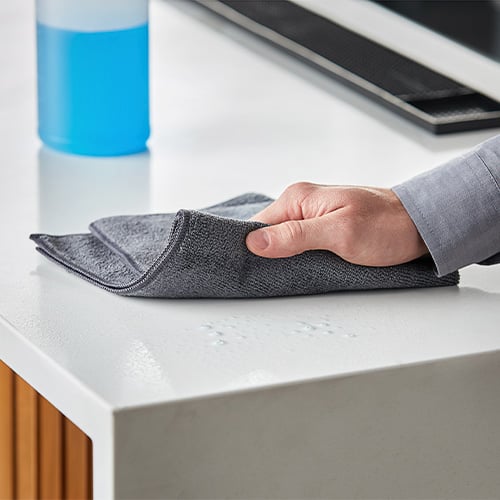
Sanitize Countertops
Use a kitchen-safe sanitizer to clean countertops. Wipe them before and after cooking to remove bacteria and dirt.
- Clear all items from the surface.
- Spray sanitizer evenly on the countertop.
- Let it sit for a few minutes.
- Wipe with a clean cloth or paper towel.
Disinfect Cutting Boards
Cutting boards can hold germs from raw food. Clean and disinfect them carefully to keep food safe.
| Type | Cleaning Method | Disinfection Tips |
| Wood | Wash with hot, soapy water | Use diluted vinegar or baking soda paste |
| Plastic | Wash in dishwasher or hot, soapy water | Apply bleach solution (1 tbsp bleach per 1 gallon water) |
| Bamboo | Wash with warm water, avoid soaking | Use lemon juice for natural disinfecting |
Wipe Down Appliances
Appliances get dirty from food and dust. Clean them often to stop germs and keep them working well.
- Unplug appliances before cleaning.
- Use a damp cloth with mild soap to wipe surfaces.
- Clean knobs, handles, and buttons carefully.
- Dry with a clean towel to avoid water damage.
Practice Proper Hand Hygiene
Keeping your hands clean is very important during meal preparation. Clean hands help stop germs from spreading to food.
Good hand hygiene protects you and your family from getting sick. It is easy to follow and keeps the kitchen safe.
Wash Hands Before Cooking
Always wash your hands before you start cooking. Use warm water and soap for at least 20 seconds.
Make sure to clean between your fingers and under your nails. Rinse well and dry with a clean towel.
- Wet hands with warm water
- Apply enough soap to cover all surfaces
- Rub hands for 20 seconds
- Rinse hands under running water
- Dry hands with a clean towel
Avoid Touching Face
Try not to touch your face while cooking. Your hands can carry germs to your eyes, nose, or mouth.
Touching your face spreads bacteria and can cause food contamination. Keep your hands away from your face.
- Keep hands busy with cooking tasks
- Use a clean towel if you must wipe your face
- Wash hands again if you touch your face
Use Gloves When Needed
Wear gloves if you have cuts or sores on your hands. Gloves help stop germs from spreading to food.
Change gloves often, especially after handling raw meat or touching dirty surfaces. Never reuse gloves.
- Put on clean gloves before food prep
- Change gloves after raw meat contact
- Remove gloves before touching clean items
- Wash hands before and after using gloves
Separate Raw And Cooked Foods
Keeping raw and cooked foods apart is important for kitchen hygiene. It stops germs from raw food from spreading to cooked food.
This helps prevent food poisoning and keeps meals safe to eat. Always handle raw and cooked foods with care.
Use Different Utensils
Use separate knives, cutting boards, and spoons for raw and cooked foods. This stops germs from spreading between them.
Label or color-code utensils to know which ones are for raw or cooked items. Clean all utensils well after use.
- Raw food utensils: red or marked
- Cooked food utensils: green or marked
- Wash utensils with hot, soapy water
Store Foods Separately
Keep raw and cooked foods in different containers. Store raw foods below cooked foods in the fridge to avoid drips.
Use sealed containers to stop raw food juices from touching cooked food. This keeps food safe and fresh.
- Raw meat in sealed containers
- Cooked food covered tightly
- Place raw food on lower fridge shelves
Prevent Cross-contamination
Wash hands often when handling food to stop germs from spreading. Clean surfaces and utensils after contact with raw food.
Avoid touching cooked food with hands that touched raw food. Use gloves or wash hands before handling cooked meals.
- Wash hands for 20 seconds with soap
- Clean surfaces with disinfectant
- Change gloves after raw food handling
Credit: www.webstaurantstore.com
Keep Kitchen Tools Clean
Keeping kitchen tools clean is very important during meal prep. Dirty tools can spread germs and cause foodborne illnesses.
Regular cleaning helps keep your kitchen safe and your meals healthy. It also makes cooking easier and more enjoyable.
Wash Knives And Utensils
Wash knives and utensils right after use. Use hot water and soap to remove food particles and bacteria.
Dry them well to avoid rust and keep them sharp. Never leave knives soaking in the sink.
Clean Sponges And Cloths
Sponges and cloths hold many germs. Rinse them well after use and let them dry completely.
Replace sponges weekly or clean them in the microwave or dishwasher to kill bacteria.
Replace Worn-out Tools
Old and worn-out tools can hide dirt and bacteria. Check your kitchen tools regularly.
Replace items like cutting boards, knives, and brushes if they are cracked or damaged.
- Cracked cutting boards can trap bacteria
- Dull knives are harder to clean
- Worn brushes lose cleaning power
Manage Food Storage Properly
Keeping your kitchen clean means storing food the right way. Proper storage helps stop germs and keeps food fresh longer.
Good food storage makes meal prep safe and easy. It saves money by reducing waste.
Use Airtight Containers
Airtight containers keep food fresh and stop bugs. They stop air from making food spoil fast.
Use containers made for food storage. Glass or BPA-free plastic works well.
- Seal containers tightly after use
- Store dry foods like rice and pasta in airtight boxes
- Keep leftovers in small, sealed containers
Label And Date Foods
Labeling foods helps you know what is inside each container. Dating tells you when you stored it.
This habit stops you from eating spoiled food. It also helps use older food first.
- Write the food name on the container
- Add the storage date clearly
- Use a permanent marker or label stickers
Store Perishables In Fridge
Perishable foods like meat, dairy, and fresh vegetables need cold storage. Keep them in the fridge.
Set your fridge at or below 40°F (4°C) to keep food safe. Store raw meat at the bottom to avoid drips.
- Use separate shelves for different food types
- Do not overcrowd the fridge to allow air flow
- Keep fruits and vegetables in separate drawers
Credit: www.carawayhome.com
Maintain Waste Disposal
Keeping your kitchen clean during meal prep is very important. Proper waste disposal helps stop germs and bad smells.
Good habits in handling trash make your kitchen safer and more pleasant to work in.
Empty Trash Frequently
Throw away kitchen waste often. Full trash cans attract bugs and cause bad smells.
Empty your trash at least once a day or more if needed. This keeps your kitchen clean and fresh.
Use Covered Bins
Use bins with lids to keep waste covered. This stops flies and pests from getting inside.
Covered bins also help keep odors from spreading in the kitchen during meal prep.
Clean Garbage Area
Clean the area around your trash bins regularly. Spills and crumbs attract pests and germs.
Use warm water and soap to wash the garbage area at least once a week to keep it hygienic.
Control Kitchen Pests
Keeping your kitchen clean helps stop pests from invading. Pests like insects and rodents can carry germs. Controlling them keeps food safe and your kitchen healthy.
Simple steps can reduce pest problems. Focus on blocking entry, covering food, and using natural repellents.
Seal Entry Points
Close gaps and cracks where pests enter your kitchen. Check walls, doors, and windows for holes. Use caulk or weather stripping to seal these spots.
Also, fix any broken screens or vents. Sealing entry points stops pests from getting inside.
Keep Food Covered
Cover food containers tightly to block pests. Use lids, plastic wrap, or airtight boxes. This prevents pests from smelling and reaching food.
Clean spills and crumbs right away. Leaving food out invites pests to your kitchen.
Use Natural Repellents
Natural repellents keep pests away without chemicals. Use herbs like mint, basil, or lavender near food areas. Pests dislike their smell.
- Place peppermint oil drops on cotton balls
- Grow basil or mint in small pots
- Sprinkle cinnamon or cloves near entry points
Credit: www.newsbytesapp.com
Frequently Asked Questions
How Often Should I Clean Kitchen Surfaces During Meal Prep?
Clean kitchen surfaces before, during, and after meal prep to avoid contamination. Use warm, soapy water or disinfectant wipes for effective cleaning. Frequent cleaning prevents bacteria buildup and keeps food safe.
What Is The Best Way To Handle Raw Meat Safely?
Always wash hands before and after handling raw meat. Use separate cutting boards and utensils to avoid cross-contamination. Cook meat to recommended temperatures to kill harmful bacteria.
How Can I Keep Kitchen Tools Hygienic During Cooking?
Wash knives, cutting boards, and utensils immediately after use with hot, soapy water. Use a dishwasher if available. Dry tools thoroughly before storing to prevent bacterial growth.
Why Is Handwashing Important During Meal Preparation?
Handwashing removes germs and prevents foodborne illnesses. Wash hands with soap and water for at least 20 seconds before cooking and after handling raw food or garbage.
Conclusion
Keeping your kitchen clean is vital for healthy meals. Simple habits can help. Wash hands before handling food. Clean surfaces often. Store food properly to avoid spoilage. Use separate cutting boards for raw meat and veggies. This prevents cross-contamination. Regularly check your fridge and pantry for expired items.
Dispose of them immediately. Clean spills promptly to deter pests. These practices ensure a safe cooking environment. They protect your family’s health. Start today for a cleaner kitchen. Your meals will taste better and be safer. Enjoy cooking with confidence and peace of mind.