
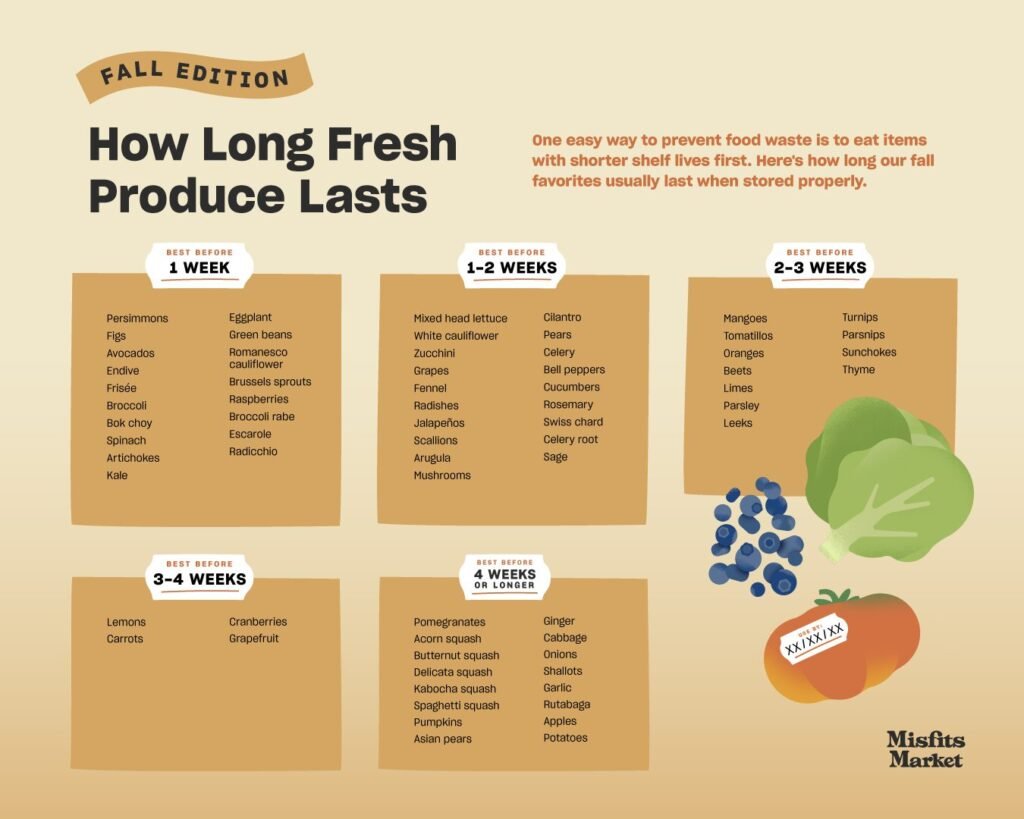
Are you tired of your fresh vegetables going bad too quickly? Storing vegetables safely can save you money, reduce waste, and keep your meals tasting great.
But did you know that the way you store each type of vegetable can make a huge difference in how long it stays fresh? You’ll discover simple, effective tips to keep your veggies crisp and full of flavor. Stick with me, and you’ll never have to toss spoiled produce again!

Credit: www.amazon.com
Choosing Fresh Vegetables
Choosing fresh vegetables is important for safe storage and good taste. Fresh veggies last longer and keep their nutrients.
Knowing how to pick fresh vegetables helps you avoid spoiled or bad-tasting produce. It makes your meals better and safer.
Signs Of Freshness
Fresh vegetables have clear signs that show they are good to eat. Look for these signs before buying or storing them.
- Firm texture without soft spots or bruises
- Bright and vibrant color without dullness
- Fresh smell with no sour or rotten odor
- Leaves and stems look crisp, not wilted
- Skin is smooth and free of cracks or cuts
Best Vegetables For Storage
Some vegetables store better than others. Choose these to keep longer and reduce waste.
- Carrots – keep fresh in cool, moist places
- Potatoes – store in a dark, dry area
- Onions – last long in a cool, dry spot
- Cabbage – stays fresh in the fridge for weeks
- Beets – store well in cool, moist conditions
Credit: www.chefsplate.com
Preparing Vegetables For Storage
Properly preparing vegetables helps keep them fresh longer. Cleaning and trimming are key steps.
Good preparation stops spoilage and maintains flavor. Follow simple steps to prepare your vegetables.
Washing Techniques
Wash vegetables to remove dirt and germs. Use cold water and gentle rubbing to clean them well.
Some vegetables need soaking, others just a quick rinse. Avoid using soap or chemicals on food.
- Use cold water to wash all vegetables
- Rub leafy greens gently to remove dirt
- Soak root vegetables for a few minutes
- Dry vegetables with a clean cloth or paper towel
Trimming And Cutting Tips
Trim off damaged or wilted parts before storage. Cut large vegetables into smaller pieces if needed.
Keep vegetables whole when possible to last longer. Use clean, sharp knives to avoid bruising.
- Remove bruised or soft spots carefully
- Cut leafy stems but keep leaves intact
- Slice only before cooking, not before storing
- Store trimmed vegetables in breathable containers
Ideal Storage Conditions
Storing vegetables properly helps keep them fresh longer. Good storage stops spoilage and waste.
Understanding the right conditions for temperature, humidity, and light is key. Each factor affects vegetable quality.
Temperature Settings
Most vegetables stay fresh between 32°F and 40°F (0°C to 4°C). Cold slows down decay and keeps crispness.
Some vegetables like tomatoes and potatoes do better at room temperature. Avoid freezing these as cold can damage texture.
Humidity Control
Humidity affects vegetable moisture levels. Too dry causes wilting, too wet causes mold.
- Leafy greens need high humidity (90-95%) to stay crisp.
- Root vegetables like carrots prefer moderate humidity (85-90%).
- Onions and garlic store best in low humidity (60-70%) to avoid sprouting.
Light Exposure
Light can cause vegetables to spoil faster. It may also change their color and flavor.
| Vegetable | Light Exposure |
|---|---|
| Carrots | Keep in dark place to prevent bitterness |
| Potatoes | Avoid light to stop greening and toxin build-up |
| Leafy Greens | Store away from direct light to slow wilting |
Storage Methods
Storing vegetables properly helps keep them fresh longer. Different vegetables need different methods to stay safe and tasty.
Learn about four common ways to store vegetables: refrigeration, freezing, root cellaring, and using airtight containers.
Refrigeration
Refrigeration slows down the spoilage of many vegetables. Keep most vegetables in the fridge’s crisper drawer. Wrap leafy greens in paper towels to absorb moisture.
- Store carrots and celery in water to keep them crisp.
- Keep tomatoes at room temperature to preserve flavor.
- Do not wash vegetables before refrigerating; wash before use.
Freezing
Freezing preserves vegetables for months. Blanch vegetables by boiling them briefly, then cool in ice water before freezing. This process stops enzymes that cause spoilage.
Use freezer bags or containers that seal tightly to prevent freezer burn.
Root Cellaring
Root cellaring stores vegetables in a cool, dark, and humid place. This method works well for potatoes, onions, and carrots.
| Vegetable | Ideal Temperature | Humidity |
|---|---|---|
| Potatoes | 45-50°F (7-10°C) | 90-95% |
| Onions | 32-40°F (0-4°C) | 65-70% |
| Carrots | 32-40°F (0-4°C) | 90-95% |
Using Airtight Containers
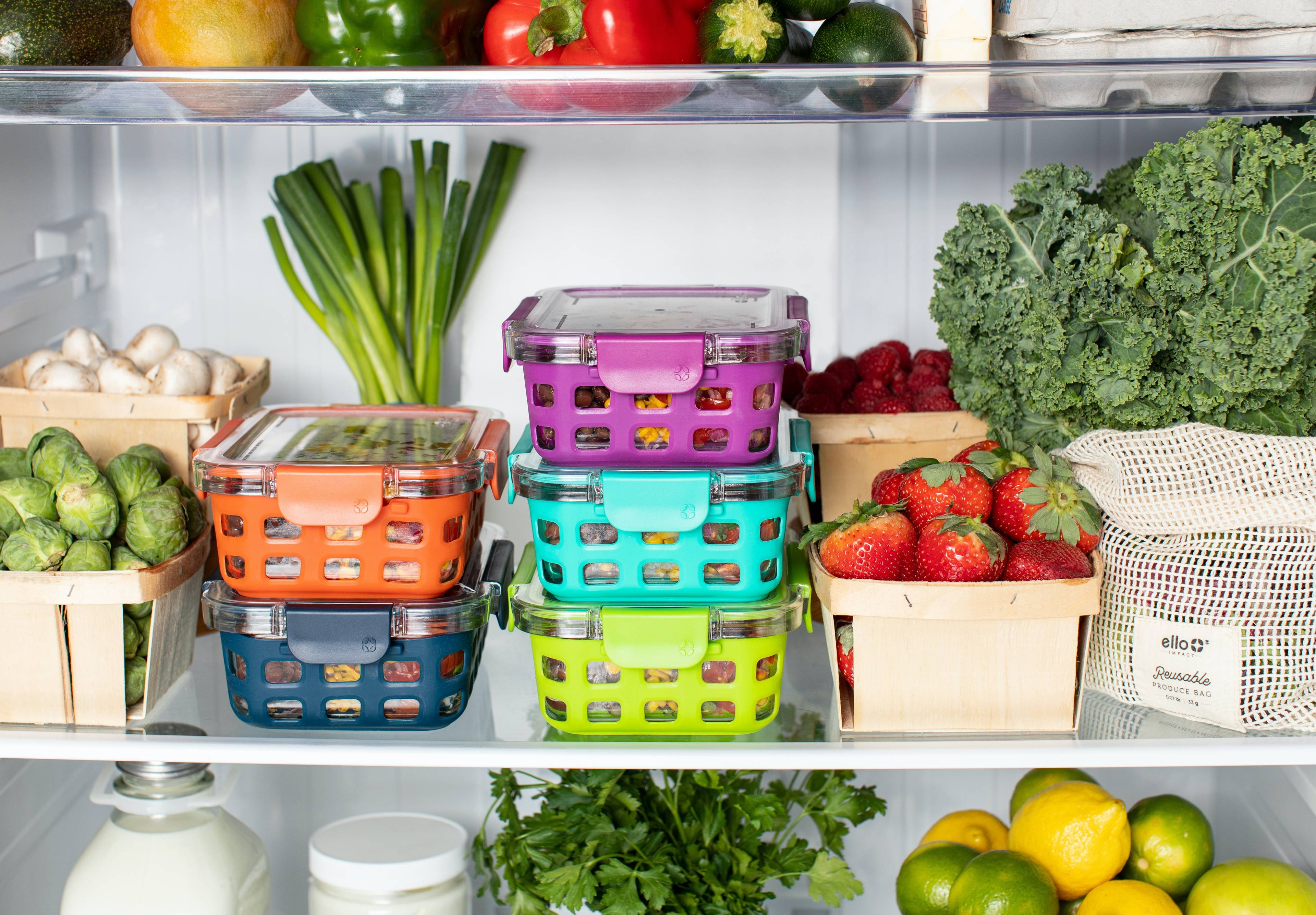
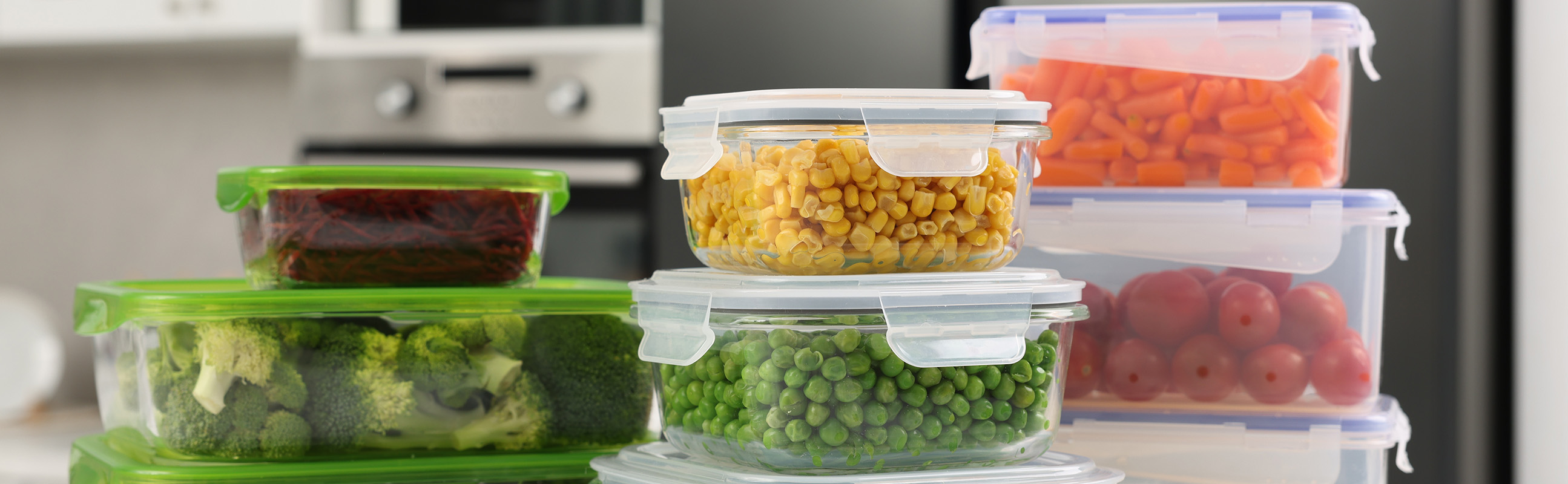
Airtight containers keep vegetables fresh by reducing air exposure. This method suits cut or peeled vegetables and herbs.
Tips for using airtight containers:
- Use containers made of glass or BPA-free plastic.
- Label containers with the date of storage.
- Store containers in the refrigerator for best results.
Common Mistakes To Avoid
Storing vegetables correctly keeps them fresh and tasty. Avoiding common mistakes helps reduce waste. Learn what to watch out for when you store veggies.
Simple changes in how you store vegetables can make a big difference. This guide covers key errors to avoid for better storage.
Overcrowding
Putting too many vegetables in one place blocks air flow. This causes moisture and mold to build up. Veggies spoil faster when overcrowded.
Give vegetables space to breathe. Use separate containers or shelves if needed. Check the fridge or storage area often.
Mixing Ethylene Producers And Sensitive Veggies
Some vegetables release ethylene gas. This gas speeds ripening and spoiling of other veggies nearby.
- Ethylene producers: tomatoes, avocados, peppers
- Sensitive vegetables: lettuce, broccoli, carrots
- Keep these groups apart in storage
- Use separate drawers or containers
Ignoring Storage Times
Each vegetable has a best storage time. Leaving them too long causes spoilage and waste.
| Vegetable | Ideal Storage Time |
| Carrots | 2-3 weeks |
| Spinach | 3-5 days |
| Potatoes | 1-2 months |
| Tomatoes | 1 week |
Credit: www.abt.com
Extending Freshness With Simple Tricks
Keeping vegetables fresh longer saves money and reduces waste. Simple storage tricks help maintain their taste and crunch.
Using the right tools and techniques in your fridge can keep veggies fresh for days or weeks. These tips are easy to follow.
Using Paper Towels
Paper towels absorb extra moisture that makes vegetables spoil faster. Wrapping veggies in paper towels keeps them dry and fresh.
Place a dry paper towel inside the storage container or bag with your vegetables. Replace the towel if it gets too damp.
- Wrap leafy greens in paper towels before storing
- Line containers with paper towels for cucumbers and peppers
- Keep paper towels dry to absorb moisture well
Wrapping In Foil Or Plastic
Wrapping vegetables in foil or plastic slows down air exposure. This helps keep them fresh by reducing drying out.
Use foil for vegetables like asparagus and broccoli. Use plastic wrap for cut vegetables and herbs to keep them moist.
- Wrap asparagus tips tightly in foil
- Cover cut vegetables with plastic wrap to seal in moisture
- Store wrapped veggies in the fridge for best results
Utilizing Freshness Preservers
Freshness preservers like special bags or containers control humidity. They create the best environment for vegetables to last longer.
These tools often have vents or absorb moisture. They help stop mold and slow down spoiling for many veggies.
- Use produce bags with breathable vents
- Try containers with moisture control inserts
- Check freshness preserver instructions for best use
Signs Vegetables Are Spoiling
Knowing when vegetables are spoiling helps avoid food waste and sickness. Spoiled vegetables lose their freshness and may cause bad taste or smell.
Look for signs like changes in color, smell, and texture. These clues tell you if vegetables are safe to eat or need to be discarded.
Visual Indicators
Check vegetables for spots, mold, or discoloration. These are common signs that vegetables are going bad.
- Dark or soft spots on the skin
- White or green fuzzy mold
- Color changes from fresh to dull or brown
- Wrinkled or shriveled appearance
Smell Changes
Fresh vegetables have a mild, earthy smell. Spoiled vegetables often smell sour, rotten, or musty.
| Smell Type | Meaning |
| Fresh and mild | Good to eat |
| Sour or fermented | Starting to spoil |
| Rotten or foul | Not safe to eat |
| Musty or moldy | Contains mold, discard |
Texture Alterations
Feel the vegetable’s surface. Spoiling causes texture changes that affect quality and safety.
- Soft or mushy spots instead of firm texture
- Slimy or sticky coating on the surface
- Dry, brittle, or cracked skin
- Wilting or limp leaves on leafy vegetables
Frequently Asked Questions
How Long Can Vegetables Stay Fresh In The Fridge?
Most vegetables last 1 to 2 weeks refrigerated. Leafy greens keep 3 to 7 days. Proper storage in breathable bags extends freshness. Check each vegetable’s specific shelf life for best results. Avoid washing before storage to prevent moisture buildup.
What Is The Best Way To Store Root Vegetables?
Store root vegetables in a cool, dark, and dry place. Use a ventilated container or basket. Avoid direct sunlight and moisture to prevent spoilage. Keep them separate from fruits that emit ethylene gas, which can cause early spoilage.
Can Vegetables Be Frozen To Keep Them Fresh Longer?
Yes, freezing preserves vegetables for months. Blanch vegetables before freezing to maintain texture and nutrients. Store in airtight containers or freezer bags. Label with date for easy tracking. Use frozen vegetables within 8 to 12 months for best quality.
Should Vegetables Be Washed Before Storing?
Avoid washing vegetables before storing to prevent mold and rot. Wash just before use to keep them fresh longer. Moisture speeds up spoilage by encouraging bacteria growth. Dry vegetables thoroughly if washing is necessary before storage.
Conclusion
Storing vegetables safely keeps them fresh and nutritious. Use airtight containers for leafy greens. Keep root vegetables in a cool, dark place. Refrigerate those that need it. Always separate fruits and vegetables to prevent spoilage. Wash them only before use to avoid moisture damage.
Check stored veggies regularly for freshness. Proper storage prevents waste and saves money. Fresh vegetables mean healthier meals for your family. Follow these tips to enjoy fresh produce longer. Happy storing and healthier meals await!