
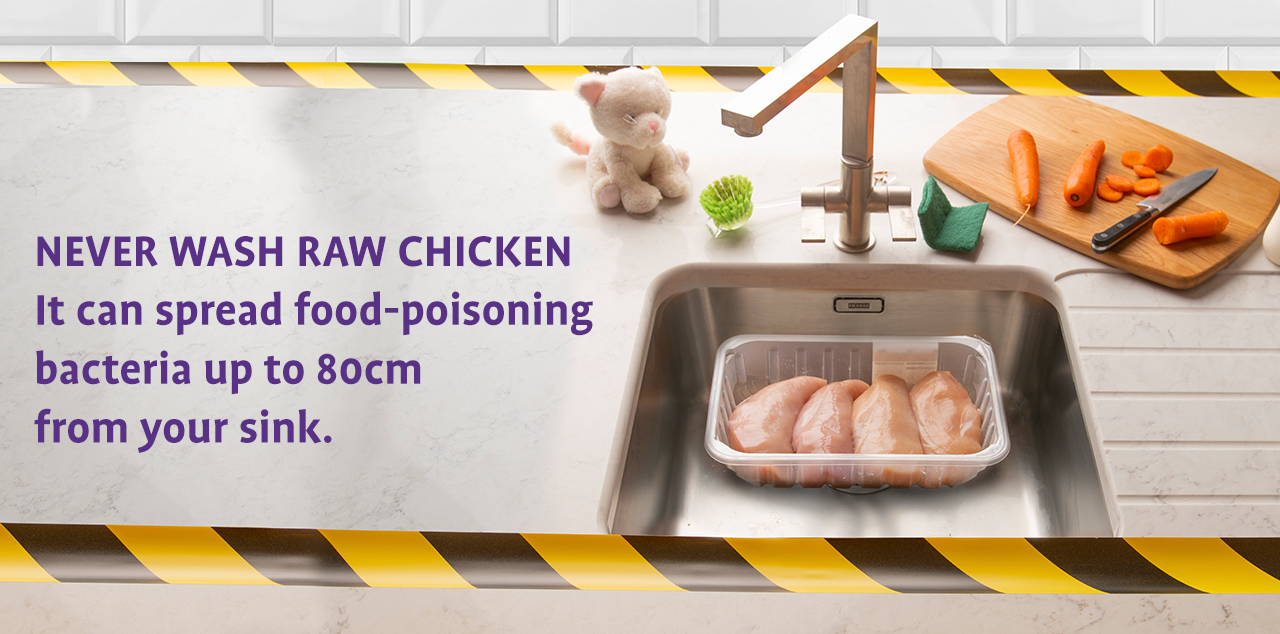
Handling raw poultry safely is something you can’t afford to overlook. If you don’t, harmful bacteria can easily spread in your kitchen, putting your health at risk.
But don’t worry—by following a few simple steps, you can protect yourself and your loved ones from foodborne illnesses. This guide will show you exactly how to handle raw poultry hygienically, so you can cook with confidence and keep your kitchen safe.
Keep reading, because your health depends on it.
Credit: www.rnz.co.nz
Risks Of Raw Poultry
Handling raw poultry requires care to avoid foodborne illnesses. Raw poultry can carry harmful bacteria that cause sickness.
Knowing the risks helps you keep food safe and protect your health and family.
Common Bacteria In Poultry
Raw poultry often contains bacteria that can cause serious illness. The main bacteria to watch for are Salmonella, Campylobacter, and Clostridium perfringens.
- Salmonella:Causes diarrhea, fever, and stomach cramps.
- Campylobacter:Leads to diarrhea, cramps, and fever.
- Clostridium perfringens:Can cause food poisoning with cramps and diarrhea.
Health Consequences Of Contamination
Eating or touching contaminated poultry can cause infections. Symptoms can range from mild to severe and may need medical care.
| Symptom | Description | Possible Outcome |
| Diarrhea | Loose, watery stools | Dehydration |
| Fever | High body temperature | Weakness |
| Stomach Cramps | Sharp abdominal pain | Discomfort |
| Nausea | Feeling sick to the stomach | Vomiting |
| Severe Infection | Spread of bacteria in body | Hospitalization |

Credit: www.youtube.com
Safe Storage Practices
Storing raw poultry safely helps stop germs from spreading. It also keeps your food fresh longer.
Good storage lowers the risk of food poisoning. Learn how to store poultry correctly.
Proper Refrigeration Temperatures
Keep raw poultry cold to slow bacterial growth. The fridge should be at or below 40°F (4°C).
Use a fridge thermometer to check the temperature often. Do not leave poultry out at room temperature.
- Store poultry in the coldest part of the fridge
- Do not overload the fridge to allow air circulation
- Use or freeze poultry by the use-by date on the package
Separating Raw Poultry From Other Foods
Keep raw poultry away from ready-to-eat foods. This prevents cross-contamination with harmful germs.
Store raw poultry on the bottom shelf of the fridge. This stops juices from dripping on other foods.
- Use separate cutting boards for poultry and other foods
- Wash hands and surfaces after handling raw poultry
- Keep poultry in sealed containers or bags
Handling Techniques
Handling raw poultry carefully is important to stop germs from spreading. Safe handling keeps your kitchen clean and food healthy.
Use good habits to keep your hands, tools, and surfaces free of bacteria. This helps prevent food sickness.
Washing Hands And Surfaces
Always wash your hands before and after touching raw poultry. Use warm water and soap for at least 20 seconds.
Clean all surfaces that raw poultry touched. Use hot, soapy water or a disinfectant to kill germs.
- Wash hands with soap and warm water
- Scrub under nails and between fingers
- Clean cutting boards, counters, and knives
- Use paper towels or clean cloths to dry
Using Separate Utensils And Cutting Boards
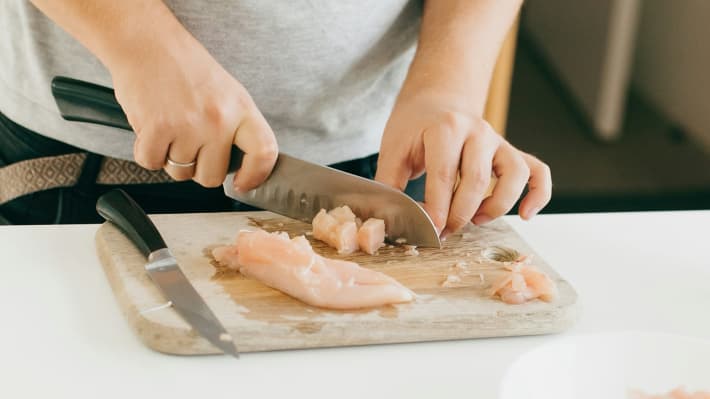
Use different knives and cutting boards for raw poultry. This stops germs from spreading to other foods.
Label or color-code utensils to keep them separate. Always wash them well after use.
- Keep poultry tools apart from vegetables and cooked foods
- Wash utensils and boards with hot, soapy water after each use
- Consider using plastic boards that are easy to sanitize
- Replace cutting boards if they get deep cuts or cracks

Credit: www.fsis.usda.gov
Cooking Guidelines
Cooking raw poultry safely is very important to avoid food illness. Proper cooking kills harmful bacteria.
Follow these simple guidelines to cook poultry safely and keep your family healthy.
Safe Internal Temperatures
Cook poultry to the right temperature to kill bacteria. Use a food thermometer to check.
The safe internal temperature for all poultry is 165°F (74°C). Check the thickest part of the meat.
- Insert the thermometer into the thickest part of the chicken or turkey.
- Avoid touching bones with the thermometer.
- Wait for the temperature to stabilize before reading.
- Cook leftovers to 165°F (74°C) before eating.
Avoiding Cross-contamination During Cooking
Keep raw poultry separate from other foods. This stops germs from spreading.
Clean all utensils, cutting boards, and surfaces after contact with raw poultry. Use hot, soapy water.
- Use separate cutting boards for poultry and vegetables.
- Wash hands with soap for 20 seconds after handling raw poultry.
- Do not reuse marinades used on raw poultry unless boiled first.
- Cook poultry immediately after preparing to avoid bacteria growth.
Cleaning And Disposal
Handling raw poultry safely is important to avoid food poisoning. Proper cleaning and disposal help stop germs from spreading in your kitchen.
Follow simple steps to clean tools and throw away packaging and leftovers the right way.
Sanitizing Kitchen Tools
Use hot water and soap to wash knives, cutting boards, and utensils after cutting raw poultry. This removes bacteria and dirt.
- Rinse tools under hot running water first.
- Scrub with dish soap and a brush or sponge.
- Rinse again with hot water to remove soap.
- Soak tools in a sanitizing solution for a few minutes.
- Let tools air dry completely before using again.
Proper Disposal Of Packaging And Leftovers
Throw away raw poultry packaging and any leftover meat carefully. This prevents germs from spreading to other foods and surfaces.
| Item | Disposal Method |
| Plastic wrap and trays | Seal in a plastic bag before throwing in the trash |
| Leftover raw poultry pieces | Wrap tightly and dispose in a covered bin |
| Paper towels used for cleaning | Place in a sealed trash bag immediately |
| Kitchen waste bin | Empty frequently and clean regularly with disinfectant |
Frequently Asked Questions
How Should I Store Raw Poultry Safely?
Store raw poultry in the coldest part of the refrigerator at 40°F or below. Keep it in a sealed container to prevent leaks. Use it within 1-2 days or freeze for longer storage to maintain freshness and prevent bacterial growth.
What Is The Best Way To Clean Raw Poultry?
Avoid washing raw poultry as it spreads bacteria. Instead, cook poultry thoroughly to kill harmful germs. Clean surfaces and utensils with hot, soapy water after contact with raw poultry to maintain hygiene and prevent cross-contamination.
How Can I Avoid Cross-contamination With Raw Poultry?
Use separate cutting boards and utensils for raw poultry. Wash hands thoroughly with soap and water after handling. Clean all surfaces immediately to prevent bacteria from spreading to other foods and kitchen areas.
What Temperature Should Poultry Be Cooked To?
Cook poultry to an internal temperature of 165°F (74°C) to kill harmful bacteria. Use a food thermometer to check the thickest part of the meat for safety. Proper cooking ensures it is safe to eat and juicy.
Conclusion
Handling raw poultry safely is crucial for health. Always wash hands thoroughly after touching raw chicken. Use separate cutting boards to avoid cross-contamination. Cook poultry to the right temperature. This kills harmful bacteria. Store raw chicken properly in the fridge.
Keep it away from other foods. These steps prevent foodborne illnesses. Keep your kitchen clean and sanitized. Regularly disinfect surfaces and utensils. Safe poultry handling ensures delicious, worry-free meals. Practice these tips every time. Enjoy your cooking with confidence and peace of mind.
Stay healthy and safe.