
Are you tired of your fresh vegetables spoiling too quickly? Knowing how to store vegetables safely can save you money and keep your meals tasty and nutritious.
You’ll discover simple, effective tips that anyone can use to extend the life of your veggies. Imagine reaching into your fridge and finding crisp, fresh produce every time—no more wasted food or last-minute grocery runs. Keep reading, and you’ll learn the secrets to making your vegetables last longer and stay fresher than ever before.
Choosing The Right Vegetables
Storing vegetables safely starts with choosing the right ones. Picking fresh, undamaged produce helps keep vegetables fresh longer.
Knowing which vegetables store well can save you money and reduce waste. Some vegetables last longer than others when stored properly.
Pick Fresh And Undamaged Produce
Look for vegetables that are firm and free from bruises or cuts. Avoid those with soft spots, mold, or discoloration.
- Choose bright-colored vegetables with no signs of wilting.
- Smell fresh vegetables; avoid any with sour or off odors.
- Pick vegetables that feel heavy for their size.
- Avoid produce with cracks or broken skin.
Know Vegetables That Store Well
| Vegetable | Storage Method | Approximate Storage Time |
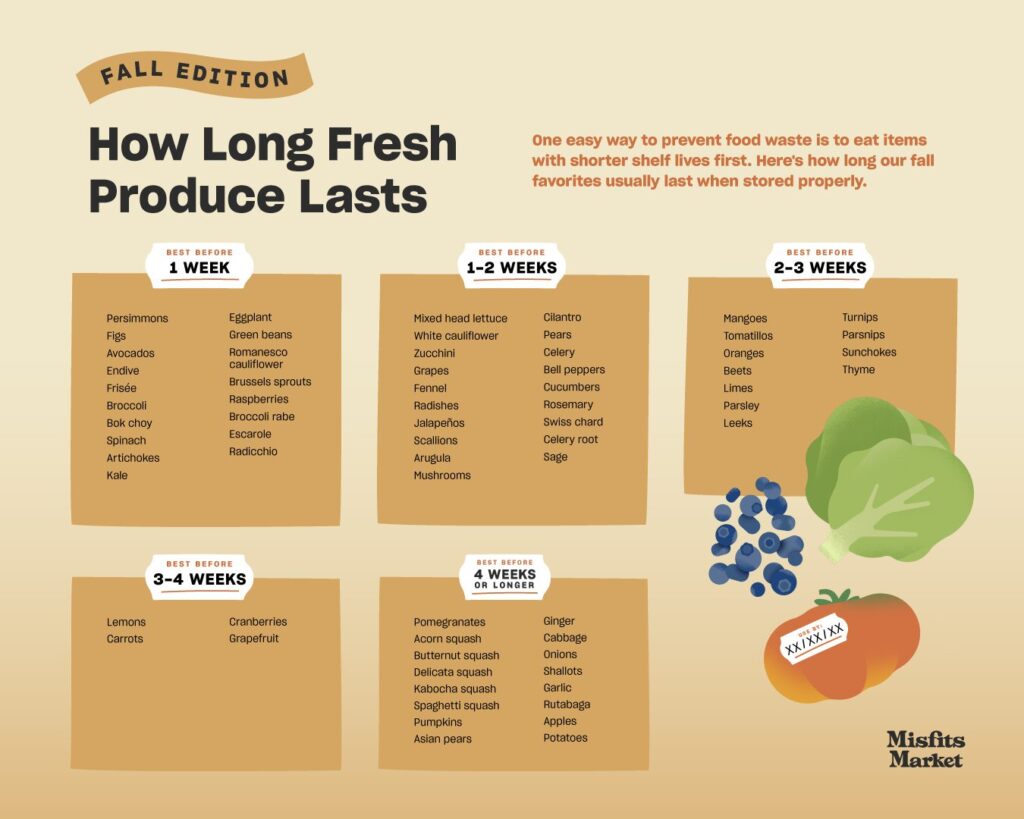
| Carrots | Refrigerate in a plastic bag | 3-4 weeks |
| Potatoes | Store in a cool, dark place | 1-2 months |
| Onions | Store in a ventilated basket | 1 month |
| Winter Squash | Keep in a cool, dry area | 2-3 months |
| Leafy Greens | Wrap in damp paper towel, refrigerate | 1 week |

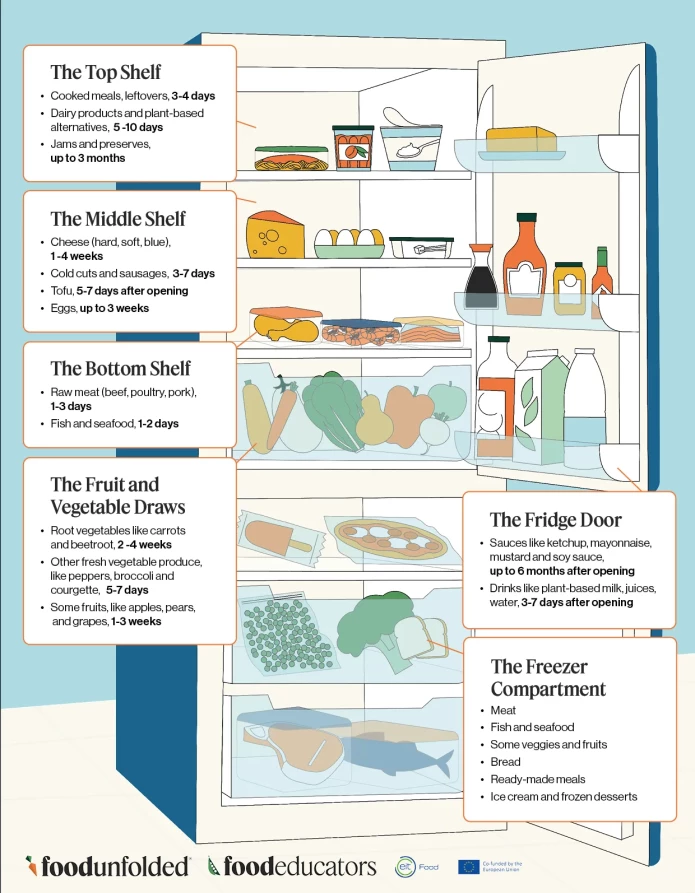
Credit: www.reddit.com
Proper Cleaning Techniques
Cleaning vegetables properly is important to keep them fresh and safe. Dirt and germs can cause food to spoil or make you sick.
Knowing how and when to wash your vegetables helps keep them clean without damaging their quality.
Wash Before Or After Storage
Some vegetables should be washed before storing. This removes soil and insects that cause decay. Others last longer if kept dry until use.
Leafy greens and herbs often need washing right before eating. Washing them too early can make them spoil faster.
- Wash root vegetables like carrots and potatoes before storage.
- Keep tomatoes and peppers dry until use.
- Wash leafy vegetables just before eating.
Use Safe Cleaning Solutions
Use clean, cold water to wash most vegetables. Avoid soaps or detergents that can leave harmful residues.
You can use natural solutions like diluted vinegar to help remove bacteria. Rinse well with water afterward to remove any taste.
- Use cold, clean water for washing.
- Mix one part vinegar with three parts water for a natural wash.
- Rinse vegetables with plain water after washing.
- Do not use soap or bleach on vegetables.
Ideal Storage Conditions
Storing vegetables correctly keeps them fresh and tasty longer. Different vegetables need different conditions to stay good.
Understanding temperature and humidity helps prevent spoilage and waste.
Temperature Settings For Different Veggies
Cold storage slows down decay. But some vegetables do better at warmer temperatures. Keep these temperature guidelines:
| Vegetable | Ideal Storage Temperature |
| Leafy Greens | 32°F to 36°F (0°C to 2°C) |
| Root Vegetables | 32°F to 40°F (0°C to 4°C) |
| Tomatoes | 55°F to 70°F (13°C to 21°C) |
| Onions and Garlic | 50°F to 60°F (10°C to 15°C) |
| Peppers | 45°F to 50°F (7°C to 10°C) |
Humidity Control Tips
Humidity keeps vegetables from drying out or getting too wet. Most veggies like high humidity, but some need drier air.
- Use crisper drawers to control moisture levels.
- Leafy greens and carrots need about 90% humidity.
- Onions and garlic store best at low humidity (about 65%).
- Wrap vegetables in damp cloth or paper towels to keep moisture.
- Ventilate storage areas to avoid mold and rot.
Storage Methods
Storing vegetables properly keeps them fresh and safe to eat. Different vegetables need different storage ways.
Choosing the right method helps reduce waste and keeps flavors strong.
Refrigeration Best Practices
Many vegetables last longer when kept in the fridge. Keep them cool but not too cold to avoid damage.
Use perforated bags or containers to allow air flow. Avoid washing vegetables before storing to prevent moisture.
- Keep vegetables in crisper drawers
- Store leafy greens in damp paper towels
- Use separate drawers for fruits and vegetables
- Keep fridge temperature between 35°F and 40°F (2°C – 4°C)
Freezing For Long-term Storage
Freezing preserves vegetables for months. Blanch vegetables before freezing to keep taste and texture.
Pack vegetables in airtight bags or containers. Remove as much air as possible to avoid freezer burn.
- Blanch vegetables in boiling water for 1-3 minutes
- Cool quickly in ice water
- Dry completely before packing
- Label bags with date and type of vegetable
Using Root Cellars And Cool Pantries
Root cellars and cool pantries keep vegetables fresh without electricity. They use cool, humid air to slow decay.
Store root vegetables like carrots, potatoes, and beets in these places. Keep them dry and away from sunlight.
- Keep temperature around 32°F to 40°F (0°C – 4°C)
- Maintain high humidity near 85%-95%
- Use wooden crates or shelves for air circulation
- Check regularly for spoiled vegetables
Packaging And Containers
Storing vegetables properly helps keep them fresh longer. Packaging and containers play a key role in vegetable storage.
Choosing the right materials can prevent spoilage and maintain quality. Breathability and protection are important factors.
Choosing Breathable Bags And Wraps
Vegetables release moisture and gases after harvest. Using breathable bags or wraps allows air to flow and reduces moisture buildup.
- Use perforated plastic bags or mesh bags to improve airflow.
- Paper bags can absorb excess moisture while letting air pass.
- Avoid airtight plastic wraps that trap moisture and cause rot.
- Cloth bags work well for some vegetables like onions and garlic.
- Check bags regularly for dampness and replace if needed.
Avoiding Plastic Damage
Plastic containers and bags can damage vegetables if used incorrectly. Some plastics trap moisture or bruise delicate vegetables.
| Plastic Type | Effect on Vegetables | Storage Tip |
| Non-perforated plastic bags | Traps moisture, causes rot | Use for short-term only |
| Rigid plastic containers | May bruise soft vegetables | Add ventilation holes |
| Perforated plastic bags | Allows airflow, reduces moisture | Best for leafy greens |
| Plastic wrap | Traps moisture, causes mold | Avoid or use loosely |
Handling Specific Vegetables
Storing vegetables properly helps keep them fresh longer. Different vegetables need different care.
Knowing how to handle each type prevents spoilage and waste. This guide covers leafy greens, root vegetables, tomatoes, and peppers.
Storing Leafy Greens
Leafy greens like spinach and lettuce are delicate and wilt easily. Keep them dry and cold for best freshness.
Wrap greens in paper towels to absorb moisture. Store them in a loose plastic bag or container in the fridge.
- Do not wash before storing; wash just before use
- Keep them in the crisper drawer of the fridge
- Check regularly and remove any wilted leaves
Keeping Root Vegetables Fresh
Root vegetables like carrots, potatoes, and beets last longer if stored in cool, dark places. Avoid sunlight to prevent sprouting.
Store potatoes and onions separately to stop them from spoiling quickly. Use breathable bags or baskets instead of plastic.
- Remove green tops from carrots and beets before storing
- Keep root vegetables dry and cool
- Do not store potatoes in the fridge; it makes them sweet
Tips For Tomatoes And Peppers
Tomatoes and peppers do best stored at room temperature. Cold can harm their flavor and texture.
Keep tomatoes stem side down on a flat surface. Store peppers in a cool, dry place or in the fridge if very ripe.
- Do not refrigerate unripe tomatoes
- Use a paper bag to help tomatoes ripen faster
- Wash peppers just before eating
Signs Of Spoilage
Knowing the signs of spoilage helps keep vegetables fresh and safe. Spoiled vegetables can cause illness and waste.
Look for changes in color, texture, and smell. These signs show when vegetables start to go bad.
Identifying Mold And Decay
Mold looks like fuzzy spots in white, green, or black colors on vegetables. It often grows on damp or damaged areas.
Decay makes vegetables soft, slimy, or discolored. It may also cause a bad smell or leak liquid.
- Check for fuzzy or powdery patches on skin
- Look for dark or sunken spots
- Feel for soft or mushy areas
- Smell for sour or rotten odors
When To Discard
Throw away vegetables if mold covers a large area or if decay spreads widely. Eating them can be unsafe.
Discard vegetables that smell very bad or feel slimy. These signs show they are no longer fresh.
- Mold covering more than one spot
- Soft spots that spread quickly
- Strong sour or rotten smell
- Vegetables leaking liquid or slimy
Credit: blog.misfitsmarket.com
Extending Freshness Naturally
Keeping vegetables fresh longer saves money and reduces waste. Natural methods help maintain crispness and flavor without chemicals.
Simple home techniques can extend the life of your produce. Two common ways are using vinegar washes and natural herbs.
Using Vinegar Washes
Vinegar cleans vegetables and kills bacteria that cause spoilage. It is a safe and natural way to keep produce fresh.
- Mix one part vinegar with three parts water.
- Soak vegetables for 5 minutes in the solution.
- Rinse thoroughly with clean water.
- Dry vegetables well before storing.
- Store in a cool, dry place or refrigerator.
Herbs And Natural Preservatives
Some herbs slow down the spoiling process by fighting bacteria and mold. Adding them to storage helps keep vegetables fresh.
| Herb | Preservation Benefit | Storage Tip |
| Rosemary | Antimicrobial properties | Wrap with leafy greens |
| Thyme | Reduces mold growth | Place sprigs in storage bags |
| Bay Leaves | Limits bacteria | Add to vegetable crates |
Credit: www.chefsplate.com
Frequently Asked Questions
How Do I Keep Vegetables Fresh Longer?
Store vegetables in a cool, dry place or refrigerator. Use breathable bags or containers. Avoid washing before storing to prevent moisture buildup.
What Is The Best Temperature To Store Vegetables?
Most vegetables stay fresh between 32°F and 40°F (0°C to 4°C). Leafy greens prefer colder temperatures, while root vegetables can tolerate slightly warmer conditions.
Should I Wash Vegetables Before Storing Them?
It’s best not to wash vegetables before storage. Excess moisture encourages mold and spoilage. Wash them right before use to maintain freshness.
Can Vegetables Be Stored Together Safely?
Store vegetables separately to avoid ethylene gas damage. Keep ethylene-sensitive veggies away from high ethylene producers like tomatoes and onions.
Conclusion
Storing vegetables safely keeps them fresh and healthy. Clean them before storage. Use the right containers and temperatures. Keep leafy greens in the fridge. Store root vegetables in a cool, dark place. Separate different types to prevent spoilage. Check them regularly for signs of decay.
This ensures a longer shelf life. Fresh vegetables taste better and boost nutrition. Proper storage saves money and reduces waste. Enjoy fresher meals with these simple tips. Your health and wallet will thank you. Follow these steps for safe vegetable storage.
Happy eating!