

Are you tired of worrying about lingering germs on your cutting boards after preparing raw meat? Maintaining a clean cutting board is crucial not just for the taste and quality of your dishes, but for your health too.
Imagine preparing your next meal with confidence, knowing your cutting board is spotless and safe. In this guide, you’ll discover simple, effective methods to keep your cutting boards in pristine condition. Say goodbye to unwanted bacteria and hello to peace of mind.
Keep reading to learn how to protect your kitchen and your family with these easy-to-follow tips.
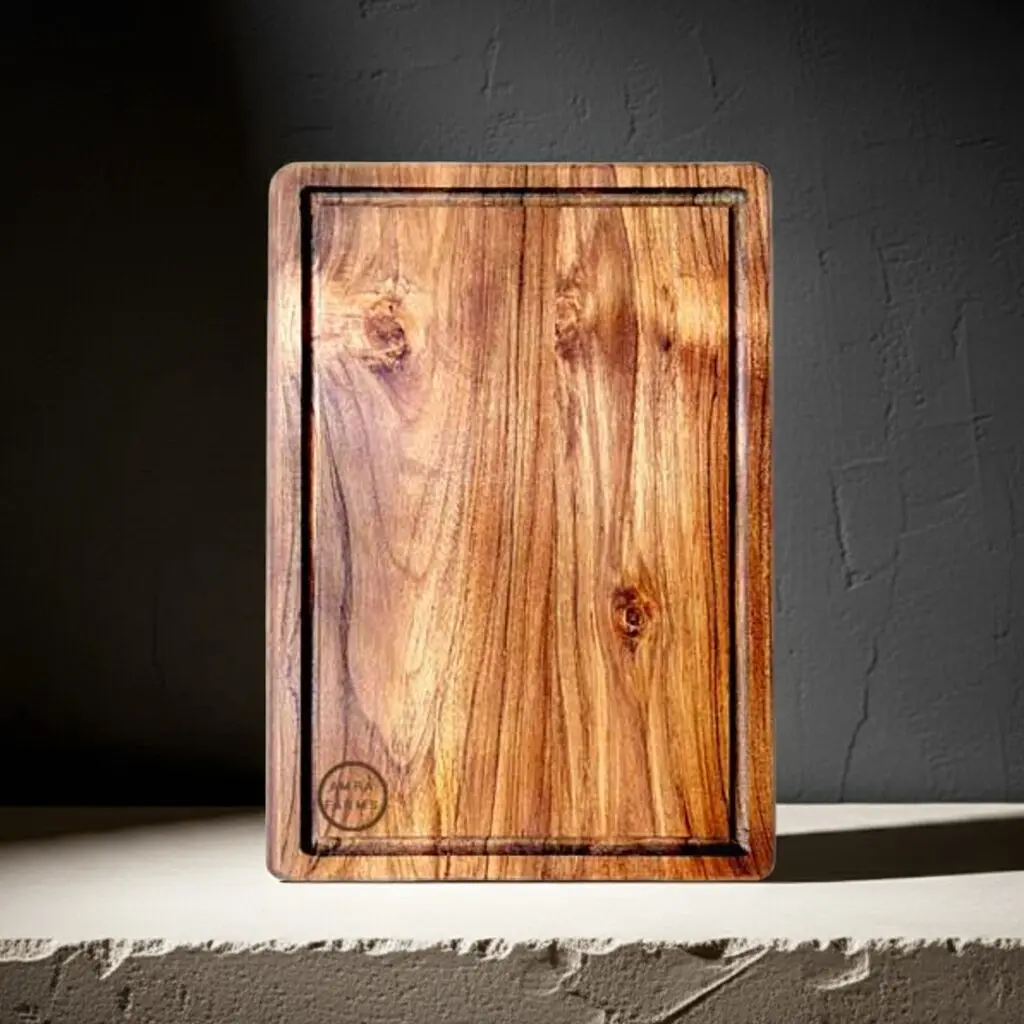
Credit: choppingboards.in
Choosing The Right Cutting Board
Choosing the right cutting board helps keep your kitchen safe and clean. It is very important after cutting raw meat. The material of the board affects how easy it is to clean and how well it resists bacteria.
This guide explains the differences between wood and plastic cutting boards. It also looks at which boards resist bacteria best.
Wood Vs Plastic Boards
Wood and plastic are the most common cutting board materials. Each has good and bad points. Wood boards are gentle on knives and can last a long time. Plastic boards are often dishwasher safe and lighter to handle.
- Wood boards:Made from hardwoods like maple or walnut. They absorb less water and hide cuts well.
- Plastic boards:Usually made from polyethylene. They are non-porous and easy to clean with hot water and soap.
Boards Resistant To Bacteria
Bacteria can hide in small cuts and pores on a board. Choosing a board that resists bacteria helps keep food safe. Cleaning also matters a lot.
| Type of Board | Resistance to Bacteria | Cleaning Method |
| Wood | Good, natural antimicrobial properties | Hand wash with soap and hot water |
| Plastic | Good, non-porous surface | Dishwasher or hot soapy water |
Immediate Cleaning Steps
Cleaning cutting boards right after using raw meat keeps them safe and fresh. Bacteria can grow fast on leftover meat residue.
Follow quick cleaning actions to prevent germs and stains. This helps keep your kitchen healthy.
Removing Meat Residue
Start by scraping off any pieces of meat stuck on the board. Use a plastic scraper or a paper towel to wipe off residue.
- Hold the board steady on a flat surface.
- Use a scraper to remove visible meat bits.
- Wipe the surface with a dry paper towel to lift juices.
- Dispose of scraps in the trash immediately.
Using Hot Soapy Water
Wash the cutting board with hot water and soap after removing residue. This cleans bacteria and grease from the surface.
| Cleaning Action | Details |
| Water Temperature | Use water as hot as you can safely handle |
| Soap Type | Use a strong dish soap for grease removal |
| Scrubbing Tool | Use a scrub brush or sponge with rough side |
| Rinse | Rinse thoroughly with hot water to remove soap |
| Drying | Air dry or wipe with a clean cloth to prevent moisture |
Deep Cleaning Techniques
Keeping cutting boards clean after raw meat use is very important. Deep cleaning removes harmful bacteria. It also helps to keep your kitchen safe.
This guide explains two effective methods. You will learn how to sanitize with vinegar or bleach and how to use baking soda for odors.
Sanitizing With Vinegar Or Bleach
Vinegar and bleach kill many germs on cutting boards. Vinegar is natural and safe for wood. Bleach is stronger but must be used carefully.
- Rinse the cutting board with hot water.
- Spray or wipe white vinegar on the surface.
- Let it sit for five minutes to kill bacteria.
- Rinse the board again with hot water.
- For bleach, mix one tablespoon bleach with one gallon water.
- Apply the bleach solution to the board and wait two minutes.
- Rinse thoroughly to remove any bleach residue.
- Dry the board completely before storing.
Using Baking Soda For Odors
Baking soda removes bad smells from cutting boards. It also helps clean tiny cuts where bacteria hide.
| Method | How to Use |
| Sprinkle Baking Soda | Cover the board with baking soda. Scrub with a damp sponge. Rinse well. |
| Baking Soda Paste | Mix baking soda with water to make a paste. Apply to the board. Let sit for 10 minutes. Scrub and rinse. |
| Baking Soda and Lemon | Sprinkle baking soda and rub with half a lemon. Lemon adds fresh scent. Rinse after scrubbing. |
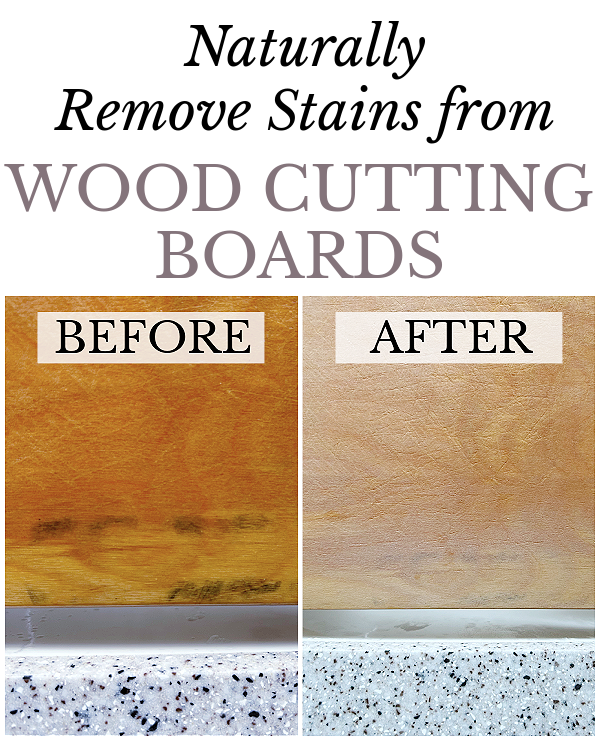
Credit: www.lemonslavenderandlaundry.com
Drying And Storage Tips
Keeping cutting boards clean after using raw meat is key to food safety. Drying and storing them correctly stops bacteria growth.
Proper air drying and avoiding moisture buildup help your boards last longer and stay safe for future use.
Air Drying Properly
After washing, let your cutting board dry completely in open air. Avoid stacking boards while they are still wet.
- Place the board upright on its edge to allow air to flow on all sides.
- Keep it in a well-ventilated area away from damp places.
- Use a clean drying rack to prevent contact with dirty surfaces.
- Do not cover the board with towels or cloths while drying.
Avoiding Moisture Buildup
Moisture trapped in or around the cutting board invites bacteria and mold. Store boards dry and clean.
| Storage Tip | Reason |
| Store board upright | Prevents water pooling on surface |
| Keep in dry cabinet or shelf | Limits humidity exposure |
| Use breathable storage containers | Allows air circulation |
| Do not stack wet boards | Stops moisture buildup between boards |
Preventing Cross-contamination
Keeping cutting boards clean after using raw meat stops harmful germs. Cross-contamination happens when germs spread from meat to other foods.
Using the right methods helps keep your kitchen safe and food healthy.
Separate Boards For Meat And Vegetables
Use different cutting boards for raw meat and vegetables. This stops bacteria from meat reaching vegetables you eat raw.
- Assign one board for raw meat only
- Use another board for vegetables and fruits
- Wash boards well after each use with hot water and soap
- Replace boards if they become deeply scratched
Color-coding Cutting Boards
Color-coding cutting boards makes it easy to tell which board is for which food. This reduces mistakes in busy kitchens.
| Color | Use |
| Red | Raw Meat |
| Green | Vegetables |
| Blue | Fish and Seafood |
| Yellow | Cooked Meat |
Regular Maintenance Practices
Keeping cutting boards clean after using raw meat is very important. Regular care helps stop germs from spreading.
Good habits make cutting boards last longer and stay safe for food preparation.
Oiling Wooden Boards
Wooden boards need oil to stay strong and avoid cracks. Oil also helps stop water from soaking in.
Use food-safe mineral oil and apply it once a month or more if the board looks dry.
- Clean and dry the board completely before oiling
- Apply oil with a soft cloth in a thin, even layer
- Let the oil soak in for a few hours or overnight
- Wipe off extra oil before using the board again
Replacing Worn-out Boards
Cutting boards with deep cuts or cracks can hide bacteria. Replace them to keep your kitchen safe.
Check your boards often and swap them out if they are damaged or very old.
- Look for deep grooves or cracks that are hard to clean
- Replace boards that split or have missing pieces
- Use separate boards for raw meat and other foods to avoid cross-contamination
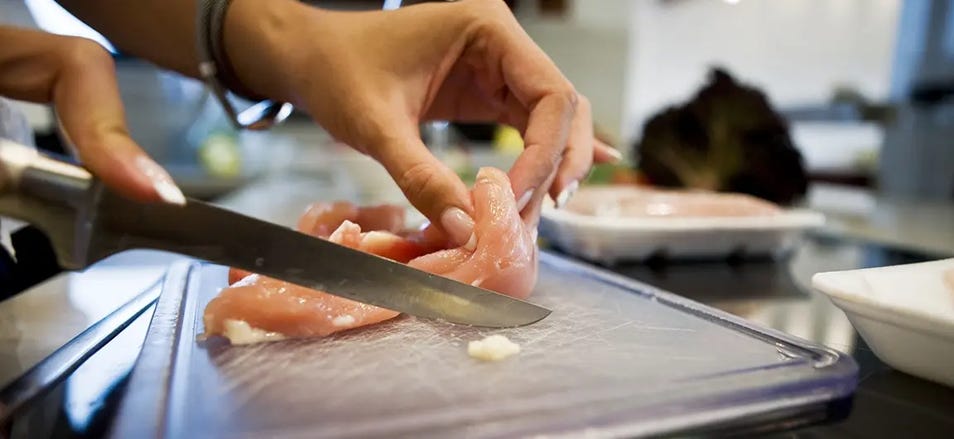
Credit: www.lysol.com
Frequently Asked Questions
How Do I Properly Clean Cutting Boards After Raw Meat?
Wash cutting boards with hot, soapy water immediately after use. Rinse thoroughly and sanitize with diluted bleach or vinegar. Air dry completely to prevent bacteria growth.
Can I Use The Dishwasher To Clean Cutting Boards?
Yes, most plastic and wooden cutting boards are dishwasher-safe. The hot water and detergent kill bacteria effectively. However, check manufacturer instructions to avoid warping or damage.
What’s The Best Sanitizer For Cutting Boards?
A solution of 1 tablespoon bleach per gallon of water works best. Spray or soak the board for a few minutes. Rinse well and air dry for safe use.
How Often Should I Replace Cutting Boards Used For Raw Meat?
Replace cutting boards when deep grooves or cracks appear. These can harbor bacteria and are hard to clean properly. Regular inspection ensures food safety.
Conclusion
Keeping cutting boards clean after raw meat use protects your health. Wash boards with hot, soapy water right away. Use separate boards for meat and vegetables to avoid germs. Regularly sanitize with vinegar or diluted bleach for safety. Dry boards completely to stop bacteria growth.
Small habits make a big difference in kitchen hygiene. Clean boards help prevent foodborne illnesses. Stay safe and enjoy cooking with fresh, clean tools every time. Simple steps keep your kitchen healthy and your food tasty.