
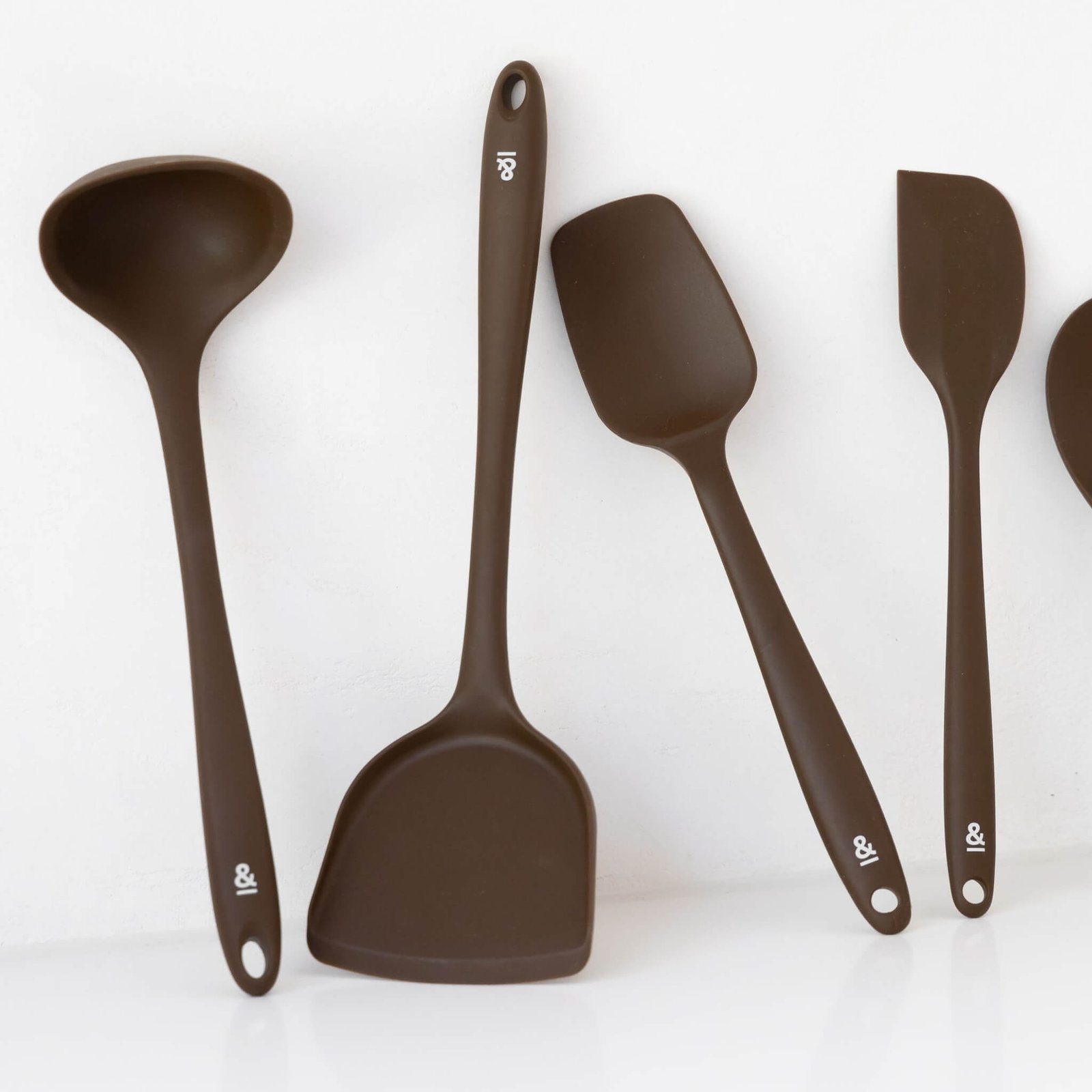
If you love cooking or baking, your silicone spatula is one of your best kitchen tools. It’s flexible, heat-resistant, and perfect for mixing, scraping, and flipping.
But to keep your spatula working like new, you need to take good care of it. You’ll discover simple and effective tips to maintain your silicone spatula. These easy steps will save you money, improve your cooking experience, and help your spatula last longer.
Keep reading to learn how to protect this handy tool and get the most out of it every time you cook.

Credit: www.amazon.ca
Choosing Quality Silicone Spatulas
Choosing the right silicone spatula can make cooking easier. A good spatula lasts long and works well with all cookware.
This guide explains what to look for in quality silicone spatulas. Focus on material benefits and durability factors.
Material Benefits
Silicone is safe for cooking and very flexible. It does not scratch pans or react with food.
- Heat resistant up to 600°F
- Non-stick and easy to clean
- Does not absorb odors or stains
- Safe for all cookware types
Durability Factors
Durability depends on the silicone quality and the handle design. Look for strong, sturdy handles and pure silicone heads.
| Feature | What to Check | Why It Matters |
|---|---|---|
| Silicone Grade | Food-grade, BPA-free | Ensures safety and long use without damage |
| Handle Material | Stainless steel or solid plastic | Prevents bending or breaking |
| Seamless Design | No gaps between handle and silicone | Stops food or water from getting trapped |
| Flexibility | Balanced soft and firm | Allows easy scraping without breaking |
Cleaning Techniques
Keeping your silicone spatula clean helps it last longer. Proper cleaning removes food and prevents stains.
There are easy ways to clean your spatula by hand or in a dishwasher. Both keep it safe and ready to use.
Hand Washing Tips
Wash your silicone spatula with warm, soapy water. Use a soft sponge to avoid damage.
Rinse well to remove all soap. Dry it with a clean towel or air dry to stop bacteria growth.
- Use mild dish soap
- Avoid abrasive scrubbers
- Clean immediately after use
- Check for food stuck in crevices
Dishwasher Safety
Most silicone spatulas are safe in the dishwasher. Place them on the top rack for best results.
Avoid high heat drying settings. Heat can warp or damage the silicone over time.
- Check manufacturer instructions first
- Use gentle dishwasher cycles
- Place spatula away from heating elements
- Remove and dry if needed after washing
Storage Solutions
Storing your silicone spatula properly keeps it in good shape. Good storage stops damage and makes it last longer.
Use smart storage ideas to keep your spatula ready for use. This helps keep it clean and safe.
Avoiding Deformation
Silicone spatulas can bend or warp if stored incorrectly. Avoid squeezing or bending them tightly.
Keep spatulas in a place where they can stay flat or hang freely. This prevents unwanted shapes from forming.
- Use a utensil holder with enough space
- Hang spatulas on hooks or pegs
- Avoid stacking heavy items on top
- Store away from heat sources
Keeping It Hygienic
Clean spatulas dry before storing to stop bacteria. Moisture can cause mold and bad smells.
Store spatulas in a clean, dry place. Use a container or drawer to keep dust and dirt away.
- Wash with warm soapy water after use
- Dry completely with a towel or air dry
- Store in a closed drawer or utensil holder
- Check regularly for stains or buildup

Credit: seedsprout.com.au
Handling Heat Properly
Silicone spatulas are great tools in the kitchen. They resist heat better than many other materials. Still, knowing how to handle heat keeps them lasting longer.
Using the spatula within safe temperature limits avoids damage. Also, careful use prevents burns and warping. Read on for tips on heat handling.
Temperature Limits
Silicone spatulas usually handle heat up to 400°F (204°C). Higher temperatures can melt or deform them. Use caution when cooking on very hot surfaces.
| Temperature | Effect on Silicone Spatula |
|---|---|
| Below 400°F (204°C) | Safe to use without damage |
| 400°F to 450°F (204°C to 232°C) | Risk of softening and warping |
| Above 450°F (232°C) | Melting and permanent damage likely |
Avoiding Burn Damage
Burn damage weakens silicone spatulas and shortens their life. Use these tips to avoid burns and keep your spatula in good shape.
- Do not leave the spatula in hot pans unattended.
- Remove spatulas from heat immediately after use.
- Avoid direct contact with open flames or broilers.
- Use wooden or metal tools carefully to prevent cuts on silicone.
- Clean spatulas promptly after use to prevent residue buildup.
Dealing With Stains And Odors
Silicone spatulas can absorb stains and odors from strong foods. Cleaning them properly keeps them fresh and safe to use. Simple methods can remove these issues without harsh chemicals.
Using natural remedies and taking preventive steps helps keep your silicone spatula in good condition. This guide covers easy ways to clean and maintain it.
Natural Cleaning Remedies
Natural ingredients can clean stains and odors from silicone spatulas. They are safe and effective for regular use.
- Soak the spatula in a mix of warm water and baking soda for 30 minutes.
- Rub the spatula with lemon juice to brighten stains and remove smells.
- Use white vinegar to soak the spatula for 15 minutes, then rinse well.
- Make a paste of baking soda and water, apply on stains, then scrub gently.
- Place the spatula in direct sunlight for a few hours to help fade odors naturally.
Preventive Measures
Prevent stains and odors by caring for your spatula after each use. Clean and dry it properly to avoid buildup.
| Tip | Benefit |
|---|---|
| Wash spatula immediately after use | Stops stains from setting |
| Use mild soap and warm water | Protects silicone from damage |
| Dry spatula completely before storing | Prevents odor and mold growth |
| Store spatula in a dry, ventilated place | Keeps spatula fresh |
| Avoid using abrasive scrubbers | Maintains surface smoothness |

Credit: www.amazon.ca
Replacing Your Spatula
Silicone spatulas last long but need replacing sometimes. Using a worn spatula can affect your cooking.
Knowing when to replace your spatula helps keep your kitchen safe and efficient.
Signs Of Wear And Tear
Look for damage before your spatula causes problems in the kitchen.
- Cracks or tears on the silicone blade
- Discoloration that won’t wash off
- Sticky or rough texture on the surface
- Loose or wobbly handle
- Unusual smells after cleaning
When To Upgrade
Replacing your spatula at the right time saves you trouble and keeps cooking safe.
| Condition | Action |
| Minor wear but no damage | Keep using, check regularly |
| Cracks or tears visible | Replace immediately |
| Handle loose or broken | Replace for safety |
| Persistent stains or odors | Consider replacing |
| Spatula older than 2 years | Check carefully, replace if needed |
Frequently Asked Questions
How Do I Clean A Silicone Spatula Properly?
Clean your silicone spatula with warm, soapy water after each use. Avoid abrasive cleaners to prevent damage. For tough stains, soak it in baking soda and water. Rinse thoroughly and air dry to maintain its durability and hygiene.
Can Silicone Spatulas Go In The Dishwasher?
Yes, most silicone spatulas are dishwasher safe. Place them on the top rack to avoid heat damage. Check the manufacturer’s instructions to confirm. Dishwasher cleaning helps remove food residue and keeps your spatula hygienic without extra effort.
How To Prevent Silicone Spatulas From Retaining Odors?
To prevent odors, wash your spatula immediately after use. Avoid leaving it near strong-smelling foods. Occasionally soak it in a vinegar-water solution to neutralize smells. Proper cleaning and drying prevent odor retention and maintain freshness.
Are Silicone Spatulas Heat Resistant?
Yes, silicone spatulas are heat resistant, usually up to 400°F (204°C). This makes them safe for cooking and baking without melting. Always check the product label for specific heat limits to avoid damage during high-temperature use.
Conclusion
Caring for a silicone spatula is simple and rewarding. Regular cleaning keeps it safe and effective. Avoid harsh cleaners to preserve its flexibility. Store it in a dry place to prevent mold. Inspect for wear and replace if necessary. These steps ensure a long-lasting kitchen tool.
A well-maintained spatula makes cooking easier and more enjoyable. Embrace these tips for effortless kitchen maintenance. Your spatula will thank you with years of reliable service. Happy cooking with your trusty silicone spatula!