
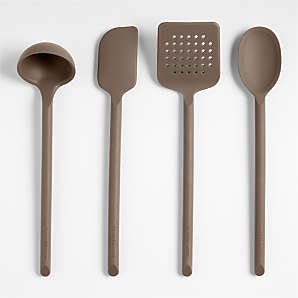
Choosing the right ladle might seem simple, but it can make a big difference in your cooking experience. Whether you’re serving soup, stew, or sauce, the ladle you pick affects how easily and cleanly you pour.
You want a tool that feels comfortable in your hand and fits your kitchen needs perfectly. You’ll discover key tips to help you find the perfect ladle—so you can cook smarter, serve better, and enjoy every meal without hassle. Keep reading to make sure your next ladle is exactly what your kitchen needs.
Types Of Ladles
Ladles come in many types to fit different kitchen needs. Choosing the right ladle helps with cooking and serving.
Each ladle type has a special shape and size. This makes it good for certain foods and liquids.
Standard Ladles
Standard ladles have a deep, round bowl with a long handle. They are great for serving liquids like soups and stews.
Soup Ladles
Soup ladles have a larger bowl than standard ladles. This helps to serve bigger portions of soup easily.
- Large bowl holds more liquid
- Long handle keeps hands away from hot soup
- Usually made of heat-resistant materials
Sauce Ladles
Sauce ladles are smaller with a shallow bowl. They help pour sauces and dressings neatly over food.
| Feature | Description |
| Bowl Size | Small and shallow |
| Handle Length | Short to medium |
| Use | Pouring sauces and dressings |
| Material | Often stainless steel or plastic |
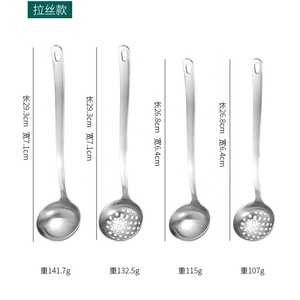
Slotted Ladles
Slotted ladles have holes or slots in the bowl. They drain liquids while lifting solid foods.
Slotted ladles are useful for:
- Serving vegetables from boiling water
- Removing fried foods from oil
- Draining broth from meat or beans

Credit: www.theindusvalley.in
Material Choices
Choosing the right ladle material affects its use and durability. Different materials suit different kitchen tasks.
Think about heat resistance, weight, and cleaning when picking a ladle material.
Stainless Steel
Stainless steel ladles are strong and last a long time. They resist rust and stains well.
These ladles handle hot foods and liquids without bending or melting. They are easy to clean but can get hot to touch.
Silicone
Silicone ladles are soft and flexible. They do not scratch pots or pans, making them safe for non-stick surfaces.
They resist heat well and stay cool to touch. Silicone ladles are easy to clean and often dishwasher safe.
Plastic
Plastic ladles are lightweight and affordable. They work best for serving cold or warm foods.
Some plastics may melt if used with very hot liquids. Choose high-heat resistant plastic for better durability.
Wooden Handles
Wooden handles offer a comfortable grip and stay cool while cooking. They add a classic look to your kitchen tools.
Wood is durable but needs hand washing to last longer. Avoid soaking wood to prevent cracking or warping.
Size And Capacity
Choosing the right ladle size is important for your kitchen tasks. Ladles come in different sizes and hold different amounts of liquid. This helps you serve food easily and without mess.
Consider what you usually cook to pick the best ladle size. Small ladles work well for sauces. Medium ladles are good for soups. Large ladles fit stews and big servings.
Small Ladles For Sauces
Small ladles hold about 1 to 2 ounces of liquid. They are perfect for sauces and dressings. Their size lets you control how much sauce you serve.
- Easy to handle for small servings
- Good for thick or thin sauces
- Fits well in small containers
Medium Ladles For Soups
Medium ladles usually hold 4 to 6 ounces. They are best for serving soup or broth. This size helps you pour a good amount without spilling.
| Capacity | Best Use |
| 4 ounces | Light soups and broths |
| 5 ounces | Regular soups and chowders |
| 6 ounces | Thicker soups and stews |
Large Ladles For Stews
Large ladles hold 8 ounces or more. They work well for thick stews and large servings. Use them to scoop big portions quickly and easily.
- Serve hearty meals faster
- Reduce trips to the pot
- Handle chunky ingredients well
Handle Design
The handle is an important part of a ladle. It affects how easy and safe it is to use.
Choosing the right handle design helps you stir and serve food comfortably.
Length And Grip
The handle length should keep your hand away from heat. It also gives good control.
A good grip stops the ladle from slipping. Look for handles with textured or non-slip material.
- Long handles protect hands from hot food
- Short handles are easier to store but may be less safe
- Textured grips improve hold, especially when wet
- Non-slip coatings help prevent accidents
Heat Resistance
The handle must resist heat to avoid burns. Some materials handle heat better than others.
Metal handles can get hot fast. Wood or silicone handles stay cooler and feel safer.
- Wood handles stay cool but need care
- Silicone handles resist heat and are soft to touch
- Metal handles are strong but may heat quickly
- Plastic handles vary in heat resistance
Ergonomics
Ergonomic handles reduce hand strain during use. They fit the shape of your hand well.
Look for handles with curves or soft edges. These designs make lifting and pouring easier.
- Curved handles follow hand shape for comfort
- Soft edges prevent pressure points
- Balanced weight helps control the ladle
- Handles with thumb rests improve grip
Maintenance And Durability
Choosing the right ladle means thinking about how to keep it clean and long-lasting. Proper care helps your ladle stay useful for years.
Good maintenance prevents damage and keeps the ladle safe to use in your kitchen.
Cleaning Tips
Clean your ladle after each use to stop food buildup. Use warm water and mild soap to wash it well.
Avoid harsh scrubbing that can scratch the ladle’s surface. Dry it completely before storing.
- Wash with warm, soapy water
- Use a soft sponge or cloth
- Rinse off all soap
- Dry fully with a towel
Avoiding Rust
Rust can damage metal ladles. Keep your ladle dry and avoid leaving it in water for a long time.
If your ladle is made of stainless steel, it is less likely to rust. For iron ladles, apply a thin layer of cooking oil after cleaning.
- Do not soak the ladle in water
- Dry immediately after washing
- Use oil to protect iron ladles
- Store in a dry place
Storage Solutions
Store your ladle where air can circulate to keep it dry. Hanging it on a hook is a good option.
Avoid stacking ladles inside each other tightly. This can trap moisture and cause damage.
- Hang ladles on hooks or racks
- Keep ladles separate to air out
- Store in a dry cabinet or drawer
- Use utensil holders for easy access

Credit: www.amazon.com
Budget Considerations
Choosing the right ladle means thinking about your budget. You want a tool that fits your price range and lasts long.
Understanding what to expect at different price points can help you make a smart choice.
Affordable Options
Affordable ladles often use basic materials like plastic or thin metal. These work well for light use and short periods.
- Usually lightweight and easy to handle
- May not last as long with heavy use
- Good for occasional cooking or small budgets
- Available in many colors and styles
Investing In Quality
Quality ladles use stronger materials such as stainless steel or solid wood. These tend to last for years.
| Material | Durability | Price Range |
| Plastic | Low | Low |
| Thin Metal | Medium | Low to Medium |
| Stainless Steel | High | Medium to High |
| Wood | High | Medium to High |
Balancing Price And Performance
Consider how often you will use the ladle and for what purpose. A higher price can mean better performance.
- Buy a ladle that fits your cooking habits
- Look for features like heat resistance and comfortable grip
- Test if the ladle feels balanced and sturdy
- Choose a price that matches your quality needs
Special Features
Choosing the right ladle means looking at special features. These features help you cook more easily and safely.
Focus on details like measuring marks, pour spouts, and heat indicators. Each one adds value to your cooking tools.
Measuring Marks
Measuring marks on ladles show how much liquid you scoop. They help you add exact amounts to recipes.
- Clear lines inside the ladle bowl
- Marks for common measurements like 1/4, 1/2, and 1 cup
- Easy-to-read numbers for quick use
- Durable marks that don’t fade with washing
Pour Spouts
Pour spouts guide liquid smoothly off the ladle. They help prevent spills and messes while serving.
| Type of Pour Spout | Benefits |
| Single Spout | Simple, directs liquid in one stream |
| Double Spout | Allows pouring on both sides for left or right hand use |
| Wide Spout | Good for thick liquids and soups |
Heat Indicators
Heat indicators show if the ladle is hot. They keep you safe from burns while cooking.
Types of heat indicators include:
- Color-changing handles that shift with temperature
- Silicone grips that stay cool to touch
- Metal with heat-resistant coatings
Credit: www.alibaba.com
Frequently Asked Questions
What Size Ladle Is Best For Different Recipes?
Choose ladle size based on recipe volume. Small ladles suit sauces, medium for soups, large for stews. This ensures easy portion control and efficient serving.
Which Materials Are Ideal For Ladles?
Stainless steel is durable and heat-resistant. Silicone ladles prevent scratching non-stick surfaces. Wood offers a traditional feel but requires more care.
How To Maintain And Clean A Ladle Properly?
Wash ladles immediately after use with warm soapy water. Avoid abrasive scrubbers to prevent damage. Dry thoroughly to prevent rust or mold growth.
Can Ladle Design Affect Serving Ease?
Yes, ladle shape and handle length impact comfort and control. A deep bowl holds more liquid, while a long handle keeps hands safe from heat.
Conclusion
Choosing the right ladle can make cooking easier. Consider the material. Stainless steel is durable. Silicone is gentle on non-stick pans. Think about the handle too. A comfortable grip prevents accidents. Size matters. A big ladle serves soup well. A small one suits sauces.
Don’t forget maintenance. Dishwasher-safe options save time. Always match the ladle to your needs. This ensures efficiency in the kitchen. Making the right choice enhances your cooking experience. Enjoy your culinary adventures!