
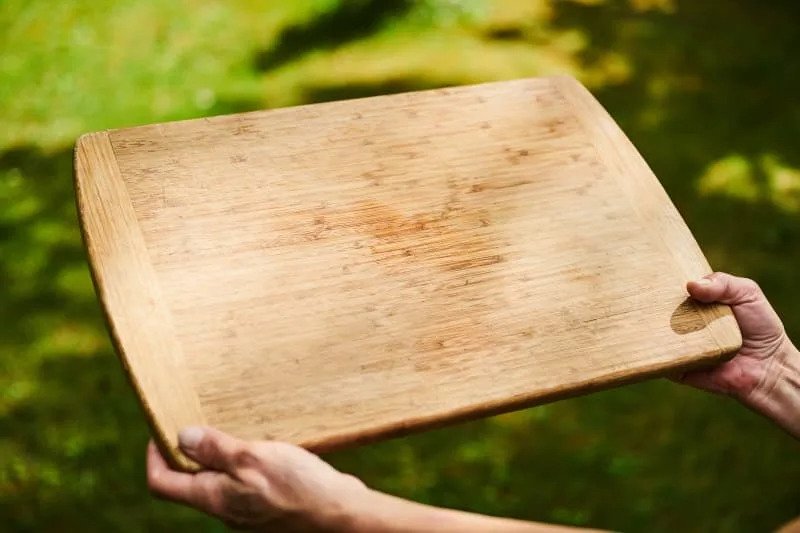
Your cutting board is one of the busiest tools in your kitchen. But do you know the best way to keep it clean and in great shape?
If you don’t clean and maintain it properly, harmful bacteria can build up, and your board can wear out faster. You’ll discover simple, effective steps to clean and care for your cutting boards regularly. Keep reading to protect your health, extend the life of your board, and make your cooking safer and more enjoyable.
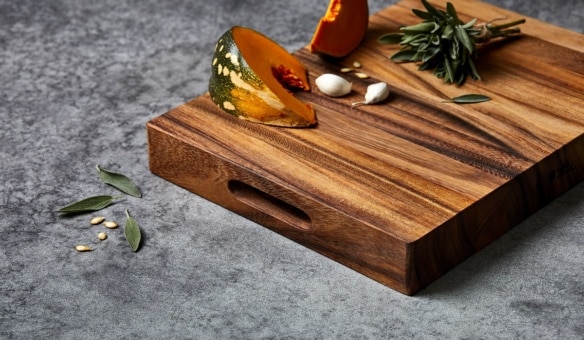
Credit: www.wildwood.com.au
Choosing The Right Cutting Board
Cutting boards help keep your kitchen clean and safe. Picking the right one makes cleaning and maintenance easier.
Different materials need different care. Knowing the options helps you choose a board that lasts long.
Wood Vs Plastic
Wood and plastic are the most common cutting board types. Each has benefits and challenges for cleaning.
Wood boards can be gentle on knives but need more careful washing. Plastic boards are dishwasher safe but may scratch easily.
- Wood boards absorb juices and need drying to avoid cracks.
- Plastic boards resist stains and odors better.
- Plastic can warp if exposed to high heat.
- Wood has natural antibacterial properties.
Pros And Cons
Each cutting board type has pros and cons. This helps you decide which fits your kitchen style.
| Type | Pros | Cons |
|---|---|---|
| Wood | Gentle on knives, natural antibacterial | Needs hand washing, can crack |
| Plastic | Dishwasher safe, resists stains | Scratches easily, may warp |
Best Materials For Durability
Durable cutting boards last longer and stay safe. Some materials stand up well to daily use and cleaning.
- Hardwoods like maple and walnut resist cuts and warping.
- High-density plastic boards handle heat and stains well.
- Bamboo is tough and eco-friendly but needs care like wood.
- Avoid soft woods that split or absorb too much water.
Credit: www.rnz.co.nz
Daily Cleaning Techniques
Keeping your cutting boards clean every day helps stop germs from spreading. It also keeps the board in good shape for a long time.
Simple daily cleaning steps can make a big difference in food safety and board care.
Washing With Soap And Water
Use warm water and mild dish soap to wash your cutting board after each use. This removes food bits and grease.
Scrub the surface well with a sponge or brush to clean all areas.
- Rinse the board with warm water
- Apply dish soap and scrub gently
- Rinse off all soap completely
Using Vinegar For Disinfection
White vinegar is a natural way to kill bacteria on cutting boards. Use it after washing with soap.
Spray or wipe the board with vinegar and let it sit for a few minutes before rinsing.
- Pour white vinegar into a spray bottle
- Spray the board surface evenly
- Wait 5 minutes for disinfection
- Rinse with water and dry
Drying Properly
Dry your cutting board well to stop water damage and mold. Use a clean towel or air dry it.
Store the board upright so air can reach all sides and it dries faster.
- Wipe with a clean, dry towel
- Place the board on a rack or stand
- Keep it in a well-ventilated spot
Deep Cleaning Methods
Keeping cutting boards clean is important for food safety. Regular deep cleaning removes germs and stains.
Here are several effective ways to deep clean and maintain your cutting boards.
Baking Soda And Lemon Treatment
Baking soda and lemon help remove stains and odors naturally. This method is gentle and safe for most cutting boards.
- Sprinkle baking soda over the board surface.
- Cut a lemon in half and rub it over the baking soda.
- Let the mixture sit for 5 to 10 minutes.
- Scrub gently with a brush or sponge.
- Rinse with warm water and dry well.
Using Hydrogen Peroxide
Hydrogen peroxide kills bacteria and whitens the board. Use it carefully to avoid damage.
- Pour 3% hydrogen peroxide on the board.
- Spread it evenly using a clean cloth.
- Let it sit for a few minutes to disinfect.
- Rinse thoroughly with water.
- Dry the board completely before storing.
Removing Stains And Odors
Stains and smells can build up over time. Use this table to choose the best cleaning method.
| Problem | Cleaning Method | How to Use |
| Dark stains | Baking soda paste | Mix baking soda with water, scrub, rinse |
| Strong odors | Lemon juice | Rub lemon on surface, rinse after 10 minutes |
| Bacteria buildup | Hydrogen peroxide | Apply, wait 5 minutes, rinse well |
Preventing Bacteria Build-up
Cutting boards can hold bacteria if not cleaned well. Regular cleaning stops germs from growing.
Keeping your cutting boards safe helps prevent food poisoning and keeps your kitchen clean.
Avoiding Cross-contamination
Use separate cutting boards for raw meat and vegetables. This keeps bacteria from spreading.
Wash your hands and boards after each use to stop germs from moving between foods.
- Use color-coded boards for different food types
- Clean boards with hot, soapy water after use
- Never cut raw meat and vegetables on the same board without cleaning
Sanitizing Tips
Sanitize your cutting boards to kill bacteria after cleaning. This keeps them safe for food.
Use a mild bleach solution or white vinegar to sanitize wooden or plastic boards.
- Mix 1 tablespoon bleach with 1 gallon of water
- Soak or spray the board, then rinse well
- Let boards air dry completely before storing
When To Replace Your Board
Replace your cutting board if it has deep cracks or grooves. Bacteria hide in these spots.
Old boards that smell bad or look worn should be replaced to keep food safe.
- Check boards regularly for damage
- Replace plastic boards after heavy use or deep cuts
- Wooden boards can last longer but still need replacement if damaged
Maintaining Wooden Boards
Wooden cutting boards need regular care to last long and stay safe. Cleaning alone is not enough. You must also oil, sand, and store them properly.
This guide focuses on easy ways to keep your wooden boards in good shape every day.
Oiling Regularly
Oiling your wooden board stops it from drying out and cracking. Use food-safe mineral oil or beeswax for best results.
- Clean the board with warm water and mild soap before oiling.
- Dry the board completely with a towel.
- Apply a generous coat of oil with a clean cloth.
- Let the oil soak in for several hours or overnight.
- Wipe off any extra oil with a dry cloth.
- Repeat oiling once a month or when the board looks dry.
Sanding Out Cuts
Over time, your board will get knife marks and cuts. Sanding smooths the surface and removes bacteria hiding in grooves.
Use fine-grit sandpaper and follow these tips:
- Clean and dry the board before sanding.
- Sand gently along the grain of the wood.
- Start with medium grit, then finish with fine grit paper.
- Remove all dust with a damp cloth.
- Apply oil after sanding to protect the wood.
Storing Properly
Proper storage stops your wooden board from warping and growing mold. Keep it dry and aired out.
| Storage Tip | Reason |
| Store upright or on edge | Allows air circulation to dry both sides |
| Keep away from direct heat or sunlight | Prevents drying and cracking |
| Do not soak in water | Avoids swelling and warping |
| Use a clean, dry cloth to cover | Protects from dust but lets air flow |
Credit: www.thekitchn.com
Maintaining Plastic Boards
Plastic cutting boards are popular for their ease of cleaning. Keeping them in good shape helps prevent germs and damage.
Regular care will extend their life and keep your kitchen safe.
Dishwasher Use
Most plastic boards are dishwasher safe. Use the top rack to avoid warping. Hot water and detergent clean and sanitize the board well.
Check your board’s label to confirm it can go in the dishwasher.
Scraping Scratches
Scratches can trap food and bacteria. Use a plastic scraper or the back of a knife to remove deep cuts and stains.
- Scrape the board surface gently to remove grooves.
- Rinse the board after scraping to clear debris.
- Sanitize with vinegar or diluted bleach solution.
- Dry completely before storing to prevent mold.
Replacing Worn Boards
Plastic boards that are too worn can harbor bacteria. Replace them if deep scratches or cracks appear.
| Sign of Wear | Reason to Replace |
| Deep cuts and grooves | Hard to clean and may hide bacteria |
| Warping or bending | Unstable surface for safe cutting |
| Cracks or breaks | Can break further and cause injury |
Frequently Asked Questions
How Often Should I Clean My Cutting Board?
Clean your cutting board immediately after each use. Frequent cleaning prevents bacteria buildup and keeps it safe. Use hot, soapy water and rinse well. For wooden boards, dry thoroughly to avoid warping or cracking.
What Is The Best Method To Sanitize Cutting Boards?
Sanitize cutting boards with diluted bleach solution or white vinegar. Apply, let sit for a few minutes, then rinse. This kills harmful bacteria and ensures food safety. Avoid harsh chemicals that may damage the board.
How Can I Remove Stains And Odors From Cutting Boards?
Use lemon and coarse salt to scrub stains and odors. Let it sit for a few minutes, then rinse. This natural method refreshes your board without harsh chemicals or damage.
Should I Oil My Wooden Cutting Board Regularly?
Yes, oil wooden boards monthly to maintain moisture and prevent cracking. Use food-grade mineral oil or specialized board oil. Regular oiling extends your board’s lifespan and keeps it looking new.
Conclusion
Keeping cutting boards clean ensures safe meal preparation. Regular cleaning prevents bacteria buildup. Use warm water and mild soap after each use. Dry thoroughly to avoid moisture retention. For wooden boards, apply mineral oil monthly. This keeps them in good condition.
Avoid harsh chemicals; they can damage the surface. Proper maintenance extends the life of your boards. Different materials need specific care, so follow recommendations. Clean, well-maintained cutting boards enhance kitchen hygiene. Consistent care makes cooking safer and more enjoyable. Remember, a clean board is key to healthy cooking.
Stay diligent and enjoy your culinary creations.