

Are you tired of throwing away spoiled food and wasting money? Keeping your perishable items fresh and safe can be tricky, but with the right tips, you can protect your food and your health.
Imagine opening your fridge and finding everything perfectly stored, lasting longer, and tasting better. You’ll discover simple yet powerful ways to store your perishable items safely. Ready to save money and enjoy fresh food every day? Let’s dive in and make your storage routine foolproof.
Credit: probeit.ca
Choosing The Right Storage Containers
Storing perishable items safely keeps food fresh and reduces waste. Picking the right container plays a big role in preserving freshness.
Good containers protect food from air, moisture, and bacteria. This helps food last longer and stay tasty.
Materials That Preserve Freshness
Containers made from certain materials help keep food fresh. Some materials block air and moisture better than others.
Plastic, glass, and stainless steel are popular choices. Each has benefits for storing different perishable items.
- Glass:Non-porous and easy to clean. Does not absorb odors or stains.
- Plastic:Lightweight and affordable. Look for BPA-free options.
- Stainless Steel:Durable and resists rust. Good for dry and moist foods.
Sealing Techniques To Prevent Spoilage
Sealing containers tightly stops air and moisture from entering. This slows down spoilage and keeps food fresh longer.
Using lids that fit well or vacuum seals helps preserve perishable items. Avoid loose or cracked covers.
- Use airtight lids for containers
- Consider vacuum sealing for meats and cheeses
- Wrap items in plastic wrap before sealing for extra protection
- Label containers with storage dates to track freshness
Optimal Temperature Settings
Keeping perishable items at the right temperature stops food from spoiling. This helps keep food fresh and safe to eat longer.
Knowing the best temperatures for refrigerators and freezers is important. It also helps to avoid quick temperature changes that harm food quality.
Refrigerator Vs. Freezer Guidelines
Refrigerators should keep food cold but not frozen. Freezers store food frozen to stop bacteria growth. Each has its own ideal temperature range.
| Storage Unit | Ideal Temperature | Purpose |
|---|---|---|
| Refrigerator | 35°F to 38°F (2°C to 3°C) | Keep food cold, slow bacteria growth |
| Freezer | 0°F (-18°C) or below | Freeze food solid, stop bacteria growth |
Avoiding Temperature Fluctuations
Temperature changes can cause food to spoil faster. It is important to keep temperatures steady in your fridge and freezer.
- Do not open doors too often or for too long.
- Keep the fridge and freezer full but not overcrowded.
- Check door seals to ensure they close tightly.
- Avoid placing hot food directly inside.
- Use appliance thermometers to monitor temperatures regularly.
Proper Organization Of Perishables
Storing perishable foods correctly helps keep them fresh and safe. Good organization reduces the risk of foodborne illness.
Learn how to separate raw and cooked foods and use labels and dates for better storage.
Separating Raw And Cooked Foods
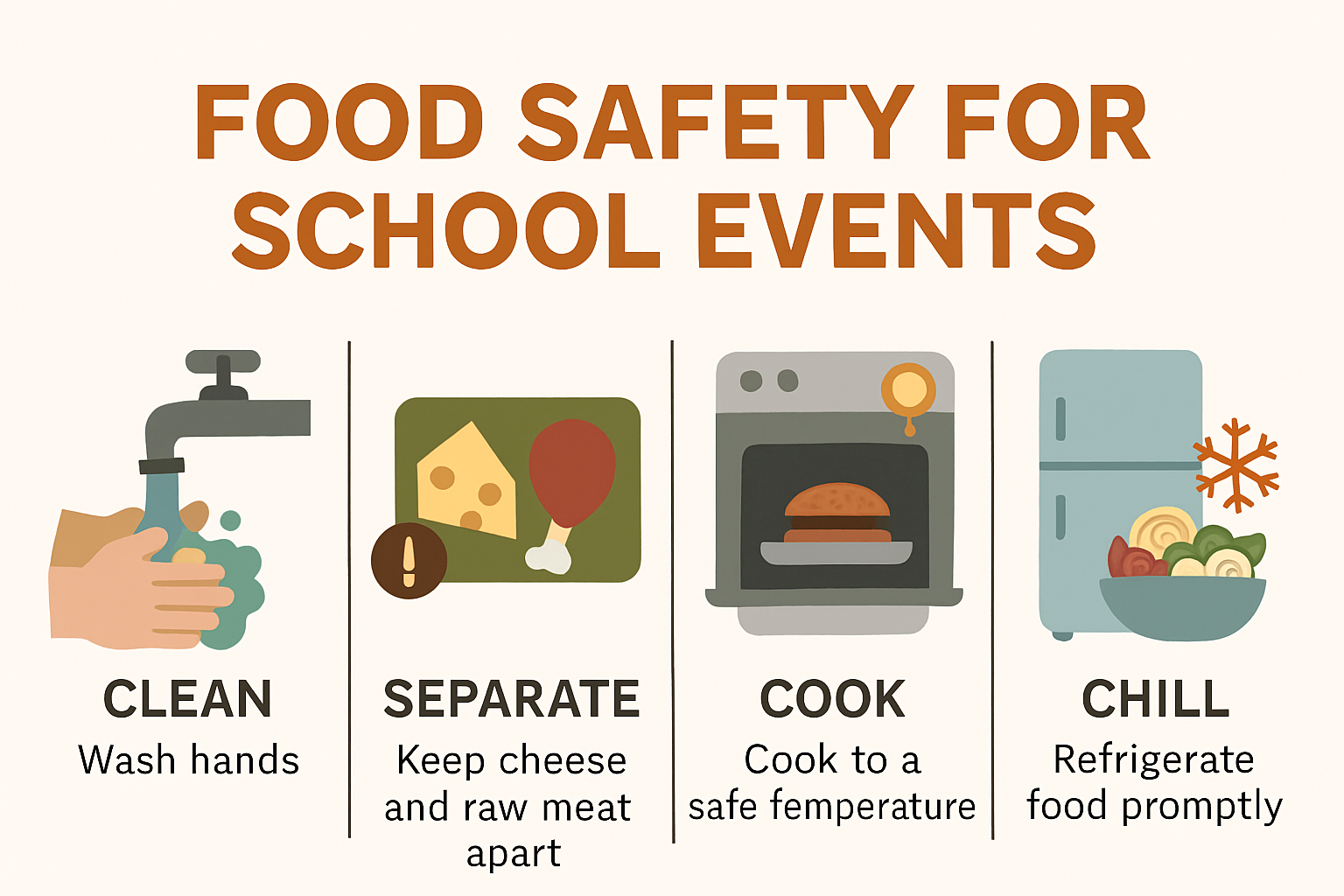
Keep raw foods away from cooked foods to avoid cross-contamination. Raw meat, poultry, and seafood carry bacteria that can spread.
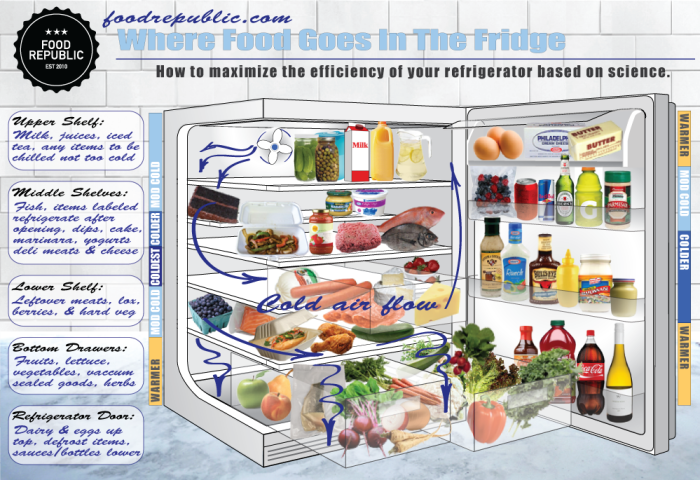
- Store raw meats on the bottom shelf of the fridge.
- Place cooked foods on higher shelves or separate containers.
- Use sealed containers or wrap foods tightly to prevent leaks.
- Clean surfaces and hands before handling cooked foods.
Using Labels And Dates
Labeling and dating your perishables helps you track freshness and avoid waste. It keeps your fridge organized and safe.
| Label Type | Purpose | Example |
|---|---|---|
| Use By Date | Indicates when food should be eaten or discarded | Use by 05/20 |
| Preparation Date | Shows when food was cooked or opened | Cooked on 05/15 |
| Contents | Identifies the food inside the container | Chicken Soup |
Credit: blog.containerexchanger.com
Handling And Preparation Tips
Storing perishable items safely starts with proper handling and preparation. Careful steps help keep food fresh and prevent spoilage.
Good practices reduce waste and keep your food safe to eat for longer periods.
Washing And Drying Before Storage
Clean your fruits and vegetables before storing them. Washing removes dirt and bacteria that cause spoilage. Dry them completely to stop mold growth.
- Rinse produce under cold running water.
- Use a brush for firm items like potatoes or melons.
- Pat dry with a clean towel or use a salad spinner for leafy greens.
- Store dry items in breathable containers or bags.
Portioning To Reduce Waste
Cut large items into smaller portions before storing. This helps you use only what you need and keeps the rest fresh.
| Tip | Benefit |
|---|---|
| Divide meat into meal-sized packs | Prevents thawing and refreezing |
| Cut fruits into pieces and store in airtight containers | Easy to grab and reduces spoilage |
| Use portioned containers for leftovers | Limits waste and keeps food fresh |
Recognizing Signs Of Spoilage
Knowing how to spot spoiled food helps keep you safe. Perishable items can go bad fast.
Look for signs that food is no longer safe to eat before using it.
Visual And Smell Indicators
Spoiled food shows clear signs you can see or smell. These clues warn you to avoid eating it.
- Discoloration: Food may turn dark, dull, or develop unusual colors.
- Mold: White, green, or black fuzzy spots appear on the surface.
- Texture change: Slimy, sticky, or mushy texture means spoilage.
- Bad smell: Sour, rancid, or off odors are strong warning signs.
- Gas or bubbles: Swollen packaging or fizzing can show fermentation.
When To Discard Food
Throw away food to avoid illness if any spoilage signs appear. Do not taste food to check safety.
| Condition | Action |
| Mold growth | Discard immediately |
| Strong bad smell | Throw away |
| Unusual color or texture | Do not eat |
| Swollen or leaking package | Dispose safely |
| Past expiration date | Check carefully; discard if any sign of spoilage |
Special Storage Techniques
Storing perishable items safely helps keep food fresh and prevents waste. Using the right methods can extend the life of your food.
This guide covers freezing tips for different foods and how to use vacuum sealing well.
Freezing Tips For Different Foods
Freezing slows down bacteria growth and keeps food safe longer. Different foods need special care before freezing.
- Wrap meat tightly in freezer paper or plastic wrap to prevent freezer burn.
- Blanch vegetables before freezing to keep color and texture.
- Freeze fruits on a tray first, then store in bags to keep them separate.
- Use airtight containers for soups and sauces to avoid spills and odors.
- Label packages with the date so you use older items first.
Using Vacuum Sealing Effectively
Vacuum sealing removes air, which helps food last longer in the fridge or freezer. It also protects against freezer burn.
| Food Type | Vacuum Sealing Tip | Storage Time (Freezer) |
| Meat | Seal in portion sizes for easy thawing | 6 to 12 months |
| Cheese | Wrap in wax paper before sealing | 1 to 2 months |
| Vegetables | Blanch before sealing to keep texture | 8 to 12 months |
| Fruits | Freeze on tray, then vacuum seal | 6 to 12 months |
| Dry Goods | Ensure food is dry before sealing | 12 to 24 months |
Maintaining Clean Storage Spaces
Keeping storage areas clean helps keep perishable items fresh longer. Dirt and spills can cause bacteria to grow.
Clean spaces reduce the risk of food spoilage and keep your kitchen safe.
Regular Cleaning Schedules
Set a cleaning routine for your storage spaces. This keeps surfaces free from germs and food residue.
- Empty shelves and drawers weekly to wipe them down.
- Use warm soapy water to clean surfaces.
- Dry all areas before placing items back.
- Check for expired food and throw it away.
- Clean spills immediately to avoid sticky spots.
Preventing Cross-contamination
Keep raw and cooked foods separate to stop germs from spreading. Use different containers and shelves.
| Storage Tip | Reason |
| Store raw meat on bottom shelves | Prevents juices from dripping on other foods |
| Use sealed containers for leftovers | Keeps food fresh and stops odors mixing |
| Label food with date stored | Helps track freshness and avoid spoilage |
| Clean containers before reuse | Removes old food particles and bacteria |
Credit: medium.com
Frequently Asked Questions
How Long Can Perishable Items Stay Fresh?
Perishable items typically stay fresh for 3 to 7 days when stored properly. Always check expiration dates and use airtight containers to maintain freshness and prevent spoilage.
What Is The Best Temperature For Storing Perishables?
Keep perishables at or below 40°F (4°C) to slow bacterial growth. Use a refrigerator thermometer to monitor the temperature accurately.
How Should I Store Fruits And Vegetables Safely?
Store fruits and vegetables separately in breathable bags or containers. Keep them in the crisper drawer to maintain humidity and extend freshness.
Can Freezing Extend The Life Of Perishables?
Yes, freezing can preserve perishables for months by halting bacterial growth. Use airtight, freezer-safe containers to avoid freezer burn and maintain quality.
Conclusion
Storing perishable items safely is crucial for health. Proper storage extends freshness and prevents waste. Always check expiry dates before storing. Use airtight containers for longer shelf life. Keep raw and cooked foods separate to avoid contamination. Maintain the right temperature in your fridge and freezer.
Regularly clean storage areas to ensure hygiene. Label items with purchase dates for easy tracking. Following these tips ensures your food stays fresh and safe. Enjoy peace of mind knowing your perishables are well-stored. Stay informed, stay healthy, and keep your food in top condition.