
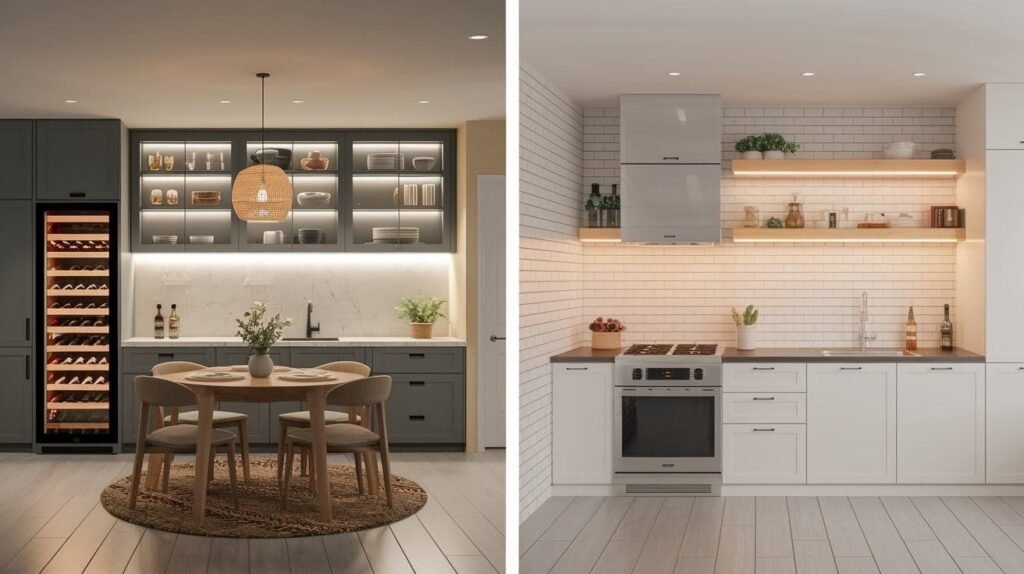
Imagine stepping into a kitchen where everything has its place, and every task flows smoothly without a single interruption. Designing a kitchen with multi-functional zones can turn this dream into your reality.
Whether you love cooking, entertaining, or simply want a space that works harder for you, creating distinct zones in your kitchen can save time, reduce stress, and make your daily routine more enjoyable. You’ll discover simple, practical steps to design a kitchen that adapts to your lifestyle and boosts your efficiency.
Ready to transform your kitchen into a smart, organized, and inviting space? Let’s dive in.
Benefits Of Multi-functional Kitchen Zones
Designing a kitchen with multi-functional zones makes cooking easier and more enjoyable. It helps organize tasks and keeps everything within reach.
Each zone serves a specific purpose, making the kitchen a better space for work and family time. This design improves how you use your kitchen every day.
Maximizing Space Efficiency
Multi-functional zones help use kitchen space wisely. You get more storage and work areas without clutter.
- Separate zones for cooking, cleaning, and prep reduce mess.
- Built-in cabinets and shelves keep tools organized.
- Using vertical space frees up counters.
- Zones allow for compact layouts in small kitchens.
Enhancing Workflow And Productivity
Zones make the kitchen flow smoothly. You move easily from one task to another without wasting time.
| Zone | Main Use | Benefit |
| Cooking Area | Stove and oven | Quick access to heat and utensils |
| Prep Zone | Chopping and mixing | Close to fridge for fresh ingredients |
| Cleaning Spot | Sink and dishwasher | Easy cleanup near cooking zone |
| Storage Section | Pantry and cabinets | Organized supplies within reach |
Improving Family Interaction
Multi-functional zones create space for family members to join in the kitchen. Everyone can help or chat while working.
- Kids can help in the prep zone safely.
- Parents cook while talking to others at the island.
- Separate zones reduce crowding and stress.
- Shared spaces make cooking a group activity.

Credit: www.designcafe.com
Key Zones In A Multi-functional Kitchen
Designing a kitchen with clear zones helps make cooking and cleaning easier. Each zone has a special job to keep the kitchen organized.
Knowing these zones can help you plan a kitchen that works well for your family’s needs.
Cooking And Preparation Area
This area is for cooking meals and preparing ingredients. It usually has a stove, oven, and counter space for chopping.
- Keep knives and cutting boards nearby
- Use heat-resistant surfaces near the stove
- Place frequently used spices within reach
- Include good lighting for safety
Cleaning And Washing Zone
This zone has the sink and dishwasher. It is where you wash dishes, fruits, and vegetables.
| Item | Purpose | Recommended Location |
| Sink | Washing dishes and food | Near cooking area |
| Dishwasher | Cleaning dishes automatically | Close to sink |
| Trash Bin | Waste disposal | Under sink or nearby |
Dining And Social Space
This space is for eating and socializing. It can have a dining table or a breakfast bar.
- Choose comfortable seating
- Keep the area close to the kitchen
- Use easy-to-clean surfaces
- Allow space for guests to move
Storage And Pantry Section
Storage holds food, dishes, and kitchen tools. The pantry stores dry goods and snacks.
| Storage Type | Items Stored | Tips |
|---|---|---|
| Cabinets | Dishes, pots, and pans | Use adjustable shelves |
| Pantry | Dry food, canned goods | Keep items in clear containers |
| Drawers | Utensils, small tools | Use dividers for order |
Planning Your Kitchen Layout
Designing a kitchen with multi-functional zones helps make cooking easier. Planning the layout well lets you use space smartly. It also keeps your kitchen organized and efficient.
Focus on how you want to move and work in your kitchen. Think about where to place each zone for cooking, cleaning, and storage.
Choosing The Right Floor Plan
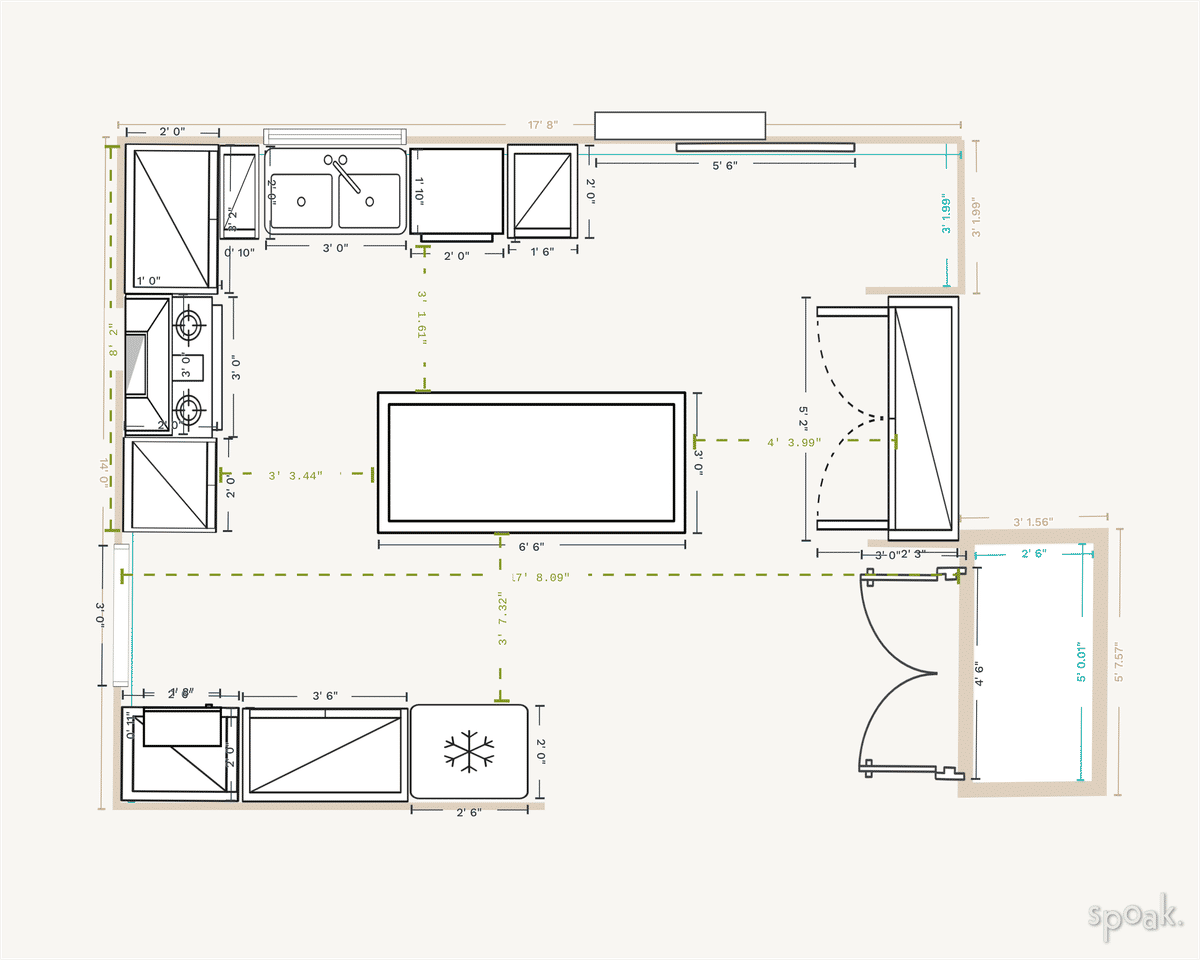
Pick a floor plan that fits your kitchen size and shape. Popular plans include L-shape, U-shape, galley, and island layouts. Each plan works well for different needs.
- L-shape uses two walls for counters and cabinets.
- U-shape offers three connected walls for more storage.
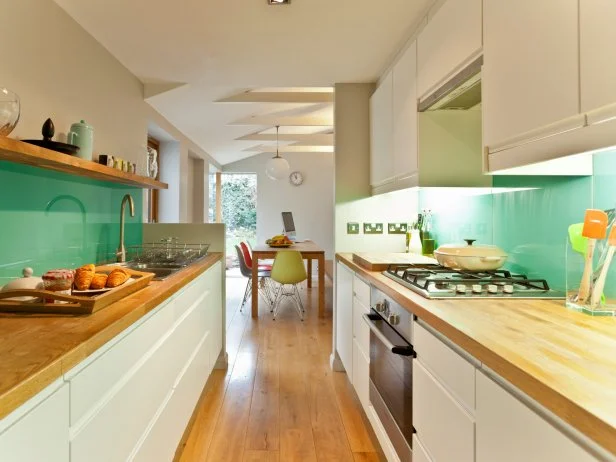
- Galley has two parallel counters for a narrow space.
- Island adds a center work area for prep and seating.
Balancing Open And Closed Spaces
Decide how open or closed you want your kitchen to be. Open kitchens connect with living or dining areas. Closed kitchens give more privacy and reduce noise.
| Type | Benefits | Drawbacks |
|---|---|---|
| Open Kitchen | More light and social space | Less privacy and noise control |
| Closed Kitchen | Better for cooking smells and noise | Can feel smaller and isolated |
Incorporating Traffic Flow
Plan for easy movement between kitchen zones. Avoid placing work areas where people often walk through. Keep paths clear to make cooking safer and faster.
- Leave at least 36 inches wide for main walkways.
- Keep the fridge, stove, and sink close to each other.
- Set zones so others can pass without disturbing the cook.
- Avoid placing the kitchen door directly in front of work areas.
Credit: www.spoak.com
Selecting Materials And Finishes
Choosing the right materials and finishes is key for a kitchen with multi-functional zones. Each zone needs surfaces that fit its specific tasks.
Good materials help your kitchen stay beautiful and work well every day. Think about how strong, clean, and stylish the surfaces are.
Durable Surfaces For Heavy Use
Some kitchen areas see a lot of action. These spots need tough surfaces that resist scratches and heat. Strong materials last longer and save money.
Examples include quartz, granite, and solid wood. These materials stand up to chopping, hot pots, and heavy use without damage.
- Quartz: tough and stain-resistant
- Granite: heat and scratch resistant
- Solid wood: strong and repairable
- Stainless steel: durable and hygienic
Easy-to-clean Options
Kitchens must stay clean, especially in food prep zones. Choose surfaces that wipe clean fast and do not trap dirt. This saves time and effort.
Materials like ceramic tiles, laminated countertops, and stainless steel are great choices. They resist stains and can handle frequent cleaning.
- Ceramic tiles: smooth and stain-resistant
- Laminates: budget-friendly and easy to wipe
- Stainless steel: non-porous and hygienic
- Glass: smooth surface and simple cleaning
Aesthetic Choices For Cohesion
Your kitchen should look nice and feel connected. Pick colors and finishes that match across all zones. This creates a calm and balanced space.
Use similar tones or materials in cabinets, counters, and floors. Mixing finishes carefully keeps the kitchen stylish without chaos.
- Use matching wood tones for cabinets and floors
- Pick neutral colors for easy coordination
- Mix matte and glossy finishes with care
- Add subtle accents for visual interest
Integrating Smart Storage Solutions
Designing a kitchen with smart storage helps keep everything neat. It saves space and makes cooking easier.
Using clever storage ideas lets you create zones for different tasks. This makes your kitchen more functional.
Pull-out Cabinets And Drawers
Pull-out cabinets and drawers make items easy to reach. They help use deep cabinet space well.
- Use pull-out spice racks to keep spices organized.
- Install deep drawers for pots and pans.
- Add pull-out trash bins to hide waste.
- Use sliding shelves for small appliances.
Vertical Storage Ideas
Vertical storage uses wall and door space to free up counters. It keeps tools and ingredients handy.
| Storage Type | Use |
| Wall-mounted racks | Hang pots, pans, and utensils |
| Magnetic strips | Hold knives and metal tools |
| Overhead shelves | Store rarely used items |
| Cabinet door racks | Keep lids and cutting boards |
Multi-purpose Furniture
Multi-purpose furniture adds extra storage and works for different kitchen needs. It saves space and adds style.
Examples of multi-purpose furniture:
- Kitchen islands with built-in shelves or drawers
- Benches with hidden storage compartments
- Foldable tables that can be stored away
Lighting Strategies For Each Zone
Designing a kitchen with different zones needs good lighting. Each zone has a special purpose.
Using the right lights makes the kitchen safe and comfortable. It also adds style and function.
Task Lighting For Preparation
Task lighting helps you see clearly while cooking or chopping. It focuses on work areas.
Use bright, direct lights above counters and sinks. This reduces shadows and eye strain.
- Install under-cabinet LED strips for clear countertop light
- Use adjustable spotlights or track lights to focus on prep zones
- Choose cool white bulbs for better color accuracy
Ambient Lighting For Dining
Ambient lighting creates a soft, warm glow for dining areas. It sets a relaxed mood.
Use ceiling lights or pendant lamps that spread light evenly. Dimmer switches give control.
- Choose warm white bulbs for a cozy atmosphere
- Place chandeliers or pendant lights above the dining table
- Use wall sconces for gentle side lighting
Accent Lighting To Highlight Features
Accent lighting draws attention to special kitchen features. It adds depth and interest.
Use small spotlights or LED strips to highlight shelves, artwork, or architectural details.
- Install LED strips inside glass cabinets to show dishes
- Use spotlights to brighten decorative walls or plants
- Choose color-changing LEDs for a modern touch
Appliance Placement Tips
Placing appliances well in your kitchen helps you cook faster and easier. Good placement saves time and reduces walking.
Think about how you use each appliance. Plan their spots to make your kitchen a smooth workspace.
Creating Efficient Work Triangles
The work triangle links the stove, sink, and refrigerator. This layout cuts down on steps while cooking.
- Keep the three points close but not too tight, about 4 to 9 feet apart.
- Avoid placing obstacles like cabinets or islands inside the triangle.
- Ensure paths between points stay clear for easy movement.
- Place frequently used appliances near the triangle for quick access.
Incorporating Multi-functional Appliances
Use appliances that do more than one job to save space and increase kitchen efficiency.
| Appliance | Functions | Placement Tip |
| Microwave Oven | Heat and cook food | Place above countertop or built-in wall cabinet |
| Oven with Air Fryer | Bake and fry with less oil | Install near prep area for easy use |
| Refrigerator with Freezer | Store fresh and frozen food | Keep near cooking zone but away from heat sources |
| Dishwasher with Drying | Wash and dry dishes | Place close to sink for quick loading |
Accessibility And Safety Considerations
Place appliances so everyone can reach and use them safely. Think about height and clearance.
- Keep heavy appliances at waist height to avoid lifting injuries.
- Ensure there is enough space to open doors fully without blocking pathways.
- Place appliances away from wet areas to reduce electrical hazards.
- Use slip-resistant flooring near appliances to prevent falls.
- Keep cords organized and away from heat or water sources.
Personalizing Your Multi-functional Kitchen
Designing a kitchen with multi-functional zones helps you use space better. Personalizing these zones makes the kitchen fit your lifestyle.
Each family has different needs. You can create zones that suit how you cook, eat, and spend time together.
Adding Flexible Seating Options
Flexible seating lets you change the kitchen layout easily. Use stools, benches, or foldable chairs to save space.
Flexible seats help when guests visit or when you need extra space for meals and homework.
- Use stools that tuck under counters
- Choose benches with storage under seats
- Add foldable chairs for extra guests
Incorporating Technology
Technology makes your kitchen smart and easy to use. Add devices that save time and improve cooking.
Smart appliances and lighting help adjust zones for different tasks and moods.
- Install smart ovens with remote control
- Use voice-activated assistants for recipes
- Add LED lighting with dimmer switches
Customizing Zones For Family Needs
Design each zone to match your family’s activities. Include spaces for cooking, eating, working, or playing.
Think about what each person needs and use that to plan your kitchen zones.
- Create a homework spot with a small desk area
- Set up a snack zone for kids
- Design a cooking area with easy access to tools
Credit: www.hgtv.com
Frequently Asked Questions
What Are Multi-functional Kitchen Zones?
Multi-functional kitchen zones are areas designed for specific tasks, enhancing efficiency. They include cooking, cleaning, prep, and storage zones. Each zone is strategically placed for optimal workflow. This design maximizes space and functionality, making it easier to navigate the kitchen.
Organizing by zones streamlines tasks and improves cooking experiences.
How Do I Create A Prep Zone?
To create a prep zone, allocate counter space near the fridge and sink. Equip it with cutting boards, knives, and mixing bowls. Ensure it’s well-lit and easy to clean. A well-organized prep zone enhances efficiency and minimizes movement, making meal preparation more enjoyable and less time-consuming.
Why Is A Kitchen Work Triangle Important?
The kitchen work triangle connects the sink, stove, and fridge. This layout minimizes steps between these key areas, enhancing efficiency. It promotes smooth workflow and reduces unnecessary movement. A well-designed work triangle improves cooking experiences and increases kitchen functionality, making meal prep quicker and easier.
Can Multi-functional Zones Save Space?
Yes, multi-functional zones optimize space by combining tasks in designated areas. This reduces clutter and streamlines kitchen activities. Efficient use of space improves workflow and accessibility. It allows even small kitchens to accommodate more functions without feeling cramped, enhancing the overall kitchen experience.
Conclusion
Designing a kitchen with multi-functional zones makes cooking easier and more fun. Each area has its own job, helping you stay organized. You save time by having everything in the right place. It also makes the kitchen safer and cleaner.
Small changes can bring big improvements. Try planning your zones based on how you cook and live. A well-planned kitchen feels welcoming and works well for everyone. Simple steps lead to a smart, useful kitchen space.