
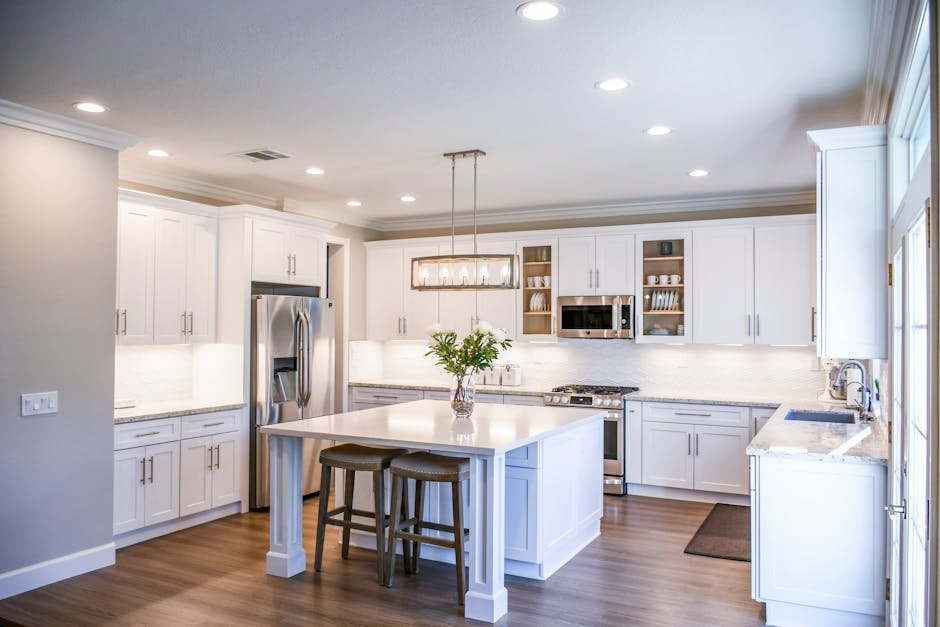
Designing a kitchen that works for your whole family can feel like a puzzle. You want a space that’s safe for the kids, practical for everyday cooking, and inviting for family gatherings.
But how do you create a layout that balances all these needs without feeling crowded or chaotic? You’ll discover simple, smart ways to design a family-friendly kitchen that fits your lifestyle perfectly. By the end, you’ll have clear ideas to make your kitchen a place where everyone feels at home and everything flows smoothly.
Keep reading—you’re closer than you think to the kitchen your family will love.
Key Elements Of Family-friendly Kitchens
Designing a kitchen for a family means making it safe and practical. The kitchen should support daily activities and keep everyone comfortable.
Focus on features that protect children, use strong materials, and offer plenty of storage. These help the kitchen work well for all family members.
Safety Features For Kids
Safety is key in a family kitchen. Use child-proof locks and covers on cabinets and drawers. Place sharp tools and chemicals out of reach.
- Install stove knob covers and guards
- Use outlet covers on all electrical sockets
- Keep knives and scissors in high drawers
- Add corner protectors on counters and tables
- Choose slip-resistant flooring to prevent falls
Durable And Easy-to-clean Materials
Choose materials that stand up to spills and heavy use. Surfaces should be easy to wipe clean to save time and effort.
| Material | Benefits |
| Quartz countertops | Scratch-resistant and stain-proof |
| Vinyl flooring | Waterproof and easy to clean |
| Laminate cabinets | Durable and low maintenance |
| Tempered glass backsplashes | Heat resistant and wipes clean easily |
Ample Storage Solutions
Good storage keeps the kitchen organized and safe. Use shelves, drawers, and bins to hold all items neatly.
- Lower cabinets with soft-close drawers for easy access
- High shelves for items not used daily
- Pull-out bins for recycling and trash
- Hooks or racks for pots, pans, and utensils
- Clear containers to see pantry items at a glance

Credit: decorcabinets.com
Optimizing Kitchen Zones
Designing a kitchen with clear zones helps families use the space efficiently. Each zone should serve a specific purpose for smooth daily routines.
Organizing your kitchen into cooking, eating, and cleaning areas creates a balanced and family-friendly layout.
Cooking And Prep Areas
Place your stove, oven, and prep counter close to each other. This setup saves time and reduces walking during meal preparation.
- Keep knives and cutting boards near the prep counter.
- Store pots and pans close to the stove.
- Have easy access to spices and oils.
- Provide enough counter space for mixing and chopping.
Eating And Gathering Spaces
Create a cozy area for family meals and casual talks. It should be easy to reach from the cooking zone but separate enough for comfort.
| Feature | Ideal Location | Benefit |
| Dining Table | Near kitchen exit | Easy serving and clearing |
| Breakfast Bar | Next to prep counter | Quick snacks and chats |
| Seating Bench | Corner of kitchen | Extra space and storage |
Cleaning And Maintenance Zones
Keep the sink, dishwasher, and trash bin close. This helps clean up fast after cooking or eating.
Organize cleaning supplies under the sink or in nearby cabinets.
- Place trash and recycling bins in an easy-to-reach spot.
- Use a drying rack near the sink for washed dishes.
- Keep dish soap and scrubbers within arm’s reach.
Smart Layout Designs
Designing a kitchen with a family-friendly layout means making space safe and easy to use. Smart layouts help everyone move around and work together comfortably.
Good kitchen design fits the needs of daily life. It makes cooking, eating, and cleaning smooth and stress-free for all family members.
Open Floor Plans
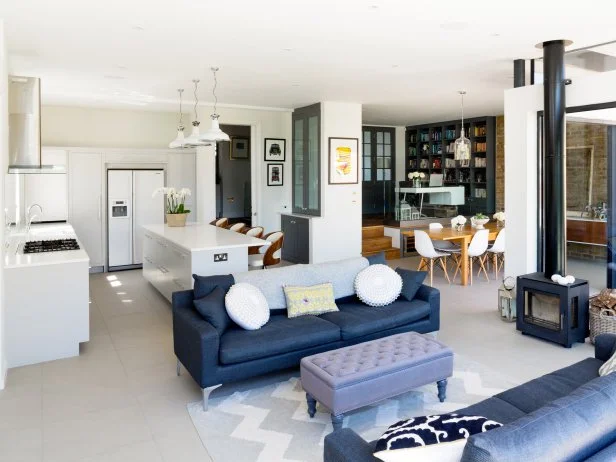
Open floor plans connect the kitchen with dining and living areas. This design keeps family members in touch while doing different tasks.
It also allows parents to watch children while cooking or cleaning. Open spaces make the kitchen feel larger and brighter.
Work Triangle Efficiency
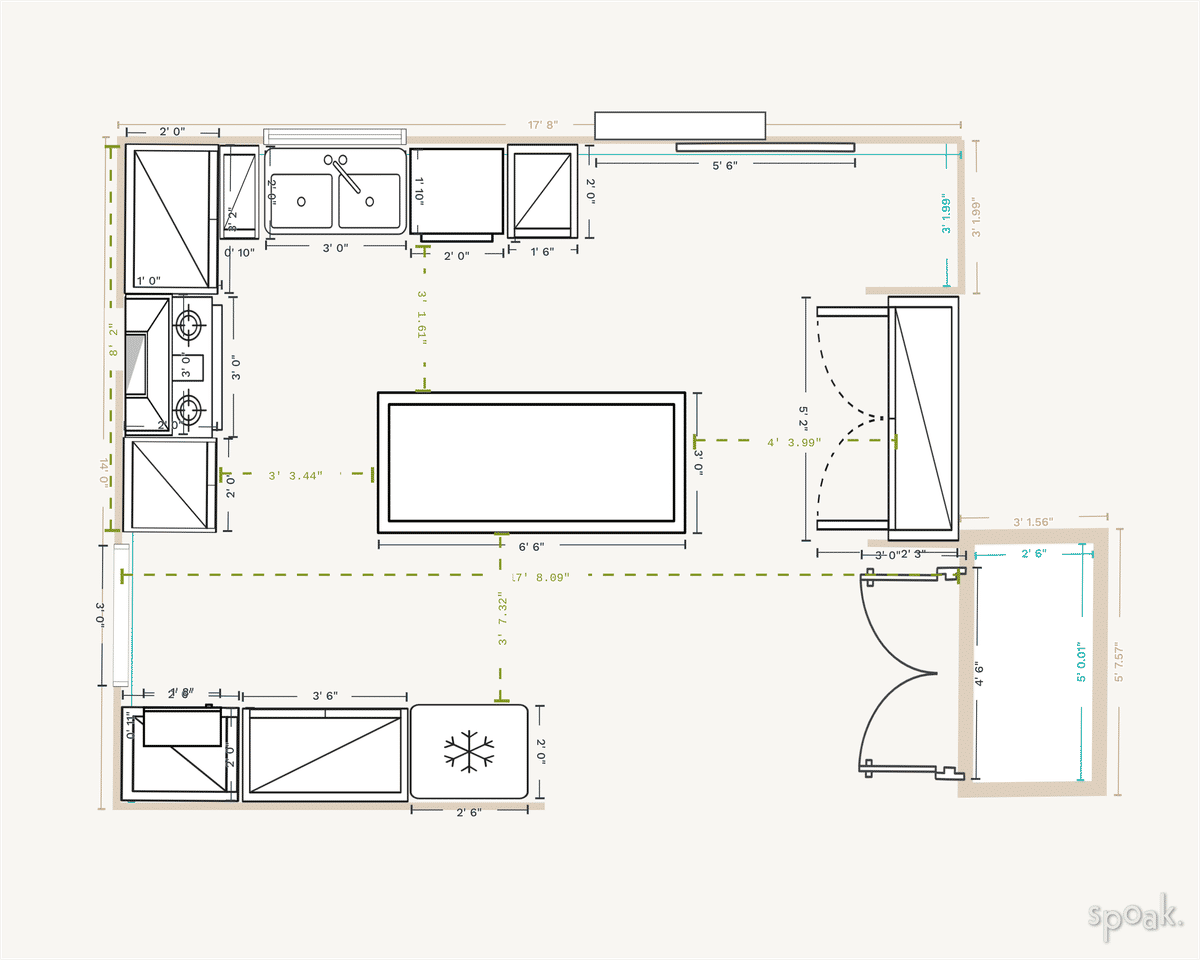
The work triangle links the stove, sink, and refrigerator. A good triangle saves steps and time during meal prep.
- Keep the triangle sides between 4 and 9 feet.
- Avoid crossing traffic paths through the triangle.
- Place storage close to each point for easy reach.
This simple layout reduces clutter and helps family members cook together without bumping into each other.
Incorporating Multi-use Islands
Multi-use islands add extra workspace, storage, and seating. They become a hub for cooking, eating, and homework.
| Feature | Benefit |
| Additional countertop | More prep space for cooking |
| Storage cabinets | Keep kitchen tools organized |
| Seating area | Family gathers for meals and chats |
| Built-in appliances | Saves space and adds convenience |
Choosing Family-friendly Appliances
Designing a kitchen for your family means picking the right appliances. Family-friendly appliances make cooking safer and easier for everyone. They help save energy and keep children safe.
Look for appliances that fit your family’s needs. Think about energy use, controls, and safety features. These choices make your kitchen more comfortable and practical.
Energy-efficient Options
Energy-efficient appliances save money on bills and reduce environmental impact. They use less electricity and water without losing power or function.
- Choose Energy Star certified refrigerators and dishwashers
- Look for ovens with convection settings to cook faster
- Pick LED lighting inside appliances for low power use
- Use induction cooktops that heat quickly and cool fast
User-friendly Controls
Simple controls help all family members use appliances easily. Clear buttons and displays reduce mistakes and frustration.
| Control Type | Benefit |
| Touchscreen | Easy to clean and read |
| Large Buttons | Good for kids and seniors |
| Voice Control | Hands-free operation |
| Manual Knobs | Simple and reliable |
Child-safe Features
Child-safe features protect little ones from accidents. These include locks and shields that keep kids away from hot or sharp parts.
- Appliance locks to stop doors and lids from opening
- Cool-touch surfaces to prevent burns
- Automatic shut-off for ovens and cooktops
- Hidden controls out of children’s reach
Creating Functional Storage
Designing a kitchen for a family means making storage easy to use. Good storage helps keep things tidy and safe.
Organize your kitchen so everyone can find what they need without trouble. This saves time and keeps the space pleasant.
Accessible Shelving For Kids
Place shelves where children can reach items safely. Use lower shelves for their dishes, snacks, and cups.
- Install open shelves at child height
- Use bins or baskets for small toys or utensils
- Label shelves with pictures or words
- Keep heavy or sharp items out of reach
Organized Pantry Solutions
A neat pantry helps the family see all food items clearly. Arrange items by type and use containers to keep food fresh.
| Pantry Item | Storage Tip | Container Type |
| Grains and Pasta | Use airtight containers to keep dry | Clear plastic or glass jars |
| Snacks | Group by type and label | Baskets or bins |
| Spices | Arrange by frequency of use | Small jars or spice racks |
| Canned Goods | Stack by expiration date | Wire racks or shelves |
Hidden Storage Ideas
Use hidden spaces to keep clutter out of sight. Drawers under counters or toe-kick drawers work well for this.
Try these hidden storage options:
- Pull-out spice racks inside cabinets
- Toe-kick drawers for extra utensils or cutting boards
- Cabinet doors with mounted racks for lids or small items
- Under-sink organizers that slide out
Designing Comfortable Eating Areas
Creating a kitchen layout that welcomes the whole family starts with comfortable eating areas. These spaces should invite everyone to sit and enjoy meals together.
Focus on seating, flexibility, and surfaces that make daily life easier and more pleasant for kids and adults alike.
Kid-friendly Seating
Choose seats that fit children’s sizes and keep safety in mind. Small chairs or booster seats help kids eat comfortably and join family meals.
- Use chairs with rounded edges to avoid injuries.
- Add cushions for extra comfort and support.
- Keep seating height low or use step stools for easy access.
- Place seats near adults to encourage interaction.
Flexible Dining Spaces
Design eating areas that can change with your family’s needs. Flexible spaces adapt from quick breakfasts to longer dinners.
- Choose tables with extendable leaves to add more space.
- Use lightweight chairs that can move easily around the room.
- Create zones for different activities, like eating, homework, or crafts.
- Consider a breakfast nook for casual meals and snacks.
Easy-to-clean Surfaces
Pick materials that clean quickly and resist stains. This helps keep the kitchen neat without much effort.
| Surface Type | Cleaning Ease | Durability |
|---|---|---|
| Laminate | Wipes clean with a damp cloth | Good for daily use |
| Quartz | Resists stains and scratches | Very durable and long-lasting |
| Vinyl flooring | Simple to mop and dry | Comfortable and water-resistant |
| Stainless Steel | Use mild cleaner to avoid streaks | Highly durable and hygienic |
Incorporating Technology And Lighting
Designing a kitchen that is family-friendly means adding smart technology and good lighting. These elements make cooking safer and easier for everyone.
Technology and lighting can improve the kitchen’s look and function. They help create a space where family members enjoy spending time.
Smart Kitchen Gadgets
Smart gadgets add convenience and safety to a family kitchen. Many devices connect to your phone or voice assistant. This makes daily tasks simple and quick.
- Touchless faucets to reduce germs
- Smart ovens that you can preheat remotely
- Refrigerators with cameras to track food items
- Voice-controlled assistants for hands-free help
- Automatic coffee makers with timers
Task And Ambient Lighting
Good lighting is key in a family kitchen. Task lighting helps you see well when cooking and cleaning. Ambient lighting creates a warm space for family time.
| Lighting Type | Purpose | Example |
| Task Lighting | Brightens work areas | Under-cabinet LED lights |
| Ambient Lighting | Sets overall mood | Ceiling fixtures or pendant lights |
| Accent Lighting | Highlights features | Spotlights on artwork or shelves |
Safety Lighting Features
Safety lighting helps prevent accidents in a busy kitchen. It guides family members and highlights hazards. Motion sensors and night lights are useful tools.
- Motion-activated lights under cabinets
- Night lights near the floor to guide steps
- Bright lighting over sharp objects and stoves
- Emergency lights that turn on during power outages
Credit: www.hgtv.com
Credit: www.spoak.com
Frequently Asked Questions
What Is A Family-friendly Kitchen Layout?
A family-friendly kitchen layout prioritizes safety, functionality, and accessibility. It features open spaces for easy movement, durable materials for longevity, and child-safe designs. Ample storage and seating areas encourage family interaction. This layout seamlessly integrates cooking, dining, and socializing zones, making it ideal for family gatherings and everyday use.
How Do I Ensure Kitchen Safety For Kids?
To ensure kitchen safety for kids, use child-proof locks on cabinets and drawers. Install safety gates to prevent access to hazardous areas. Use non-slip mats and choose rounded-edge furniture to prevent injuries. Keep sharp objects and chemicals out of reach.
Supervise children at all times while in the kitchen.
Which Materials Are Best For A Family Kitchen?
Durable, easy-to-clean materials are ideal for family kitchens. Choose quartz or granite countertops for their resilience and low maintenance. Opt for hardwood or tile flooring for durability. Use stainless steel appliances for their longevity and resistance to fingerprints. These materials withstand high traffic and are family-friendly.
How Can I Maximize Kitchen Storage?
Maximize kitchen storage by using vertical space with tall cabinets and shelves. Incorporate pull-out pantry systems and drawer organizers for efficient use of space. Use hooks and racks for hanging utensils and pots. Consider multi-functional furniture like kitchen islands with built-in storage to keep the area tidy and organized.
Conclusion
Designing a family-friendly kitchen helps everyone enjoy cooking and eating together. A good layout keeps space safe, open, and easy to move around. Think about storage, seating, and clear paths for kids and adults. Small changes make big differences in daily use.
A well-planned kitchen invites smiles and shared moments. Remember, the best kitchens fit your family’s needs and habits. Simple, thoughtful design creates a warm, welcoming space for all.