
Are you tired of streaky windows, smudged screens, or scratched surfaces despite your best cleaning efforts? Using a microfiber cloth might seem simple, but there are smart ways to get the most out of it.
With the right tips, your cleaning routine can become faster, easier, and more effective. Keep reading to discover how you can use a microfiber cloth correctly and see the difference in every surface you touch.
:max_bytes(150000):strip_icc()/SPR-how-to-keep-clothes-fresh-11781597-348caf1991444f6996e7ad41fe47b05e.jpg)
Credit: www.thespruce.com
Choosing The Right Microfiber Cloth
Microfiber cloths are great for cleaning many surfaces. Choosing the right one helps you clean better and protect surfaces.
Different cloths have different textures and uses. Knowing the types helps you pick the best cloth for your needs.
Different Types And Weaves
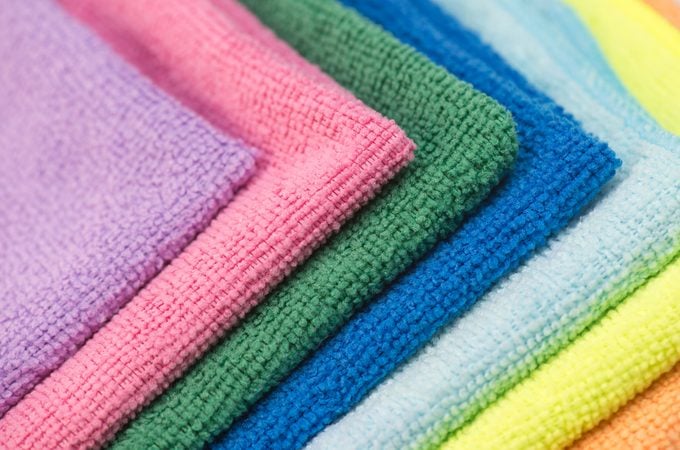
Microfiber cloths come in many weaves. Each weave works best for certain tasks. The main types are terry, suede, and waffle weaves.
Terry weave has loops and is thick. It holds more dirt and water. Suede weave is smooth and soft. It is good for delicate surfaces. Waffle weave looks like a grid. It dries fast and scrubs gently.
- Terry weave:Best for heavy cleaning and drying
- Suede weave:Ideal for glass and electronics
- Waffle weave:Good for kitchens and bathrooms
Selecting Based On Cleaning Tasks
Match your microfiber cloth to the cleaning job. Different tasks need different cloth qualities.
Use thick cloths for tough dirt. Use soft cloths for screens or lenses. For dusting, choose cloths that trap dust well.
- Heavy dirt:Thick terry cloth to scrub and absorb
- Delicate surfaces:Smooth suede cloth to avoid scratches
- Dusting:Lightweight cloth that holds dust
- Drying:Absorbent cloth with looped weave
Credit: www.rd.com
Preparing The Cloth Before Use
Using a microfiber cloth properly starts with preparing it well. This helps the cloth clean better and last longer.
Before you use a new microfiber cloth, it is important to wash it first. This removes any residues from manufacturing or packaging.
Washing New Cloths
Wash new microfiber cloths before the first use. This removes dust, oils, and chemicals that can affect cleaning.
Use warm water and mild detergent for washing. Avoid using bleach or strong chemicals that can damage the fibers.
- Wash separately from other clothes
- Use gentle cycle on the washing machine
- Rinse thoroughly to remove detergent
- Air dry or tumble dry on low heat
Avoiding Fabric Softeners
Do not use fabric softeners when washing microfiber cloths. They leave a coating that reduces absorbency.
Fabric softeners can clog the tiny fibers, making the cloth less effective at picking up dirt and dust.
- Skip fabric softeners and dryer sheets
- Use only mild detergent without additives
- Rinse well to keep fibers clean and open
Effective Cleaning Techniques
Using a microfiber cloth correctly helps clean surfaces efficiently. It traps dust and dirt without scratching.
Knowing when to use the cloth dry or damp and how to wipe matters. Follow simple tips for the best results.
Dry Vs. Damp Usage
Use a dry microfiber cloth to dust and polish surfaces. It picks up loose dirt and dust well.
Damp cloths work best for sticky or greasy spots. Lightly moisten the cloth with water before wiping.
- Dry cloth: dust, polish, and absorb spills
- Damp cloth: clean smudges and light stains
- Do not soak the cloth; excess water can leave streaks
- Use clean cloths for different tasks to avoid spreading dirt
Proper Wiping Motions
Wipe in gentle, straight strokes rather than circles. This avoids pushing dirt around.
| Motion | Effect |
| Straight strokes | Removes dirt efficiently |
| Circular motions | May spread dirt or cause streaks |
| Light pressure | Prevents damage to surfaces |
| Heavy pressure | Can scratch or wear the cloth |
Handling Delicate Surfaces
Delicate surfaces need extra care. Use a clean, soft microfiber cloth with minimal pressure.
Tips for delicate surfaces:
- Test the cloth on a small area first
- Avoid harsh cleaning agents
- Use only water or gentle cleaners
- Do not rub hard or scrub
- Replace cloth if it has rough spots or debris
Maintaining Your Microfiber Cloth
Microfiber cloths work best when you keep them clean and well cared for. Proper maintenance helps them last longer and stay effective.
Learn simple tips to wash, dry, and store your microfiber cloth the right way. This keeps them soft and ready for use.
Washing And Drying Tips
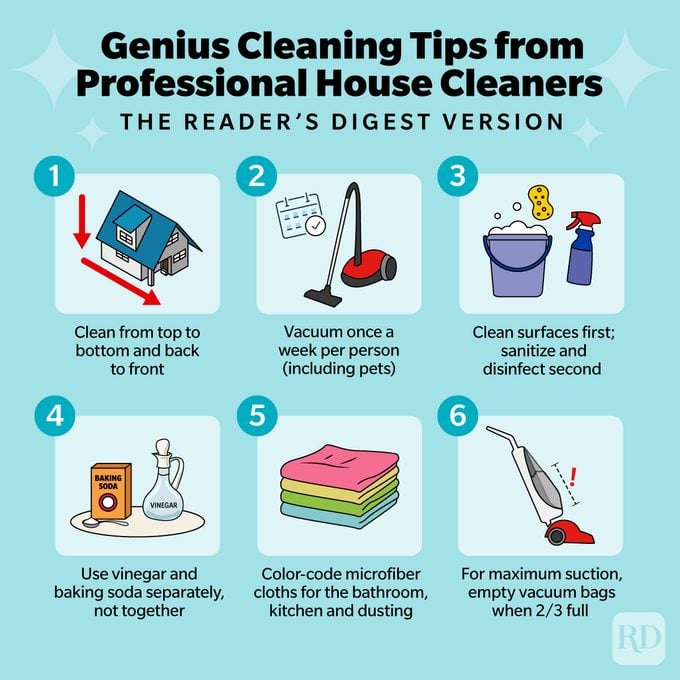
Wash microfiber cloths separately from other laundry. Avoid using fabric softeners or bleach. These products can clog the fibers and reduce cleaning power.
Use warm or cold water to wash microfiber cloths. Hot water can damage the fibers and shorten the cloth’s life.
- Use mild detergent without additives
- Wash in gentle or normal cycle
- Do not use bleach or fabric softener
- Air dry or tumble dry on low heat
- Do not iron or dry clean microfiber cloths
Storage Recommendations
Store microfiber cloths in a clean, dry place. Keep them away from dust, dirt, and moisture. This prevents bacteria growth and keeps them fresh.
Fold or hang cloths neatly to avoid wrinkles and damage. Separate cloths used for different tasks to stop cross-contamination.
- Keep cloths in a closed container or drawer
- Do not store cloths when wet or dirty
- Label cloths for specific cleaning jobs
- Replace cloths that are worn out or stained
Common Mistakes To Avoid
Microfiber cloths clean surfaces well, but using them wrong can cause damage. Avoid these common mistakes to keep your cloths effective and lasting.
Proper care helps you get the best results. Learn what to skip when using microfiber cloths.
Using Harsh Chemicals
Harsh chemicals can break down microfiber fibers. This reduces the cloth’s ability to clean and trap dust.
Avoid bleach, fabric softeners, and strong detergents. These can damage the cloth and make it less absorbent.
- Do not use bleach or chlorine cleaners
- Avoid fabric softeners and dryer sheets
- Use mild detergent for washing
- Rinse cloths well to remove soap
Mixing With Other Fabrics
Washing microfiber cloths with other fabrics can cause lint and fibers to stick. This reduces cleaning power and may damage the cloth.
Always wash microfiber separately or with similar cloths to keep them clean and effective.
- Do not wash with cotton towels or clothes
- Wash with other microfiber or delicate items only
- Use a gentle wash cycle to avoid fiber damage
- Dry on low heat or air dry to protect fibers
Specialized Uses And Hacks
Microfiber cloths are more than just cleaning tools. They work well for many special tasks. Using them right can save time and protect your items.
Here are some smart ways to use microfiber cloths for tricky cleaning and polishing jobs.
Cleaning Electronics
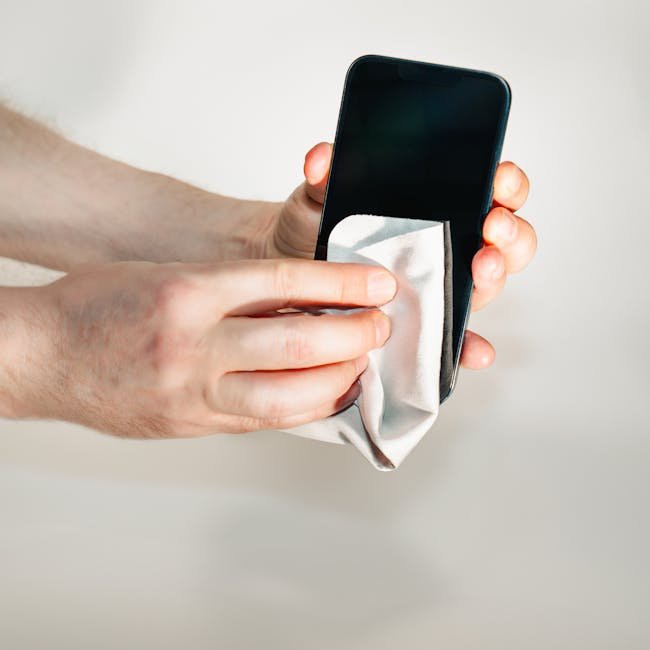
Microfiber cloths gently remove dust and fingerprints from screens and devices. They avoid scratches and static buildup that other cloths might cause.
- Turn off the device before cleaning.
- Use a dry microfiber cloth to wipe screens and keyboards.
- For stubborn spots, slightly dampen the cloth with water only.
- Do not spray liquids directly on electronics.
- Clean your cloth often to avoid spreading dirt.
Polishing Glass And Mirrors
Microfiber cloths leave glass and mirrors streak-free and shiny. Their fine fibers catch dust and oils without leaving lint behind.
| Tip | Why It Works |
| Use a clean, dry cloth | Prevents smudges and streaks |
| Wipe in circular motions | Helps remove spots evenly |
| Apply gentle pressure | Protects delicate surfaces |
| Wash cloth regularly | Removes built-up oils and dirt |
Removing Stubborn Stains
Microfiber cloths can help lift tough stains with the right method. They work best when used with a little water or mild cleaner.
Try this quick hack:
- Dampen the microfiber cloth with warm water.
- Apply a small amount of mild detergent to the cloth.
- Gently rub the stain in a circular motion.
- Rinse the cloth and wipe the area to remove residue.
- Let the area air dry.
Credit: www.rd.com
Frequently Asked Questions
What Are Microfiber Cloths Used For?
Microfiber cloths are ideal for cleaning surfaces without scratching. They effectively remove dust, dirt, and grime. Use them for electronics, glass, and furniture. Their fine fibers trap particles, making them efficient for various cleaning tasks. They’re also reusable and eco-friendly, reducing waste from disposable cleaning products.
How Do You Clean A Microfiber Cloth?
To clean a microfiber cloth, wash it in warm water. Use a mild detergent and avoid fabric softeners. Rinse thoroughly and air dry or tumble dry on low. This maintains the cloth’s cleaning efficiency and prolongs its lifespan. Always follow specific care instructions for optimal results.
Can Microfiber Cloths Scratch Surfaces?
Microfiber cloths are designed to be gentle and non-abrasive. They are unlikely to scratch surfaces when used correctly. However, ensure the cloth is clean and free from debris before use. Dirty cloths can cause scratches, so regular washing is important to maintain their effectiveness and safety.
How Long Do Microfiber Cloths Last?
Microfiber cloths can last several years with proper care. Their durability depends on usage and maintenance. Regular washing and avoiding harsh chemicals will extend their lifespan. Replace them when they show signs of wear or lose their cleaning efficiency to ensure optimal performance.
Conclusion
Using a microfiber cloth the right way makes cleaning easier and better. Always keep it clean and dry before use. Use gentle motions to avoid scratches. Choose the right cloth for each surface. This small tool saves time and effort.
Care for it well to keep it soft and effective. Clean surfaces look brighter and last longer. Simple steps bring great results every time. Try these tips and see the difference yourself.