
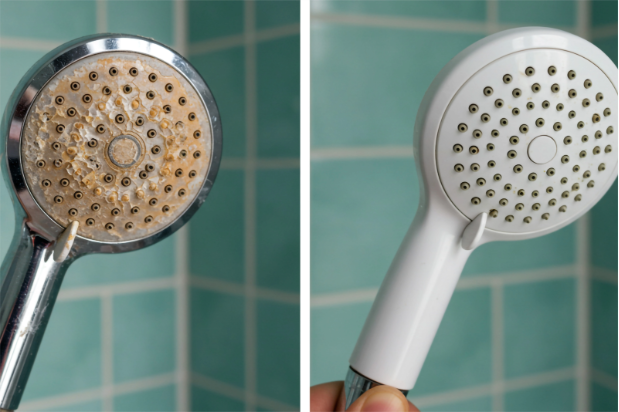
Your shower faucet is one of the most used fixtures in your home, but it’s easy to overlook when it comes to cleaning. Over time, buildup from soap, hard water, and grime can make your faucet look dull and even affect how it works.
If you want your bathroom to feel fresh and your faucet to last longer, knowing how to clean it properly is key. In this guide, you’ll learn simple, effective steps to get your shower faucet sparkling again—without spending hours or using harsh chemicals.
Keep reading, and you’ll discover tips that make cleaning quick and hassle-free.
Gather Cleaning Supplies
Cleaning shower faucets is easier when you have the right supplies ready. Gather everything before you start to save time.
Using the correct tools and cleaning agents helps remove dirt and build-up effectively. This keeps your faucets shiny and working well.
Essential Tools
Having the right tools makes cleaning quick and safe. You will need items that protect your hands and help scrub hard spots.
- Soft cloths or microfiber towels
- Old toothbrush or small scrubbing brush
- Rubber gloves to protect your skin
- Plastic scraper or old credit card for tough spots
- Spray bottle for applying cleaning solutions
Recommended Cleaning Agents
Choose cleaning agents that remove soap scum and mineral deposits without damaging faucets. Gentle solutions work best.
- White vinegar for dissolving mineral build-up
- Mild dish soap to cut grease and grime
- Baking soda as a natural scrub
- Commercial faucet cleaner (optional)
- Water for rinsing
Prepare The Faucet
Cleaning shower faucets starts with proper preparation. This helps protect the faucet and makes cleaning easier.
Two important steps to prepare your faucet are turning off the water supply and removing any loose debris.
Turn Off Water Supply
Before cleaning, shut off the water supply to avoid leaks or sprays. This step keeps you safe and stops water waste.
- Locate the main water valve or the valve near the shower.
- Turn the valve clockwise to close it.
- Test the faucet to make sure no water flows.
Remove Loose Debris
Clear away dirt, hair, and soap scum before deep cleaning. This prevents scratches and helps cleaning products work better.
| Tools Needed | Purpose |
| Soft cloth or sponge | Wipe off loose dirt and dust |
| Old toothbrush | Reach small crevices and corners |
| Plastic scraper | Remove stuck-on soap scum gently |
Apply Cleaning Solution
Cleaning shower faucets helps keep them shiny and working well. Using the right cleaning solution makes the job easier. This guide shows safe ways to apply cleaning liquids.
Some cleaning solutions remove mineral deposits. Others clean dirt and grime. Always use the correct method for best results.
Use Vinegar For Mineral Deposits
Vinegar is good for removing hard water stains and mineral build-up on faucets. It is natural and gentle but works well on tough spots.
- Soak a cloth in white vinegar.
- Wrap the cloth around the faucet.
- Let it sit for 30 minutes to an hour.
- Remove the cloth and scrub with a soft brush.
- Rinse the faucet with water and dry it.
Apply Commercial Cleaners Safely
Commercial cleaners can clean well but may contain strong chemicals. Use them carefully to avoid damage and protect your skin.
| Safety Tips | Details |
| Read label instructions | Follow all directions on the product package |
| Wear gloves | Protect your hands from harsh chemicals |
| Ventilate area | Open windows or use fans to avoid fumes |
| Test on small spot | Check for damage before full use |
| Rinse thoroughly | Remove all cleaner residue after use |

Credit: www.amazon.in
Scrub The Faucet
Cleaning shower faucets keeps them shiny and working well. Dirt and soap build-up can make faucets look dull.
Scrubbing the faucet removes grime and prevents damage. Using the right tools and techniques makes cleaning easier.
Choose The Right Brush
Pick a brush that cleans well without scratching. Soft bristles work best on chrome and brass faucets.
- Use a toothbrush for small or detailed areas
- Choose a soft nylon brush for general cleaning
- A sponge with a non-abrasive side can help remove soap scum
- A small scrub brush works well on stubborn spots
Techniques For Effective Cleaning
| Technique | How to Do It |
|---|---|
| Soak the Brush | Dip the brush in warm, soapy water before scrubbing. |
| Use Circular Motions | Scrub in circles to loosen dirt and avoid scratches. |
| Focus on Crevices | Clean small gaps and joints carefully with a toothbrush. |
| Rinse Often | Rinse the faucet and brush to remove loosened grime. |
| Dry After Cleaning | Wipe faucet dry with a soft cloth to prevent water spots. |
Rinse And Dry
Cleaning shower faucets needs careful rinsing and drying. This keeps them shiny and prevents water spots.
Rinsing removes leftover cleaner and dirt. Drying stops water marks and rust from forming.
Remove Residue Thoroughly
After cleaning, rinse the faucet well with warm water. Use a soft cloth or sponge to wipe away any leftover soap or cleaner.
Check all faucet parts, including handles and spouts. Make sure no cleaner or dirt stays behind to cause damage or stains.
- Use warm water for rinsing
- Wipe with a soft cloth or sponge
- Check small crevices and joints
- Repeat if needed to remove all residue
Polish For Extra Shine
Dry the faucet with a clean microfiber cloth. This helps avoid water spots and gives a nice shine.
Polish the faucet by buffing it gently. This makes the metal look smooth and bright.
- Use a soft, dry microfiber cloth
- Buff in small circular motions
- Focus on areas with water spots
- Polish regularly to keep shine

Credit: www.reddit.com
Prevent Future Buildup
Cleaning shower faucets removes dirt and mineral deposits. Preventing buildup keeps them working well longer.
Simple habits can stop tough stains and hard water marks from forming again.
Regular Maintenance Tips
Wipe faucets dry after each use to avoid water spots. Use a soft cloth to prevent scratches.
Clean faucets weekly with mild soap and water. Avoid harsh cleaners that can damage the finish.
- Dry faucets after showers
- Use gentle cleaning products
- Remove mineral deposits with vinegar
- Check for leaks and fix them quickly
Protective Coatings
Apply a protective coating to stop water and dirt from sticking. This helps keep faucets shiny and clean.
Use wax or special sealants made for bathroom fixtures. Reapply coatings every few months for best results.
- Choose coatings safe for your faucet type
- Follow product instructions carefully
- Buff the surface after applying coatings
- Store cleaning supplies away from faucets
:max_bytes(150000):strip_icc()/hard-water-stains-GettyImages-95049731-c43b805fb6d24eeebfde65ae749b1a09.jpg)
Credit: www.realsimple.com
Frequently Asked Questions
How Often Should I Clean Shower Faucets?
Cleaning shower faucets once a month is ideal. Regular maintenance prevents grime build-up and ensures optimal performance. Use mild cleaning agents and a soft cloth to avoid damaging the finish. Consistent cleaning will extend the life of your faucets and maintain their shine.
What Household Items Can Clean Faucets?
Vinegar and baking soda are great for cleaning faucets. Mix them into a paste for tough grime. Apply, let sit for 15 minutes, then rinse with warm water. This natural method is effective and eco-friendly, leaving your faucets sparkling without harsh chemicals.
How Can I Remove Limescale From Faucets?
Use white vinegar to tackle limescale on faucets. Soak a cloth in vinegar, wrap it around the faucet, and leave for an hour. Rinse with warm water and wipe dry. This method effectively dissolves limescale deposits and restores your faucet’s shine.
Can I Use Bleach On Shower Faucets?
Avoid using bleach on shower faucets. It can damage finishes and corrode the material. Opt for gentler cleaners like vinegar or dish soap. These are effective, safer alternatives that maintain the faucet’s integrity and appearance without causing harm.
Conclusion
Cleaning shower faucets keeps them shiny and working well. Use gentle cleaners to avoid damage. Regular cleaning stops buildup and stains. Wipe faucets dry after each use to prevent water spots. Small steps make a big difference over time. A clean faucet also helps keep your bathroom fresh.
Try these simple tips to enjoy a neat, sparkling shower area every day. Easy to do, good to see.