
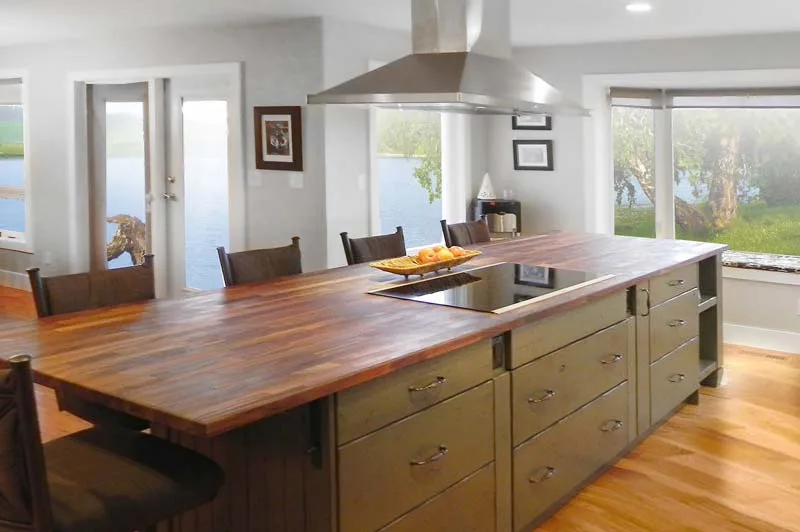
Choosing the perfect kitchen island countertop can feel overwhelming. After all, it’s the centerpiece where you cook, gather, and create memories.
You want something that looks great, lasts long, and fits your lifestyle. But how do you pick the right material, style, and color without second-guessing yourself? Keep reading, and you’ll discover simple tips to make a confident choice that transforms your kitchen into the heart of your home.

Credit: www.aosom.com
Materials For Kitchen Island Countertops
Choosing the right material for your kitchen island countertop matters. It affects style, durability, and care.
Explore popular options to find the best fit for your kitchen’s look and use.
Granite And Marble Options
Granite and marble offer natural beauty and strong surfaces. Granite is very hard and resists scratches well. Marble has a classic look but can stain more easily.
Both stones need sealing to protect against spills. They add value and style to kitchens but may need careful maintenance.
Quartz And Engineered Stone
Quartz and engineered stone mix natural quartz with resins. These countertops are tough and resist stains and scratches.
- Non-porous surface means no sealing needed
- Wide variety of colors and patterns
- Easy to clean and maintain
- Consistent look without natural flaws
Wood And Butcher Block
Wood countertops add warmth and charm. Butcher block is a popular choice, made from strips of hardwood glued together.
They require regular oiling to keep moisture out. Wood can scratch but these marks add character over time.
Concrete And Metal Choices
Concrete countertops offer a modern, industrial look. Metal options like stainless steel give a sleek, professional feel.
| Material | Pros | Cons |
| Concrete | Custom shapes and colors, very durable | Can crack, needs sealing |
| Stainless Steel | Heat resistant, easy to clean | Shows scratches, can dent |
| Copper | Develops unique patina, antimicrobial | Requires polishing, can scratch |

Credit: www.hgtv.com
Factors To Consider
Choosing the right kitchen island countertop is important for your kitchen’s look and use. Many factors affect which countertop fits best.
Think about how you use your kitchen and what matters most, like style, cost, and care. This will help you pick a countertop that works well.
Durability And Maintenance
Durability means how well the countertop stands up to daily use. Some materials resist scratches, stains, and heat better.
Maintenance is about how much effort you need to keep the countertop clean and looking good. Some need sealing or special cleaners.
- Granite is very durable but needs occasional sealing
- Quartz is strong and low maintenance
- Wood can scratch but adds warmth; needs oiling
- Laminate is easy to clean but less heat resistant
Budget And Cost Implications
Set a budget before choosing your countertop. Prices vary a lot depending on material and design.
Keep in mind installation and long-term care costs. Some materials cost more to install or maintain.
- Granite and quartz tend to be more expensive
- Laminate and butcher block are often cheaper
- Custom designs or rare stones increase cost
- Installation fees can add to your budget
Style And Kitchen Design
Choose a countertop that matches your kitchen’s style and colors. It should blend well with cabinets and flooring.
Think about the shape and finish. Matte or glossy finishes affect the look and feel of the island.
- Stone looks classic and elegant
- Wood adds a warm, rustic touch
- Concrete fits modern or industrial kitchens
- Laminate offers many colors and patterns
Functionality And Usage
Think about what you will use the island for. Cooking, dining, or extra storage needs different surfaces.
Some countertops are better for chopping or hot pans. Others work well for eating or working on a laptop.
- Hard surfaces like granite resist heat and cuts
- Wood is good for chopping but can dent
- Laminate is easy to clean for casual use
- Consider adding an overhang for seating
Popular Styles And Finishes
Choosing the right kitchen island countertop style and finish is important. It affects the look and feel of your kitchen.
This guide covers popular surface types, edge details, and color trends to help you decide.
Matte Vs Glossy Surfaces
Matte surfaces have a soft, non-shiny finish. They hide fingerprints and scratches well.
Glossy surfaces are shiny and reflect light. They can make the kitchen look brighter and bigger.
- Matte: hides marks, feels smooth, looks natural
- Glossy: shows reflections, easier to clean, looks modern
Edge Profiles And Details
Edges give your countertop character. Different profiles change the style and safety of the island.
Popular edge shapes include straight, beveled, rounded, and ogee. Rounded edges are safe for homes with kids.
- Straight edge: clean and modern look
- Beveled edge: angled cut for style
- Rounded edge: soft, safe, and smooth
- Ogee edge: decorative, classic style
Color Trends And Matching
Colors can set the mood in your kitchen. Neutral tones are popular for a timeless look.
Bold colors add personality but need careful matching with cabinets and walls.
- White and gray: clean and bright
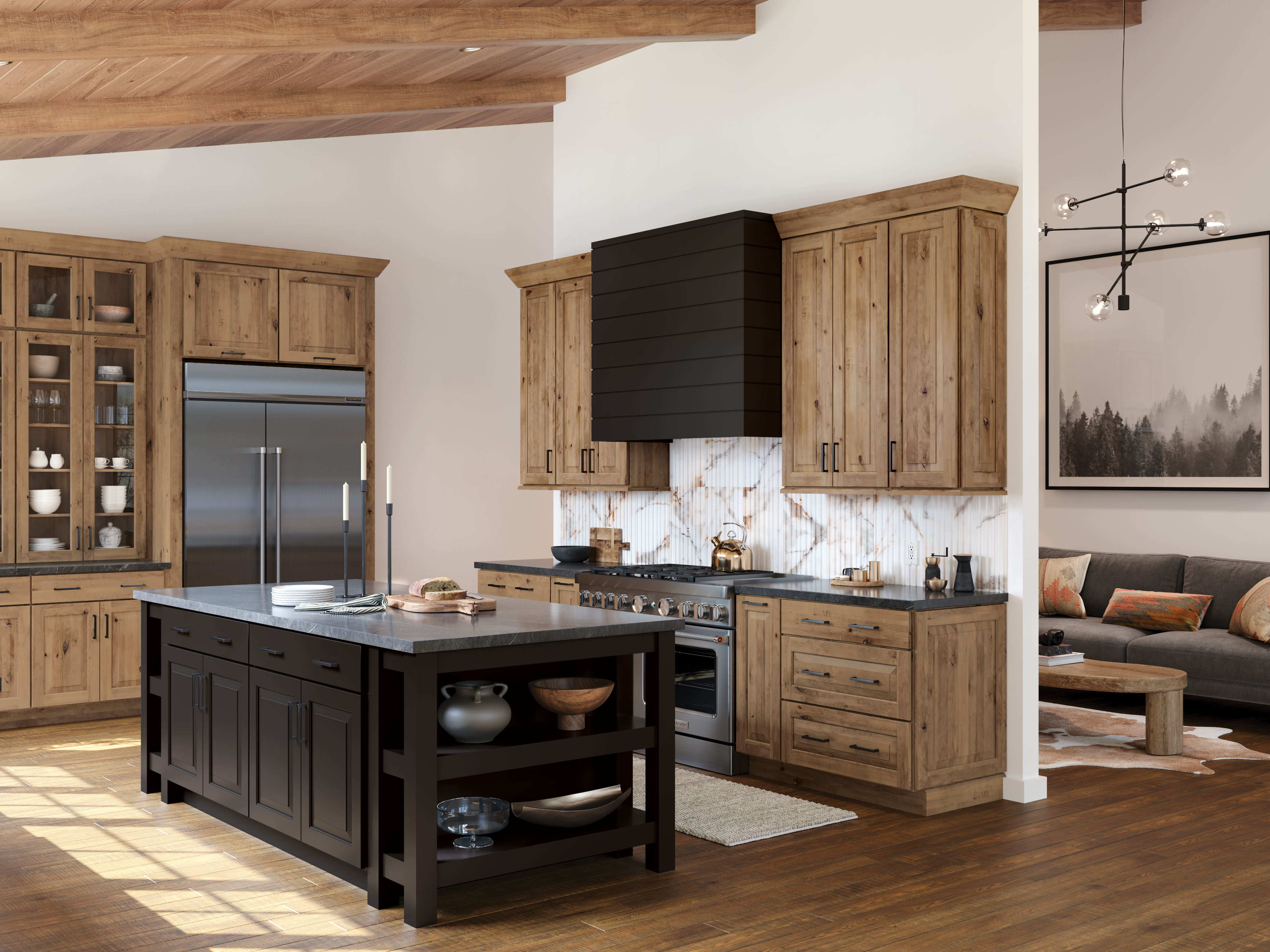
- Black and dark tones: elegant and modern
- Earth tones: warm and natural feel
- Bold colors: vibrant and eye-catching
Sizing And Layout Tips
Choosing the right kitchen island countertop size and layout is important. It helps your kitchen look good and work well.
Think about space, how you use the kitchen, and what you need in the island. This guide shares key tips for planning.
Measuring Space Accurately
Start by measuring your kitchen area where the island will go. Measure the length, width, and clearances around the space.
- Measure the total kitchen size first
- Leave at least 36 inches clearance around the island
- Check door swings and appliance space
- Note any obstacles like vents or columns
Balancing Island Size With Room
The island size should fit the room size and shape. A large island can crowd a small kitchen, while a small island may look lost in a big room.
| Kitchen Size | Ideal Island Size | Clearance Space Around |
| Small (under 150 sq ft) | 24-36 inches wide, 36-48 inches long | 36 inches |
| Medium (150-300 sq ft) | 36-48 inches wide, 48-72 inches long | 42 inches |
| Large (over 300 sq ft) | 48-60 inches wide, 72+ inches long | 48 inches |
Incorporating Seating And Storage
Think about adding seating and storage to your island. These features need space and affect the island size.
Here are key points to plan seating and storage:
- Allow 24 inches width per seat for comfortable seating
- Provide 15 inches depth for knee space under counter
- Include cabinets or shelves for pots, pans, or pantry items
- Consider drawers for utensils and smaller tools
Installation And Care
Choosing a kitchen island countertop means thinking about how to install and care for it. Proper installation helps keep it strong and safe.
Good care keeps your countertop looking nice and lasting longer. Learn about installation choices and how to clean and fix your countertop.
Professional Vs Diy Installation
Professional installation ensures the countertop fits perfectly and is safe to use. Experts have tools and skills to avoid damage.
DIY installation can save money but may risk mistakes. It needs careful measuring, lifting, and securing the countertop properly.
- Professionals handle heavy or fragile materials well
- DIY requires time, patience, and some tools
- Incorrect installation can cause cracks or leaks
- Professional work often includes a warranty
Cleaning And Maintenance Tips
Clean your kitchen island countertop regularly to keep it fresh. Use gentle cleaners that do not harm the surface.
Wipe spills quickly to avoid stains and damage. Avoid harsh chemicals and abrasive tools that can scratch or dull the finish.
- Use mild soap and warm water for daily cleaning
- Dry the surface with a soft cloth after cleaning
- Do not use bleach or ammonia-based cleaners
- Place hot pots on trivets, not directly on the countertop
- Use cutting boards to prevent knife marks
Repair And Longevity Advice
Fix small scratches and chips quickly to stop them from getting worse. Use repair kits made for your countertop type.
Regular sealing may be needed for some materials like granite or wood. This protects the surface and extends its life.
- Fill small cracks with epoxy or resin repair kits
- Sand lightly before applying repair products
- Seal porous materials once or twice a year
- Inspect the countertop for damage often
- Replace damaged parts if repair is not possible
Credit: www.kraftmaid.com
Frequently Asked Questions
What Materials Are Best For Kitchen Island Countertops?
Granite, quartz, and butcher block are popular choices for kitchen island countertops. Granite is durable and heat-resistant. Quartz is low-maintenance and available in many colors. Butcher block offers a warm, rustic look. Each material has unique benefits, so consider your style, budget, and maintenance preferences when choosing.
How Do I Maintain A Kitchen Island Countertop?
Regular cleaning with mild soap and water is essential. Avoid harsh chemicals that may damage the surface. Use cutting boards to prevent scratches and trivets for hot pots. Periodically seal materials like granite to maintain durability. Proper care will extend the lifespan and appearance of your countertop.
What Size Should My Kitchen Island Countertop Be?
The ideal size depends on your kitchen space and needs. Ensure at least 36 inches of clearance around the island for movement. A standard kitchen island is usually 3 feet by 6 feet. Consider your kitchen layout and how you plan to use the island for cooking, dining, or storage.
How Much Should I Budget For A Kitchen Island Countertop?
Prices vary based on material and size. Granite and quartz range from $50 to $200 per square foot. Butcher block is more affordable, starting around $30 per square foot. Budget for installation costs as well. Determine your budget early to help guide material and design choices.
Conclusion
Choosing the right kitchen island countertop takes thought and care. Consider your style, budget, and how you will use it. Durable materials last longer and need less upkeep. Think about colors and textures that match your kitchen. A good countertop makes your kitchen both beautiful and practical.
Take your time and choose what fits your needs best. Your perfect kitchen island is just a decision away.