
Are you worried about damaging your hardwood floors every time you clean them? You’re not alone.
Hardwood adds beauty and warmth to your home, but it can be delicate if not treated right. The good news is, with the right approach, you can keep your floors looking fresh and flawless without causing any harm. You’ll discover simple, practical tips that protect your hardwood while making cleaning easier than ever.
Keep reading—you’re about to learn how to care for your floors the smart way.
Choosing The Right Cleaning Tools
Cleaning hardwood floors needs the right tools to avoid damage. Using soft and gentle materials keeps the wood safe and shiny.
Selecting the proper cloths and mops helps remove dirt without scratching the surface. Avoid tools that can harm the finish.
Soft Cloths And Mops
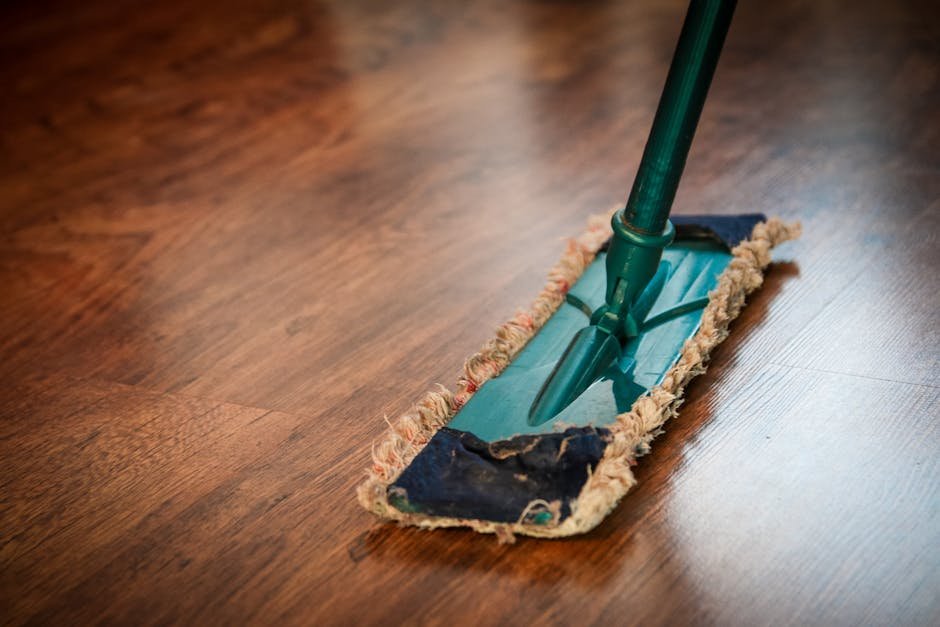
Use soft cloths made from microfiber or cotton. These materials trap dust and dirt without scratching hardwood floors.
- Choose microfiber cloths for gentle cleaning
- Use mops with soft, washable pads
- Avoid rough fabrics like scrubbing sponges
- Dry cloths well to prevent moisture damage
Avoiding Abrasive Materials
Abrasive materials can cause scratches and dull the finish of hardwood floors. Stay away from tools that are rough or harsh.
| Material | Effect on Hardwood |
|---|---|
| Steel wool | Scratches and damages finish |
| Hard-bristle brushes | Can leave marks and wear down surface |
| Scouring pads | Abrasive and rough, avoid use |
| Sandpaper | Removes finish and damages wood |
:strip_icc()/bhg-swiffer-power-mop-wood-quincy-bulin-08-e38c5920c12448a2a1925cae3110a502.jpeg)
Credit: www.bhg.com
Selecting Safe Cleaning Solutions
Cleaning hardwood floors needs care to avoid damage. Choosing the right cleaning solutions helps keep floors shiny and strong.
Some cleaners can harm the wood or finish. It is best to pick safe options that clean well without causing problems.
Natural Cleaners For Hardwood
Natural cleaners are gentle and safe for hardwood floors. They do not contain harsh chemicals that can strip the finish or dry the wood.
Simple ingredients like vinegar and water work well. Use diluted mixtures to clean without leaving streaks or residue.
- Mix one cup of vinegar with one gallon of warm water
- Use a soft mop or cloth to apply the solution
- Dry floors quickly with a clean towel
- Test any new cleaner on a small area first
Commercial Products To Avoid
Some commercial cleaners can damage hardwood floors. Avoid products with ammonia, bleach, or waxes that build up over time.
Also skip abrasive cleaners and steam mops. They can scratch the surface or cause moisture damage.
- Ammonia-based cleaners
- Bleach and harsh chemicals
- Oil soaps that leave residue
- Abrasive powders or scrubbing pads
- Steam cleaning machines
Proper Cleaning Techniques
Cleaning hardwood floors carefully helps keep them looking new. Use gentle methods to avoid damage.
Choose the right tools and cleaning materials to protect the wood’s finish and prevent scratches.
Dry Dusting Methods
Dry dusting removes dust and dirt without using water. Use soft tools that will not scratch the wood.
- Use a microfiber dust mop or cloth to trap dust.
- Avoid using rough brooms or brushes with stiff bristles.
- Dust regularly to prevent dirt buildup.
- Clean dust mops often to avoid spreading dust around.
Damp Mopping Best Practices
Damp mopping cleans sticky spots and stains. Use a barely wet mop to protect wood from water damage.
| Do | Don’t |
| Use a soft mop with a damp cloth | Use a soaking wet mop |
| Use hardwood-safe cleaner | Use harsh chemicals or soap |
| Wipe spills quickly | Let water sit on the floor |
| Dry floor immediately after mopping | Leave floor wet to air dry |
Dealing With Stains And Spills
Hardwood floors add warmth to any room. Stains and spills can damage their surface if not cleaned quickly. Proper care keeps floors looking new and shiny.
Use gentle cleaning methods to avoid scratches or discoloration. Knowing how to clean spills and stains safely helps protect your hardwood floors.
Quick Spill Cleanup
Clean spills as soon as they happen to stop damage. Liquids left on wood can cause stains or warping. Use a soft cloth or paper towel to blot the spill.
Avoid rubbing the spill. Rubbing can spread the liquid and push it deeper into the wood. After blotting, gently wipe the area with a damp cloth and dry it well.
- Blot spills immediately with a clean cloth
- Do not rub or scrub the spill
- Use a slightly damp cloth for sticky spots
- Dry the area fully to prevent water damage
Removing Tough Stains Safely
Tough stains need gentle cleaning to avoid harming the wood. Avoid harsh chemicals or abrasive tools. Use mild soap mixed with water for most stains.
For sticky or oily stains, try a small amount of white vinegar mixed with water. Test any cleaner on a hidden spot first. Gently rub the stain with a soft cloth and dry it afterward.
- Mix mild soap with warm water for cleaning
- Use white vinegar and water for sticky stains
- Test cleaners on a small, hidden area first
- Use soft cloths to avoid scratching
- Dry the floor completely after cleaning
Maintaining Hardwood After Cleaning
Cleaning hardwood floors is only the first step to keep them looking nice. Proper care after cleaning helps protect the wood and keep it smooth.
Regular maintenance prevents damage and extends the life of your hardwood floors. It also keeps the wood shiny and fresh.
Regular Polishing Tips
Polishing hardwood floors adds a protective layer and brings back their shine. Do this every few months to keep floors looking new.
Use a polish made for hardwood floors. Avoid wax-based products as they can build up and dull the surface.
- Clean floors before polishing to remove dirt and dust
- Apply polish with a soft cloth or mop in thin layers
- Let polish dry fully before walking on the floor
- Polish floors every 2-3 months or as needed
Protecting Against Future Damage
Protect hardwood floors from scratches, dents, and stains to keep them strong. Use simple habits to avoid damage.
Place mats at doors to catch dirt and moisture. Use furniture pads to stop scratches when moving chairs or tables.
- Use rugs in high-traffic areas to reduce wear
- Clean spills immediately to prevent stains
- Avoid walking on floors with high heels or cleats
- Keep pet nails trimmed to prevent scratches

Credit: www.express.co.uk
Preventing Common Hardwood Issues
Hardwood floors add beauty to any home. They need care to stay strong and look good. Simple cleaning habits can stop damage before it starts.
Knowing how to protect your floors helps keep them smooth and bright. Avoiding common problems saves time and money later.
Avoiding Water Damage
Water can cause wood to warp, stain, or weaken. It is important to keep floors dry and clean spills fast.
- Wipe up spills immediately with a dry cloth.
- Use mats near doors to catch rain and dirt.
- Keep humidity levels in your home between 30% and 50%.
- Do not use wet mops or excessive water when cleaning.
- Seal floors regularly to protect them from moisture.
Minimizing Scratches And Dents
Scratches and dents make floors look old and worn. Protecting your wood prevents marks and keeps floors smooth.
| Cause | Prevention |
| Furniture movement | Use felt pads under furniture legs |
| High heel shoes | Ask guests to remove shoes or wear soft slippers |
| Pet claws | Keep nails trimmed and use rugs in pet areas |
| Falling objects | Be careful when carrying heavy or sharp items |

Credit: www.dreametech.com
Frequently Asked Questions
How Do I Clean Hardwood Floors Naturally?
To clean hardwood floors naturally, use a mixture of vinegar and water. Mix one part vinegar with ten parts water. Mop the floor using a damp mop. Avoid soaking the floor with water. Dry with a clean cloth to prevent moisture damage.
This method is eco-friendly and effective.
Can I Use A Steam Mop On Hardwood Floors?
Avoid using a steam mop on hardwood floors. The intense heat and moisture can damage the wood. Instead, use a slightly damp mop with gentle cleaning solutions. Always follow the manufacturer’s cleaning recommendations to maintain the floor’s condition. Regular dry mopping will also help to keep dust and dirt away.
What Is The Best Cleaner For Hardwood Floors?
The best cleaner for hardwood floors is a pH-neutral wood cleaner. These are specifically designed to clean without causing damage. Avoid harsh chemicals like ammonia or bleach. Always follow the manufacturer’s instructions for cleaning products. Regular cleaning with appropriate solutions helps maintain the beauty of hardwood floors.
How Often Should I Clean Hardwood Floors?
Clean hardwood floors weekly to maintain their appearance. Dust and dirt can cause scratches, so regular cleaning is essential. Use a microfiber mop or vacuum with a hardwood floor attachment. Avoid excessive water and harsh chemicals. Regular maintenance ensures the longevity and beauty of your hardwood floors.
Conclusion
Cleaning hardwood floors needs care and the right methods. Use gentle products and avoid excess water. Regular sweeping helps stop dirt from scratching the wood. Test any cleaner on a small spot first. Keep your floors dry and clean for longer life.
These simple steps protect your hardwood and keep it looking nice. A little effort goes a long way. Your floors will stay beautiful and damage-free with proper care. Take your time and clean smart.