
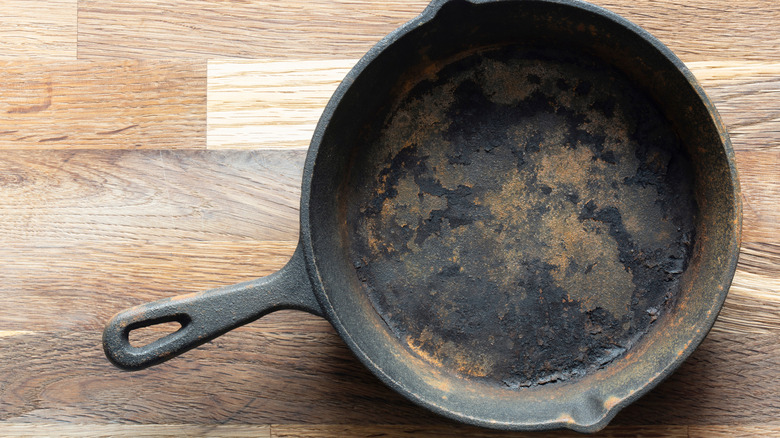
Rust can quickly turn your trusted cast iron cookware into a frustrating, unusable mess. If you’ve ever dealt with stubborn rust spots or felt unsure about how to keep your cast iron in perfect shape, you’re not alone.
The good news? Preventing rust is easier than you think. With a few simple steps and the right care, you can protect your cast iron and enjoy its unmatched cooking performance for years. Keep reading, and you’ll learn exactly how to keep your cast iron rust-free and ready for your next meal.
Credit: www.housedigest.com
Causes Of Rust On Cast Iron
Cast iron cookware is strong and lasts long. But it can rust if not cared for well. Rust happens when iron meets water and oxygen.
Understanding what causes rust helps you protect your cast iron. Here are the main reasons rust forms on cast iron.
Moisture Exposure
Water is the main cause of rust on cast iron. When cast iron stays wet or damp, rust forms quickly. Even steam or humidity can cause rust.
Leftover food with moisture can also trap water on the surface. This makes rust spots appear fast if the pan is not cleaned well.
Improper Drying
After washing, cast iron must dry completely. If water stays on the surface, rust will start to grow. Air drying can take too long.
It is best to dry cast iron with a towel or heat it on the stove. This removes all moisture and stops rust from forming.
Lack Of Seasoning
Seasoning is a layer of oil baked on the cast iron surface. It protects the metal from air and water. Without seasoning, cast iron rusts easily.
If the seasoning wears off or is uneven, rust spots can appear. Regular seasoning keeps the surface strong and rust-free.
Storage Conditions
Where and how you store cast iron matters. Damp or humid places cause rust faster. Storing cast iron with lids on traps moisture inside.
Cast iron should be stored in a dry place. Air should circulate around the cookware to keep it dry and rust-free.
Essential Cleaning Techniques
Cleaning cast iron cookware properly helps stop rust from forming. Using the right methods keeps your pan strong and safe to cook on.
Below are simple cleaning tips to protect your cast iron from rust and damage.
Avoiding Harsh Detergents
Harsh detergents can strip the protective seasoning on cast iron. This makes it easy for rust to appear.
Use mild soap or skip soap entirely. Warm water and a soft brush usually clean well without damage.
- Do not use strong chemical cleaners.
- Avoid bleach or abrasive powders.
- Choose gentle dish soap if needed.
- Rinse with warm water only for light cleaning.
Removing Rust Spots
Small rust spots can be removed to save your cast iron. Quick action stops rust from spreading.
- Scrub rust with a fine steel wool pad.
- Rinse the pan with warm water to wash off rust.
- Dry the pan completely with a cloth or heat.
- Apply a thin layer of oil to re-season the surface.
Proper Washing Methods
Washing cast iron the right way keeps it rust-free and ready to use.
| Washing Step | Do | Don’t |
|---|---|---|
| Cleaning | Use warm water and soft brush | Use harsh detergents or steel scrubs |
| Drying | Dry immediately with towel or heat | Let pan air dry or leave wet |
| Oiling | Apply thin oil layer after drying | Skip oiling or use thick oil |
Seasoning Your Cast Iron
Seasoning cast iron helps stop rust and creates a smooth cooking surface. It makes your pan last longer and cook better.
This process involves coating the pan with oil and heating it to build a protective layer. Proper seasoning keeps your cast iron in great shape.
Choosing The Right Oil
Pick an oil that can handle high heat and dries hard. This helps make a strong, durable layer on your pan.
Oils with a high smoke point work best. They create a tough, nonstick surface after heating.
- Flaxseed oil is popular for its hard finish.
- Vegetable oil is easy to find and works well.
- Canola oil offers good heat resistance.
- Grapeseed oil also has a high smoke point.
Step-by-step Seasoning Process
Start by cleaning your cast iron thoroughly with warm water and a brush. Dry it completely before seasoning.
Next, apply a thin, even coat of your chosen oil all over the pan. Don’t leave any thick spots.
- Preheat your oven to 450°F (230°C).
- Place the oiled pan upside down on the middle rack.
- Put a sheet of foil on the lower rack to catch drips.
- Bake the pan for one hour.
- Turn off the oven and let the pan cool inside.
Repeat the process 2-3 times for better seasoning layers. Each layer adds more protection.
Maintaining The Seasoned Layer
Keep your cast iron dry and clean after each use. Avoid soaking it in water for long periods.
Use mild soap if needed and dry the pan right away. Apply a light coat of oil before storing to stop rust.
- Clean with a brush or scraper after cooking.
- Dry with a towel or heat on the stove.
- Rub a small amount of oil on the surface.
- Store in a dry place to prevent moisture.
Credit: www.carawayhome.com
Drying And Storage Tips
Cast iron cookware lasts a long time if you care for it well. Drying and storing it right helps stop rust from forming.
Keep your cast iron dry and store it in a good place. This will keep it ready to use and looking great.
Thorough Drying Methods
After washing, dry your cast iron completely. Water left on the surface causes rust fast.
- Use a clean towel to wipe off water right after washing.
- Place the pan on low heat on the stove for a few minutes to dry fully.
- Flip the pan to dry the inside and outside evenly.
- Allow the pan to cool before storing to avoid moisture buildup.
Ideal Storage Environments
Store cast iron in a dry place with good air flow. Avoid damp or humid spots that cause rust.
| Storage Location | Why It Works |
| Open shelf in kitchen | Air circulates to keep dry |
| Cabinet with a moisture absorber | Reduces humidity inside |
| Room with low humidity | Stops moisture buildup |
| Avoid basement or damp areas | High risk of rust and mold |
Using Protective Covers
Cover your cast iron to keep dust and moisture away. Use breathable covers to avoid trapping water.
- Use cloth covers made from cotton or linen.
- Avoid plastic covers that trap moisture.
- For stacked pans, place paper towels between them.
- Re-season your pan occasionally to keep the surface protected.
Regular Maintenance Practices
Cast iron cookware lasts many years with proper care. Regular maintenance helps stop rust from forming. Small habits keep your pan strong and ready to use.
Taking time after each use to care for your cast iron makes a big difference. This guide shares easy ways to keep it rust-free.
Reapplying Oil After Use
After cleaning, dry your cast iron well. Then apply a thin layer of cooking oil. This layer protects the surface and stops moisture.
Use a paper towel to spread oil evenly. Wipe off any extra oil to avoid sticky spots. This simple step keeps your pan sealed and smooth.
Avoiding Prolonged Water Contact
Water causes cast iron to rust quickly. Do not soak your pan or leave it wet. Wash it fast and dry it right away.
Keep the pan away from the sink or dishwasher for long times. Using minimal water and drying fast helps stop rust.
- Clean with warm water only
- Use a brush or sponge, not soap
- Dry with a towel or heat on stove
Periodic Deep Cleaning
Sometimes, your cast iron needs a deep clean to remove buildup. Use coarse salt and a scrub brush for this job.
Rinse with warm water, dry well, and reapply oil after cleaning. This process keeps the surface smooth and rust-free.
- Sprinkle coarse salt inside the pan
- Scrub with a brush or sponge
- Rinse with warm water
- Dry completely
- Apply a thin layer of oil
Troubleshooting Common Issues
Cast iron cookware is durable but needs care to avoid problems. Rust and damaged seasoning are common issues. Fixing these keeps your pan working well.
This guide helps you handle rust, restore seasoning, and stop rust from coming back.
Dealing With Stubborn Rust
Rust can form if your cast iron stays wet or is not stored properly. Removing it quickly stops damage.
- Scrub the rust using steel wool or a stiff brush.
- Rinse with warm water and dry thoroughly.
- If rust is deep, use a vinegar soak for up to an hour.
- Rinse well after soaking to remove vinegar.
- Dry immediately and apply a thin layer of oil.
Reviving Damaged Seasoning
Seasoning protects your pan and creates a non-stick surface. Damage can happen from scrubbing or cooking acidic foods.
| Signs of Damaged Seasoning | How to Fix |
| Flaky or peeling surface | Strip old seasoning with soap and scrub |
| Sticky or gummy texture | Clean with hot water and a brush |
| Food sticks easily | Re-season by heating oil on the pan |
After cleaning, dry the pan and bake it with a thin oil coat at 400°F (200°C) for one hour. Repeat to build layers.
Preventing Future Rust
Prevent rust by keeping your cast iron dry and well-oiled. Simple habits help protect your pan.
- Dry the pan fully after washing.
- Apply a light layer of cooking oil after each use.
- Store in a dry place without a lid.
- Avoid soaking the pan in water.
- Use your pan regularly to maintain seasoning.

Credit: www.reddit.com
Frequently Asked Questions
What Causes Rust On Cast Iron?
Rust on cast iron is primarily caused by moisture and exposure to air. When cast iron isn’t properly seasoned or dried after use, it can oxidize. This oxidation leads to rust formation, compromising the cookware’s integrity. Regular maintenance and storage in a dry environment are crucial to prevent rust.
How Often Should I Season Cast Iron?
Season cast iron every three to four months to maintain its non-stick surface. Regular seasoning ensures that the cookware remains rust-free and performs efficiently. After each use, clean and dry the cast iron thoroughly, then apply a thin layer of oil to preserve the seasoning.
Can I Use Soap On Cast Iron?
Yes, you can use mild soap on cast iron occasionally. While some purists avoid it, a small amount won’t harm the seasoning. After washing, ensure the pan is thoroughly dried and lightly oiled. This practice helps maintain its non-stick surface and prevents rust.
What Oil Is Best For Seasoning Cast Iron?
Flaxseed oil is often recommended for seasoning cast iron due to its high smoke point. It creates a durable, non-stick surface. However, other oils like vegetable or canola oil work well too. Always ensure the oil is evenly applied and baked into the pan for best results.
Conclusion
Rust on cast iron can ruin your cookware fast. Keep it dry and clean after each use. Apply a thin layer of oil to protect the surface. Store cast iron in a dry place to avoid moisture. Regular care extends your pan’s life and performance.
Small steps make a big difference. Enjoy cooking with your cast iron for many years. Simple habits protect your investment and keep food tasting great.