
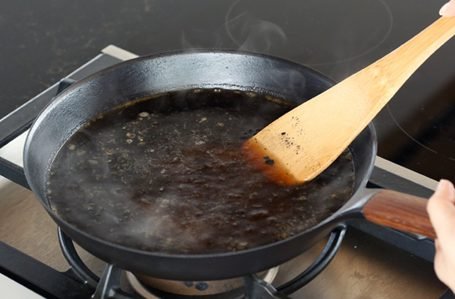
Have you ever looked down at your pan only to find your meal burnt and stuck, ruining all your hard work? It’s frustrating, wastes food, and makes cleaning a nightmare.
But what if you could stop this from happening every time you cook? You’ll discover simple, practical tips that will keep your food perfectly cooked and your pans spotless. Keep reading to learn how to take control of your cooking and say goodbye to burnt meals for good.
Choose The Right Pan
Burnt food ruins meals and wastes ingredients. Choosing the right pan helps cook food evenly.
Using the correct pan reduces burning and makes cooking easier and safer.
Material Matters
Some pan materials heat food better than others. Good heat control stops food from burning.
Non-stick pans stop food from sticking and burning. Cast iron pans hold heat well but need care.
- Stainless steel pans heat unevenly but are durable.
- Aluminum pans heat quickly and evenly.
- Non-stick pans need low to medium heat to last longer.
- Cast iron pans require seasoning to prevent sticking.
Pan Size And Shape
Use a pan size that fits your cooking amount. Too small pans cause food to crowd and burn.
Choose shapes that fit your cooking style. Wide pans help cook food evenly with more space.
- Use larger pans for frying or sautéing many ingredients.
- Smaller pans work well for sauces and small meals.
- Shallow pans let moisture escape, helping food brown.
- Deep pans hold liquids and keep food moist.
Control The Heat
Cooking at the right temperature helps prevent burnt food. Too much heat can burn food quickly.
Learning to control heat keeps your food tasty and safe to eat.
Use Medium To Low Heat
Start cooking on medium heat to avoid burning the food. High heat can burn the outside while leaving the inside raw.
- Use medium heat for most cooking tasks
- Switch to low heat for slow cooking or simmering
- Remember that pans heat differently; adjust accordingly
Adjust Heat Gradually
Change the heat slowly to control cooking better. Sudden changes can cause uneven cooking or burning.
| Heat Level | When to Use | Effect on Food |
| Low | Simmering, melting, warming | Prevents burning, cooks gently |
| Medium | Regular cooking, sautéing | Even cooking without burning |
| High | Boiling water, searing | Can burn food if not monitored |
Prepare Your Pan Properly
Cooking without burning food starts with preparing your pan well. A properly prepared pan helps food cook evenly.
Taking simple steps before cooking can save your meal from sticking or burning.
Preheat Before Cooking
Always warm your pan before adding food. Preheating helps food cook evenly on the surface.
Place the pan on medium heat for a few minutes until it feels warm. This stops food from sticking.
- Turn on the burner to medium heat
- Wait 2 to 3 minutes for the pan to warm
- Test heat by sprinkling a few drops of water
- If water sizzles and evaporates, the pan is ready
Add Oil Or Butter Correctly
Put oil or butter in the pan after it is warm. This helps to create a smooth cooking surface.
Spread the fat evenly and let it heat before adding food. This prevents burning and sticking.
- Pour oil or add butter to the warm pan
- Swirl to coat the entire surface
- Wait until oil shines or butter melts fully
- Start cooking once the fat is hot but not smoking

Credit: food52.com
Use Proper Cooking Techniques
Cooking food without burning it requires good technique. Using the right methods helps keep your food tasty and safe.
Two important ways to avoid burnt food are stirring often and not crowding the pan. These steps help cook food evenly.
Stir And Flip Regularly
Stirring and flipping food during cooking stops it from sticking and burning. It spreads heat evenly across the pan.
- Use a spatula or spoon to move food gently.
- Flip items like pancakes or meat every few minutes.
- Stir sauces and soups often to avoid burning at the bottom.
- Check food color and texture to know when to stir or flip.
Avoid Overcrowding The Pan
Putting too much food in a pan lowers the temperature. This causes uneven cooking and can burn some pieces.
| Problem | Effect | Solution |
| Overcrowded pan | Food steams instead of fries | Cook in smaller batches |
| Low pan temperature | Food burns on the bottom | Heat pan properly before adding food |
| Uneven heat | Some pieces burn, others stay raw | Space food evenly in the pan |
Choose Ingredients Wisely
Choosing the right ingredients helps prevent burnt food in pans. Some ingredients burn faster than others.
Knowing how ingredients behave in heat keeps your cooking smooth and tasty.
Moisture Content Effects
Ingredients with high moisture cook slower and are less likely to burn. Dry ingredients heat up fast and can burn easily.
Adding watery vegetables or sauces helps keep the food moist and prevents sticking.
- High moisture slows cooking and reduces burning
- Low moisture ingredients need careful heat control
- Watery items add steam and protect the pan
Cut Uniform Pieces
Cutting ingredients into even pieces ensures they cook at the same speed. Uneven pieces cause some to burn while others stay raw.
Small pieces cook faster but can burn if not watched. Larger pieces take longer and hold heat better.
- Even pieces cook evenly without burning
- Small cuts need lower heat and quick stirring
- Larger cuts need more time and steady heat

Credit: theorganicmaids.com
Clean And Maintain Your Pans
Keeping your pans clean and well-maintained helps prevent food from burning. Dirt and residue can create hot spots that burn food easily.
Regular care extends your pans’ life and makes cooking easier and safer.
Remove Residue
Food residue and burnt bits can stick to pans and cause burning during cooking. Clean your pans soon after use to remove these residues.
- Use warm water and mild dish soap for daily cleaning.
- Scrub gently with a non-abrasive sponge to avoid scratching.
- For stuck-on food, soak the pan in warm soapy water before scrubbing.
- Use baking soda paste for tough residue: mix baking soda with water, apply, then scrub.
- Rinse thoroughly and dry the pan completely to prevent rust.
Season Cast Iron Pans
Seasoning cast iron pans creates a natural non-stick surface. This helps prevent food from sticking and burning.
| Seasoning Steps | Details |
|---|---|
| Clean | Wash with warm water and dry completely. |
| Apply Oil | Rub a thin layer of vegetable oil all over the pan. |
| Heat | Place the pan upside down in the oven at 350°F (175°C) for 1 hour. |
| Cool | Let the pan cool inside the oven before removing. |
Use Cooking Tools Effectively
Using the right cooking tools helps prevent burnt food in pans. Proper utensils protect your pans and improve heat control.
Choosing gentle tools reduces damage to the pan’s surface. This keeps your food cooking evenly without sticking or burning.
Use Wooden Or Silicone Utensils
Wooden and silicone utensils are soft on pans. They avoid scratching or damaging the cooking surface.
- Wooden spoons and spatulas do not conduct heat.
- Silicone tools can handle high temperatures safely.
- Both types prevent food from sticking or burning in spots.
- They help you stir gently and avoid scraping the pan.
Avoid Metal Scrapers
Metal scrapers can damage non-stick or coated pans. Scratches create spots where food burns easily.
| Metal Scrapers | Effects on Pans |
|---|---|
| Sharp edges | Scratch cooking surface |
| Hard pressure | Remove non-stick coating |
| Repeated use | Create burnt food spots |
| Cleaning with metal scrapers | Reduces pan lifespan |
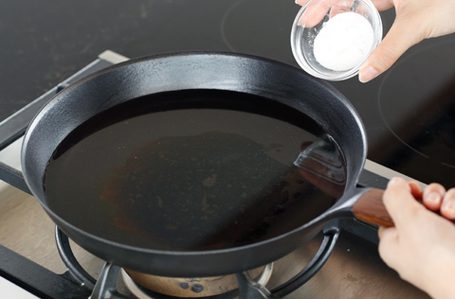
Credit: www.vermicular.us
Frequently Asked Questions
How Can I Prevent Food From Burning In Pans?
To prevent food from burning, use a non-stick pan and cook on low or medium heat. Stir frequently to ensure even cooking. Additionally, add some liquid like oil or water to maintain moisture. Preheat the pan before adding food to ensure uniform cooking.
Why Does Food Stick To Pans?
Food sticks to pans when there is insufficient oil or when the pan isn’t hot enough. Using non-stick pans and adding oil or butter can help. Also, make sure to preheat your pan before adding any ingredients to ensure even cooking and avoid sticking.
What Is The Best Oil To Prevent Burning?
Using oils with high smoke points, like avocado or canola oil, helps prevent burning. These oils can withstand higher temperatures without breaking down. Olive oil is also a good choice but should be used at medium heat to prevent burning.
How Do I Clean Burnt Food From Pans?
To clean burnt food, soak the pan in warm, soapy water for a few hours. Use a scrubber or brush to gently remove residue. For stubborn stains, create a paste of baking soda and water, apply it, and scrub gently.
Avoid using abrasive materials that could damage the pan.
Conclusion
Avoid burnt food by watching your heat and stirring often. Use the right pan for each dish. Keep an eye on cooking times and adjust the flame as needed. Clean your pans well to keep food from sticking. Small steps like these save time and improve taste.
Cooking becomes easier and more enjoyable. Try these tips to keep your meals perfect every time. No more burnt pans or wasted food. Just simple, tasty cooking.