
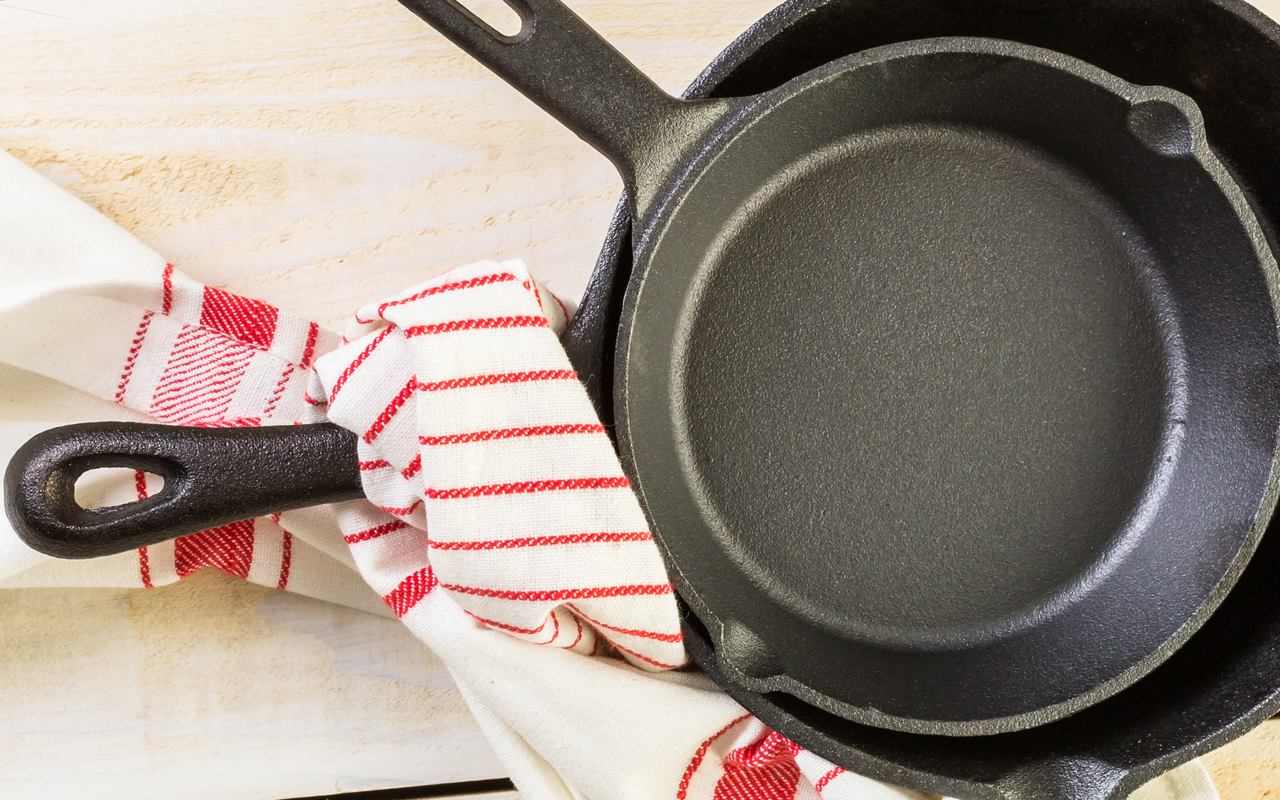
If you love cooking with cast iron skillets, you know how well they can last—if you take care of them right. But do you ever worry about rust, sticky residue, or losing that perfect non-stick surface?
You’re not alone. Keeping your cast iron skillet in great shape takes some simple, regular steps. The good news? Once you learn how to maintain your skillet long-term, it can become your kitchen’s most reliable tool for years to come.
Ready to unlock the secrets that make cast iron last a lifetime? Let’s dive in.
Seasoning Basics
Seasoning is key to keeping your cast iron skillet in great shape. It creates a natural non-stick surface.
Proper seasoning protects the skillet from rust and makes cooking easier over time.
Choosing The Right Oil
Pick oils with a high smoke point for seasoning. These oils create a strong, durable layer.
Common oils for seasoning include vegetable oil, canola oil, and flaxseed oil.
- Vegetable oil is easy to find and works well
- Canola oil has a high smoke point and is affordable
- Flaxseed oil forms a hard, lasting coating
Seasoning Process Steps
Clean the skillet with warm water and dry it completely. No soap is needed if it is already seasoned.
Apply a thin layer of your chosen oil to the entire skillet, inside and out.
- Preheat your oven to 450°F (230°C)
- Place the skillet upside down on the top rack
- Put a foil sheet below to catch drips
- Bake for 1 hour, then turn off the oven
- Let the skillet cool inside the oven
Signs Of A Well-seasoned Skillet
A well-seasoned skillet has a smooth, dark, and shiny surface. It should feel almost slick.
Food should cook evenly and not stick to the surface during use.
- The skillet resists rust and water beads on the surface
- It improves with use and regular seasoning
- The surface color ranges from dark brown to black

Credit: www.procook.co.uk
Cleaning Techniques
Keeping your cast iron skillet clean is key to its long life. Proper cleaning stops rust and keeps the surface smooth.
Use gentle methods that protect the skillet’s seasoning. Avoid harsh actions that can damage the pan.
Avoiding Soap And Harsh Detergents
Soap can remove the skillet’s seasoning. Harsh detergents can also strip away oils that protect the surface.
Use warm water and a soft brush or sponge instead. This keeps the seasoning strong and the pan non-stick.
Removing Stubborn Residue
For stuck-on food, scrub with coarse salt and a little water. The salt works as a gentle scrubber.
If residue stays, boil water in the skillet for a few minutes. This loosens food and makes cleaning easier.
- Sprinkle coarse salt on the pan
- Use a sponge or cloth to scrub
- Boil water for tough residue
- Dry thoroughly after cleaning
Drying Methods To Prevent Rust
Dry your skillet right after washing. Water left on the pan causes rust quickly.
Use a towel to wipe it dry. Then heat the skillet on the stove for a few minutes to remove all moisture.
- Wipe with a dry cloth or paper towel
- Heat on low flame for 3-5 minutes
- Apply a thin layer of oil after drying
Storage Tips
Proper storage keeps your cast iron skillet safe and ready to use. Storing it right helps stop rust and damage.
Learn the best ways to store your skillet with care. Follow simple rules for a long-lasting tool.
Ideal Environment For Cast Iron
Keep your cast iron skillet in a dry place. Avoid areas with high humidity. Moisture causes rust and harms the skillet’s surface.
- Store in a cool, dry cabinet or pantry
- Avoid basements and damp spaces
- Use a dehumidifier if needed
- Keep away from direct sunlight
Using Protective Covers
Protective covers shield your skillet from dust and scratches. They help keep the seasoning intact and prevent damage.
| Cover Type | Benefits |
| Cloth Covers | Breathable, keeps dust off |
| Silicone Covers | Water-resistant, protects from moisture |
| Plastic Wrap | Temporarily prevents dust, not breathable |
Stacking Without Damage
Stacking skillets saves space but can cause scratches. Use padding to protect each skillet’s surface.
- Place a paper towel or cloth between skillets
- Avoid stacking heavy items on top
- Store skillets with handles facing out
- Check regularly for any damage
:max_bytes(150000):strip_icc()/faw-field-company-no-8-cast-iron-skillet-medium-10-25-inch-jennifer-zyman-10-bd8a731366984600b5a3c1495b307284.jpeg)
Credit: www.foodandwine.com
Repairing Damages
Cast iron skillets are strong but can get damaged over time. Fixing small problems keeps them useful for years. This guide helps you repair common issues.
Regular care and quick repairs stop damage from getting worse. Learn how to handle rust, re-seasoning, cracks, and chips safely.
Fixing Rust Spots
Rust spots appear if the skillet stays wet or is not oiled properly. Removing rust stops it from spreading and damaging the pan.
Use these steps to clean rust safely:
- Scrub rust areas with steel wool or a scrub brush.
- Rinse the skillet with warm water and dry it fully.
- Apply a thin layer of cooking oil to the cleaned spots.
- Heat the skillet in the oven at 350°F (175°C) for one hour.
- Let it cool before storing to protect against new rust.
Re-seasoning After Damage
Damage like rust or heavy scratching can remove the skillet’s seasoning. Re-seasoning builds a new non-stick surface and protects the pan.
Follow these simple steps to re-season your cast iron skillet:
- Clean the skillet well with hot water and soap if needed.
- Dry completely with a towel or heat on the stove.
- Coat the entire surface with a thin layer of vegetable oil.
- Place the skillet upside down in an oven at 450°F (230°C).
- Bake for one hour, then turn off the oven and cool inside.
Dealing With Cracks And Chips
Small chips or cracks weaken the skillet and can worsen over time. Check carefully to decide if the skillet can still be used safely.
Here is what to do for cracks and chips:
- Minor chips on the rim can be smoothed with fine sandpaper.
- Hairline cracks may be safe but avoid cooking acidic foods in them.
- Large cracks or deep chips mean the skillet is unsafe to use.
- Do not try to weld or glue cast iron; this can be dangerous.
- Replace the skillet if damage is severe to prevent injury.
Daily Usage Advice
Cast iron skillets need care every time you use them. Small habits keep your pan in great shape. Follow simple tips to protect your skillet’s seasoning and make it last long.
Daily care helps your skillet cook better and stay rust-free. Use the right techniques to keep your pan strong and non-stick.
Preheating Properly
Always warm your cast iron skillet slowly before cooking. Start on low heat and raise it gradually. This stops the pan from cracking and helps even cooking.
Do not place a cold skillet on high heat. Let the pan adjust to the temperature to protect the seasoning and metal.
- Place skillet on low heat first
- Increase heat slowly over a few minutes
- Check that the pan is warm before adding food
Cooking Techniques To Preserve Seasoning
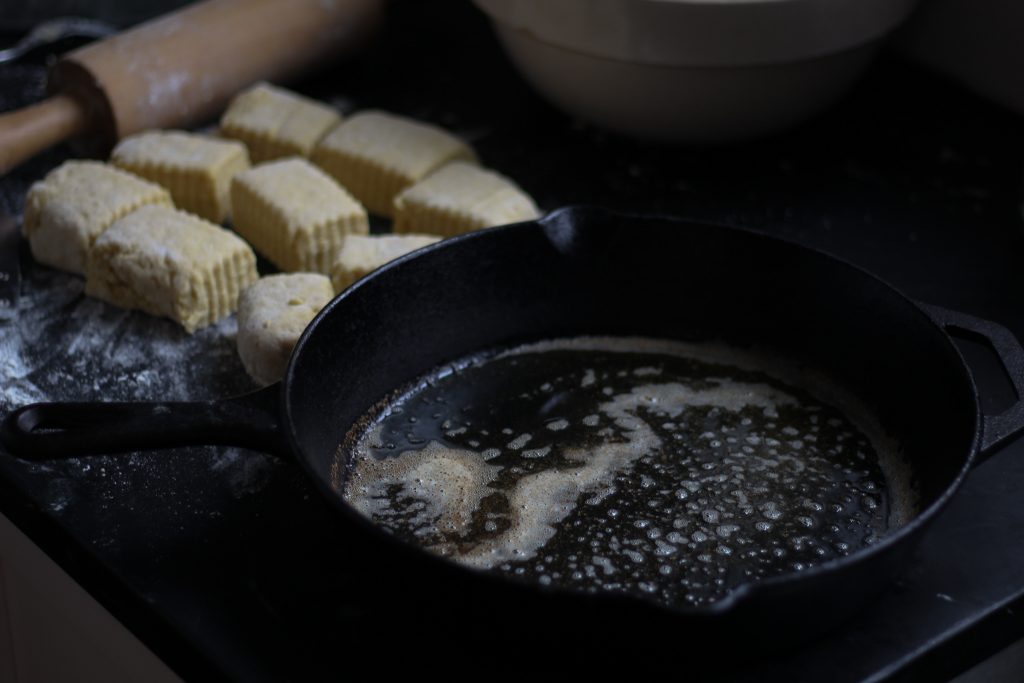
Use cooking methods that keep the skillet’s seasoning layer strong. Avoid scraping hard or using metal tools that can scratch the surface.
Cook with enough oil or fat to create a natural non-stick surface. Clean the pan gently after use to keep the seasoning intact.
- Cook with moderate oil or fat
- Use wooden, silicone, or plastic utensils
- Clean with warm water and soft sponge
- Dry the pan immediately after washing
Avoiding Acidic Foods
Avoid cooking very acidic foods like tomatoes or vinegar often. Acid can break down the seasoning and cause rust.
If you cook acidic foods, do it for a short time. Reapply oil to the pan after cooking to protect the seasoning.
- Limit cooking acidic foods in cast iron
- Cook acidic dishes quickly if needed
- Oil the skillet after cooking acidic foods
- Re-season the pan if seasoning wears off
Credit: hopewellheightsblog.com
Long-term Maintenance
Cast iron skillets last for many years with good care. Long-term maintenance helps keep their surface smooth and rust-free. Proper upkeep also improves cooking performance over time.
This guide covers key steps like re-seasoning, deep cleaning, and checking for damage. Follow these tips to protect your skillet.
Regular Re-seasoning Schedule
Seasoning builds a natural non-stick layer on your skillet. Regular re-seasoning keeps this layer strong and shiny.
- Clean the skillet with hot water and a brush after each use.
- Dry it thoroughly with a towel or heat it on the stove to remove moisture.
- Apply a thin layer of vegetable oil inside and outside the skillet.
- Place the skillet upside down in an oven preheated to 375°F (190°C).
- Bake for 1 hour, then turn off the oven and let it cool inside.
- Repeat this process every 3 to 4 months or when food starts sticking.
Periodic Deep Cleaning
Deep cleaning removes stuck-on food and old seasoning layers. Use this method only when regular cleaning is not enough.
| Cleaning Step | Description |
|---|---|
| Soaking | Soak the skillet in warm water for 10-15 minutes to loosen debris. |
| Scrubbing | Use a chainmail scrubber or stiff brush with mild soap to clean the surface. |
| Removing Rust | Apply fine steel wool gently to remove rust spots without damaging the pan. |
| Rinsing | Rinse thoroughly with warm water to remove soap and residue. |
| Drying | Dry immediately and heat on stove to evaporate any moisture. |
| Re-seasoning | Apply oil and bake in oven to restore the protective layer. |
Monitoring Wear And Tear
Check your skillet often for signs of damage. Fixing small problems early keeps it usable longer.
- Look for rust spots and remove them quickly.
- Check for cracks or chips that may affect cooking.
- Notice if the surface becomes sticky or uneven.
- Keep an eye on the handle to ensure it is secure.
- Repair or replace parts if needed to maintain safety.
Frequently Asked Questions
How Often Should I Season My Cast Iron Skillet?
Season your cast iron skillet every few months. Regular seasoning maintains its non-stick surface and prevents rust. If you notice food sticking or dullness, it’s time to season. Frequent use may require more frequent seasoning to maintain its optimal condition.
Can I Use Soap On Cast Iron Skillets?
Yes, use mild soap sparingly on cast iron skillets. Avoid harsh detergents that strip seasoning. Gently scrub with a soft brush, rinse with warm water, and dry thoroughly. Immediately apply a thin layer of oil to prevent rust and maintain the skillet’s seasoning.
How Do I Remove Rust From Cast Iron?
To remove rust, scrub the skillet with steel wool. Remove all rust until the surface is smooth. Rinse thoroughly and dry completely. Re-season by applying a thin layer of oil and baking it upside down in the oven for an hour.
Is It Safe To Cook Acidic Foods In Cast Iron?
Cooking acidic foods occasionally in cast iron is safe. However, frequent exposure can strip the seasoning. Use enameled cast iron for acidic dishes to prevent damage. If cooking acidic foods, ensure the skillet is well-seasoned to minimize any potential reaction.
Conclusion
Taking care of cast iron skillets is simple with regular steps. Clean them right after use and dry them well. Apply a thin layer of oil to keep the surface smooth. Avoid soaking or using soap often to protect seasoning.
Store skillets in a dry place to prevent rust. Small efforts keep your skillet cooking great for years. Enjoy cooking with a well-maintained, long-lasting cast iron skillet every day. Keep these tips in mind for best results. Your skillet will reward you with delicious meals and durability.