
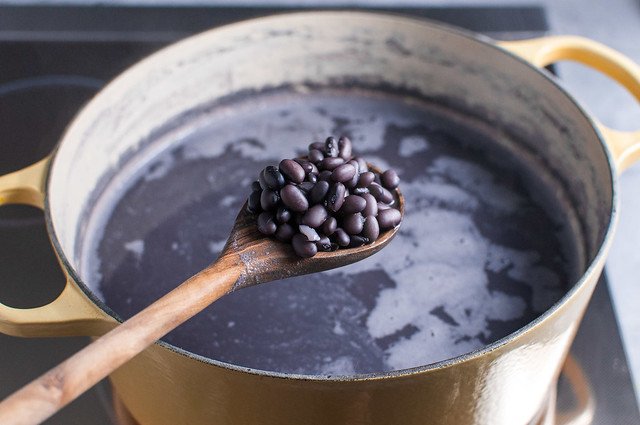
Cooking beans evenly in a pot can be tricky, but it doesn’t have to be. If you’ve ever ended up with some beans mushy while others stay hard, you know how frustrating it can be.
You want every bite to be just right—soft, tender, and perfectly cooked. You’ll discover simple tips and proven methods that will help you cook your beans evenly every time. Say goodbye to uneven beans and hello to delicious meals that impress your family and friends.
Ready to master the art of cooking beans perfectly? Let’s get started!
Choosing The Right Beans
Cooking beans evenly starts with picking the right beans. Different beans cook at different speeds.
Choosing beans that cook evenly helps avoid undercooked or mushy beans in your pot.
Types Of Beans For Even Cooking
Some beans are better for even cooking. Small to medium beans tend to cook more uniformly.
Large beans may take longer and cook unevenly if not soaked well.
- Black beans cook evenly and stay firm.
- Pinto beans soften at a steady pace.
- Navy beans have a smooth texture when cooked well.
- Kidney beans need careful cooking to avoid unevenness.
Fresh Vs. Dried Beans
Fresh beans cook faster but are less common. They have a soft texture and mild taste.
Dried beans need soaking and take longer to cook. They are best for long, slow cooking.
- Fresh beans: quick cooking, soft texture.
- Dried beans: need soaking, cook slowly.
- Dried beans offer better storage life.
- Soaking dried beans helps them cook evenly.

Credit: www.theincrediblebulks.com
Preparing Beans Before Cooking
Cooking beans evenly starts before you put them in the pot. Preparing beans well helps them cook better and taste good.
Two important steps to prepare beans are soaking and rinsing with sorting. These steps remove dirt and soften beans for cooking.
Soaking Techniques
Soaking beans helps to soften them and reduce cooking time. It also helps beans cook evenly and prevents splitting.
You can soak beans in cold water overnight or use quick soaking by boiling them briefly. Both ways work well.
- Cover beans with water by 2 inches in a bowl
- Soak overnight for 8 to 12 hours in the fridge or at room temperature
- For quick soak, boil beans for 2 minutes, then let sit for 1 hour
- Drain and rinse soaked beans before cooking
Rinsing And Sorting
Rinsing removes dirt and dust from beans. Sorting helps find stones or bad beans that could spoil the dish.
Always rinse beans under cool running water. Look closely and pick out broken or small beans and debris.
- Spread beans on a flat surface to spot bad ones
- Remove damaged, shriveled, or small beans
- Rinse beans in a colander with running water
- Drain beans well before cooking
Selecting The Proper Pot
Choosing the right pot is key to cooking beans evenly. The pot affects heat distribution and cooking time. Using a suitable pot helps beans cook through without burning or sticking.
This guide covers important pot features to consider. Focus on material, size, and shape for the best cooking results.
Material Matters
Pot material affects how heat moves through the pot. Some materials heat evenly, while others can create hot spots. Hot spots may cause beans to cook unevenly or stick to the bottom.
- Stainless steel pots are durable but may need a thick base for even heat.
- Ceramic pots heat slowly and keep heat steady, good for slow cooking.
- Cast iron pots hold heat well and cook beans evenly but are heavy.
- Nonstick pots prevent sticking but watch for scratches and damage.
- Aluminum pots heat quickly but may cause uneven cooking if thin.
Pot Size And Shape
Pick a pot size that fits the amount of beans and water. Too small pots crowd beans, making them cook unevenly. Large pots allow beans to move freely and cook well.
| Pot Size | Number of Beans (cups) | Water Amount (cups) | Notes |
|---|---|---|---|
| Small (2-3 quarts) | 1-2 | 4-5 | Good for small batches |
| Medium (4-6 quarts) | 3-5 | 8-10 | Ideal for family size |
| Large (7+ quarts) | 6+ | 12+ | Best for large groups or meal prep |
Round pots are best for beans. They allow water to circulate well. Deep pots keep beans covered with water to cook evenly. Shallow pots may dry out beans on top.
Credit: www.themidwestkitchenblog.com
Water And Cooking Liquid Tips
Cooking beans evenly depends a lot on the water or liquid you use. The right amount and type of liquid help beans soften without burning.
This guide shares tips about how much water to use and how to add flavors to make your beans tasty and well-cooked.
Amount Of Water Needed
Use enough water so beans stay covered and cook evenly. Too little water can dry beans out or cause burning.
- Add about 3 cups of water for every 1 cup of dry beans.
- Check water level during cooking and add more if needed.
- Use a deep pot to prevent spilling when boiling.
- Keep the heat low to avoid rapid evaporation.
Adding Flavor Enhancers
Adding ingredients to the cooking liquid gives beans more flavor. Choose simple items that blend well with beans.
| Flavor Enhancer | Effect on Beans |
| Bay leaves | Add a mild herbal aroma |
| Garlic cloves | Give a rich, savory taste |
| Onion pieces | Bring sweetness and depth |
| Salt | Enhances natural flavors |
| Vegetable broth | Replaces water with more taste |
Cooking Methods For Even Results
Cooking beans evenly can be tricky. Using the right method helps beans cook through without breaking.
Choosing the right heat and covering can make beans soft and consistent every time.
Simmering Vs Boiling
Simmering means cooking beans gently just below boiling point. Boiling means cooking with strong bubbles on the surface.
Simmering cooks beans evenly and prevents them from breaking. Boiling can cook the outside fast but leave the inside hard.
- Simmering keeps beans whole and soft
- Boiling can cause beans to split
- Simmering helps beans absorb water slowly
- Boiling wastes energy and can overcook beans
Using A Lid Or Leaving Uncovered
Using a lid traps heat and steam, cooking beans faster. Leaving pot uncovered lets water evaporate and slows cooking.
Cover your pot to keep beans moist and cook them evenly. Uncovered cooking may dry beans and cause uneven texture.
- Cover pot to keep steady temperature
- Uncovered pots need more water added
- Lids prevent beans from drying out
- Uncovered pots may cause beans to cook unevenly
Stirring And Monitoring Beans
Cooking beans evenly in a pot needs careful stirring and watching. Stirring helps prevent beans from sticking and burning.
Monitoring beans lets you know when they are soft and ready to eat. It also helps keep the cooking process smooth.
When To Stir
Stir beans gently after the water starts boiling. This stops beans from sticking to the pot bottom.
Stir every 10 to 15 minutes while cooking. Avoid stirring too often to keep beans whole.
- Stir gently to avoid breaking beans
- Use a wooden spoon or heat-safe spatula
- Focus on edges and bottom of the pot
- Do not stir right after adding beans to cold water
Checking For Doneness
Check beans after about 45 minutes of cooking. Use a spoon to take a few beans out carefully.
Bite or press the beans to see if they are soft. Beans should feel tender but not mushy.
- Test a few beans from different parts of the pot
- Beans cook faster if soaked before cooking
- Cook longer if beans are still hard inside
- Drain beans immediately when done to stop cooking
Troubleshooting Common Issues
Cooking beans evenly in a pot can be tricky. Many people face problems like uneven cooking or hard beans.
Knowing how to fix these problems helps you get soft, tasty beans every time. Here are some common issues and tips.
Beans Cooking Unevenly
Beans cook unevenly when some are soft and others are still firm. This happens because beans are different sizes or cook at different speeds.
Stir beans occasionally and keep the heat low. Use enough water to cover the beans by two inches. Soaking beans before cooking helps them cook evenly.
- Sort beans to remove small or broken ones
- Soak beans for 6-8 hours or overnight
- Keep beans covered with water during cooking
- Cook on low heat and stir gently now and then
Beans Staying Hard
Hard beans after cooking can be frustrating. This often happens if beans are old or the water is too hard (high mineral content).
Use fresh beans and soft water if possible. Adding baking soda to the cooking water can help soften beans faster. Make sure to cook beans long enough.
- Check bean freshness before cooking
- Use filtered or soft water
- Add 1/4 teaspoon baking soda per cup of beans
- Simmer beans until tender, usually 1-2 hours
Enhancing Texture And Flavor
Cooking beans evenly improves their texture and flavor. It makes beans soft and tasty.
Using the right techniques helps beans cook well in a pot. This guide shows how to do it.
Adding Salt And Acids
Adding salt at the right time helps beans cook evenly. Salt also improves bean flavor.
Adding acids like lemon juice or vinegar can slow cooking. Add acids after beans are soft.
- Add salt after beans start to soften.
- Add acids near the end of cooking.
- Too much salt early can make beans tough.
- Acids keep beans from falling apart.
Finishing Touches
After beans are soft, drain excess water if needed. This helps improve texture and taste.
You can add herbs, spices, or a splash of oil. These add flavor and make beans more delicious.
- Drain beans gently to keep shape.
- Add fresh herbs like cilantro or parsley.
- Mix in spices like cumin or paprika.
- Drizzle olive oil for smooth texture.
Credit: nodashofgluten.com
Frequently Asked Questions
How Do I Prevent Beans From Sticking To The Pot?
To prevent beans from sticking, stir them occasionally while cooking. Use a non-stick pot or add a bit of oil. Make sure there’s enough water to cover the beans, and cook them on low heat. This helps distribute heat evenly and prevents them from sticking.
What Type Of Pot Is Best For Cooking Beans?
A heavy-bottomed pot is ideal for cooking beans evenly. It distributes heat more uniformly, preventing hot spots. Cast iron or stainless steel pots work well. They retain heat effectively and are durable. Avoid thin pots, as they may lead to uneven cooking and sticking.
How Long Should Beans Soak Before Cooking?
Beans should soak for at least 8 to 12 hours. Soaking reduces cooking time and improves texture. Quick soaking involves boiling beans for 2 minutes, then letting them sit for an hour. Proper soaking helps beans cook evenly and makes them easier to digest.
Can I Cook Beans Without Soaking Them First?
Yes, you can cook beans without soaking, but it takes longer. Unsoaked beans require more cooking time and water. They may have a firmer texture. Pre-soaking beans helps them cook evenly and reduces cooking time by about half.
Conclusion
Cooking beans evenly in a pot takes patience and simple steps. Soaking beans before cooking helps them cook faster and more evenly. Stir the beans gently and keep the heat low to avoid burning. Check the beans often to see if they are soft enough.
With these easy tips, your beans will turn out tender and delicious every time. Enjoy cooking and sharing your tasty beans with family and friends!