
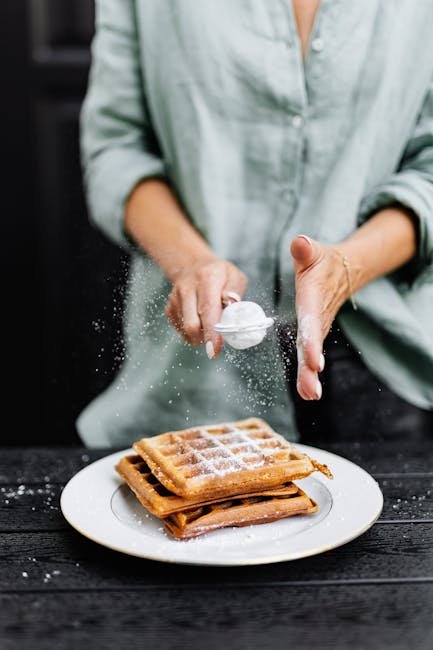
Are you tired of pancakes that turn out dry or tough? You want soft, fluffy pancakes that melt in your mouth every time.
The good news is, making homemade pancakes soft is easier than you think. With a few simple tips and tricks, you can transform your breakfast into a delicious, cloud-like treat. Keep reading, and you’ll discover the secrets to perfect pancakes that will impress your family and satisfy your cravings.
Your mornings are about to get a whole lot better!
Choosing The Right Ingredients
Soft pancakes start with good ingredients. Picking the right ones makes a big difference.
Each ingredient plays a special role in the texture and taste of your pancakes.
Best Flour Types For Soft Pancakes
Flour affects how light and fluffy your pancakes turn out. Use flour with less protein for softness.
- All-purpose flour is a good choice for soft pancakes.
- Cake flour has less protein and makes pancakes tender.
- Pastry flour also works well for a softer texture.
Role Of Baking Powder And Baking Soda
Baking powder and baking soda help pancakes rise and become fluffy. Use the right amount for best results.
| Leavening Agent | Function | Effect on Pancakes |
| Baking Powder | Releases gas when wet and hot | Makes pancakes fluffy and light |
| Baking Soda | Needs acid to activate | Helps pancakes rise quickly |
Importance Of Fresh Eggs And Milk
Fresh eggs and milk add moisture and richness. They improve pancake softness and flavor.
- Use eggs that are fresh for better taste and texture.
- Milk adds liquid to the batter and keeps pancakes soft.
- Buttermilk is great because it reacts with baking soda.
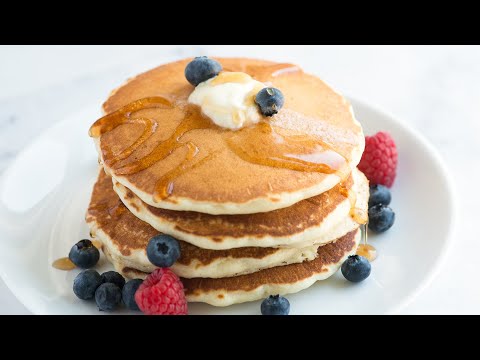
Credit: www.youtube.com
Mixing Techniques For Fluffiness
Soft pancakes start with the right mixing techniques. The way you mix the batter affects fluffiness and texture.
Using simple tips helps you get pancakes that are light and tender every time.
Avoiding Overmixing The Batter
Overmixing makes gluten develop too much. This makes pancakes tough and dense.
Mix just until the wet and dry ingredients combine. Small lumps in the batter are fine.
- Use a gentle folding motion with a spatula or spoon
- Stop mixing once the flour is moistened
- Do not beat or stir vigorously
Incorporating Air For Light Texture
Adding air to the batter creates bubbles that make pancakes rise.
You can add air by whisking eggs well or sifting dry ingredients before mixing.
- Whisk eggs until fluffy before adding other ingredients
- Sift flour and baking powder to remove lumps and add air
- Fold ingredients gently to keep air bubbles intact
Adjusting Batter Consistency
Making pancakes soft starts with the right batter consistency. The batter should not be too thick or too runny.
Adjusting the batter helps pancakes cook evenly and stay fluffy inside.
Ideal Thickness For Soft Pancakes
The batter should be thick enough to hold its shape on the pan but still spread slightly. This balance helps pancakes rise well.
- Use a ladle or measuring cup to pour batter evenly.
- If batter spreads too fast, add a little more flour.
- If batter feels too thick, add a small amount of milk or water.
- Mix gently to avoid overworking the batter.
Adding Buttermilk Or Yogurt
Buttermilk and yogurt add moisture and acidity to the batter. They help break down gluten for softer pancakes.
| Ingredient | Effect on Batter | Recommended Amount |
| Buttermilk | Makes batter tangy and tender | Replace milk with equal amount |
| Yogurt | Adds creaminess and softness | Use half yogurt, half milk |
Cooking Tips For Soft Pancakes
Soft pancakes are a favorite breakfast treat. Making them soft needs some simple cooking tips.
These tips help you cook pancakes that are light and fluffy every time.
Proper Heat Settings
Use medium heat for cooking pancakes. Too hot makes them burn outside but stay raw inside.
Low heat cooks pancakes slowly and keeps them soft and evenly done.
- Preheat the pan on medium heat
- Adjust heat if pancakes brown too fast
- Use a non-stick pan for best results
When To Flip The Pancakes
Flip pancakes only when bubbles form on the surface. This shows the inside is cooking.
Wait until the edges look set and not wet before flipping. This keeps pancakes soft inside.
- Watch for bubbles on the top
- Check that edges are firm
- Flip gently to keep shape
Using Butter Vs. Oil
Butter gives pancakes a rich flavor and helps brown the surface nicely.
Oil keeps pancakes moist and soft but adds less flavor than butter.
- Butter: adds taste and golden color
- Oil: keeps pancakes soft and moist
- Use a small amount to avoid soggy pancakes
Enhancing Softness With Additives
Making pancakes soft is easy with the right additives. These small changes make your pancakes tender and fluffy.
Additives help keep moisture in the batter and improve texture. They work well without changing the taste too much.
Adding Cornstarch Or Potato Starch
Cornstarch and potato starch make pancakes softer by reducing gluten formation. Gluten can make pancakes tough if overmixed.
Adding a small amount of starch changes the texture. It keeps pancakes light and tender.
- Use 1 to 2 tablespoons of cornstarch or potato starch per cup of flour.
- Sift starch with flour for even mixing.
- Mix batter gently to avoid tough pancakes.
Incorporating Vanilla Or Other Flavors
Vanilla adds a sweet aroma that makes pancakes taste richer. It does not affect softness but improves flavor.
You can add other mild flavors like almond or cinnamon. These flavors make pancakes more enjoyable without changing texture.
- Add 1 teaspoon of vanilla extract to the batter.
- Try ½ teaspoon cinnamon for a warm taste.
- Use almond extract sparingly, about ¼ teaspoon.
:max_bytes(150000):strip_icc()/21014-good-old-fashioned-pancakes-VAT-004-4x3-02-d6ce3b61def840fcaf40a43f805b733e.jpg)
Credit: www.allrecipes.com
Storing And Reheating Pancakes
Keeping pancakes soft after cooking is important for a tasty meal later. Proper storage and reheating help keep pancakes fresh and moist.
This guide shares easy tips to store pancakes and reheat them without drying out.
Keeping Pancakes Soft After Cooking
Let pancakes cool completely before storing. Warm pancakes make condensation, causing sogginess.
- Stack pancakes with parchment paper between each to avoid sticking.
- Wrap the stack tightly with plastic wrap or place in an airtight container.
- Store pancakes in the refrigerator for up to 3 days.
- For longer storage, freeze pancakes in a sealed bag for up to 2 months.
Best Methods To Reheat Without Drying
Reheat pancakes gently to keep them soft and fluffy. Avoid high heat that dries them out.
| Reheating Method | Instructions | Tips |
|---|---|---|
| Microwave | Place pancakes on a plate. Cover with a damp paper towel. Heat for 20-30 seconds. | Check often to avoid overheating. |
| Oven | Preheat oven to 350°F (175°C). Place pancakes on a baking sheet. Cover with foil. Heat for 10 minutes. | Foil keeps moisture in. |
| Skillet | Heat a non-stick pan on low. Warm pancakes for 1-2 minutes each side. | Add a little butter to keep them soft. |
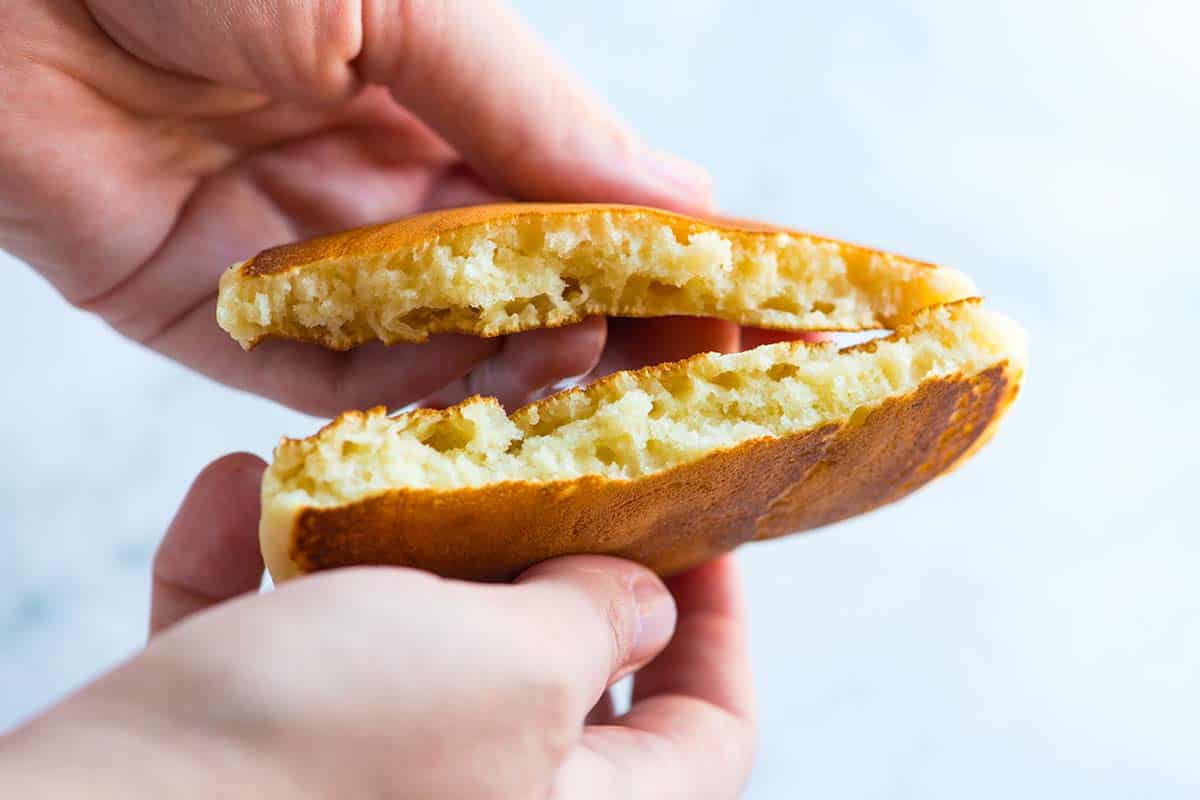
Credit: www.inspiredtaste.net
Frequently Asked Questions
How Do I Make Pancakes Soft And Fluffy?
To make pancakes soft and fluffy, use fresh baking powder and sifted flour. Mix the batter gently to avoid overmixing. Let the batter rest for a few minutes before cooking. Cook on medium heat to ensure even cooking and soft texture.
What Ingredients Make Pancakes Softer?
Ingredients like buttermilk, baking powder, and baking soda contribute to softer pancakes. Buttermilk adds moisture and tenderness. Baking powder and soda provide the necessary rise. Adding a little melted butter enhances the softness. Ensure the batter isn’t overmixed for the best texture.
Why Are My Homemade Pancakes Not Soft?
If your pancakes aren’t soft, overmixing the batter might be the issue. Overmixing develops gluten, making pancakes dense. Check your baking powder’s freshness, as old baking powder loses potency. Cooking pancakes on too high heat can also make them tough.
Adjust these factors for softer pancakes.
Can I Use Milk Instead Of Buttermilk?
Yes, you can use milk instead of buttermilk. However, buttermilk adds more moisture and tenderness. If using milk, add a tablespoon of lemon juice or vinegar to mimic buttermilk’s acidity. This helps maintain the desired softness in pancakes.
Conclusion
Soft pancakes start with the right ingredients and simple steps. Use fresh flour, eggs, and milk for the best mix. Do not overmix the batter; lumps are okay. Cook pancakes on medium heat to avoid burning. Let the batter rest before cooking to stay fluffy.
Serve warm and enjoy every bite. Making soft pancakes at home is easy and fun. Try these tips and taste the difference today.