
Are you tired of scrambled eggs that turn out flat and rubbery? Imagine starting your day with eggs so light and fluffy, they melt in your mouth.
Getting that perfect texture isn’t as hard as you think. With a few simple tips and tricks, you can transform your scrambled eggs from ordinary to extraordinary. Keep reading, and you’ll discover how to make your scrambled eggs fluffy every single time.
Your breakfast will never be the same!
Choosing The Right Eggs
Picking the right eggs can make your scrambled eggs more fluffy. Fresh eggs and their quality matter a lot.
Learn what types of eggs work best for soft and fluffy scrambled eggs.
Use Fresh Eggs
Fresh eggs have firmer whites and yolks. They help your eggs hold air better while cooking.
Older eggs can make scrambled eggs watery and less fluffy.
Choose Large Eggs
Large eggs give the best balance of whites and yolks. This helps create a creamy texture.
Using medium or small eggs might change the cooking time and texture.
Consider Organic Or Free-range Eggs
Organic or free-range eggs often taste richer. Their yolks are usually more vibrant and thicker.
Better taste and texture can improve the fluffiness of your scrambled eggs.
Check The Egg Color
Eggshell color does not affect taste or fluffiness. It depends on the hen’s breed.
Focus on freshness and size rather than shell color for fluffy eggs.
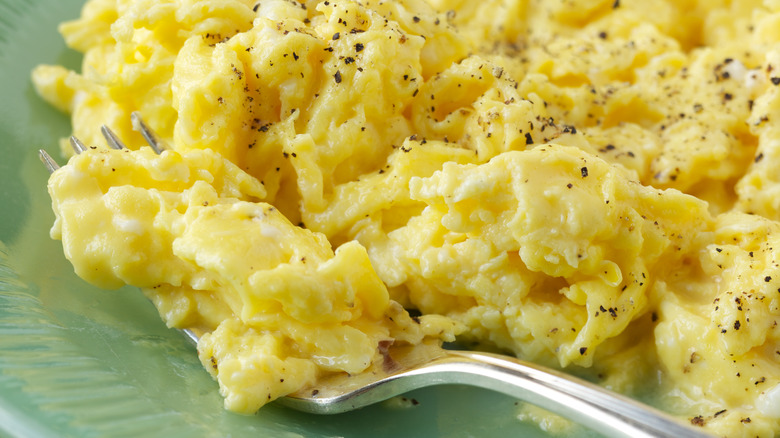
Credit: www.tastingtable.com
Adding Dairy For Creaminess
Adding dairy to scrambled eggs makes them soft and creamy. It changes the texture and taste.
Common dairy options include milk, cream, and cheese. Each adds a different level of creaminess.
Milk And Cream Choices
Milk or cream helps eggs become smooth and tender. Use whole milk for better richness.
- Whole milk adds mild creaminess
- Heavy cream makes eggs richer and softer
- Half-and-half balances creaminess and lightness
How Much Dairy To Add
Use a small amount to avoid watery eggs. About one tablespoon per two eggs works well.
| Number of Eggs | Milk or Cream Amount |
| 2 eggs | 1 tablespoon |
| 4 eggs | 2 tablespoons |
| 6 eggs | 3 tablespoons |
Adding Cheese For Extra Creaminess
Cheese melts into eggs and adds flavor and creaminess. Soft cheeses work best.
- Cheddar gives a sharp taste
- Cream cheese adds smooth texture
- Goat cheese offers tangy creaminess
- Mozzarella melts well and is mild
Beating Eggs Properly
Beating eggs well is key to fluffy scrambled eggs. Proper beating mixes air and ingredients evenly.
This step affects the texture and softness of your eggs. Take time to beat eggs correctly.
Use Fresh Eggs At Room Temperature
Fresh eggs give better flavor and texture. Let eggs sit out for 10 minutes before beating.
Room temperature eggs mix more easily and trap air better for fluffiness.
Choose The Right Tool
Use a fork or a whisk to beat eggs. Whisks add more air than forks.
A hand mixer works well but is not necessary. Whisk eggs in a bowl with enough space.
Beat Until The Whites And Yolks Are Fully Blended
Mix eggs until no white streaks remain. The color should be uniform and slightly frothy.
This means the eggs are evenly combined and ready to cook for a fluffy result.
Add A Small Amount Of Liquid
Add a splash of milk, cream, or water to the eggs before beating. This helps create steam.
The steam makes eggs puff up and become soft when cooked. Use about one tablespoon per two eggs.
Beat Vigorously But Not Too Long
Beat eggs quickly to add air, but stop once they look smooth and frothy. Overbeating breaks down protein.
Proper beating keeps eggs light and fluffy. Aim for about 20-30 seconds of beating.
Cooking Temperature Tips
Cooking scrambled eggs at the right temperature helps make them fluffy. If the pan is too hot, eggs cook too fast and become dry.
Using a moderate temperature lets eggs cook gently. This keeps them soft and creamy.
Use Low To Medium Heat
Set your stove to low or medium heat. This prevents eggs from burning or sticking to the pan.
Slow cooking helps the eggs stay tender. Stir gently and often for even cooking.
Avoid High Heat
High heat cooks eggs too quickly. This makes them rubbery and dry instead of fluffy.
- Eggs cook unevenly on high heat.
- High heat causes browning and tough texture.
- It is easy to overcook eggs fast.
Use A Heavy-bottomed Pan
A heavy-bottomed pan spreads heat evenly. This helps keep the cooking temperature steady.
| Pan Type | Heat Distribution | Effect on Eggs |
|---|---|---|
| Heavy-Bottomed | Even | Prevents hot spots, cooks gently |
| Thin-Bottomed | Uneven | Causes burning in spots |
Adjust Temperature As Needed
Watch your eggs while cooking. Lower heat if they cook too fast or start to brown.
Raising heat slightly can help if eggs cook too slowly and look watery.
Using The Right Pan And Utensils
Cooking fluffy scrambled eggs needs the right tools. The pan and utensils you use matter a lot.
Picking the correct pan and utensils helps eggs cook evenly. It also stops them from sticking.
Choosing A Non-stick Pan
A non-stick pan helps eggs cook gently. It stops them from sticking or burning.
Use a pan with low sides. It makes stirring easier and helps eggs cook evenly.
- Use a non-stick skillet about 8 inches wide
- Choose a pan with low, sloped sides
- Look for even heat distribution in the pan
Using The Right Utensils
Soft utensils like silicone or rubber work best. They protect the pan’s surface and help stir eggs smoothly.
Avoid metal spoons or spatulas. They can scratch the pan and damage the coating.
- Use a silicone spatula for stirring and folding
- Choose utensils that are heat resistant
- Avoid metal tools to protect your pan
Pan Size And Heat Control
Pick a pan size that fits the number of eggs you cook. Too big or too small can affect cooking.
Use medium-low heat to cook eggs slowly. This keeps them soft and fluffy.
- Use an 8-inch pan for 2-3 eggs
- Cook on medium-low heat for gentle cooking
- Avoid high heat to prevent tough eggs

Credit: nodashofgluten.com
Stirring Techniques For Fluffiness
Fluffy scrambled eggs depend on how you stir them while cooking. Stirring controls the texture and air in the eggs.
Using the right stirring techniques will make your eggs light and soft. Let’s look at some ways to stir for fluffiness.
Gentle Folding Motion
Use a spatula to gently fold the eggs from the edges to the center. This keeps air inside and avoids breaking the eggs too much.
Folding slowly helps create soft, fluffy curds without making the eggs tough.
Constant Stirring With A Slow Speed
Stir the eggs slowly and constantly to cook evenly. Stirring at a slow pace lets the eggs cook gently and trap air.
This method prevents the eggs from drying out and keeps them fluffy.
Using Circular Stirring Motions
Move the spatula in small circles while cooking. Circular stirring mixes the eggs well and adds lightness.
This technique helps the eggs cook evenly and form soft folds full of air.
Pausing To Let Eggs Set
Stop stirring for a few seconds to let the eggs start to set. Then stir gently to mix the cooked and raw parts.
Pausing helps eggs form fluffy curds instead of becoming dry or rubbery.
Timing The Cooking Process
Cooking scrambled eggs perfectly depends on timing. Cooking too long makes eggs dry. Cooking too short leaves them runny.
Knowing when to start and stop cooking helps get fluffy eggs. Use these tips to time your cooking well.
Watch The Heat And Stir Often
Cook eggs on low heat for best results. Stir gently every few seconds. This stops eggs from sticking and cooks them evenly.
Know When To Take Eggs Off The Heat
Remove eggs from heat while still slightly soft. They will keep cooking in the pan. This prevents overcooking and keeps them fluffy.
Timing Guide For Scrambled Eggs
| Cooking Stage | Time Approximation | What to Look For |
| Start | 30 seconds | Eggs begin to set at edges |
| Midway | 1 to 2 minutes | Soft curds form, stirring frequently |
| Almost Done | 2 to 3 minutes | Eggs look creamy but not runny |
| Remove Heat | Just before fully set | Eggs still slightly wet, will finish cooking off heat |
Tips To Avoid Overcooking
- Use low to medium heat
- Stir often but gently
- Take eggs off heat early
- Let eggs rest in pan for 30 seconds after cooking
Seasoning For Flavor
Seasoning scrambled eggs adds taste and makes them more enjoyable. Simple spices and herbs can change the flavor a lot.
Choosing the right seasonings helps keep your scrambled eggs fluffy and tasty. Let’s look at some good options.
Salt And Pepper
Salt brings out the natural taste of eggs. Add a pinch before cooking to avoid watery eggs.
Freshly ground black pepper gives a mild heat. Sprinkle it after cooking for best flavor.
Fresh Herbs
Herbs like chives, parsley, or dill add fresh flavor and color. Chop them finely and add at the end.
Herbs keep scrambled eggs light and bright without weighing them down.
Cheese And Dairy
Adding cheese or a splash of milk or cream makes eggs creamy and soft. Use mild cheese like cheddar or mozzarella.
Mix dairy in before cooking to keep eggs fluffy and rich.
Spices For A Twist
Try mild spices like paprika, turmeric, or cumin for new flavors. Use small amounts to avoid overpowering the eggs.
- Paprika adds a smoky taste
- Turmeric gives a warm color and subtle flavor
- Cumin adds earthiness and depth
Common Mistakes To Avoid
Fluffy scrambled eggs are easy to make with the right method. Many people make simple errors that affect texture and taste.
Knowing what to avoid helps you cook soft and airy scrambled eggs every time.
Using High Heat
Cooking eggs on high heat can make them dry and rubbery. Low or medium heat lets eggs cook slowly, keeping them soft and fluffy.
Skipping The Whisking
Not whisking eggs enough leads to uneven texture. Whisking adds air and mixes the yolk and white well.
- Whisk eggs until the mixture looks uniform
- Include some air by whisking quickly
- Use a fork or a whisk for best results
Adding Salt Too Early
Salt breaks down egg proteins if added too soon. This can make eggs watery and less fluffy.
Add salt just before or after cooking to keep the eggs firm but tender.
Overcooking The Eggs
Leaving eggs on the pan too long makes them dry and crumbly. Remove eggs while they are still slightly wet.
| Cooking Stage | Description |
| Wet | Shiny and soft, just started setting |
| Perfect | Soft, fluffy, no liquid left |
| Overcooked | Dry, firm, crumbly, dull color |
Not Using Enough Fat
Butter or oil helps eggs cook evenly and adds flavor. Using too little can cause sticking and dry eggs.
Use a non-stick pan and enough fat to coat the surface for best results.

Credit: fabeveryday.com
Serving Suggestions
Fluffy scrambled eggs are a tasty dish on their own. You can also pair them with many foods for a full meal.
Here are some simple ideas to serve your scrambled eggs and make your breakfast or brunch more enjoyable.
Classic Toast Pairings
Toast is a perfect match for scrambled eggs. You can use different types of bread to add flavor and texture.
- Butter and jam on whole wheat toast
- Avocado spread on sourdough bread
- Garlic butter on a toasted baguette slice
Add Fresh Vegetables
Fresh vegetables bring color and nutrition to your plate. They balance the softness of scrambled eggs well.
- Sliced tomatoes with a sprinkle of salt
- Steamed asparagus spears
- Sauteed spinach with garlic
- Fresh cucumber slices
Toppings And Extras
Toppings can add flavor and texture to your scrambled eggs. Try mixing and matching to find your favorite.
| Topping | Flavor | Texture |
| Chopped chives | Mild onion | Soft |
| Grated cheese | Rich and creamy | Melty |
| Hot sauce | Spicy | Liquid |
| Crumbled bacon | Smoky | Crunchy |
Frequently Asked Questions
How Do You Make Scrambled Eggs Fluffy?
To make scrambled eggs fluffy, whisk eggs with a pinch of salt and a splash of milk. Cook them on low heat, stirring gently. This method incorporates air, resulting in fluffy eggs. Avoid overcooking, as it can cause dryness.
What Type Of Milk Should I Use?
You can use whole milk, skim milk, or even cream for scrambled eggs. Whole milk adds richness, while cream offers a creamier texture. Skim milk is a lighter alternative. Choose based on your preference and dietary needs.
Can I Add Butter For Extra Fluffiness?
Yes, adding butter can enhance the flavor and texture of scrambled eggs. Melt butter in the pan before adding eggs. It creates a creamy and rich consistency. Use unsalted butter for better control over the dish’s saltiness.
Should I Use A Whisk Or Fork?
Use a whisk for fluffier scrambled eggs. A whisk incorporates more air than a fork, leading to a lighter texture. Whisking thoroughly before cooking ensures even mixing and better consistency.
Conclusion
Fluffy scrambled eggs make breakfast feel special and fresh. Use low heat and stir gently for soft curds. Adding a little milk or cream helps with fluffiness. Fresh eggs work best for a light texture. Practice these simple steps to enjoy eggs every morning.
Cooking eggs this way is quick and satisfying. Enjoy your fluffy scrambled eggs with toast or veggies. Small changes make a big difference in taste and texture. Keep trying until you find what suits your taste. Breakfast never tasted so good and easy to make.