
Baking soft bread rolls at home is easier than many think. A few simple tips can make your rolls tender and fluffy every time.
Soft bread rolls start with the right ingredients and careful mixing. Using enough water and fat helps keep the dough moist. Gentle kneading builds gluten without making the bread tough. Letting the dough rise slowly allows flavors to develop and creates a light texture.
Baking at the right temperature locks in softness and forms a golden crust. This guide shares easy steps to make soft, fresh bread rolls at home, even for beginners. Enjoy warm, fluffy rolls straight from your oven with simple techniques anyone can follow.
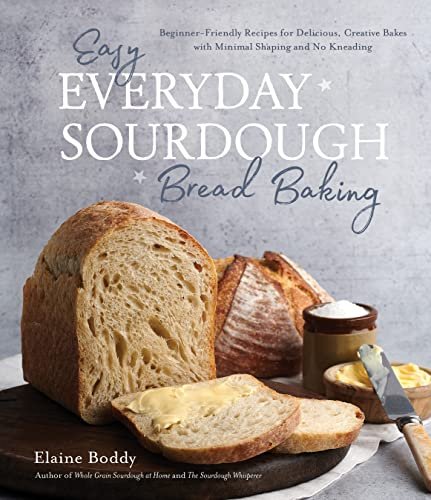
Easy Everyday Sourdough Bread Baking

Ideal for beginners and home bakers who want to master the art of sourdough bread baking without the intimidation of complex techniques, Easy Everyday Sourdough Bread Baking is perfect for those seeking delicious, creative bakes with minimal shaping and no kneading. If you want to enjoy the satisfaction of homemade bread with less effort and more fun, this book is tailored for you.
Pros:
- Beginner-friendly recipes that require no prior experience
- Minimal shaping and no kneading reduce preparation time and effort
- Encourages creativity with a variety of delicious sourdough options
- Comprehensive guide published by reputable brand Page Street Publishing
- Compact size with 168 pages of detailed instructions and tips
Cons:
- Primarily focused on sourdough, limiting variety for other bread types
- Physical book format may not suit those preferring digital copies
- May require access to specific sourdough starter ingredients or equipment
The book’s well-structured approach simplifies the traditionally intimidating process of sourdough baking. With minimal shaping and no kneading methods, users can save time and reduce the physical demands of bread-making. This makes it accessible to busy individuals or those with limited baking experience, enabling them to create bakery-quality bread at home.
Each recipe focuses on creativity and flavor, allowing bakers to explore a variety of delicious sourdough options. The clear instructions and tips from Page Street Publishing provide confidence and guidance throughout the baking process, ensuring consistent and satisfying results. Its compact dimensions and manageable weight make it a convenient addition to any kitchen bookshelf.
To buy this product, click here.
Make Artisan Bread

The Make Artisan Bread: Bake Homemade Artisan Bread, The Best Bread Recipes, Become a Great Baker is ideal for anyone passionate about baking or eager to master the art of creating delicious, rustic bread at home. Whether you’re a beginner looking to learn the basics or an experienced baker aiming to refine your skills, this resource by James Thompson offers comprehensive guidance that suits all levels. It’s perfect for those who appreciate the craftsmanship behind artisan bread and want to enjoy fresh, homemade loaves without relying on store-bought options.
Pros:
- Detailed and easy-to-follow recipes for a variety of artisan breads.
- Instructions designed for both beginners and advanced bakers.
- Provides practical tips to improve baking techniques and achieve consistent results.
- Published by Audible Studios on Brilliance, ensuring quality audio content.
- Encourages creativity and confidence in home baking.
Cons:
- Focuses primarily on traditional artisan bread, which may not cover other baking styles.
- Publication date is 2018, so some newer baking trends might not be included.
This audiobook, produced by Audible Studios on Brilliance and authored by James Thompson, offers a thorough exploration of baking artisan bread at home. It emphasizes hands-on techniques that transform simple ingredients into flavorful, crusty loaves. The step-by-step guidance makes it accessible for those unfamiliar with bread-making, while also offering valuable insights for more seasoned bakers seeking to enhance their craft. Users benefit from learning how to control fermentation, kneading, and baking times to produce bakery-quality bread in their own kitchens.
Beyond the recipes, the content encourages a deeper appreciation for the art of baking, highlighting how each step influences the final product’s texture and taste. Listeners gain confidence to experiment with different flours and fermentation methods, resulting in personalized bread creations. Overall, this resource empowers home bakers to elevate their skills and enjoy the rewarding process of making artisan bread from scratch.
To buy this product, click here.
Frequently Asked Questions
How Can I Make Bread Rolls Soft?
To make soft bread rolls, use ingredients like milk and butter. These add moisture and tenderness. Knead the dough until smooth and elastic. Allow enough time for rising. Baking at a moderate temperature helps maintain softness. Covering rolls with a damp cloth post-baking can also help.
What Is The Best Flour For Soft Bread?
All-purpose flour works well for soft bread rolls. It provides a balance of protein and gluten. This ensures a tender texture. Bread flour can be used for a chewier result. Always sift the flour to avoid lumps and ensure even mixing.
How Long Should Dough Rise For Soft Rolls?
Dough should rise until it doubles in size. This usually takes about 1 to 2 hours. The exact time depends on room temperature. A warm, draft-free area is ideal for rising. Proper rising ensures the rolls are soft and fluffy.
Can I Use A Bread Machine For Rolls?
Yes, a bread machine simplifies the process. Use it for mixing and initial rising. After that, shape the dough manually. Let it rise again before baking. This method saves time and effort while ensuring soft rolls.
Why Are My Rolls Not Fluffy?
Dense rolls often result from under-proofing or over-kneading. Ensure the dough rises adequately before baking. Over-kneading develops excess gluten, leading to denser rolls. Also, check yeast freshness, as old yeast can affect rise. Adjusting these factors can improve fluffiness.
Conclusion
Baking soft bread rolls at home is simple with the right steps and patience. Using fresh ingredients and proper kneading helps create a tender texture. Letting the dough rise well makes the rolls light and fluffy. Small tips, like adding fat or milk, also keep the bread soft longer.
Baking at the right temperature ensures a golden crust without drying the inside. Practice makes a difference, so don’t worry if your first rolls aren’t perfect. Each bake teaches something new. Soft bread rolls can be part of your everyday meals, fresh and warm from your oven.
Enjoy the smell and taste of homemade bread that everyone will love. Keep trying and adjusting your method to find what works best for you. Soft, delicious bread rolls at home are just a few steps away. Why not start baking today?