
You’ve probably tasted pasta that’s either mushy or too hard, and it just doesn’t feel right. Cooking pasta al dente—the perfect balance of firm and tender—can change your whole meal.
Imagine biting into pasta that holds its shape and has that satisfying slight resistance, making every bite enjoyable. If you want to master this simple but essential skill, keep reading. This guide will show you exactly how to cook pasta al dente every single time, so your dishes taste restaurant-quality and impress everyone at your table.

Credit: www.bbcgoodfood.com
Choosing The Right Pasta
Cooking pasta al dente starts with choosing the right type of pasta. The shape and quality can affect how the pasta cooks and tastes.
Knowing the differences in pasta shapes and quality helps you get the best texture and flavor for your dish.
Types Of Pasta Shapes
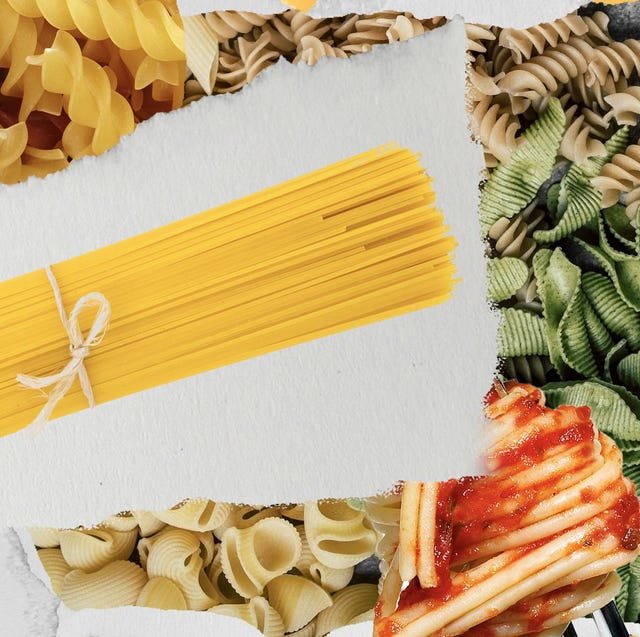
Pasta comes in many shapes, each suited for different sauces and cooking times. Thin pasta cooks faster, while thick shapes hold sauce better.
- Spaghetti:Long and thin, cooks quickly and pairs well with light sauces.
- Penne:Short tubes, perfect for chunky or creamy sauces.
- Fusilli:Spiral-shaped, holds sauce in its curves.
- Farfalle:Bow-tie shape, good for salads and thick sauces.
- Rigatoni:Large tubes with ridges, ideal for heavy sauces.
Selecting Quality Pasta
| Quality Factor | What to Look For | Why It Matters |
| Ingredients | Made from 100% durum wheat semolina | Durum wheat gives firm texture and good bite |
| Color | Uniform pale yellow color | Shows good quality and proper drying |
| Brand Reputation | Choose well-known or artisan brands | Ensures consistent quality and taste |
| Packaging | Sealed and undamaged packages | Protects pasta from moisture and contamination |
Preparing The Water
Cooking pasta al dente starts with the right water preparation. Using enough water and seasoning it properly helps the pasta cook evenly and taste great.
Water temperature and quality also affect the pasta texture. Boiling water is essential to keep the pasta firm and avoid mushiness.
Ideal Water-to-pasta Ratio
Use plenty of water to give pasta room to cook. Too little water makes pasta stick together and cook unevenly.
A good rule is four to six quarts of water for every pound of pasta. This amount keeps the water boiling well even after adding pasta.
- 4 to 6 quarts of water per 1 pound of pasta
- More water helps pasta cook evenly
- Enough water prevents pasta from sticking
Adding Salt For Flavor
Salt adds essential flavor to pasta during cooking. Add salt to boiling water before adding pasta for best taste.
Use about one to two tablespoons of salt per four to six quarts of water. This makes the pasta flavorful without being too salty.
- Add salt after water boils, before pasta
- 1 to 2 tablespoons salt per 4-6 quarts water
- Salt enhances pasta’s natural flavor
Cooking Time Essentials
Cooking pasta al dente means the pasta is firm to the bite. Timing is key to reach this perfect texture.
Different pasta shapes and sizes need different boiling times. Knowing how to check the texture helps you cook it just right.
Boiling Time For Different Pasta
Each pasta type has a recommended boiling time. This time guides you to achieve al dente texture.
| Pasta Type | Boiling Time (minutes) |
|---|---|
| Spaghetti | 8-10 |
| Penne | 10-12 |
| Fusilli | 9-11 |
| Farfalle | 10-13 |
| Angel Hair | 2-3 |
Checking The Texture
To test if pasta is al dente, taste it during cooking. It should be tender but still firm inside.
- Start tasting pasta 2 minutes before the shortest boiling time.
- Take a piece out and cool it briefly.
- Bite it to check firmness and texture.
- Stop cooking when pasta feels firm but not hard.
- Drain immediately to prevent overcooking.
Credit: cookinggods.com
Techniques For Perfect Al Dente
Cooking pasta al dente means it is firm to the bite. This texture makes the pasta taste better and hold sauce well.
To cook pasta this way, you need the right techniques. Two key steps are stirring to prevent sticking and avoiding overcooking.
Stirring To Prevent Sticking
Stirring pasta during cooking stops the noodles from sticking to each other or the pot. It helps cook the pasta evenly.
- Stir pasta right after adding it to boiling water.
- Continue stirring every few minutes while cooking.
- Use a large pot with plenty of water for best results.
- Do not add oil; stirring is enough to prevent sticking.
Avoiding Overcooking
Overcooked pasta becomes soft and mushy. To avoid this, watch the cooking time carefully.
| Type of Pasta | Cooking Time (Minutes) | Check Time (Minutes) |
|---|---|---|
| Spaghetti | 8-10 | 7 |
| Penne | 10-12 | 9 |
| Fusilli | 11-13 | 10 |
Start tasting pasta a minute or two before the package time ends. It should be firm but not hard.
Testing Pasta For Doneness
Cooking pasta al dente means it is firm but cooked through. Checking if pasta is done takes practice.
Using simple tests helps you cook pasta perfectly every time. Two common ways are the bite test and visual cues.
Bite Test Method
The bite test is the easiest way to check pasta doneness. Take a piece out and bite it.
If the pasta feels firm with a slight resistance but no hard center, it is al dente. If it is too soft or mushy, it is overcooked.
- Take a pasta strand from boiling water.
- Let it cool for a few seconds.
- Bite the pasta and feel the texture.
- Look for slight firmness inside.
Visual And Texture Cues
Visual signs can help spot al dente pasta without tasting. The pasta should look cooked but still firm.
The surface will be smooth but not swollen or broken. The pasta will bend slightly but not break easily.
- The pasta color changes from opaque to slightly translucent.
- The pasta holds its shape when stirred.
- The texture feels firm, not soft or sticky.
Draining And Finishing Touches
Cooking pasta al dente means it is firm to the bite. Draining it correctly helps keep that texture. Finishing touches bring the dish together perfectly.
Let’s look at when to save pasta water and how to mix the pasta with sauce.
When To Reserve Pasta Water
Save some pasta water before draining. It has starch that helps sauces stick. Use it if your sauce is too thick or dry.
- Use a cup or ladle to scoop out water while draining
- Reserve about half a cup for every serving
- Add water little by little to adjust sauce texture
- Do not pour all water down the drain
Combining With Sauce
Mix pasta and sauce in a pan over low heat. This helps flavors blend and keeps the pasta warm.
| Tip | Reason |
|---|---|
| Use reserved pasta water | Makes sauce creamier and helps it coat pasta |
| Toss pasta in sauce, not just pour sauce | Evenly spreads flavor and texture |
| Cook pasta and sauce together for 1-2 minutes | Allows pasta to absorb sauce flavors |
| Add cheese or herbs last | Preserves fresh taste and texture |
Common Mistakes To Avoid
Cooking pasta al dente means the pasta is firm but not hard. Many cooks struggle with this. Avoiding common mistakes helps you get perfect pasta every time.
Two common errors are using too little water and ignoring the cooking time. These mistakes can make pasta sticky or mushy.
Using Insufficient Water
Using too little water causes pasta to stick together. Pasta needs room to move while cooking. Crowded pots heat unevenly.
Use a large pot filled with plenty of water. This stops pasta from clumping and cooks it evenly.
- Use at least 4-6 quarts of water per pound of pasta
- Stir pasta during the first minute to prevent sticking
- Use a wide pot for better heat distribution
Ignoring Cooking Times
Ignoring the cooking time can lead to overcooked or undercooked pasta. Each pasta type has a recommended time for al dente texture.
Set a timer and taste pasta near the end of the cooking time. Pasta should be firm but cooked through.
- Check the package for suggested cooking time
- Taste pasta 1-2 minutes before time ends
- Drain pasta immediately when it reaches al dente
Tips For Different Pasta Varieties
Cooking pasta al dente means it is firm but cooked through. Different pasta types need different cooking times and care.
Knowing how to cook fresh, dried, and gluten-free pasta helps you get the best texture every time.
Fresh Vs. Dried Pasta
Fresh pasta cooks faster than dried pasta. It usually takes 2 to 4 minutes to become al dente.
Dried pasta takes longer, about 8 to 12 minutes. Check the package for exact times to avoid overcooking.
- Use plenty of boiling water to keep pasta from sticking
- Stir fresh pasta gently as it cooks
- Start checking dried pasta a minute before the time ends
- Drain pasta just before it feels too soft
Gluten-free Options
Gluten-free pasta often cooks faster than regular pasta. It can be softer, so watch cooking times closely.
Some gluten-free pastas need extra stirring to prevent clumping. Use plenty of water and test often.
- Cook gluten-free pasta in large pots with boiling water
- Stir pasta frequently to stop sticking
- Check texture early, as it can go from firm to mushy quickly
- Rinse pasta after cooking to remove extra starch if needed

Credit: www.yahoo.com
Frequently Asked Questions
What Does “al Dente” Mean In Pasta Cooking?
“Al dente” means “to the tooth” in Italian. It refers to pasta that is cooked until firm. The pasta should be slightly chewy, not too soft. This texture is achieved by cooking the pasta for a shorter time. It’s the ideal way to enjoy pasta with sauces.
How Long Should Pasta Cook For Al Dente?
The cooking time varies by pasta type. Generally, follow the package instructions for al dente. Most pasta types require 7-9 minutes of boiling. Check the texture a minute before the suggested time. It should be firm but not hard. Adjust time for personal preference.
Is Al Dente Pasta Healthier?
Al dente pasta has a lower glycemic index than overcooked pasta. It digests more slowly, preventing spikes in blood sugar. This makes it a healthier choice. The firmer texture also helps you feel fuller longer. Enjoy it with nutritious sauces for a balanced meal.
Can Gluten-free Pasta Be Cooked Al Dente?
Yes, gluten-free pasta can be cooked al dente. Follow the package instructions for timing. Check the texture a minute before the suggested time. It should be firm to bite. Gluten-free pasta varies by brand, so adjust cooking time as needed.
Enjoy it with your favorite sauce.
Conclusion
Cooking pasta al dente is easier than it seems. Just follow the right steps and timing. Taste the pasta a minute before the package says. It should be firm but not hard. Drain it quickly and serve with your favorite sauce.
Practice a few times to get the perfect bite. Enjoy pasta that feels fresh and satisfying every time. Simple tips make a big difference in your cooking. Keep these in mind for tasty, well-cooked pasta dishes.