
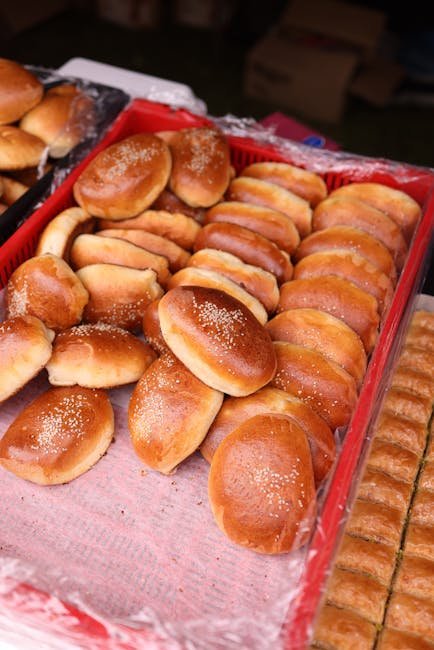
Have you ever wished you could bake bread rolls that are soft, fluffy, and fresh right in your own kitchen? Imagine pulling warm, pillowy rolls out of the oven that melt in your mouth with every bite.
You don’t need fancy ingredients or special tools to make this happen. You’ll discover simple, proven tips to help you achieve soft bread rolls at home every time. Ready to transform your baking skills and impress everyone with your homemade rolls?
Let’s get started!
Choosing The Right Ingredients
Baking soft bread rolls starts with picking the right ingredients. Each item affects the texture and flavor of your rolls.
Using good ingredients helps you get soft, fresh bread rolls at home every time.
Selecting Quality Flour
Flour is the base of bread rolls. Choose flour with the right protein content for softness. Bread flour has more protein and makes chewier rolls.
- All-purpose flour works well for soft rolls.
- Bread flour gives stronger dough and better rise.
- Use fresh flour for better flavor.
- Avoid flour that smells old or stale.
The Role Of Yeast
Yeast makes the dough rise and adds air for softness. Use fresh yeast or active dry yeast for best results.
| Yeast Type | Use | Notes |
| Active Dry Yeast | Dissolve in warm water | Common and easy to find |
| Instant Yeast | Mix directly in flour | Faster rising time |
| Fresh Yeast | Use quickly | Needs refrigeration |
Importance Of Fats And Sugars
Fats and sugars keep bread rolls soft and moist. They also add flavor and help the dough brown.
Here are common fats and sugars used in soft bread rolls:
- Butter:Adds rich flavor and softness.
- Oil:Makes rolls tender and moist.
- Sugar:Feeds yeast and sweetens the dough.
- Honey:Natural sweetener that keeps rolls soft longer.
Preparing The Dough
Making soft bread rolls starts with preparing the dough correctly. This step sets the texture and taste of the rolls. Careful attention to each part of the process helps you get the best results.
Focus on measuring ingredients, mixing methods, and the dough’s feel. Each factor affects the softness of the bread rolls at home.
Measuring Ingredients Accurately
Accurate measuring of ingredients is key to soft bread rolls. Too much flour or too little water changes the dough’s texture. Use measuring cups or a kitchen scale for best results.
- Weigh flour for precision instead of using volume cups.
- Measure liquids like water or milk at eye level.
- Use level spoons for salt and sugar.
- Check yeast freshness and measure carefully.
Mixing Techniques For Softness
Mixing dough well helps develop gluten, which makes bread soft and chewy. Avoid overmixing because it can make rolls tough. Use gentle folding and kneading motions.
- Combine dry ingredients before adding liquids.
- Mix until ingredients just come together.
- Knead dough on a floured surface for 8 to 10 minutes.
- Let dough rest to relax gluten for softness.
Hydration Levels And Dough Consistency
Hydration affects how soft and light the bread rolls will be. The right amount of water keeps the dough sticky but manageable. Check dough feel to decide if it needs more water or flour.
| Hydration Level (%) | Dough Texture | Effect on Bread |
| 50-55 | Firm and dry | Dense, less soft rolls |
| 60-65 | Soft and slightly sticky | Light, soft, and airy rolls |
| 70+ | Very sticky and wet | Hard to shape, very open crumb |
Kneading For Fluffiness
Kneading dough is key to soft bread rolls. It helps the dough develop the right texture.
Good kneading makes bread rolls light and fluffy. It mixes ingredients and builds gluten.
Hand Kneading Vs Machine Kneading
Hand kneading lets you feel the dough’s texture. You can control pressure and speed easily.
Machine kneading is faster and less tiring. It gives even kneading but less feeling of the dough.
- Hand kneading is slower but more precise
- Machine kneading saves time and effort
- Hand kneading needs practice to get right
- Machine kneading works well for large batches
Signs Of Well-kneaded Dough
Well-kneaded dough feels smooth and elastic. It should bounce back when pressed gently.
You can stretch the dough thin without it tearing. This means the gluten is well developed.
- The dough is soft but not sticky
- It holds shape and springs back
- Surface looks smooth and slightly shiny
- It feels warm from the kneading process
Proofing Tips
Proofing is a key step to make bread rolls soft and fluffy. It lets the dough rise and develop flavor.
Good proofing creates air pockets inside the dough. This makes the rolls light and tender after baking.
Ideal Temperature And Humidity
The best temperature for proofing is warm but not hot. Aim for about 75°F to 80°F (24°C to 27°C).
Humidity helps keep the dough surface soft. A humidity level around 75% is perfect to stop drying.
- Too cold slows yeast activity and rise
- Too hot kills the yeast
- Low humidity causes crust to form early
- High humidity keeps dough soft and stretchy
Timing For Optimal Rise
Proofing time depends on dough size and room temperature. Usually, it takes 1 to 2 hours.
Watch the dough, not the clock. It is ready when it doubles in size and feels soft.
- Check dough after 45 minutes
- Press gently; dough springs back slowly
- If dough is too soft or over-risen, rolls may collapse
Using A Proofing Box Or Alternative Methods
A proofing box keeps temperature and humidity steady. It gives the best results for soft rolls.
If you do not have a proofing box, use warm spots like near a heater or inside an oven with the light on.
- Cover dough with a damp cloth to keep moisture
- Use a large bowl with warm water for humidity
- Check temperature to avoid overheating
Shaping The Rolls
Shaping bread rolls is a key step to keep them soft and even. Proper shaping helps rolls rise well and bake evenly.
Good shaping techniques make the rolls look nice and feel soft after baking. Let’s look at ways to shape rolls perfectly.
Techniques For Uniform Sizes
Making rolls the same size helps them bake evenly. It also makes your bread look neat and professional.
Use simple tools to divide dough into equal parts. This keeps the rolls consistent in size and shape.
- Use a kitchen scale to weigh dough pieces
- Divide dough with a dough cutter or knife
- Shape each piece gently into a round ball
- Place rolls evenly spaced on the baking tray
Avoiding Over-handling
Handling dough too much can make rolls tough. It pushes out air bubbles that keep bread soft.
Work quickly and gently when shaping. This keeps the dough light and soft for baking.
- Use light hands to shape the dough
- Avoid squeezing or pressing too hard
- Do not stretch the dough too much
- Rest dough if it becomes too sticky or warm

Credit: www.youtube.com
Baking For Softness
Baking soft bread rolls at home is a simple pleasure. The right techniques help keep rolls tender and light.
Softness depends on heat, moisture, and baking time. Small changes make a big difference in texture.
Oven Temperature Settings
Set your oven to a moderate temperature, usually around 350°F (175°C). This helps the rolls cook evenly.
Too hot an oven makes crust hard before the inside is soft. Too low makes rolls dry and dense.
- Preheat oven fully before baking
- Use a thermometer to check oven accuracy
- Adjust temperature slightly if rolls brown too fast
Using Steam In Baking
Adding steam in the first minutes helps rolls stay soft. Steam keeps the crust from hardening too fast.
Place a pan of hot water at the bottom of the oven or spray water inside before baking.
- Use a shallow pan with boiling water
- Spray water with a spray bottle on oven walls
- Remove steam source after first 10 minutes
Baking Time And Indicators Of Doneness
Bake bread rolls for about 15 to 20 minutes. Time varies by size and oven type.
Look for a light golden color and a soft feel. The rolls should sound hollow when tapped underneath.
- Check color: golden but not dark brown
- Tap bottom: hollow sound means done
- Use a thermometer: inside should reach 190°F (88°C)
Cooling And Storage
Cooling and storing bread rolls correctly helps keep them soft and fresh. Proper steps prevent dryness and hardness after baking.
Let’s look at ways to cool and store bread rolls for the best texture and taste.
Proper Cooling Techniques
Cool bread rolls on a wire rack to let air flow all around. This stops moisture from building under the rolls.
Do not cover rolls while they are hot. Covering traps steam and makes rolls soggy.
- Place rolls on a wire rack immediately after baking
- Leave space between rolls for air circulation
- Keep rolls uncovered until fully cool
Maintaining Softness After Baking
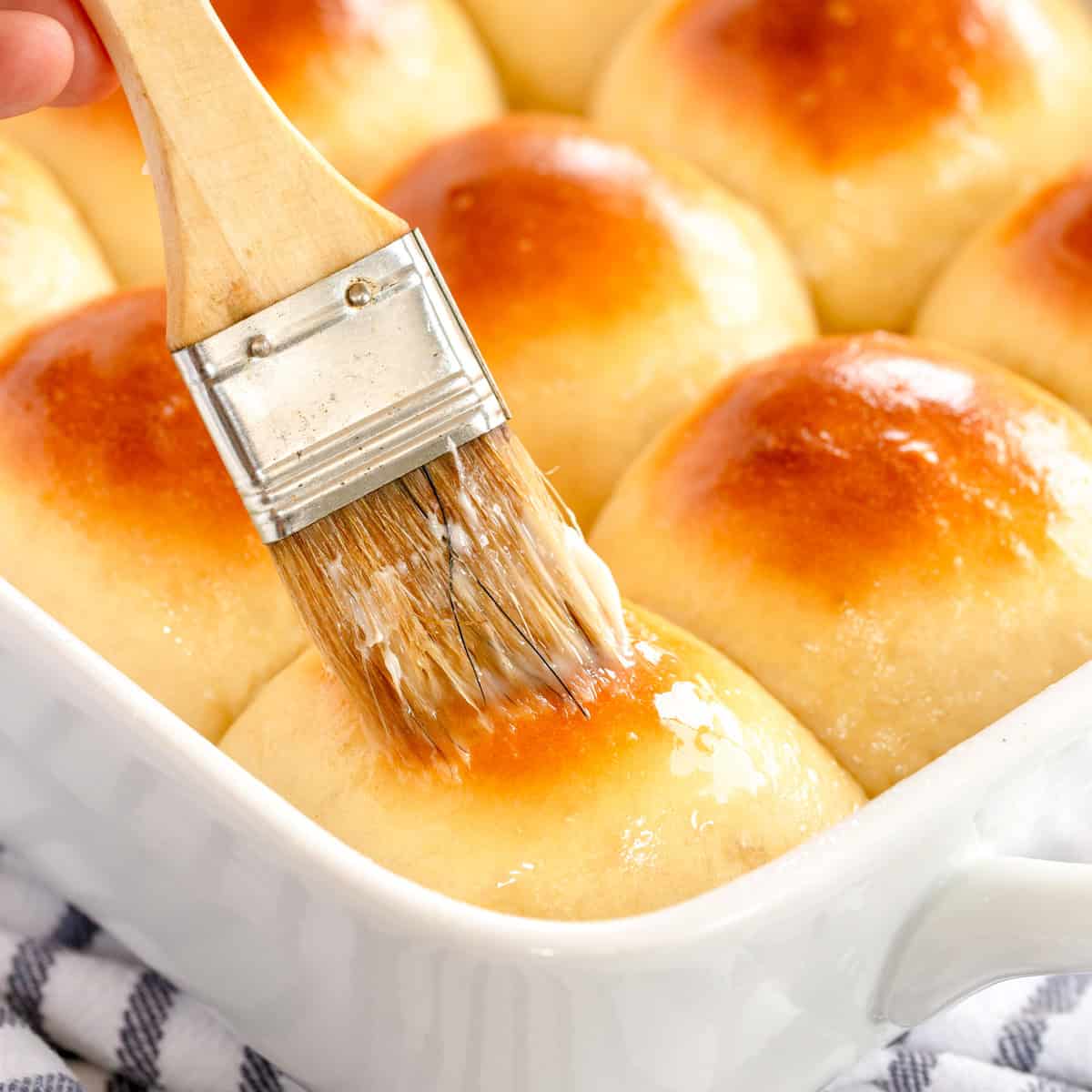
Brush rolls with melted butter after cooling. This adds moisture and keeps the crust soft.
Store rolls in a clean cloth bag or wrap in a soft kitchen towel. This protects softness while allowing some breathability.
- Use melted butter or olive oil to brush rolls
- Wrap rolls in cotton or linen cloth
- Avoid plastic wrap right after baking
Best Storage Practices For Freshness
Keep bread rolls at room temperature for up to two days. Store them in an airtight container or sealed bag after cooling.
For longer storage, freeze rolls. Wrap each roll tightly in foil or plastic wrap, then place in a freezer bag.
- Store at room temperature in airtight containers
- Freeze rolls for storage over two days
- Thaw frozen rolls at room temperature before eating

Credit: www.youtube.com
Troubleshooting Common Issues
Baking soft bread rolls at home can be tricky. Many bakers face problems that affect the texture and taste.
Understanding common issues helps improve your baking results. This guide covers fixes for dry rolls, dense texture, and uneven baking.
Dry Or Hard Rolls
Dry or hard rolls often happen from overbaking or too little moisture. Overmixing dough can also make rolls tough.
To fix this, check your oven temperature and baking time. Use a thermometer to ensure accuracy. Add a little more water or milk to your dough for softness.
- Reduce baking time by 3-5 minutes
- Lower oven temperature by 10-15 degrees Celsius
- Use milk or butter in the dough for moisture
- Avoid overmixing the dough
Dense Or Heavy Texture
Dense rolls come from too much flour or not enough yeast. Not letting dough rise long enough also causes heaviness.
Measure flour carefully and use fresh yeast. Let your dough rise in a warm place until it doubles in size. This helps create light and fluffy rolls.
- Use a kitchen scale for precise flour measurement
- Check yeast expiration date
- Allow dough to rise fully before baking
- Avoid pressing the dough down after the first rise
Uneven Baking
Uneven baking means some rolls cook faster than others. This happens if rolls are different sizes or oven heat is uneven.
Make sure rolls are the same size and spaced evenly on the tray. Use the middle rack in your oven for the best heat distribution.
- Shape rolls to uniform size
- Leave space between rolls on the baking tray
- Bake on the oven’s middle rack
- Rotate tray halfway through baking
Credit: www.kyleecooks.com
Frequently Asked Questions
How Do I Make Bread Rolls Softer?
To make bread rolls softer, use warm water or milk. Add a bit of butter or oil to the dough. Knead well for gluten development. Let the dough rise in a warm place. Cover rolls with a damp cloth while cooling.
Why Are My Bread Rolls Hard?
Hard bread rolls can result from overbaking or insufficient kneading. Ensure you proof the dough well. Use the right amount of moisture. Cover rolls with a cloth while cooling. Adjust baking time and temperature for your oven.
Can I Make Bread Rolls Without Yeast?
Yes, you can make bread rolls without yeast using baking powder or baking soda. These leavening agents provide a rise to the dough. The texture may be denser than yeast rolls. Experiment with recipes to find your preferred taste and texture.
What Flour Is Best For Soft Rolls?
Bread flour is ideal for soft rolls due to its higher protein content. This helps develop gluten, resulting in a chewier texture. For a lighter texture, you can mix bread flour with all-purpose flour. Experiment with ratios to achieve your desired softness.
Conclusion
Baking soft bread rolls at home is simple with the right steps. Use fresh ingredients and follow the kneading and rising times carefully. Keep the oven temperature steady and avoid overbaking. Small details like adding milk or butter make a big difference.
Practice helps you improve with each batch. Enjoy warm, soft rolls fresh from your kitchen anytime. Try these tips and enjoy baking soft bread rolls easily.