
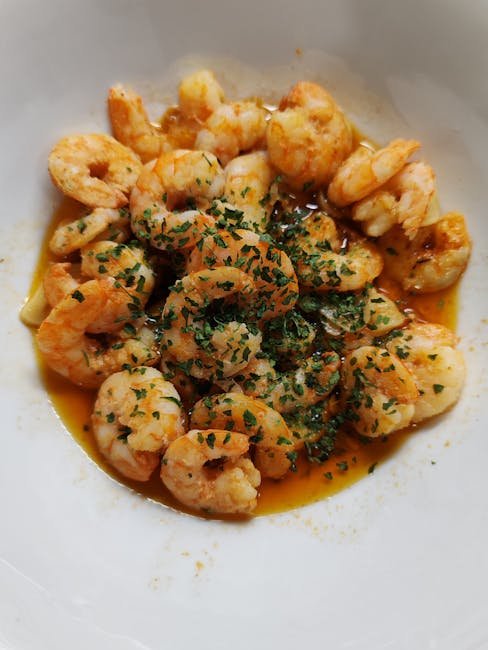
Are you tired of shrimp turning rubbery or dry every time you cook them in the oven? You’re not alone.
Getting shrimp perfectly tender can feel tricky, but once you know the right steps, it’s surprisingly easy. Imagine biting into juicy, flavorful shrimp that melt in your mouth with every bite. In this guide, you’ll discover simple tips and tricks to cook shrimp tender in the oven—no guesswork, no frustration.
Keep reading, and you’ll be serving restaurant-quality shrimp from your own kitchen in no time.
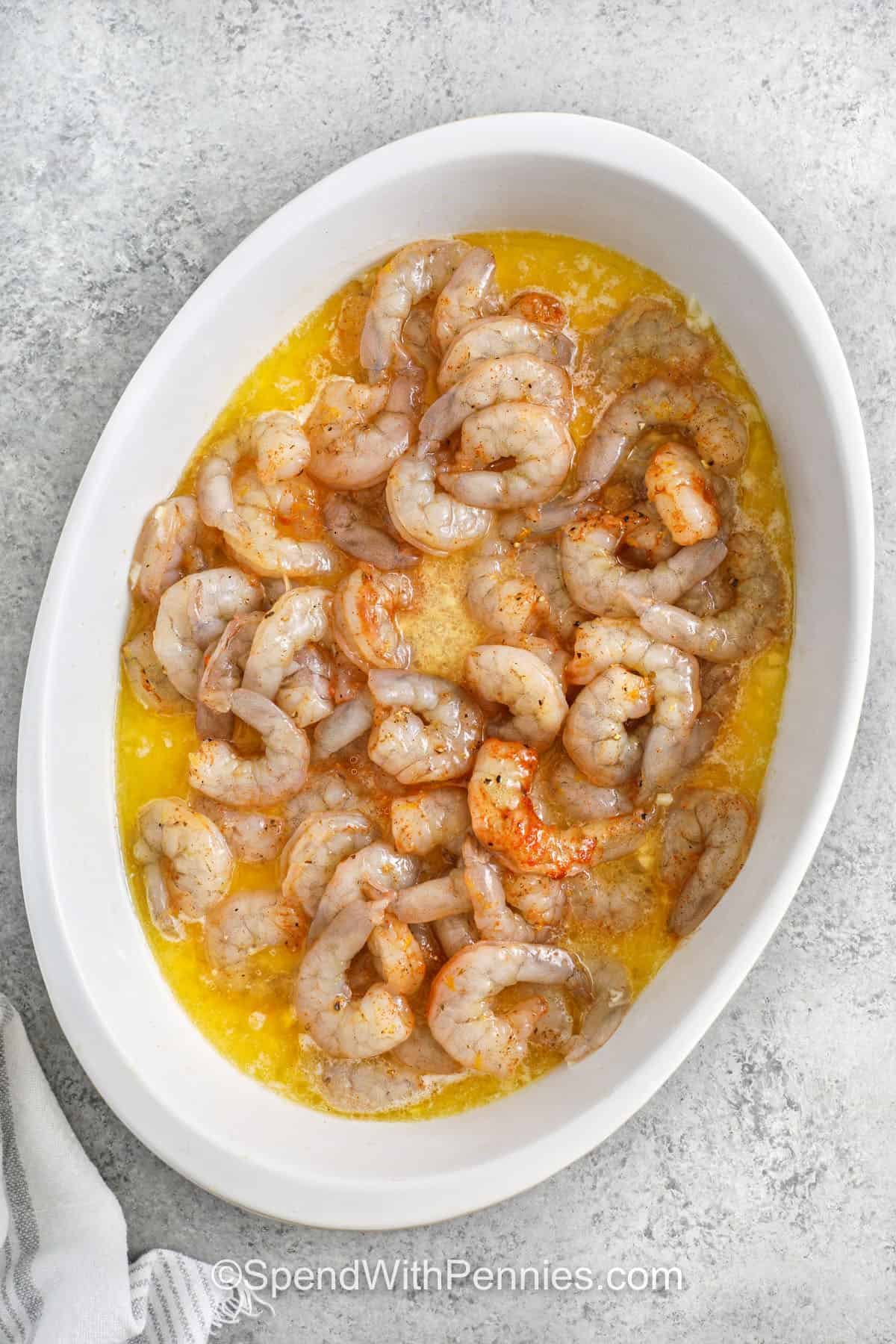
Credit: www.spendwithpennies.com
Choosing The Right Shrimp
Cooking shrimp tender in the oven starts with picking the right shrimp. The texture and flavor depend on your choice. Freshness, size, and preparation all matter.
Learn how to select shrimp that will give you the best results. This guide covers fresh versus frozen, size and type, and peeling and deveining.
Fresh Vs Frozen
Fresh shrimp often taste better but can be hard to find. Frozen shrimp stay good longer and keep their flavor well. Choose based on availability and your cooking schedule.
- Buy fresh shrimp if you plan to cook them the same day.
- Frozen shrimp are good for storage and can be thawed before cooking.
- Check for signs of freezer burn on frozen shrimp to avoid bad taste.
Size And Type
| Size | Description | Best Use |
|---|---|---|
| Small (51–60 per lb) | Delicate and cook quickly | Salads and appetizers |
| Medium (41–50 per lb) | Good balance of size and texture | Oven baking and grilling |
| Large (31–40 per lb) | Firm and meaty | Main dishes and skewers |
Types like white, tiger, or pink shrimp differ in flavor and texture. Pick the type you prefer or what your recipe calls for.
Peeling And Deveining
Decide if you want shrimp peeled and deveined before cooking. Removing the shell helps seasoning reach the meat. Deveining improves appearance and taste.
- Peeled shrimp cook faster and are easier to eat.
- Keep the tail on for a nice presentation.
- Deveining removes the dark digestive tract for cleaner flavor.
:max_bytes(150000):strip_icc()/267033-baked-stuffed-shrimp-recipe-VAT-Beauty-2x1-cc809e76bd79449a8391c0b29ce18926.jpg)
Credit: www.allrecipes.com
Prepping Shrimp For Cooking
Cooking shrimp in the oven can be quick and simple. Preparing shrimp properly helps keep it tender and tasty.
Before cooking, take time to marinate, season, and add fats like oil or butter. These steps improve flavor and texture.
Marinating Tips
Marinating shrimp adds flavor and helps keep it moist. Use fresh ingredients and avoid strong acids that can cook the shrimp too fast.
- Use lemon juice or vinegar sparingly.
- Include garlic, herbs, or spices in the marinade.
- Marinate for 15 to 30 minutes only.
- Keep shrimp refrigerated while marinating.
Seasoning Choices
Seasoning shrimp well enhances its natural taste. Choose mild or bold spices depending on your preference.
| Seasoning | Flavor Profile |
| Old Bay | Savory and slightly spicy |
| Paprika | Smoky and sweet |
| Cumin | Earthy and warm |
| Garlic Powder | Pungent and aromatic |
| Black Pepper | Sharp and pungent |
Using Oil And Butter
Oil and butter help shrimp cook evenly and add richness. Use them wisely for best results.
Follow these tips when adding fat to your shrimp:
- Use olive oil or melted butter for coating.
- Brush shrimp lightly before baking.
- Mix oil or butter with garlic or herbs for extra flavor.
- Do not overuse; too much fat can cause sogginess.
Oven Temperature And Timing
Cooking shrimp in the oven is quick and easy. The right temperature and time keep shrimp tender.
Too high heat or too long cooking makes shrimp tough. Let’s explore the best settings for oven shrimp.
Optimal Oven Settings
Set your oven to a moderate temperature to cook shrimp evenly. Around 350°F (175°C) works well.
This temperature cooks shrimp gently, preserving their natural juiciness and flavor.
- Preheat oven to 350°F (175°C)
- Use a baking sheet or dish for even heat
- Arrange shrimp in a single layer
Cooking Duration
Shrimp cook very fast. Usually, 8 to 10 minutes in the oven is enough.
Check shrimp after 8 minutes to avoid drying them out. They are done when pink and opaque.
- Cook shrimp for 8 to 10 minutes
- Watch for pink color and firm texture
- Smaller shrimp need less time
Avoiding Overcooking
Overcooked shrimp become rubbery and lose flavor. Avoid cooking longer than 10 minutes.
Remove shrimp from the oven as soon as they turn pink and curl slightly. Let them rest for a minute.
- Do not exceed 10 minutes cooking time
- Watch for pink color and curled shape
- Rest shrimp briefly before serving

Credit: www.spendwithpennies.com
Cooking Techniques For Tender Shrimp
Cooking shrimp in the oven can be quick and easy. The key is to keep the shrimp tender and juicy.
Using the right techniques helps avoid overcooking. This guide covers baking, using foil or parchment, and broiling.
Baking Methods
Baking shrimp at a moderate temperature cooks them evenly. It keeps the shrimp moist and soft.
Set the oven to 350°F (175°C). Bake shrimp for 8 to 10 minutes. Check for pink color and firm texture.
Using Foil Or Parchment
Wrapping shrimp in foil or parchment locks in steam. This method helps shrimp stay tender and flavorful.
Place shrimp with seasonings inside the wrap. Seal it tightly. Cook in the oven for 10 to 12 minutes at 350°F (175°C).
- Prevents shrimp from drying out
- Infuses flavors evenly
- Makes cleanup easier
Broiling For Crispiness
Broiling cooks shrimp quickly at high heat. This makes the outside slightly crispy while keeping inside tender.
Place shrimp on a baking sheet. Broil for 2 to 3 minutes per side. Watch closely to avoid burning.
Checking Doneness
Knowing when shrimp is perfectly cooked keeps it tender and tasty. Overcooked shrimp can become tough and rubbery.
Check shrimp carefully after baking to avoid overcooking. Use a few simple ways to test if shrimp is done.
Visual Cues
Cooked shrimp turn pink or orange with white flesh inside. Raw shrimp look gray and translucent.
Look for shrimp that curls into a loose “C” shape. If it curls tightly into an “O,” it may be overcooked.
- Color changes from gray to pink or orange
- Flesh becomes opaque and white
- Shape curls into a loose “C”
- Tight curl means overcooked shrimp
Texture And Firmness
Tender shrimp feel firm but still slightly springy. They should not feel hard or rubbery.
Press shrimp gently with a fork. If it resists but gives a little, it is done. If it feels mushy, it needs more time.
- Firm but springy texture is ideal
- Hard or rubbery means overcooked
- Mushy texture means undercooked
Using A Thermometer
A food thermometer gives the most accurate doneness check. Shrimp is safe to eat at 120°F to 140°F (49°C to 60°C).
Insert the thermometer into the thickest part of the shrimp. Remove from the oven once it reaches the right temperature.
- Cook shrimp to 120°F–140°F (49°C–60°C)
- Use an instant-read thermometer
- Check the thickest part of the shrimp
Serving Suggestions
Cooking shrimp tender in the oven is just the start. How you serve them can make a big difference. Here are ways to enjoy your shrimp with tasty sauces, sides, and garnishes.
These ideas help you create a complete meal that looks good and tastes great. Try different combinations to find your favorite way to serve shrimp.
Pairing With Sauces
Shrimp goes well with many sauces. Pick one that matches your taste and the flavors in the shrimp.
- Garlic butter sauce adds a rich and creamy touch.
- Spicy cocktail sauce gives a zesty kick.
- Lemon herb sauce brings a fresh, tangy flavor.
- Sweet chili sauce adds a mild heat with sweetness.
- Avocado crema offers a cool, smooth contrast.
Side Dish Ideas
Choose side dishes that balance the shrimp’s flavor and texture. Here are some tasty options to serve alongside your shrimp.
| Side Dish | Why It Works |
| Steamed asparagus | Light and fresh, adds crunch |
| Garlic mashed potatoes | Creamy and smooth, fills you up |
| Rice pilaf | Fluffy and mild, soaks up sauces |
| Mixed green salad | Fresh and crisp, adds color |
| Roasted vegetables | Sweet and savory, adds depth |
Garnishing Tips
Garnishes make your dish look inviting and add extra flavor. Use simple touches to brighten your shrimp plate.
- Sprinkle fresh chopped parsley or cilantro for color and freshness.
- Add lemon wedges for a bright, tangy squeeze.
- Use thin slices of red chili for a pop of heat and color.
- Dust a little smoked paprika for smoky flavor and color.
- Place a few microgreens on top for a gourmet look.
Common Mistakes To Avoid
Cooking shrimp in the oven is quick and easy. But some mistakes can make shrimp tough or dry. Avoid these errors to keep shrimp tender and tasty.
Read these common mistakes and learn how to prevent them for perfect shrimp every time.
Overcrowding The Pan
Putting too many shrimp in the pan stops heat from circulating well. This causes uneven cooking. Some shrimp may overcook while others stay raw.
Use a baking sheet with space between shrimp. Cook in batches if needed. This helps shrimp cook evenly and stay tender.
- Leave space between shrimp pieces
- Use a large enough pan
- Cook in batches if shrimp crowd the pan
Skipping The Resting Time
Taking shrimp out of the oven and eating immediately can make them tough. Resting lets juices spread inside. This keeps shrimp moist and soft.
Let shrimp rest for 2 to 3 minutes on the pan or plate. This simple step improves texture and flavor.
Ignoring Shrimp Size Variations
Shrimp come in many sizes. Cooking all sizes together can cause small shrimp to overcook. Large shrimp may stay undercooked.
Sort shrimp by size before cooking. Cook similar-sized shrimp together for even results.
- Separate shrimp into small, medium, and large groups
- Adjust cooking time based on shrimp size
- Check shrimp often to avoid overcooking
Frequently Asked Questions
What Temperature Should I Bake Shrimp At?
Bake shrimp at 375°F (190°C) for optimal tenderness. This temperature cooks shrimp evenly without making them tough. Ensure the shrimp are in a single layer on the baking sheet. This promotes even cooking. Proper temperature control ensures juicy, tender shrimp every time.
How Long To Cook Shrimp In The Oven?
Cook shrimp in the oven for 8-10 minutes. This duration ensures they are cooked through and tender. Overcooking can make shrimp rubbery, so monitor closely. The shrimp should turn pink and opaque. This indicates they are perfectly cooked and ready to enjoy.
Should I Marinate Shrimp Before Baking?
Yes, marinating shrimp enhances flavor and tenderness. A marinade can include lemon, garlic, and olive oil. Allow shrimp to marinate for at least 15-30 minutes. This allows the flavors to infuse well. Marination helps keep shrimp juicy during baking.
How To Ensure Shrimp Remain Tender?
To keep shrimp tender, avoid overcooking. Use a thermometer to ensure internal temperature reaches 120°F (49°C). Preheat the oven before baking. Use fresh or properly thawed shrimp for best results. These steps prevent toughness and ensure deliciously tender shrimp.
Conclusion
Cooking shrimp tender in the oven is simple and quick. Keep the temperature right and avoid overcooking. Use fresh shrimp and season well for better taste. Watch the shrimp closely as they cook fast. Serve immediately for the best texture and flavor.
Enjoy your delicious, tender shrimp every time. Cooking at home saves money and feels great. Try different herbs or spices to find your favorite. Practice a few times to get perfect results. Shrimp can be a healthy, tasty meal option.