
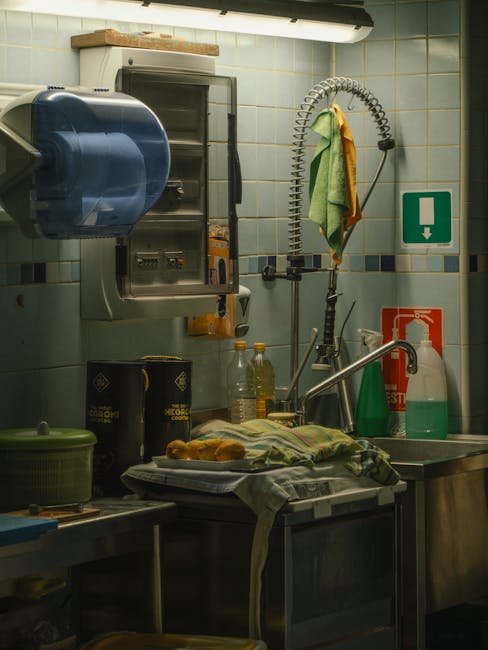
Are your kitchen walls looking dull or covered in stubborn stains? You’re not alone.
Kitchen walls often get ignored, yet they can hold onto grease, spills, and grime more than you realize. Cleaning them thoroughly can transform the entire feel of your kitchen—making it fresher, brighter, and more inviting. You’ll discover simple, effective tips that make tackling those tricky spots easier than ever.
Ready to see your kitchen walls shine like new? Keep reading, and let’s get started!
Credit: www.fooddocs.com
Choosing The Right Cleaning Supplies
Cleaning kitchen walls needs the right supplies for good results. Different walls need different cleaners to avoid damage.
Using proper tools makes the job easier and helps clean walls deeply without extra effort.
Safe Cleaners For Different Wall Types
Not all walls react the same to cleaners. Pick safe products based on your wall type to keep walls strong and clean.
| Wall Type | Recommended Cleaner | Cleaner to Avoid |
| Painted Walls | Mild detergent mixed with warm water | Abrasive scrubbers and strong chemicals |
| Tile Walls | Vinegar solution or tile cleaner | Bleach on colored grout |
| Wallpaper | Soft cloth with mild soap solution | Excess water and harsh chemicals |
| Wood Paneling | Wood cleaner or mild soap | Excess water and ammonia-based cleaners |
Essential Tools For Effective Cleaning
Good tools help clean walls without damage. Use items that fit the wall type and cleaning solution.
- Soft sponges or cloths for gentle scrubbing
- Non-abrasive scrub brushes for tough spots
- Spray bottles for even cleaner application
- Buckets for mixing cleaning solutions
- Gloves to protect hands from chemicals
- Step stools for reaching high areas safely
Credit: www.tasteofhome.com
Preparing The Kitchen Walls
Cleaning kitchen walls well needs good preparation. This makes the cleaning easier and better.
Start by checking the walls for dirt and things that might get in the way. Get everything ready before you clean.
Removing Loose Dirt And Dust
Loose dirt and dust can stop cleaning products from working well. Remove them first for better results.
Use a soft brush or a dry cloth to wipe the walls. This clears away dust without scratching the surface.
- Start from the top of the wall and work down
- Use a vacuum with a brush attachment if available
- Check corners and edges for hidden dust
Protecting Surrounding Areas
Protect cabinets, counters, and floors before cleaning. Cleaning liquids and dirt can damage these areas.
Use plastic sheets or old towels to cover nearby surfaces. Tape edges to keep covers in place during cleaning.
- Cover countertops and appliances
- Put down drop cloths on the floor
- Remove or cover light switches and outlets
Effective Cleaning Techniques
Cleaning kitchen walls can keep your space fresh and hygienic. Proper techniques help remove dirt without damage.
Use the right tools and cleaners to tackle different types of stains and buildup on your walls.
Spot Cleaning Stubborn Stains
Stubborn stains need special care to avoid hurting your wall paint. Test cleaners on a small spot first.
- Use a damp cloth with mild soap for light stains.
- Try a baking soda paste for tougher marks.
- Apply gently with a soft sponge to avoid scratches.
- Rinse with clean water and dry with a towel.
Using Gentle Scrubbing Methods
Gentle scrubbing removes dirt without rough damage. Avoid harsh tools that can peel paint.
| Tool | Use | Note |
|---|---|---|
| Soft sponge | General cleaning | Safe for most paints |
| Microfiber cloth | Dust and light stains | Reusable and gentle |
| Soft-bristle brush | Textured walls | Use with care |
| Non-abrasive pad | Stubborn dirt | Avoid strong scrubbing |
Dealing With Grease And Grime
Grease can build up fast on kitchen walls. Use cleaners that cut oil without harsh chemicals.
- Mix warm water with dish soap for an effective cleaner.
- Apply solution with a sponge and scrub gently.
- Rinse with clean water and dry well to prevent streaks.
- For tough grease, try vinegar mixed with water.
- Wear gloves to protect your skin during cleaning.
Handling Special Wall Surfaces
Cleaning kitchen walls can be tricky because of different wall types. Each surface needs special care to avoid damage. Knowing how to clean these surfaces well keeps your kitchen fresh and safe.
This guide covers tips for painted walls, wallpapered walls, and tiled backsplashes. Use gentle methods and the right tools for each surface.
Cleaning Painted Walls
Painted walls can show stains and grease easily in kitchens. Use soft cloths and mild cleaners to protect the paint. Avoid scrubbing hard to keep paint from peeling.
Test cleaning solutions on a small hidden spot first. Use warm water with a few drops of dish soap for regular cleaning. Rinse with clean water and dry with a soft towel.
- Use a soft sponge or cloth
- Mix mild soap with warm water
- Do not use harsh chemicals or bleach
- Dry walls after cleaning to avoid water damage
Care For Wallpapered Walls
Wallpaper can be delicate, especially in humid kitchens. Avoid soaking wallpaper with water. Use a dry cloth or a soft brush to remove dust and dirt gently.
For spots, use a damp sponge with plain water and dab lightly. Avoid rubbing or using strong cleaners. Always check the wallpaper type before cleaning.
- Dust regularly with a soft brush or cloth
- Dab stains with a damp sponge, do not soak
- Avoid abrasive cleaners or scrubbing
- Test any cleaner on a small area first
Maintaining Tile And Backsplash
Tile and backsplash are easy to clean but need attention in grout areas. Use a mild cleaner to wipe tiles and a soft brush for grout lines. Avoid harsh scrubbing to keep grout intact.
Regular cleaning stops grease and food build-up. Rinse tiles well and dry to avoid water spots. Sealing grout once a year helps keep it clean longer.
- Wipe tiles with mild detergent and warm water
- Scrub grout gently with a soft brush
- Rinse thoroughly and dry tiles
- Seal grout annually to protect from stains
Preventive Measures To Keep Walls Clean
Keeping kitchen walls clean saves time and effort later. Small habits can stop dirt from building up.
Preventive care helps maintain a fresh look and protects your walls from stains and damage.
Regular Maintenance Tips
Clean your kitchen walls often to avoid tough stains. Use gentle cleaners and soft cloths.
- Wipe walls weekly with a damp sponge to remove grease and dust.
- Fix leaks or drips from faucets to prevent water spots.
- Use splash guards near the stove and sink to catch spills.
- Ventilate your kitchen well to reduce moisture buildup.
- Clean spills immediately to stop stains from setting.
Avoiding Common Cleaning Mistakes
Using the wrong cleaning tools or products can harm your walls. Be careful with scrubbing and chemicals.
| Mistake | What Happens | How to Avoid |
| Using harsh chemicals | Damages paint and wall finish | Choose mild soap or wall-safe cleaners |
| Scrubbing hard | Scratches or removes paint | Use soft cloths or sponges gently |
| Ignoring stains | Stains become permanent | Clean spills as soon as possible |
| Not testing cleaners | Unexpected discoloration | Test cleaner on a small spot first |

Credit: www.familyhandyman.com
Frequently Asked Questions
How Often Should You Clean Kitchen Walls?
It’s best to clean kitchen walls monthly to prevent grime buildup. Regular maintenance ensures that stains don’t become permanent. If you cook frequently, consider wiping down the walls weekly. This practice keeps your kitchen looking fresh and hygienic.
What Supplies Do I Need For Cleaning Kitchen Walls?
Use a mild detergent, water, and a soft sponge. For tougher stains, a baking soda paste works wonders. Microfiber cloths are ideal for drying and polishing. Avoid harsh chemicals that might damage paint.
Can I Use Vinegar On Kitchen Walls?
Yes, vinegar is excellent for cleaning kitchen walls. It helps remove grease and disinfects surfaces. Mix equal parts of vinegar and water in a spray bottle. Spray the solution on the walls and wipe with a soft cloth.
How Do I Remove Grease From Kitchen Walls?
Use a mixture of dish soap and warm water to cut through grease. Apply the solution with a sponge and gently scrub the area. For stubborn grease, a baking soda paste can be effective.
Conclusion
Cleaning kitchen walls takes time and care. Use gentle cleaners and soft cloths. Regular wiping stops dirt from building up. Don’t forget to clean corners and edges. A clean wall makes your kitchen look fresh. Keep your kitchen healthy by removing grease and stains.
Small efforts lead to big results. Enjoy a bright, clean cooking space every day.