
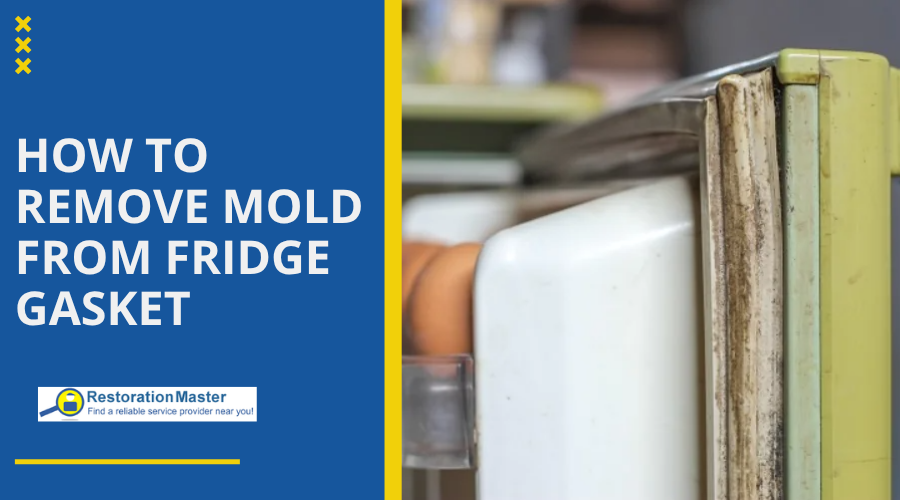
Your fridge gasket plays a bigger role than you might think. It keeps your fridge sealed tight, saving energy and keeping your food fresh longer.
But if your gasket is dirty or moldy, it can cause leaks and even make your fridge work harder. Cleaning it might seem tricky, but with the right steps, you can easily bring it back to life. Keep reading to discover simple, effective tips that will help you clean your fridge gaskets quickly and keep your kitchen healthier.
Why Clean Fridge Gaskets Matter
Fridge gaskets are the rubber seals around the fridge doors. They keep cold air inside and warm air out. Dirt and grime can build up on these seals over time.
Cleaning fridge gaskets is important to keep your fridge working well. Dirty or damaged gaskets can cause problems with food storage and increase energy use.
Prevent Energy Loss
Dirty or worn gaskets do not seal the fridge door properly. This lets cold air escape and warm air enter. Your fridge then works harder to stay cold, using more electricity.
- Leaking cold air raises energy bills
- Fridge compressor runs more often
- Shorter lifespan for your appliance
Keep Food Fresh Longer
Good seals help keep the fridge temperature stable. This slows down food spoilage. Dirty gaskets let air and moisture in, which can cause mold and bacteria growth.
Avoid Costly Repairs
Ignoring dirty or damaged gaskets can lead to bigger fridge problems. The fridge may not cool properly or could freeze up. Cleaning gaskets regularly helps prevent these issues.
| Problem | Cause | Effect |
| High energy bills | Air leaks from dirty gaskets | Fridge runs longer |
| Food spoils quickly | Warm air and moisture enter | Faster bacteria growth |
| Fridge stops cooling | Damaged gaskets | Costly repairs needed |

Credit: sustainlifejournal.com
Common Issues With Dirty Gaskets
Fridge gaskets are the rubber seals around the door. They keep cold air inside and warm air out. When gaskets get dirty, they can cause problems.
Cleaning fridge gaskets helps keep your fridge working well. Dirty gaskets can lead to food spoilage and higher energy bills.
Poor Door Seal
Dirty gaskets stop the fridge door from sealing tightly. Dust and grime build up on the rubber. This makes the door hard to close properly.
A poor seal lets cold air escape. Warm air can enter, making the fridge less cold. This wastes energy and may spoil food faster.
Mold And Mildew Growth
Gaskets can trap moisture, which leads to mold and mildew. Dirty gaskets provide a perfect place for these to grow. Mold smells bad and can be unhealthy.
Cleaning gaskets regularly stops mold from spreading. It also helps keep your fridge smelling fresh and safe for food storage.
Increased Energy Use
When gaskets don’t seal well, the fridge works harder. It uses more electricity to keep food cold. This raises your energy bills.
Cleaning gaskets helps keep the fridge efficient. A clean gasket saves energy and lowers your monthly costs.
Door Damage
Dirty gaskets can cause the fridge door to stick or drag. This may lead to tears or cracks in the rubber seal. A damaged gasket needs replacing.
Cleaning helps keep the gasket soft and flexible. This prevents damage and extends the gasket’s life.
Tools And Supplies Needed
Cleaning fridge gaskets is important to keep your refrigerator working well. Using the right tools makes the job easier and faster.
Here are the basic tools and supplies you will need for cleaning your fridge gaskets safely and effectively.
Soft Cloth Or Sponge
A soft cloth or sponge helps remove dirt and grime without damaging the gasket. Avoid abrasive materials that can scratch the rubber.
Use a damp cloth for wiping and a dry one to finish the cleaning.
Mild Soap Or Dish Detergent
Mild soap or dish detergent helps break down grease and sticky residue on the gasket. Choose a gentle cleaner to protect the rubber.
Mix a small amount of soap with warm water for the best cleaning solution.
Old Toothbrush
An old toothbrush reaches into tight crevices of the gasket. It scrubs away dirt stuck in folds and edges.
- Use soft bristles to avoid damage
- Dip toothbrush in soapy water before scrubbing
- Clean gently to protect the gasket
White Vinegar
White vinegar is a natural cleaner that helps remove mold and mildew from fridge gaskets. It also deodorizes and disinfects.
Mix equal parts vinegar and water for a safe cleaning solution.
Paper Towels Or Dry Cloth
Paper towels or a dry cloth help remove excess moisture after cleaning. This prevents mold growth and keeps the gasket dry.
Use a clean, dry cloth to wipe all cleaned areas thoroughly.
Optional: Baking Soda
Baking soda can help remove tough stains and odors from fridge gaskets. It works as a mild abrasive and deodorizer.
Make a paste with water and apply gently to stained areas before rinsing.
Step-by-step Cleaning Process
Cleaning your fridge gaskets keeps your refrigerator fresh and efficient. Dirt and mold can build up in the rubber seals.
This guide shows you how to clean fridge gaskets safely and easily with simple tools.
Remove Loose Debris
Start by wiping the gasket with a dry cloth. This removes crumbs and dust on the surface.
- Open the fridge door fully.
- Use a soft brush or cloth to clear loose dirt.
- Pay attention to the folds and crevices.
- Remove any food particles stuck in the gasket.
Apply Cleaning Solution
Use a mild cleaner that won’t damage rubber. Mix warm water with a little dish soap for best results.
- Dip a soft cloth into the solution.
- Wring out excess liquid to avoid drips.
- Apply the cloth gently over the gasket area.
Scrub Gasket Gently
Scrub the gasket carefully to remove stains and mold. Avoid harsh brushes that can tear the rubber.
Tips for Scrubbing:
- Use a soft toothbrush for tight spots.
- Scrub in circular motions.
- Check for cracks or damage while cleaning.
- Do not use bleach or strong chemicals.
Rinse And Dry Thoroughly
Remove soap residue to avoid sticky buildup. Use a clean damp cloth to wipe the gasket.
- Wipe the gasket with a cloth dipped in clean water.
- Dry the gasket with a soft towel.
- Leave the fridge door open for a few minutes to air dry.
Tips For Tough Stains And Mold
Fridge gaskets often get dirty with tough stains and mold. Cleaning them well keeps your fridge fresh.
Use safe and easy methods to remove grime without damaging the gasket rubber.
Use A Baking Soda Paste
Baking soda helps break down stains and kills mold gently. It is safe for rubber seals.
Make a paste by mixing baking soda with a little water. Apply it to the gasket with a soft cloth.
- Leave the paste on for 10 minutes
- Gently scrub with a soft brush or cloth
- Wipe clean with a damp cloth
Try White Vinegar Spray
White vinegar kills mold and loosens grime. It also helps remove odors from the gasket.
Spray vinegar on the gasket and let it sit for 5 to 10 minutes. Then wipe it down with a clean cloth.
- Use undiluted white vinegar for best results
- Repeat if mold is still visible
- Dry the gasket after cleaning to prevent mold return
Use A Toothbrush For Tight Spots
Gasket folds and corners trap dirt. A soft toothbrush reaches these hard spots well.
Dip the toothbrush in your cleaning solution. Scrub gently to remove mold and stains.
- Use circular motions for better cleaning
- Do not scrub too hard to avoid damage
- Rinse the toothbrush often to remove loosened dirt
Dry The Gasket Thoroughly
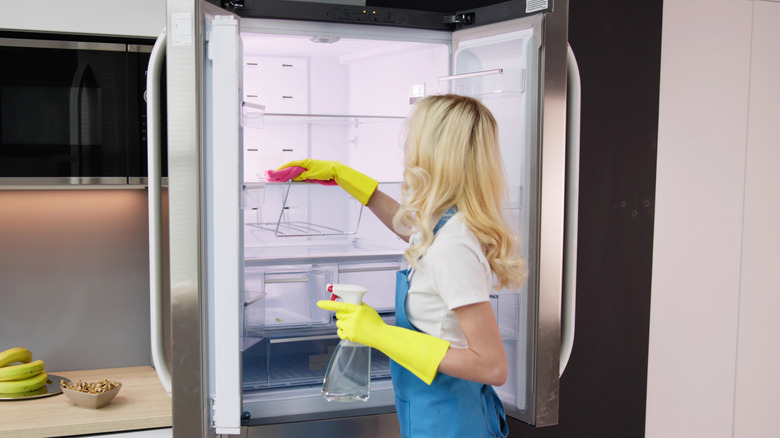
Moisture helps mold grow back. After cleaning, dry the gasket completely.
Use a dry cloth or towel. Leave the fridge door open for a short time if possible.
- Wipe all gasket folds and crevices
- Check for damp spots before closing the door
- Drying prevents mold from returning quickly
Credit: www.housedigest.com
Maintaining Gasket Cleanliness
Keeping your fridge gaskets clean helps the appliance run well. Dirt and grime on gaskets can cause air leaks. This makes your fridge work harder and wastes energy.
Regular care of the gaskets extends their life. It also keeps your food fresh for longer. Follow simple steps to maintain gasket cleanliness.
Regular Inspection
Look at the gaskets at least once a month. Check for cracks, tears, or dirt buildup. Small damage can let cold air escape. This raises your energy bill.
- Open the fridge door and examine the rubber seal closely.
- Feel for soft or sticky spots that may trap dirt.
- Look for mold or mildew in creases and folds.
- Note any areas where the gasket does not touch the fridge frame.
Quick Wipe-downs
Wipe the gaskets every week with a damp cloth. Use mild soap and warm water to clean stuck grime. Dry the gasket well to stop mold growth.
| Cleaning Step | Details |
| Prepare Cloth | Damp with warm water and mild soap |
| Wipe Gasket | Clean all around the seal gently |
| Rinse Cloth | Remove soap by wiping again with plain water |
| Dry | Use a dry towel to remove moisture |
Avoiding Damage
Handle the gaskets carefully to avoid damage. Do not use sharp tools or harsh chemicals. These can tear or dry out the rubber.
Follow these tips to protect your fridge gaskets:
- Use soft cloths or sponges only.
- Avoid bleach or abrasive cleaners.
- Do not pull or stretch the gasket forcefully.
- Keep the gasket dry to prevent cracks.
When To Replace Your Gaskets
Fridge gaskets keep cold air inside and save energy. Over time, they can wear out. Knowing when to replace them is important for your fridge’s performance.
Check your gaskets regularly to spot damage or wear. Replacing old gaskets helps keep your food fresh and lowers power bills.
Signs Of Damage
Look for cracks, tears, or gaps in the gasket. These signs mean cold air escapes and your fridge works harder. Replace the gasket if you see any damage.
Poor Seal Test
Test the seal by closing the door on a piece of paper. Pull the paper gently. If it slides out easily, the gasket does not seal well. Time to replace it.
Age Of The Gasket
Gaskets usually last 5 to 10 years. If your gasket is older, check it often. Old gaskets lose flexibility and seal poorly.
Energy Efficiency Drop
A worn gasket can increase energy use. Watch your electric bills. A sudden rise may mean your gasket leaks cold air.
Summary Of Replacement Reasons
- Visible cracks, tears, or gaps
- Failed paper test seal
- Gasket older than 5 years
- Higher energy bills without other cause

Credit: restorationmasterfinder.com
Frequently Asked Questions
How Often Should I Clean Fridge Gaskets?
Clean fridge gaskets every 3 months to prevent mold and dirt buildup. Regular cleaning ensures a proper seal and energy efficiency.
What Materials Are Best For Cleaning Fridge Gaskets?
Use warm water, mild soap, and a soft cloth or toothbrush. Avoid harsh chemicals that can damage the gasket’s rubber.
Can Vinegar Help Clean Fridge Gaskets Effectively?
Yes, a mixture of vinegar and water kills mold and removes grime. It’s natural, safe, and keeps gaskets fresh without harsh chemicals.
How Do I Fix A Damaged Fridge Gasket?
For minor tears, use food-safe silicone sealant. For severe damage, replace the gasket to maintain fridge efficiency and prevent leaks.
Conclusion
Cleaning fridge gaskets keeps your kitchen fresh and healthy. Remember to clean them regularly. Use mild soap and warm water. A toothbrush works well for scrubbing. Dry the gaskets thoroughly after cleaning. This prevents mold and bacteria. Regular maintenance saves you time and effort.
It also extends the life of your fridge. Clean gaskets ensure a tight seal. This helps in energy efficiency too. So, make gasket cleaning a habit. Your fridge will thank you. And so will your food. Enjoy a cleaner kitchen environment today.