
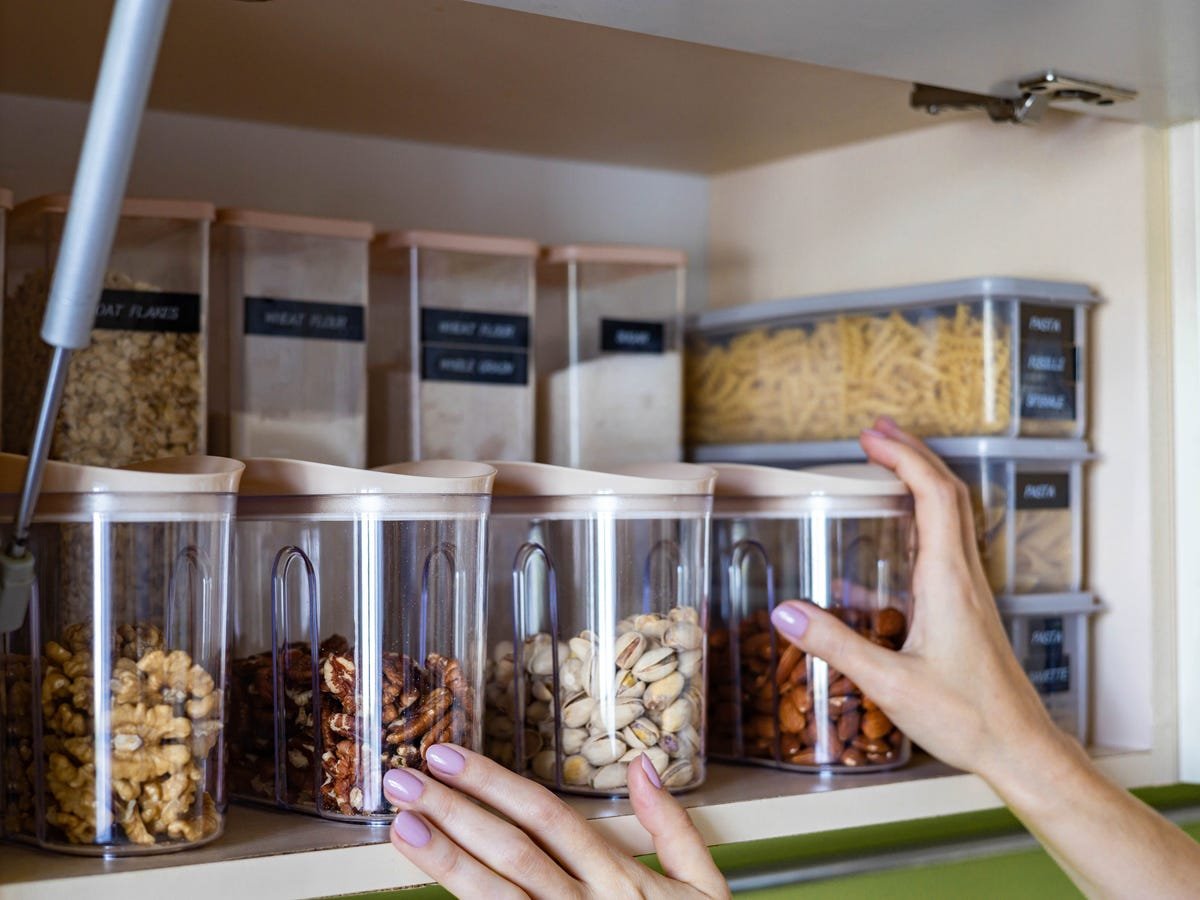
Are you tired of cluttered kitchen shelves and struggling to find the right container when you need it? Efficiently stacking your kitchen containers can save you time, space, and stress every day.
Imagine opening your cupboard and instantly spotting the container you want, without digging through piles of mismatched lids and boxes. You’ll discover simple, practical tips to organize your containers like a pro. By the end, your kitchen will feel more spacious, and cooking or meal prep will become a breeze.
Keep reading to transform your kitchen storage and make your daily routine smoother!
Choose The Right Containers
Efficient kitchen storage depends on the right containers. Choosing wisely saves space and keeps your kitchen tidy.
Think about shape, design, and material when selecting containers. These factors help in easy stacking and organization.
Opt For Uniform Shapes
Uniform shapes make stacking easier. Choose containers that fit well together, like squares or rectangles.
Round containers waste space. Square shapes use every inch of your shelves or cabinets.
- Square shapes maximize space
- Rectangles fit neatly on shelves
- Uniform sizes reduce clutter
Select Stackable Designs
Stackable designs are practical. They keep your kitchen organized and make it easy to find what you need.
Look for containers with lids that fit securely. Stackable lids prevent spills and save space.
- Stackable lids prevent spills
- Interlocking designs save space
- Easy to access when stacked
Consider Clear Materials
Clear materials let you see contents quickly. This saves time when searching for ingredients.
Transparent containers help you manage food supplies. You know when to restock without opening each container.
- See contents easily
- Monitor food levels
- Avoid unnecessary opening
Clean And Dry Before Stacking
Keeping kitchen containers clean and dry before stacking helps save space and keeps food fresh. Dirty or wet containers can cause odors and mold.
Follow simple cleaning and drying steps to make your stacking neat and safe.
Remove Residue
Remove all food residue before stacking containers. Leftover crumbs or sauce make containers sticky and smelly.
Use a sponge or cloth to wipe containers well. Check corners and lids for hidden residue.
- Rinse containers right after use
- Scrub off any stuck food bits
- Clean lids and seals carefully
- Use warm water and mild soap
Ensure Complete Dryness
Make sure containers are fully dry before stacking. Moisture inside can cause mold and bad smells.
Air dry containers or use a clean towel. Allow lids to dry separately to avoid trapping moisture.
- Place containers upside down on a drying rack
- Use a soft cloth to dry hard-to-reach spots
- Leave lids open until they feel dry
- Store containers only when completely dry
Use Lids To Create Stable Layers
Stacking kitchen containers saves space and keeps your kitchen neat. Using lids helps create strong, stable layers.
Lids support the weight of containers above and prevent slipping. This makes stacking safer and more efficient.
Secure Lids Properly
Make sure lids fit tightly on containers. Loose lids can cause stacks to fall over easily.
Press down firmly on the lid edges to lock them in place. Check for any gaps or loose corners.
- Clean container rims before closing lids
- Snap lids fully onto containers
- Replace damaged lids to keep stacks stable
Stack By Size
Place larger containers at the bottom of the stack. Smaller containers go on top for balance.
This method prevents tipping and keeps the stack steady. It also saves shelf space.
- Sort containers from largest to smallest
- Align lids flat to create a firm base
- Avoid stacking very tall or uneven containers

Credit: www.cnn.com
Organize By Frequency Of Use
Stacking kitchen containers efficiently saves space and time. Sorting containers by how often you use them helps keep your kitchen neat.
Containers you use daily should be easy to reach. Less-used containers can go in harder-to-reach spots.
Keep Daily Items Accessible
Place containers you use every day in the front or top of your storage area. This way, you can grab them quickly without moving other items.
Stack these containers by size and shape for easy access. Keep lids with their matching containers to avoid searching.
- Use clear containers to see contents at a glance
- Store frequently used lids on top or inside containers
- Arrange containers by size to maximize space
- Keep these containers near your prep area
Store Seasonal Containers Separately
Seasonal containers are used only a few times a year. Store them in a separate place to avoid cluttering your daily-use space.
Use labeled bins or shelves to keep seasonal containers organized. This makes it easy to find them when needed.
- Keep holiday or special event containers in a high shelf or closet
- Stack containers by season for quick sorting
- Use sturdy boxes to protect fragile containers
- Label boxes clearly with container type and season
Maximize Vertical Space
Stacking kitchen containers efficiently saves space and keeps your kitchen tidy. Using vertical space helps store more items in less area.
Organizing containers by height and size lets you use every inch of your cabinets and shelves.
Utilize Cabinet Height
Many kitchen cabinets have extra space above containers. Use this vertical room to stack containers safely.
Place taller containers at the back and smaller ones in front. This arrangement helps you see and reach everything easily.
- Stack containers with lids to keep them stable
- Group containers by size for better balance
- Leave some space at the top to avoid damage
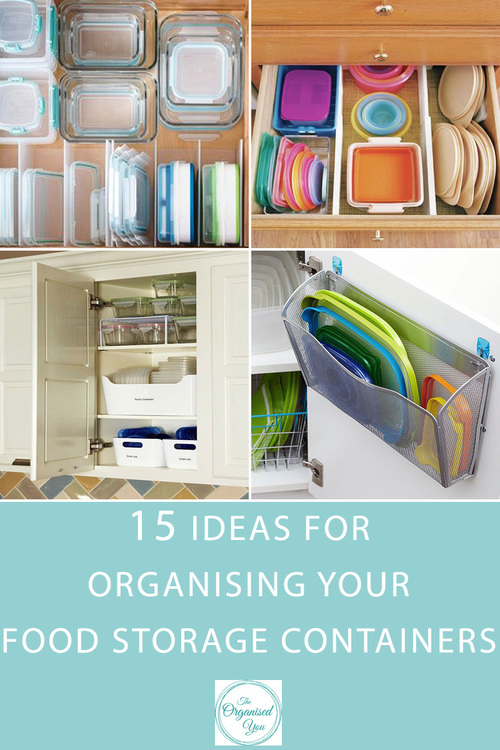
Add Shelf Risers
Shelf risers create extra levels inside cabinets. They help you store containers on two or more tiers.
Use risers to separate containers and avoid stacking them too high. This keeps your containers safe and easy to access.
- Choose risers that fit your cabinet size
- Place frequently used containers on the top tier
- Keep heavier containers on lower shelves for safety
Credit: www.theorganisedyou.com
Label Containers For Quick Access
Stacking kitchen containers saves space but can make it hard to find items. Labeling containers helps you quickly spot what you need.
Clear labels reduce time spent searching and keep your kitchen organized. Use simple labels to improve your daily cooking routine.
Use Waterproof Labels
Waterproof labels last longer in the kitchen. They stay clear even if containers get wet or wiped often.
Using waterproof labels means you do not have to rewrite them often. This keeps your kitchen neat and your labels readable.
- Choose labels made for moisture and heat
- Write with permanent markers for durability
- Place labels on the container lid or side
- Use simple words or abbreviations
- Replace worn labels promptly
Use Container Organizers
Stacking kitchen containers can save space and keep your kitchen tidy. Container organizers help keep containers in order and easy to find.
Using the right organizers makes stacking safer and faster. It stops containers from slipping or falling.
Drawer Dividers
Drawer dividers split your drawer into sections. They keep containers and lids separate and neat.
With dividers, you can stack containers by size or type. This makes it easy to grab what you need quickly.
- Prevent containers from sliding around
- Keep lids organized in one section
- Sort containers by size or shape
- Save time looking for matching lids
Adjustable Racks
Adjustable racks let you change the height between shelves. This fits containers of different sizes.
These racks stack containers safely and save space. You can add or remove shelves as needed.
- Customize shelf height for tall or short containers
- Keep containers stacked without crushing lids
- Use vertical space efficiently
- Easy to clean and move racks

Credit: www.goodhousekeeping.com
Regularly Declutter And Reassess
Keeping your kitchen containers neat takes regular effort. Decluttering helps remove unused items.
Reassessing your containers keeps your storage space efficient and tidy.
Discard Damaged Containers
Throw away containers with cracks or broken lids. Damaged containers do not seal well.
They may cause spills or let food spoil faster. Keeping only good containers saves space.
Consolidate Similar Sizes
Group containers of the same size together. This makes stacking easier and space-saving.
- Stack containers inside each other when empty
- Store lids in a separate box or container
- Use uniform shapes to maximize shelf space
Frequently Asked Questions
How Do I Stack Kitchen Containers Without Wasting Space?
Stack containers by size, placing larger ones at the bottom. Nest smaller containers inside bigger lids. Use uniform shapes for easy alignment and maximize vertical space.
What Materials Are Best For Stackable Kitchen Containers?
Choose containers made from durable, lightweight materials like BPA-free plastic, glass, or stainless steel. These materials are sturdy, easy to clean, and prevent odors or stains.
How Can I Keep Kitchen Containers Organized Efficiently?
Label containers clearly and group them by type or usage. Store lids separately in a dedicated rack or container to avoid mismatches and clutter.
Are Airtight Containers Better For Stacking In Kitchens?
Yes, airtight containers keep food fresh longer and stack securely. Their sealed lids prevent spills and help maintain an organized kitchen space.
Conclusion
Efficient kitchen container stacking saves space and keeps things neat. Choose containers that fit well together. Keep labels clear for quick access. Use uniform shapes to avoid clutter. Regularly check and clean your storage. Small changes make a big difference.
Enjoy a tidier, easier-to-use kitchen every day. Simple habits create lasting order and comfort.