
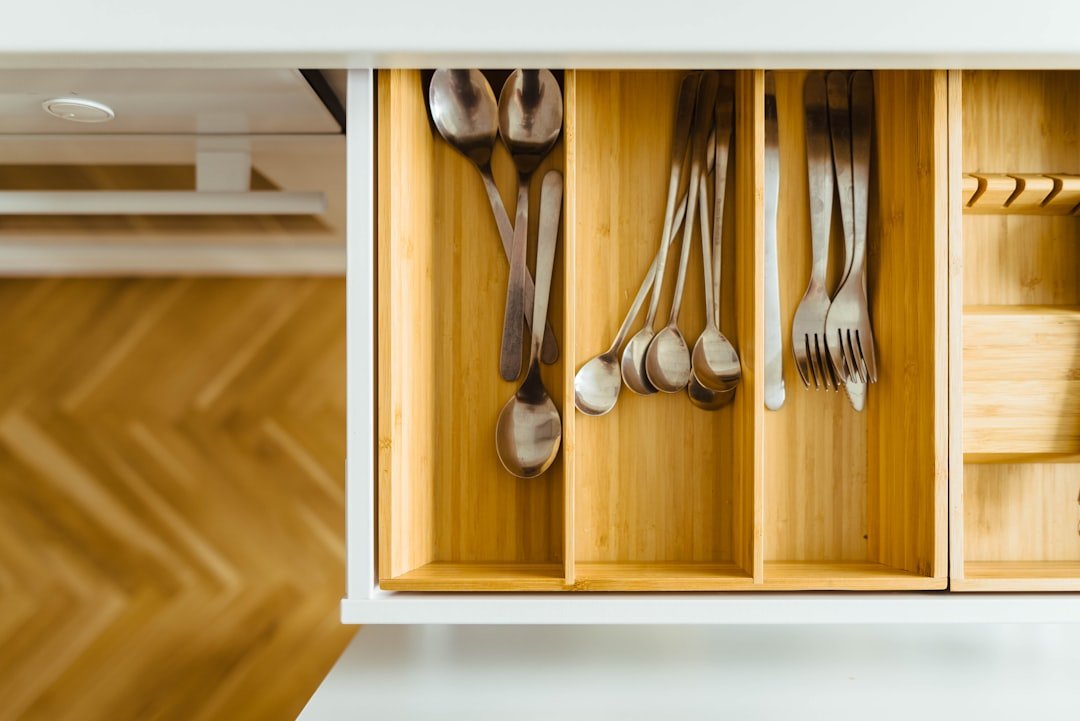
Your cabinet shelves hold more than just items—they hold order in your home. But when was the last time you gave them proper care?
Neglecting your shelves can lead to clutter, damage, and frustration every time you reach for something. Imagine opening your cabinet to find clean, sturdy, and well-organized shelves that make your daily routine smoother. Sounds good, right? You’ll discover simple, practical tips to maintain your cabinet shelves so they stay strong, tidy, and lasting longer.
Keep reading, and turn your cabinets into a space you actually enjoy using.

Credit: thecrownedgoat.com
Choosing The Right Cleaning Tools
Maintaining cabinet shelves keeps your kitchen tidy. Choosing the right tools is crucial for effective cleaning.
Proper cleaning tools ensure your shelves stay in great condition. They prevent damage while removing dirt and grime.
Types Of Cloths And Brushes
Different cloths and brushes serve various purposes. Choose wisely based on your cabinet material.
- Microfiber cloths trap dust and prevent scratches.
- Soft-bristled brushes clean corners and edges.
- Cotton cloths are great for polishing surfaces.
Safe Cleaning Solutions
Using safe cleaning solutions is important. They clean effectively without harming your cabinet finishes.
- Vinegar and water mix for natural cleaning.
- Mild dish soap is gentle on surfaces.
- Baking soda paste removes tough stains.
Avoiding Abrasive Materials
Avoid abrasive materials to protect your cabinets. They can cause scratches and damage finishes.
- Stay away from steel wool pads.
- Do not use harsh chemical cleaners.
- Opt for non-abrasive sponges and cloths.
Preparing Shelves For Cleaning
Cleaning cabinet shelves starts with good preparation. This helps you clean better and protects your items.
Follow simple steps before you begin wiping or dusting your shelves.
Emptying And Sorting Items
Take everything off the shelves to clean all surfaces well. This also helps you check what you have.
Sort the items into groups to decide what to keep or remove.
- Put similar items together
- Set aside broken or unused things
- Keep fragile items safe
Dusting And Removing Debris
Use a soft cloth or duster to remove dust on the shelves. Dust can damage the surface over time.
Clear out crumbs, dirt, or any small debris from corners and edges.
- Start from top shelves and work down
- Use a vacuum for loose dirt if needed
- Check corners carefully for buildup
Checking For Damage
Look closely at shelves for cracks, stains, or loose parts. Fixing damage early keeps shelves strong.
Note any repairs needed before you finish cleaning.
- Check shelf edges and corners
- Look under shelves for water damage
- Test stability by pressing gently
Effective Cleaning Techniques
Keeping cabinet shelves clean helps protect your items and keeps the space neat. Regular cleaning removes dust and dirt that build up over time.
Using the right cleaning techniques makes the job easier and prevents damage to the shelves. Simple steps can keep your cabinets fresh and tidy.
Wiping Down Surfaces
Start by removing all items from the shelves. Use a soft, damp cloth to wipe the surfaces gently. This removes dust and light dirt without scratching.
Dry the shelves with a clean cloth to avoid water damage. Avoid using too much water, especially on wooden shelves.
Dealing With Stubborn Stains
For tough stains, use a mixture of mild soap and warm water. Apply it with a soft sponge and rub gently. Avoid harsh chemicals that can harm the finish.
If stains remain, try baking soda paste. Mix baking soda and water, apply to the stain, and let it sit for a few minutes. Wipe it off with a damp cloth.
- Mild soap and warm water
- Baking soda paste for tough marks
- Soft sponge or cloth
- Avoid harsh chemicals
Cleaning Shelf Edges And Corners
Edges and corners collect dust and crumbs. Use a small brush or an old toothbrush to reach these spots. Brush gently to remove dirt without scratching.
After brushing, wipe the area with a damp cloth. This removes loosened dust and keeps corners clean. Dry the edges to prevent moisture damage.
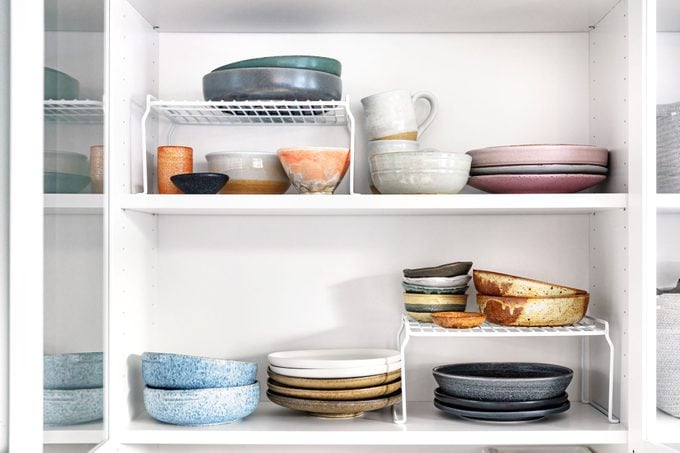
Credit: www.rd.com
Preventing Future Dirt And Damage
Keeping cabinet shelves clean helps them last longer. Dirt and damage can make shelves look old and worn out.
Simple actions can stop dirt buildup and prevent scratches or stains on your shelves.
Using Shelf Liners
Shelf liners protect the surface from spills and scratches. They create a barrier between items and the shelf.
Choose liners that are easy to clean and fit your shelf size well.
- Use non-slip liners to keep items in place
- Replace liners if they get dirty or damaged
- Pick waterproof liners to stop liquid damage
Organizing Items Properly
Arrange items neatly to reduce clutter and damage. Heavy items should go on lower shelves to avoid accidents.
Use containers or baskets to group small items. This keeps shelves tidy and protects surfaces from scratches.
- Place frequently used items at the front
- Store fragile items carefully to avoid breaks
- Keep similar items together for easy access
Regular Maintenance Schedule
Clean shelves regularly to stop dirt from building up. Dust and wipe shelves every few weeks.
Check for damage like scratches or loose parts. Fix problems early to keep shelves in good shape.
- Dust shelves weekly using a soft cloth
- Wipe spills immediately to prevent stains
- Inspect shelves monthly for any damage
- Repair or replace damaged parts quickly
Handling Different Shelf Materials
Cabinet shelves come in many materials. Each type needs different care to last longer.
Knowing how to clean and maintain wood, metal, and glass shelves helps keep them strong and looking good.
Wood Shelves Care
Wood shelves need gentle cleaning to avoid damage. Use a soft cloth and mild cleaner.
Keep wood dry to stop warping or cracking. Avoid placing wet items directly on shelves.
- Dust regularly with a dry, soft cloth
- Use wood polish to keep shine
- Wipe spills immediately to prevent stains
- Keep away from direct sunlight and heat
Metal Shelves Tips
Metal shelves are strong but can rust. Keep them clean and dry to avoid corrosion.
Use a damp cloth with mild soap for cleaning. Dry the surface well after cleaning.
- Check for rust spots and remove them with a wire brush
- Apply a metal protectant to prevent rust
- Do not use harsh chemicals that can damage metal
- Avoid leaving metal shelves in damp areas
Glass Shelves Cleaning
Glass shelves show dirt easily but are simple to clean. Use a glass cleaner or vinegar solution.
Wipe glass with a soft cloth or paper towel. Avoid abrasive materials that can scratch the surface.
- Spray cleaner on the cloth, not directly on glass
- Dry with a lint-free cloth for a clear shine
- Clean edges and corners carefully
- Handle glass shelves gently to avoid breakage

Credit: www.familyhandyman.com
Frequently Asked Questions
How Often Should I Clean Cabinet Shelves?
Clean cabinet shelves at least once a month. Regular cleaning prevents dust buildup and keeps shelves hygienic. Use a damp cloth with mild detergent for best results. Avoid harsh chemicals to protect the shelf material and maintain its appearance.
What Is The Best Way To Organize Cabinet Shelves?
Group items by category and size for easy access. Use clear containers or labels to maintain order. Avoid overcrowding shelves to prevent damage. Regularly declutter to keep the space functional and tidy.
How Can I Prevent Moisture Damage On Cabinet Shelves?
Keep shelves dry by wiping spills immediately. Use moisture absorbers like silica gel packs to reduce humidity. Ensure proper ventilation in cabinets to avoid mold growth. Regularly inspect for leaks or water damage.
What Materials Are Best For Durable Cabinet Shelves?
Solid wood and plywood offer durability and strength. Laminated shelves resist stains and are easy to clean. Avoid particleboard in humid areas as it can swell. Choose materials based on shelf use and environment.
Conclusion
Keeping cabinet shelves clean and organized saves time and stress. Regular dusting and wiping prevent dirt buildup. Avoid overloading shelves to keep them sturdy and safe. Use liners to protect surfaces from spills and stains. Check for damage often to fix problems early.
Small efforts make shelves last longer and look better. A neat cabinet helps your kitchen or workspace feel fresh. Simple care routines bring big benefits over time. Start these easy habits today for better shelf maintenance.