
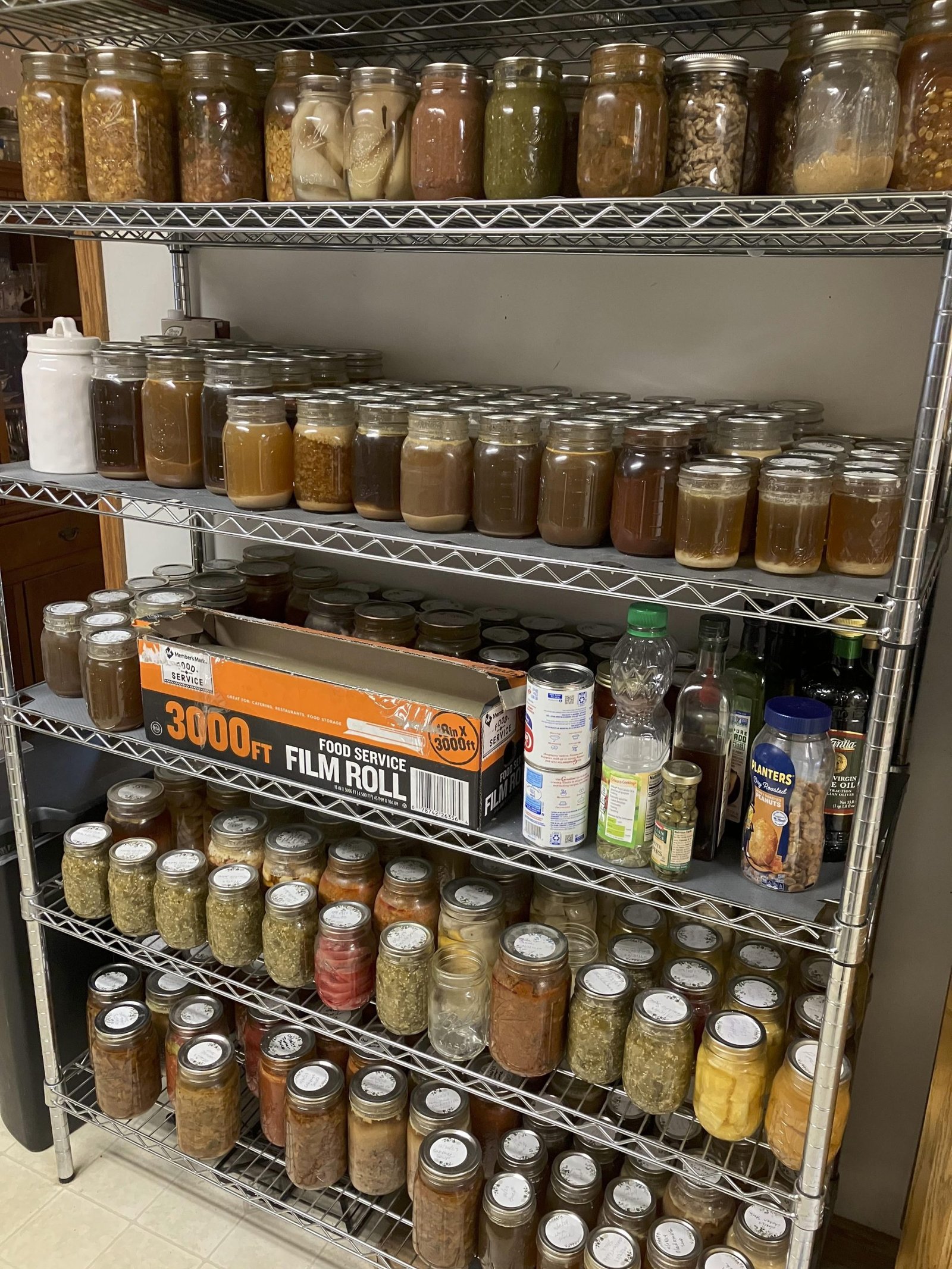
Are your shelves cluttered with jars and cans that just won’t stay put? You’re not alone.
Finding the best way to stack these everyday items can save you space, reduce mess, and even prevent accidents. Imagine opening your pantry to a neat, organized setup where every jar and can is easy to find and grab. You’ll discover simple, practical tips that will transform how you store your jars and cans—making your kitchen feel more spacious and stress-free.
Keep reading, and you’ll never struggle with stacking again.
Choosing The Right Containers
Stacking jars and cans can save space in your kitchen. Choosing the right containers makes this easy and safe.
Learn the benefits of different materials and sizes. This will help you decide which containers are best for your needs.
Glass Vs Plastic Jars
Glass jars are sturdy and do not absorb odors. They are best for long-term storage but can break easily.
Plastic jars are lightweight and less fragile. They are better for kids’ snacks and can be cheaper.
- Glass is more eco-friendly
- Plastic is more durable
- Glass is ideal for preserving food
- Plastic is perfect for travel
Metal Vs Aluminum Cans
Metal cans are strong and great for stacking. They are commonly used for soups and vegetables.
Aluminum cans are lighter and easier to recycle. They are often used for drinks.
- Metal cans are airtight
- Aluminum cans cool quickly
- Metal is good for pantry stacking
- Aluminum is ideal for beverages
Uniform Size Benefits
Using containers of the same size helps in easy stacking. It keeps your pantry organized and neat.
Uniform sizes make it simple to see what you have. You can find items quickly without moving other containers.
| Benefit | Explanation |
| Space-saving | Maximizes storage space |
| Easy access | Reduces searching time |
| Aesthetic appeal | Gives a tidy look |

Credit: www.goodhousekeeping.com
Preparing Jars And Cans For Stacking
Stacking jars and cans saves space and keeps your storage neat. Proper preparation helps keep them safe and stable.
Taking a few simple steps before stacking will protect your items and make stacking easier.
Cleaning And Drying
Clean jars and cans remove dirt and sticky residue. Dry them well to avoid slipping and mold growth.
Use warm water and soap to wash the containers. Rinse off all soap and dry completely with a towel or air dry.
Removing Labels
Labels can cause uneven surfaces and make stacking unstable. Remove labels to create smooth sides.
Soak jars in warm water to loosen labels. Peel off gently. Use a scraper or adhesive remover for sticky spots.
- Soak in warm water for 10-15 minutes
- Peel label slowly to avoid damage
- Use mild adhesive remover if needed
- Clean off residue with a cloth
Ensuring Secure Lids
Secure lids keep jars and cans sealed and stable. Loose lids may cause spills or shifts while stacking.
Check each lid before stacking. Tighten lids by hand. Replace damaged or missing lids to prevent accidents.
Stacking Techniques For Stability
Stacking jars and cans correctly helps keep them stable and safe. Good stacking stops items from falling and breaking.
Use smart techniques to make your stack strong. This saves space and avoids accidents.
Layering By Size
Put bigger jars or cans at the bottom layer. Smaller ones go on top. This makes the stack steady and balanced.
Keep similar sizes together. This prevents uneven weight that can cause the stack to fall.
- Start with the largest items at the base
- Place medium-sized items in the middle
- Finish with the smallest items on top
Using Non-slip Mats
Non-slip mats add grip between layers. They stop jars and cans from sliding off each other.
Place mats on shelves or between stacked layers. This increases friction and keeps stacks steady.
- Use rubber or silicone mats for best grip
- Cut mats to fit shelf size
- Replace mats if they wear out
Interlocking Methods
Arrange jars and cans so they lock together. This reduces movement in the stack.
Place items so their shapes fit around each other. This helps the stack stay firm.
- Place cans with lids inside jar grooves
- Shift layers slightly to fit shapes
- Align edges to create a tight stack
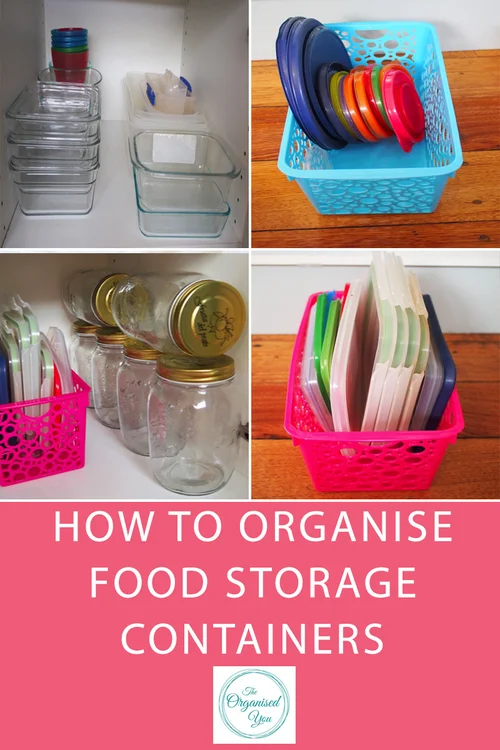
Credit: www.theorganisedyou.com
Space-saving Hacks
Stacking jars and cans can save space in your kitchen. Smart stacking keeps your pantry neat and easy to use.
Using different storage ideas helps you fit more items in less space. Try these tips to organize better.
Vertical Storage Solutions
Stack jars and cans vertically to use height. This frees up shelf space and keeps items visible.
Use stackable shelves or risers to create extra layers. Make sure stacks are stable to avoid spills.
- Place heavier cans at the bottom
- Use clear risers for easy viewing
- Keep similar items together
Utilizing Cabinet Doors
Cabinet doors offer extra storage space. Attach racks or hooks to hold jars and cans.
This keeps your shelves free and items within reach. Use small baskets or magnetic strips for better hold.
- Install spice racks on inside doors
- Use adhesive hooks for hanging cans
- Attach small baskets for jars
Stacking Inside Pantry Drawers
Drawers help organize cans and jars in layers. Use dividers to keep stacks neat and easy to pull out.
Arrange items by size and type. Label drawer sections for quick finding and better order.
- Use adjustable drawer dividers
- Stack cans with labels facing up
- Group jars by contents
Safety Tips For Stacking
Stacking jars and cans saves space and keeps your pantry neat. Safety is key to prevent accidents.
Follow simple tips to stack items securely. This helps avoid spills and broken containers.
Avoiding Overstacking
Do not stack jars or cans too high. Too many items on top can cause the pile to fall.
Keep stacks low enough to stay stable and easy to reach without risk.
- Limit stack height to a safe level
- Place heavier jars at the bottom
- Make sure each jar or can sits flat
Weight Distribution
Spread weight evenly across the stack. Uneven weight can cause jars to tilt or fall.
Place heavier cans or jars at the bottom and lighter ones on top for better balance.
- Start with a strong base layer
- Keep similar weight items together
- Avoid placing heavy jars on light ones
Regular Checks For Stability
Check your stacks often to make sure they stay stable. Look for leaning or loose jars.
Fix any unstable stacks right away to avoid accidents or spills.
- Inspect stacks before adding more jars
- Adjust or restack if items shift
- Clean shelves to prevent slipping

Credit: jarslidsbottles.co.uk
Creative Storage Ideas
Stacking jars and cans is a smart way to save space. It helps keep your kitchen neat and easy to use.
Using creative ideas makes storage fun and practical. You can find new ways to organize your items.
Repurposing Old Jars
Old jars can be cleaned and used again for storage. They work well for spices, nuts, and small items.
Stack jars by using lids glued together or placing them in racks. This saves shelf space and keeps things tidy.
- Use jars for dry goods like rice and beans
- Label each jar for easy finding
- Stack jars with matching lids for stability
- Decorate jars to fit your kitchen style
Magnetic Can Holders
Magnetic holders stick to metal surfaces and hold cans in place. They keep cans off counters and free up space.
You can attach magnets to shelves or inside cabinets. This method works well for stacking cans in rows.
- Use strong magnets to hold heavy cans
- Place holders at eye level for easy access
- Group similar cans together
- Check magnet strength regularly
Customizable Shelving Units
Shelves with adjustable heights help stack jars and cans neatly. You can change shelf space to fit different items.
Use clear bins or baskets on shelves to keep cans stable. Custom shelves make your storage flexible and organized.
- Measure items before adjusting shelves
- Use sturdy materials for heavy loads
- Add labels to shelves for easy sorting
- Combine shelves with jars and magnets
Frequently Asked Questions
How Do I Safely Stack Jars And Cans?
Stack jars and cans by weight, placing heavier items at the bottom. Use shelf liners or non-slip mats to prevent sliding. Avoid overstacking to reduce the risk of tipping or breaking. Ensure jars are sealed tightly to maintain safety and freshness.
What Is The Best Way To Organize Canned Goods?
Group canned goods by type or expiration date for easy access. Use clear labels and stack cans with labels facing outward. Consider using tiered shelves or lazy Susans to maximize visibility and space. Rotate older cans to the front for timely use.
Can Stacking Jars Improve Pantry Space?
Yes, stacking jars can save significant pantry space. Use stackable containers or uniform-sized jars for stability. Proper stacking maximizes vertical storage and keeps your pantry organized. It also helps in quickly locating items, reducing clutter and waste.
How To Prevent Jars From Slipping When Stacked?
Place non-slip mats or shelf liners under jars to increase grip. Avoid stacking on uneven surfaces to maintain stability. Use rubber bands or jar grips for added security. Ensure jars are dry and clean to prevent slipping during stacking.
Conclusion
Stacking jars and cans saves space and keeps your kitchen tidy. Use sturdy shelves and place heavier items at the bottom. Arrange labels facing forward for easy finding. Avoid stacking too high to prevent accidents. Regularly check for expired or damaged goods.
Small changes create big differences in organization. Try these tips to enjoy a neat pantry every day.