

Are you tired of running out of essential ingredients right when you need them most? Imagine opening your pantry and instantly knowing exactly what you have, what’s running low, and what needs to be restocked.
Keeping track of your pantry inventory might sound like a hassle, but with the right approach, it can save you time, money, and stress. You’ll discover simple, effective ways to monitor your pantry so you never face unexpected shortages again.
Ready to take control of your kitchen? Let’s dive in.

Credit: www.reddit.com
Set Up A Tracking System
Keeping track of your pantry inventory can save time and money. A good tracking system helps you know what you have and what you need.
It can prevent buying items you already have. It also helps in meal planning and reducing food waste.
Choose A Method: Digital Vs Paper
Decide if you want a digital system or a paper one. Digital methods include apps or spreadsheets. They can be accessed on your phone or computer.
Paper methods involve writing lists or using a notebook. Both methods help in organizing your pantry.
- Digital systems are easy to update and share.
- Paper methods are simple and do not need technology.
- Choose what works best for your lifestyle.
Create A Master Inventory List
Make a master inventory list of all items in your pantry. This list helps you see what you have at a glance. It can be divided into categories like grains, spices, and canned goods.
Regularly update this list as you use or buy items. This keeps your inventory accurate and useful.
| Category | Items | Quantity |
| Grains | Rice, Pasta | 2 bags, 3 boxes |
| Spices | Salt, Pepper | 1 jar, 1 jar |
| Canned Goods | Beans, Tomatoes | 4 cans, 2 cans |

Credit: www.reddit.com
Organize Your Pantry Layout
Keeping your pantry organized helps you find items quickly. It also makes tracking your inventory easier.
A good layout saves space and reduces food waste. Let’s look at ways to arrange your pantry effectively.
Group Similar Items Together
Put items that belong to the same category near each other. This makes it easy to see what you have.
For example, keep baking supplies on one shelf and canned goods on another. This way, you avoid mixing things up.
- Group grains like rice, pasta, and oats
- Keep snacks such as chips and nuts together
- Store spices and herbs in one area
- Place canned vegetables and soups on one shelf
Use Clear Containers And Labels
Clear containers help you see what is inside without opening them. This saves time when you cook or shop.
Label each container with the item name and expiration date. This helps you keep track of freshness and avoid waste.
- Choose airtight clear containers to keep food fresh
- Use simple labels with large, easy-to-read fonts
- Write expiration dates on labels for quick checks
- Keep similar containers together for a neat look
Implement Regular Checks
Keeping track of your pantry inventory helps reduce waste and saves money. Regular checks make sure you know what you have and what you need.
Set a routine to inspect your pantry. This helps keep everything organized and fresh.
Schedule Weekly Or Monthly Audits
Check your pantry items on a set schedule. Weekly audits work well for busy kitchens. Monthly checks suit smaller pantries.
Write down what you have and what is running low. This helps you plan shopping trips better.
- Pick a day to review your pantry.
- Check all shelves and containers.
- Note down quantities and conditions.
- Remove expired or spoiled items.
- Plan your next purchase list.
Rotate Stock To Avoid Expiry
Use older items before newer ones. Place new items at the back and older ones in front.
This rotation prevents food from going bad and keeps your pantry fresh.
- Check expiration dates on all products.
- Move older products to the front.
- Place new products behind the older stock.
- Use soon-to-expire items first in meals.
Leverage Technology Tools
Keeping track of your pantry items can be hard without help. Technology tools can make this task easier and faster.
Using apps and alerts helps you know what you have and what you need to buy. This saves time and reduces waste.
Use Inventory Apps
Inventory apps let you list all your pantry items on your phone or tablet. You can add details like quantity and expiration date.
These apps often have easy ways to update your inventory by scanning barcodes or typing item names.
- Track what you have in real time
- See expiration dates to avoid spoilage
- Organize items by type or location
- Access your list from anywhere
Set Up Alerts For Low Stock
Alerts notify you when pantry items run low. This helps you buy only what you need and avoid running out.
You can set alerts in apps or use smart home devices that remind you to restock certain items.
- Choose key items to monitor closely
- Set minimum quantity limits
- Receive notifications on your phone or email
- Plan shopping trips better
Involve Household Members
Keeping track of pantry items is easier when everyone helps. Involving household members shares the workload.
Each person can watch for items that run low. This teamwork keeps the pantry stocked and organized.
Assign Roles For Restocking
Give each person a specific duty for restocking pantry items. Clear roles prevent confusion and missed items.
Some can check canned goods while others watch fresh foods or snacks. Rotate roles to keep it fair.
- One person tracks dry goods like pasta and rice
- Another checks refrigerated items
- Someone updates the shopping list
- Another handles putting items away
Encourage Consistent Updates
Ask everyone to update the pantry list regularly. This keeps the list accurate and shopping easier.
Set a routine time for updates, such as after meals or weekly checks. Consistency helps avoid running out of items.
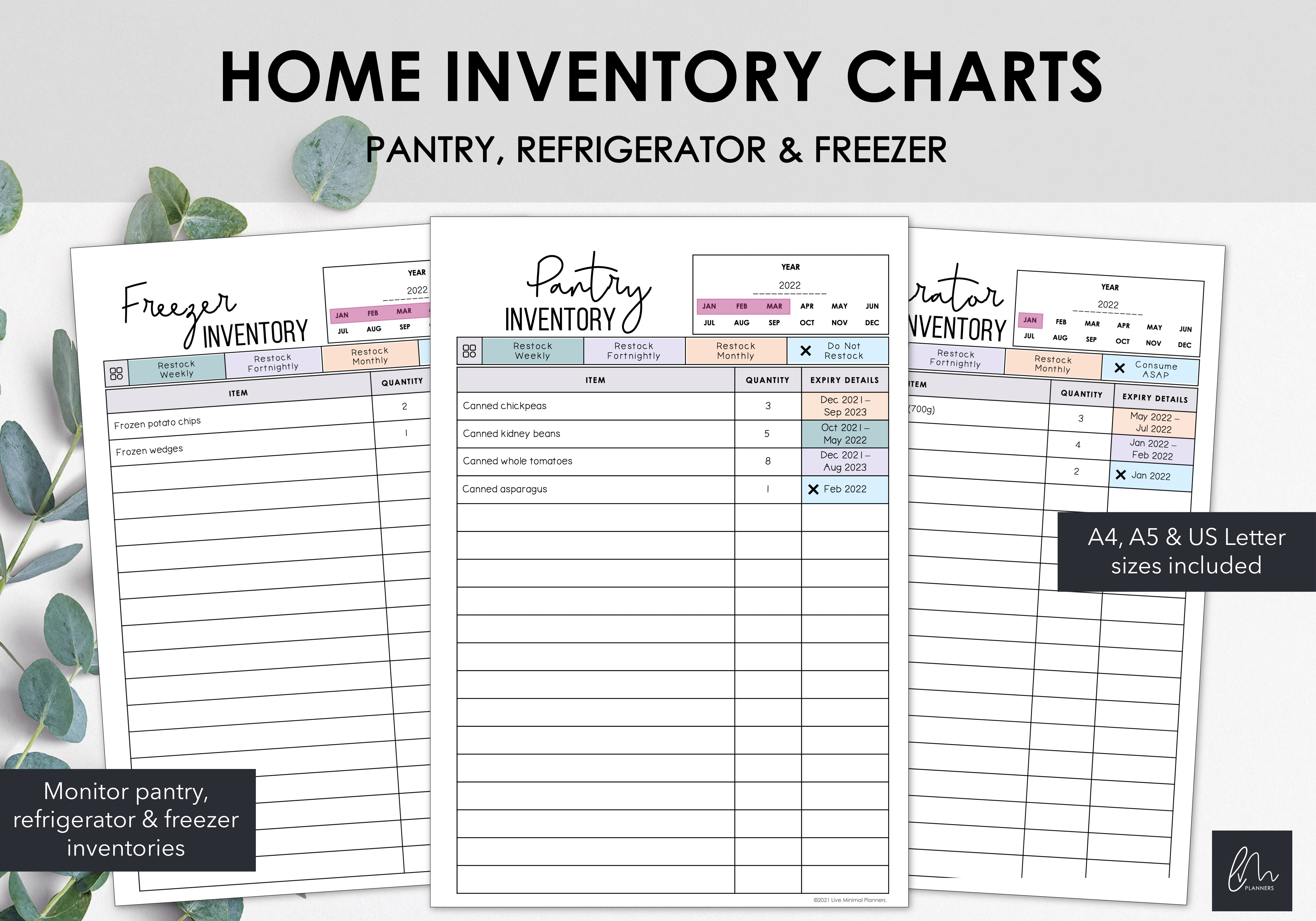
- Use a shared list on paper or an app
- Check pantry levels before shopping
- Mark items as low or finished
- Remind family members to update often
Credit: liveminimal.com
Streamline Shopping Habits
Monitoring your pantry inventory helps you shop smart. It saves time and money.
Knowing what you have stops you from buying things you do not need.
Create Smart Shopping Lists
Check your pantry before making a list. Write down only what you need.
Group items by type or store section. This makes shopping faster and easier.
- Review items and their quantities
- Add only missing or low-stock items
- Organize list by categories like dairy, grains, or snacks
- Use a notepad or phone app to keep the list handy
Avoid Overbuying And Waste
Buy only what you can use before it expires. Check dates on packages.
Plan meals based on pantry items to reduce waste. Use leftovers creatively.
- Take stock of expiration dates regularly
- Buy smaller quantities if you use items slowly
- Freeze items that spoil fast to extend their life
- Use leftovers to create new meals
Frequently Asked Questions
How Often Should I Check My Pantry Inventory?
Check your pantry inventory weekly to avoid expired items. Regular checks help maintain organization and reduce food waste efficiently.
What Tools Help With Monitoring Pantry Inventory?
Use apps, spreadsheets, or labels to track pantry items. These tools simplify inventory management and ensure you know what you have.
How Can I Organize My Pantry For Easy Inventory?
Group similar items together and label shelves clearly. This method speeds up inventory checks and helps spot low-stock items quickly.
Why Is Monitoring Pantry Inventory Important?
Monitoring prevents overbuying and food spoilage. It saves money, reduces waste, and keeps your kitchen running smoothly.
Conclusion
Keeping track of your pantry helps reduce food waste and saves money. Check your inventory regularly to know what you have and what you need. Use simple lists or apps to stay organized. This small habit makes cooking easier and shopping faster.
Start today to enjoy a neat, well-stocked pantry every day.