
Is your pantry a cluttered mess that makes finding what you need a daily hassle? Imagine opening your pantry and instantly spotting everything, from snacks to spices, neatly organized and easy to reach.
You can create that calm, orderly space with just a few simple changes. These tips for organizing pantry bins will help you save time, reduce stress, and even cut down on food waste. Keep reading—you’re about to discover easy ways to transform your pantry into a tidy, efficient space you’ll love.

Credit: www.hgtv.com
Choosing The Right Bins
Organizing your pantry can make cooking and meal prep easier. Picking the right bins is key to a tidy pantry.
The right bins keep your pantry neat and help you find items quickly. Consider several factors when choosing bins for your pantry.
Materials And Durability
Bins come in various materials like plastic, metal, and wood. Each has its strengths.
Plastic bins are lightweight and often more affordable. Metal bins are strong and long-lasting. Wooden bins give a natural look but may need more care.
- Plastic: Lightweight and budget-friendly
- Metal: Durable and strong
- Wood: Natural and stylish
Sizes And Shapes
Bins come in different sizes and shapes. Choose ones that fit your pantry space.
Measure your shelves before buying bins. Large bins hold more but need more space. Small bins fit tight spaces but may not hold as much.
- Large bins: Hold more items
- Small bins: Fit small spaces
- Square bins: Maximize space
- Round bins: Easy to clean
Clear Vs. Opaque Options
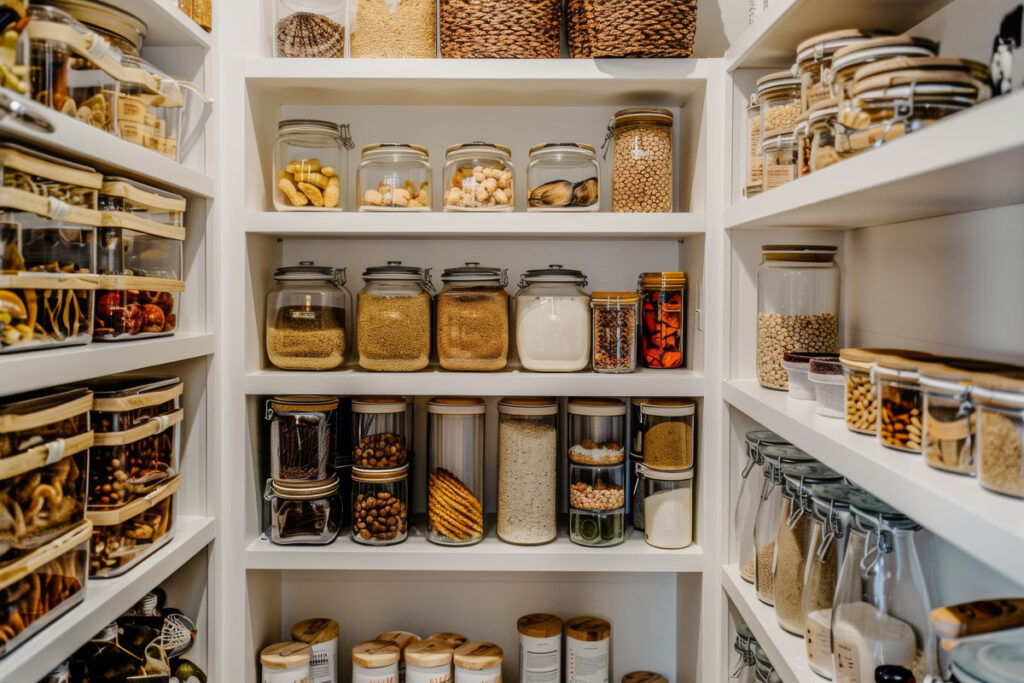
Clear bins let you see what is inside. This makes finding items easier.
Opaque bins hide contents for a cleaner look. They can make your pantry look less cluttered.
- Clear bins: Easy to see contents
- Opaque bins: Clean and tidy appearance
Sorting Pantry Items
Keeping your pantry organized makes cooking easier and saves time. Sorting pantry items helps you find what you need fast.
Use simple steps to sort your items so everything has a place. This stops clutter and keeps your food fresh.
Categorizing Food Types
Group food by type to make your pantry neat and easy to use. Put similar items together.
Categories can be grains, canned goods, snacks, spices, and baking supplies. This keeps everything clear.
- Grains: rice, pasta, oats
- Canned goods: beans, vegetables, soups
- Snacks: crackers, nuts, dried fruit
- Spices: herbs, seasoning blends
- Baking supplies: flour, sugar, baking powder
Grouping By Frequency Of Use
Place items you use often in easy-to-reach spots. Keep less used items higher or in back.
This way, daily cooking is smooth and quick. You avoid digging through clutter to find ingredients.
- Everyday items: oils, salt, coffee
- Weekly items: canned vegetables, pasta
- Rarely used: special spices, holiday foods
Labeling Strategies
Labels help you spot items and keep track of expiration dates. Use clear, simple labels.
Write the item name and date opened. Use waterproof labels or tags that are easy to read.
- Label bins by food category
- Add expiration dates on packages
- Use color codes for quick ID
- Keep labels uniform and neat
Maximizing Space
Organizing pantry bins well helps you use space better. It makes your pantry neat and easy to find things.
Using smart storage ideas can fit more items in small spaces. This saves time and reduces clutter.
Stacking And Nesting Bins
Stacking bins lets you use vertical space on shelves. Choose bins that fit securely on top of each other.
Nesting bins save space when not in use. They fit inside each other, so you store them easily.
- Use bins with flat lids for safe stacking
- Label bins so you know what is inside
- Keep heavy items in lower bins for safety
- Store empty bins nested to save shelf space
Using Vertical Storage
Vertical storage uses the height of your pantry well. Tall shelves and hanging racks add more space.
Use hooks or rails to hang small bins or baskets. This keeps counters clear and items visible.
- Install tall shelves to store large bins
- Use wall space for hanging storage
- Place frequently used items at eye level
- Keep less used items higher up
Incorporating Adjustable Shelving
Adjustable shelves let you change shelf height anytime. This fits different bin sizes easily.
You can create space for tall bottles or stack smaller bins by moving shelves up or down.
- Use adjustable shelves to customize pantry layout
- Fit large or small bins as needed
- Change shelf height for seasonal items
- Maximize every inch of shelf space
Credit: www.afreshspace.com
Maintaining Organization
Keeping your pantry bins organized helps you find items quickly. It also reduces food waste and clutter.
Simple habits can keep your pantry neat and efficient for everyday use.
Regular Cleaning Tips
Clean pantry bins regularly to stop dust and crumbs from building up. Wipe bins with a damp cloth every few weeks.
Empty bins before cleaning to reach all corners. Dry bins fully before placing items back.
Rotating Stock
Use the “first in, first out” rule to keep food fresh. Put new items behind older ones in the bins.
Check bins before buying more. This prevents duplicates and saves space.
- Place older products in front
- Put newer items at the back
- Use clear bins for easy viewing
Tracking Expiry Dates
Keep a list of expiry dates for items in each bin. This helps you use food before it spoils.
Label bins with dates or use a whiteboard nearby to note important expiration info.
- Write expiry dates on labels
- Check dates weekly
- Remove expired items promptly
Creative Storage Ideas
Organizing pantry bins helps keep your kitchen neat. Creative storage ideas make the space more useful.
Try different ways to store items. Use bins in smart ways to save space and find things fast.
Repurposing Containers
Old jars and boxes can become new storage bins. Clean containers work well for dry goods or snacks.
Use containers with lids to keep food fresh. Label them clearly to know what is inside.
- Glass jars for grains and nuts
- Plastic tubs for baking supplies
- Old baskets for fruit or vegetables
Using Bins For Non-food Items
Pantry bins are not just for food. Store cleaning supplies or kitchen tools in bins for easy access.
Keep small items like rubber bands or twist ties in small bins. This stops clutter and saves time.
- Bins for dish towels and cloths
- Boxes for extra sponges and scrubbers
- Containers for small kitchen gadgets
Decorative Touches
Make your pantry look nice with decorative bins. Use colors and patterns that match your kitchen style.
Add labels with pretty fonts or tags. This makes it easy to find items and adds a personal touch.
- Choose bins in matching colors
- Add chalkboard labels for easy updates
- Use fabric liners for a soft look

Credit: www.ikea.com
Frequently Asked Questions
How Do I Categorize Items In Pantry Bins?
Categorize pantry items by food type or usage frequency. Group snacks, baking supplies, and canned goods separately. Label bins clearly for easy access and quick identification. This helps maintain order and speeds up meal preparation.
What Materials Are Best For Pantry Storage Bins?
Plastic, wicker, and metal bins are popular for pantry storage. Plastic bins are lightweight and easy to clean. Wicker adds aesthetic appeal but may not be as durable. Metal bins offer sturdiness and a modern look.
How Can I Maximize Space Using Pantry Bins?
Use stackable bins to utilize vertical space effectively. Choose uniform-sized containers for neat arrangement. Store less frequently used items in higher bins. This approach prevents clutter and optimizes pantry capacity.
Should Pantry Bins Be Labeled, And Why?
Yes, labeling pantry bins improves organization and reduces clutter. Clear labels help quickly locate items and maintain order. They also assist family members in returning items to the correct spot. This keeps the pantry tidy and efficient.
Conclusion
Organizing pantry bins saves time and reduces stress. Clear labels help you find items fast. Group similar foods together for easy access. Use containers that fit your space well. Keep your pantry clean and tidy often. Small steps lead to big pantry improvements.
Enjoy a neat, efficient kitchen every day.