
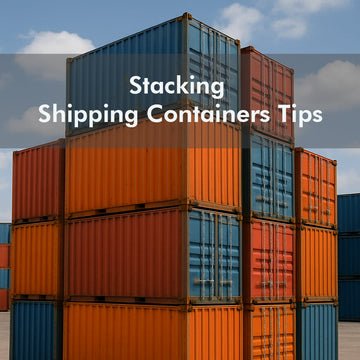
Are you tired of cluttered spaces and messy storage? Stacking containers might be the simple solution you’ve been looking for.
But there’s a trick to doing it right. When you stack containers properly, you save space, protect your items, and make everything easy to find. Keep reading, and you’ll discover practical tips that help you stack like a pro—making your home or workspace more organized and stress-free.
Ready to transform your storage game? Let’s dive in!
Choosing The Right Containers
Stacking containers helps save space. Choosing the right containers is key. Consider materials, sizes, shapes, and weight limits.
Picking the best containers ensures safety and efficiency. This guide will help you make informed choices.
Material Matters
Containers come in various materials. Plastic, metal, and wood are common. Each material has pros and cons.
- Plastic: Lightweight but may not support heavy weights.
- Metal: Strong and durable but can be heavy.
- Wood: Sturdy but can rot in damp conditions.
Size And Shape Considerations
Size and shape affect stacking stability. Choose sizes that fit your space and needs.
- Uniform sizes make stacking easier.
- Square shapes maximize space usage.
- Rectangular shapes are good for tight spaces.
Weight Capacity Limits
Each container has a weight limit. Exceeding it can be unsafe. Always check the manufacturer’s guidelines.
- Light items on top, heavy items on bottom.
- Distribute weight evenly to prevent toppling.
- Consider reinforced containers for heavy goods.
Preparing Containers For Stacking
Stacking containers properly keeps your storage safe and organized. Preparing containers before stacking helps prevent damage and spills.
Follow simple steps to get your containers ready. This guide covers cleaning, checking damage, and securing lids.
Cleaning And Drying
Clean containers thoroughly before stacking. Dirt or moisture can cause stains or mold.
Dry containers completely to avoid slipping and damage. Use a cloth or air dry in a clean area.
- Wash with warm water and mild soap
- Rinse well to remove soap residue
- Dry with a clean towel or air dry
- Check for any remaining moisture inside
Checking For Damage
Inspect containers for cracks, dents, or weak spots. Damaged containers may not hold weight well.
Replace or repair damaged containers before stacking. This helps keep the stack stable and safe.
- Look for cracks on all sides
- Check container bottoms for warping
- Test lids for secure fitting
- Remove containers with visible damage
Securing Lids And Seals
Make sure all lids fit tightly on containers. Loose lids can cause spills or collapse in a stack.
Use seals or clips for extra security if needed. This adds stability and protects contents.
- Press lids firmly until they snap in place
- Check for damaged or missing seals
- Replace seals that are cracked or worn out
- Use clips or straps for heavy containers
Stacking Techniques For Stability
Stacking containers safely helps keep them steady and prevents accidents. Using good techniques makes stacking easier and more secure.
Learning how to stack containers with care saves space and protects your items. Follow these tips to stack containers with better balance and support.
Aligning Corners And Edges
Place containers so their corners and edges match up exactly. This alignment gives a firm base and avoids slipping.
Stacking with aligned edges helps containers stay in place. Avoid stacking containers that stick out or are uneven.
- Check that each container sits flat on the one below
- Keep corners straight and edges flush
- Do not let containers overhang the stack
Balancing Weight Distribution
Put heavier containers at the bottom to keep the stack steady. Lighter containers belong on top to avoid tipping.
Evenly spread weight helps the stack stay balanced. Avoid placing all heavy containers on one side.
- Sort containers by weight before stacking
- Place heavy containers first, light ones last
- Distribute weight evenly across each layer
Using Interlocking Features
Use containers with built-in interlocking parts for a safer stack. These features lock containers together and stop shifting.
Interlocking helps keep stacks steady, especially when moving or storing for a long time. Choose containers designed to fit securely.
- Look for containers with grooves or lips that fit together
- Make sure interlocking parts are clean and undamaged
- Stack containers so interlocks fully engage
Maximizing Space Efficiently
Stacking containers helps save space in your home or office. It makes your area neat and easy to use.
Using smart tips can help you stack containers safely and find things quickly. This keeps your space organized.
Utilizing Vertical Space
Stack containers on top of each other to use height in your storage area. This frees up floor space.
Choose containers that are sturdy and have flat lids for safe stacking. Avoid stacking too high to prevent falls.
- Use shelves to support stacked containers
- Keep heavy containers at the bottom
- Use clear containers to see contents
Organizing By Frequency Of Use
Place containers you use often in easy-to-reach spots. Less-used containers can go higher or farther away.
This method saves time and reduces the effort to get your items. It keeps your space functional and tidy.
- Keep daily items at eye level
- Store seasonal items on top shelves
- Group similar items together
Labeling For Easy Access
Label each container clearly to know what is inside without opening it. This saves time and avoids mess.
Use large, readable labels and place them on the front or top of containers. Replace labels if they get damaged.
- Use waterproof labels for durability
- Write contents and date on labels
- Use color-coded labels for quick sorting
Safety Tips To Prevent Accidents
Stacking containers is common in many workplaces. It helps save space but can be risky if done wrong.
Following safety tips can stop accidents and keep people safe around stacks.
Avoiding Overstacking
Do not stack containers too high. Too many containers can make stacks unstable.
Check the weight limits of containers and stacking height rules before stacking.
- Follow manufacturer’s stacking height limits
- Keep the heaviest containers at the bottom
- Stop stacking if the stack looks unstable
Securing Stacks With Straps
Use straps to hold containers together. Straps stop containers from moving or falling.
Choose strong straps and tighten them well around the stack.
- Use ratchet or heavy-duty straps
- Secure straps around all sides of the stack
- Check straps often for wear or loosening
Regularly Inspecting Stacks
Look at stacks often to find any problems early. Inspections help spot weak points or damage.
Fix any issues quickly to keep stacks safe and strong.
- Check for leaning or shifting containers
- Look for damaged or cracked containers
- Ensure straps are tight and not worn
- Inspect stacking surfaces for stability
Credit: www.eagleleasing.com
Tools And Accessories For Better Stacking
Stacking containers safely helps save space and keeps things organized. Using the right tools and accessories makes stacking easier and more stable.
These tools prevent containers from slipping and protect items inside. They also help balance the weight for better storage.
Using Shelf Liners And Mats
Shelf liners and mats add grip between containers. They stop containers from sliding and falling when stacked.
These liners come in rubber, foam, or textured plastic. Choose one that fits your container size and shelf type.
- Rubber liners provide strong grip and prevent movement
- Foam mats cushion containers and reduce noise
- Textured plastic liners protect surfaces from scratches
- Easy to cut liners fit any shelf or container base
Employing Stackable Racks
Stackable racks create extra levels for containers. They give more space and keep containers steady.
These racks are usually made from plastic or metal. They fit inside or on top of containers to hold more items safely.
- Metal racks hold heavy containers and stay firm
- Plastic racks are light and easy to clean
- Adjustable racks fit different container heights
- Racks with vents allow air circulation inside stacks
Incorporating Cushioning Materials
Cushioning materials protect containers and their contents. They absorb shock and stop damage from stacking pressure.
Use soft materials like foam pads, bubble wrap, or fabric between containers. These reduce scratches and cracks.
- Foam pads fit container bottoms and tops for padding
- Bubble wrap protects fragile items inside containers
- Fabric cloths prevent direct contact between hard surfaces
- Layer cushioning where containers meet for extra safety
Common Mistakes To Avoid
Stacking containers is a smart way to save space and stay organized. Yet, some mistakes can cause damage or accidents. Avoid these common errors to keep your containers safe and stable.
Understanding what not to do is as important as knowing the right way to stack. Pay attention to these common pitfalls for better stacking results.
Ignoring Weight Limits
Each container has a weight limit. Exceeding this limit can cause the container to break or collapse. This creates a risk for damage and injury.
Always check the weight limit before stacking. Distribute weight evenly to keep the stack stable and safe.
- Do not place heavy containers on top of light ones
- Use containers designed to hold the weight of stacked items
- Keep weight balanced to avoid tipping over
Neglecting Container Condition
Old or damaged containers can fail when stacked. Cracks, dents, or weak spots reduce strength. This leads to accidents or spills.
Inspect containers before stacking. Replace any that show signs of wear or damage to keep stacks secure.
- Check for cracks or holes in the container walls
- Ensure lids fit tightly and securely
- Discard containers with broken handles or bases
Poor Labeling Practices
Labels help you know what is inside each container. Poor labeling causes confusion and makes stacking harder. You may stack incompatible items together.
Use clear, visible labels on all containers. This helps identify contents and handle them properly during stacking.
- Write labels in large, clear letters
- Place labels on the container’s side or lid
- Include weight and stacking instructions if needed
Credit: www.theorganisedyou.com

Credit: a-american.com
Frequently Asked Questions
What Are The Best Containers For Stacking?
Choose containers with flat, sturdy lids and uniform sizes. Clear plastic containers help identify contents easily. Avoid irregular shapes that cause imbalance. Durable materials prevent crushing when stacked.
How To Prevent Containers From Tipping Over?
Stack heavier containers at the bottom. Align edges carefully for stability. Avoid overloading stacks to reduce tipping risk. Use non-slip mats or liners between containers.
Can Stacking Containers Save Space Effectively?
Yes, stacking containers maximizes vertical space efficiently. It helps keep areas organized and clutter-free. Proper stacking can free up valuable storage room.
How To Stack Containers Safely Without Damage?
Ensure containers are clean and dry before stacking. Avoid stacking too high to prevent pressure damage. Use containers designed to support weight above them.
Conclusion
Stacking containers safely saves space and keeps things organized. Always check weight limits before stacking. Place heavier containers at the bottom for stability. Use sturdy containers that fit well together. Clean containers help prevent damage and pests. Keep stacks neat to avoid accidents.
Regularly inspect stacked containers for any signs of wear. Follow these tips to keep your space tidy and safe. Simple steps make stacking easier and more effective. Your containers will stay secure and last longer.