
Are your cans and jars taking up too much space or getting lost in the back of your pantry? You’re not alone.
Finding the best way to store these everyday essentials can save you time, reduce waste, and even keep your kitchen looking neat. Imagine opening your cupboard and instantly spotting exactly what you need—no more digging or frustration. You’ll discover simple, smart tips to organize your cans and jars so they stay fresh, accessible, and easy to manage.
Ready to transform your storage game? Let’s dive in!
Credit: 1lttlestep.com
Choosing The Right Storage Space
Storing cans and jars properly keeps food fresh longer. Choose the right space to protect your items.
Consider temperature, light, and heat sources. These factors affect storage quality.
Ideal Temperature And Humidity
Store cans and jars in a cool, dry place. Temperature should stay steady to avoid spoilage.
Humidity levels should be low. High humidity can cause rust and spoilage.
- Keep the temperature between 50-70°F (10-21°C)
- Ensure humidity is below 50%
Avoiding Direct Sunlight
Sunlight can heat cans and jars, causing spoilage. It can also affect food quality and color.
Place shelves away from windows. Use curtains or blinds to block direct sun.
- Store in a dark cupboard or pantry
- Use opaque containers for extra protection
Keeping Away From Heat Sources
Heat from ovens or appliances can spoil food. Keep storage areas cool.
Avoid placing shelves near stoves or heaters. This helps maintain a safe temperature for storage.
- Place storage shelves away from the kitchen
- Keep items at least 3 feet from heat sources
Organizing Cans And Jars
Keeping cans and jars organized helps save space and time. It makes it easier to find what you need quickly.
Good organization also prevents food waste by keeping track of what you have. Use simple tips to keep your pantry neat.
Using Shelves And Racks
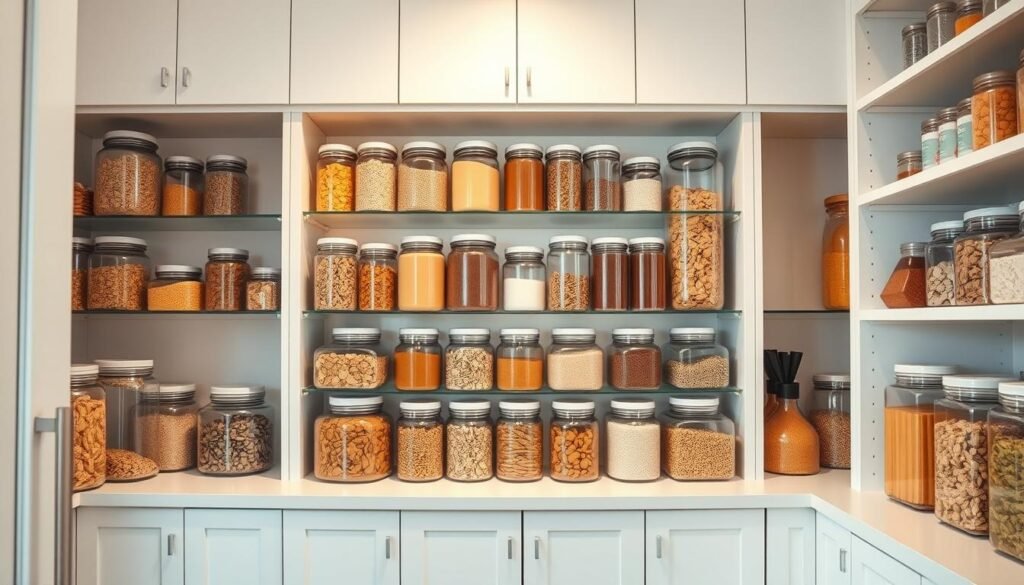
Shelves and racks help keep cans and jars visible and accessible. Use adjustable shelves to fit different sizes.
Stack cans safely and avoid overloading shelves. Racks with tiers let you see labels easily without moving items.
- Use sturdy shelves that hold heavy cans
- Install tiered racks for better visibility
- Keep frequently used items at eye level
- Use lazy susans for corner spaces
Labeling For Easy Identification
Labels help you find cans and jars without searching. Label each item or shelf clearly and neatly.
Write the contents and the date you stored them. Use waterproof labels or tags to keep them readable.
- Label front of shelves or bins
- Include expiration dates if possible
- Use color-coded labels for quick sorting
- Replace faded or damaged labels regularly
First In, First Out Method
This method means using older cans and jars first. Place new items behind older ones on the shelf.
This helps reduce waste by using food before it expires. Rotate your stock regularly to keep it fresh.
- Put new cans behind older ones
- Check expiration dates often
- Use older items before buying more
- Keep a clear system to track usage
Preparing Cans And Jars For Storage
Storing cans and jars properly keeps your food safe and fresh. Preparing them well helps avoid spoilage and waste.
Follow simple steps to clean, check, and seal your containers before storing them.
Cleaning Before Storing
Clean cans and jars to remove dirt and sticky residue. This prevents pests and mold from forming during storage.
Use warm water and mild soap to wash the outside. Dry them well with a clean cloth or paper towel.
Checking For Damage Or Rust
Inspect cans and jars carefully. Look for dents, cracks, or rust spots that may spoil the food inside.
Discard any containers with visible damage. Using damaged containers can cause leaks or contamination.
- Dents on can edges or seams
- Rust patches on metal surfaces
- Cracks or chips in glass jars
- Loose or damaged lids
Sealing Jars Properly
Make sure jars have tight lids before storing. A good seal keeps air and moisture out.
Check lids for dents or rust. Replace lids if they do not close firmly or if the seal is broken.
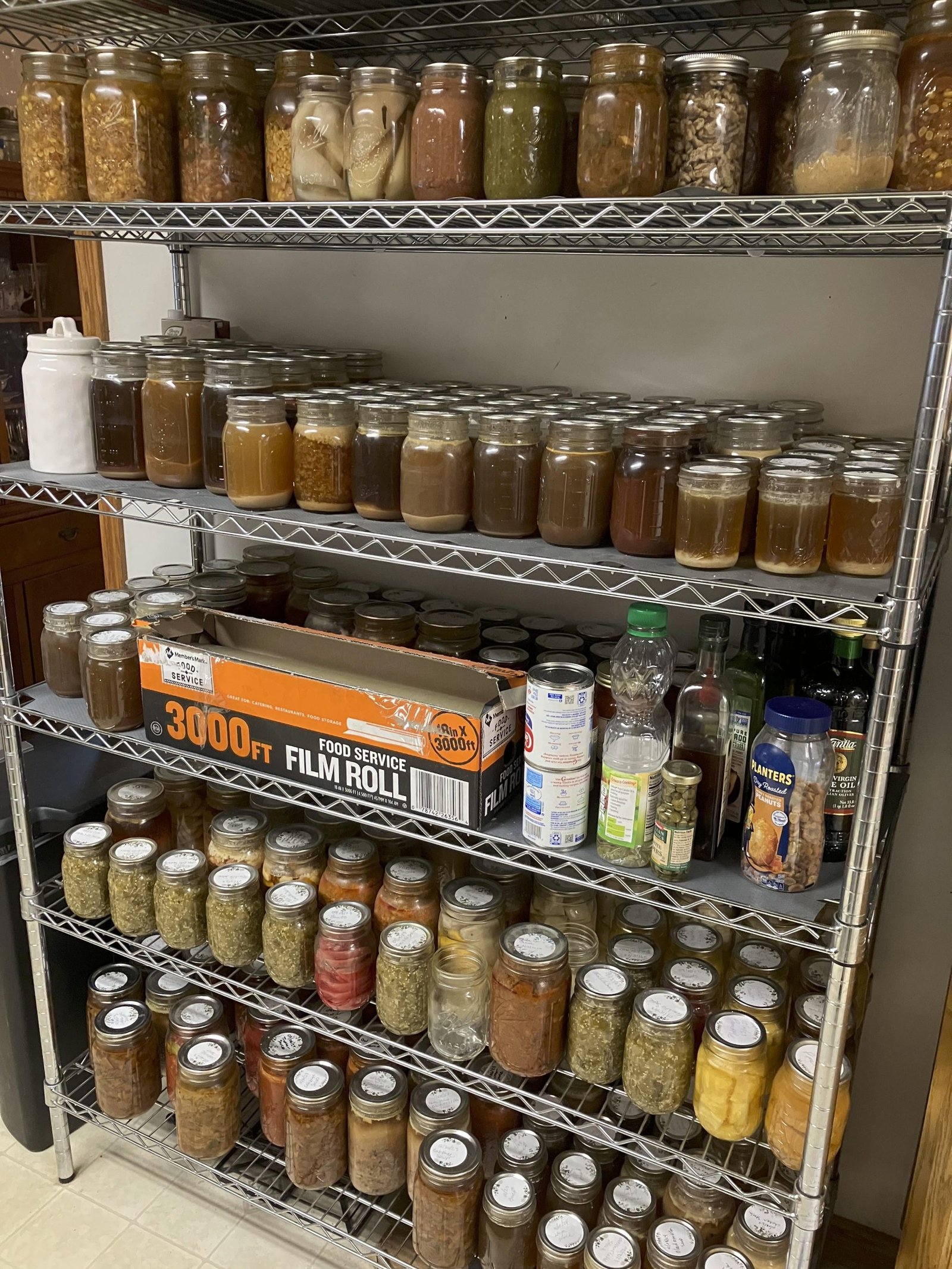
- Use new lids for home-canned jars
- Press lids firmly to close
- Store jars upright to prevent leaks
- Label jars with date and contents

Credit: www.reddit.com
Extending Freshness
Proper storage keeps cans and jars fresh for longer. It stops food from spoiling fast.
Using the right methods helps keep the taste and nutrients safe. It also reduces waste.
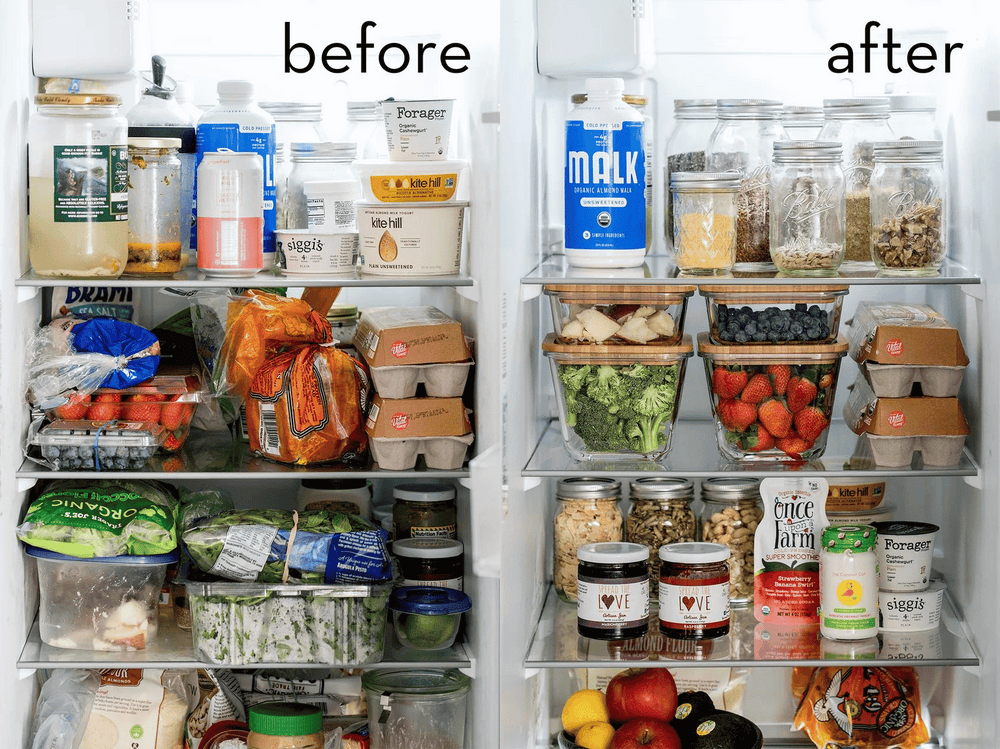
Using Airtight Containers
Airtight containers block air and moisture. This slows down food spoilage inside cans and jars.
Choose containers with good seals. Glass or BPA-free plastic containers work well for storage.
- Check container seals regularly for damage
- Store cans and jars inside these containers
- Keep lids tightly closed after each use
Vacuum Sealing Options
Vacuum sealing removes air from containers. This keeps food fresher by stopping bacteria growth.
You can use vacuum sealers for jars or bags. Make sure the seal is strong and airtight.
- Use vacuum sealers with special jar attachments
- Seal foods in small portions for easy use
- Label items with the sealing date
Temperature Control Tips
Keep cans and jars in cool places. Heat speeds up food spoilage and reduces freshness.
Avoid storing near sunlight or heat sources. A dark, dry area with steady temperature is best.
- Store at room temperature, around 50-70°F (10-21°C)
- Do not store cans or jars in damp places
- Use a pantry or cupboard away from ovens
Common Mistakes To Avoid
Storing cans and jars properly keeps food fresh and safe. Many people make simple mistakes that cause damage or waste.
Knowing what to avoid helps you save space and keep your items in good condition longer.
Stacking Too High
Stacking cans or jars too high can cause them to fall. This may break jars or dent cans.
Heavy stacks also make it hard to reach items at the bottom safely.
- Limit stacks to a safe height, about three to four cans tall.
- Place heavier items on the bottom.
- Use shelves or racks to keep stacks stable.
Ignoring Expiration Dates
Many people forget to check expiration dates on cans and jars. Using expired food can be unsafe.
Sorting items by expiration date helps use older items first and reduces waste.
- Keep new purchases behind older items.
- Mark expiration dates with a visible label if needed.
- Check dates regularly and remove expired items.
Storing Near Chemicals
Storing food cans and jars near cleaning products or chemicals is risky. Chemicals can leak and contaminate food.
Keep food storage away from any chemicals to protect your health.
- Use separate shelves for food and chemicals.
- Store chemicals in locked cabinets if possible.
- Keep food in cool, dry, and clean areas only.
Credit: spreadthelovefoods.com
Special Tips For Homemade Jars
Storing homemade jars correctly keeps your food fresh and safe. Proper care helps maintain flavor and quality for a long time.
Follow simple tips to store your jars well. These tips work for jams, sauces, pickles, and other homemade goods.
Cooling Before Storing
Let jars cool completely before storing them. Warm jars can create moisture inside, causing spoilage.
Place jars on a clean surface at room temperature. Avoid stacking them while warm to prevent breakage.
Choosing The Right Jar Type
Use jars made for canning or preserving food. These jars seal tightly and protect against air and bacteria.
- Glass jars with two-piece lids are best
- Avoid jars with cracks or chips
- Wide-mouth jars are easier to fill and clean
Monitoring For Spoilage
Check jars regularly for signs of spoilage. Look for leaks, bulging lids, or strange smells.
- Discard jars with mold or discoloration
- Do not taste food if it smells off
- Keep jars in a cool, dark place to reduce spoilage risk
Frequently Asked Questions
How Do I Store Cans To Prevent Rusting?
Store cans in a cool, dry place away from moisture. Avoid stacking cans directly on cold floors. Use shelves or pallets to keep cans elevated and dry to prevent rust and prolong shelf life.
What Is The Best Way To Organize Jars?
Group jars by size and type for easy access. Use clear labels on lids or sides. Store jars on sturdy shelves with enough space to avoid breakage and maintain visibility.
Can I Store Cans And Jars Together?
Yes, you can store them together if space allows. Keep heavier cans at the bottom and lighter jars on top. Ensure both are in a cool, dry area to maintain quality.
How Long Can Canned Goods Be Stored Safely?
Canned goods typically last 1-5 years unopened if stored properly. Check expiration dates regularly and rotate stock using the “first in, first out” method to use older items first.
Conclusion
Storing cans and jars properly keeps food fresh and safe. Use cool, dry places away from sunlight. Arrange items so you can see labels easily. Place newer cans behind older ones to use stock first. Check for dents or leaks before storing.
Clean shelves regularly to avoid dust and pests. These simple steps save money and reduce waste. Small changes make your kitchen more organized and efficient. Try these tips today for better food storage.