
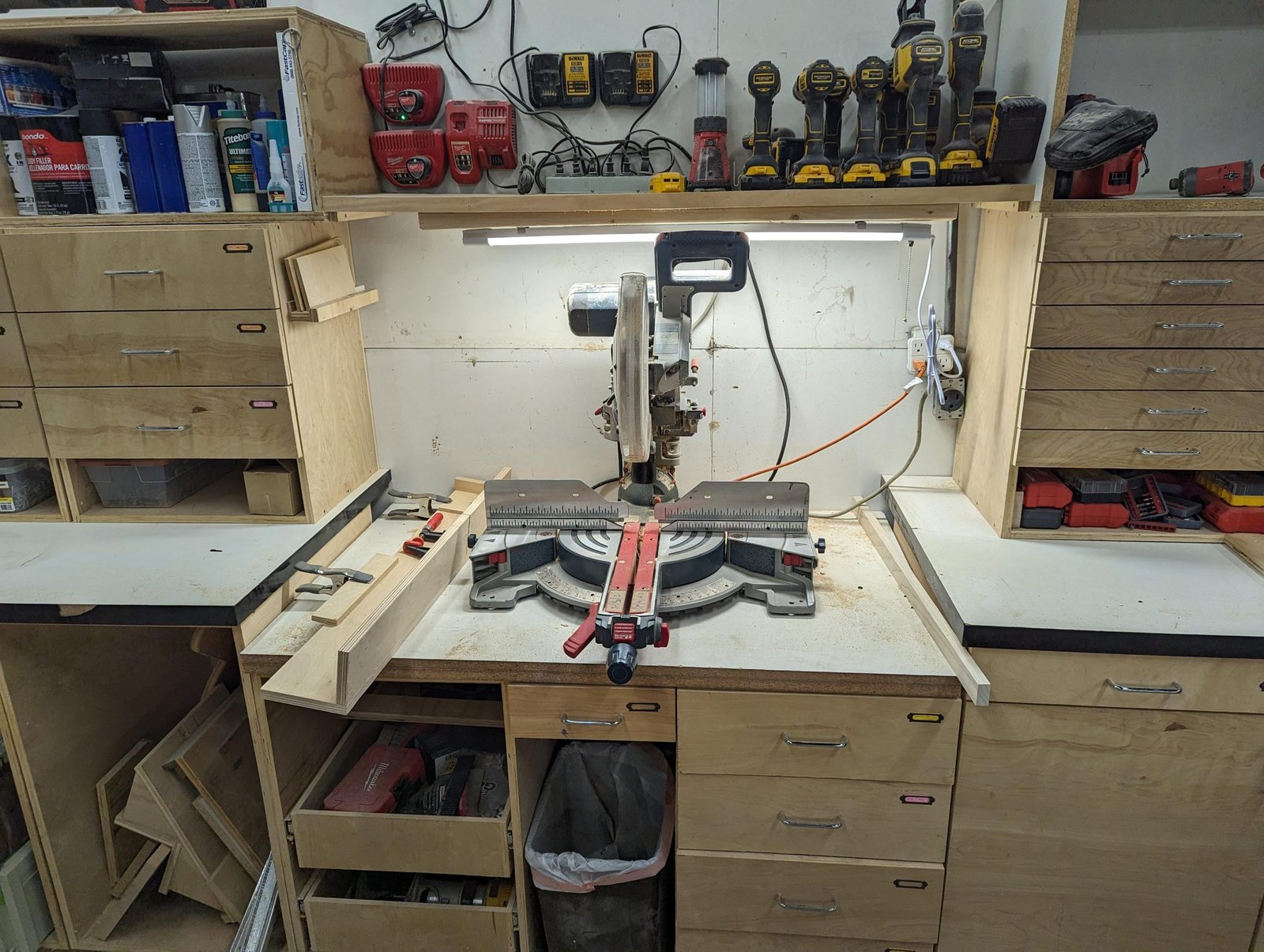
Are your cutting tools always ready when you need them? Storing them safely isn’t just about keeping your workspace tidy—it protects your tools, saves you money, and keeps you safe from accidents.
If you’ve ever struggled to find the right tool or dealt with a dull blade, this guide is for you. By learning how to store your cutting tools properly, you’ll extend their life and make every project smoother. Keep reading to discover simple, effective tips that will change the way you handle your tools forever.

Credit: www.reddit.com
Choosing The Right Storage
Storing cutting tools safely is essential. Proper storage prevents damage and ensures longevity.
Choosing the right storage involves considering materials and the storage environment.
Material Considerations
Materials affect the durability of storage units. Choose materials that protect tools from rust and wear.
Wood, plastic, and metal are common choices. Each has its pros and cons.
- Wood is gentle on tools but can warp in damp conditions.
- Plastic is lightweight but might not be as sturdy.
- Metal is durable but can cause rust if not coated.
Storage Environment
The environment affects tool longevity. Keep tools in a dry, temperature-controlled area.
Humidity and temperature swings can damage tools. Use dehumidifiers if needed.
- Ensure good ventilation to prevent moisture buildup.
- Store tools away from direct sunlight.
- Keep storage areas clean and organized.

Credit: www.amazon.ca
Preparing Tools For Storage
Storing cutting tools properly keeps them sharp and safe. Preparing tools before storage helps prevent damage.
Cleaning and drying tools stop rust and corrosion. This guide explains how to prepare your tools for storage.
Cleaning Techniques
Remove dirt, grease, and debris from your tools. Clean tools last longer and work better.
Use a soft brush or cloth to clean blades and handles. Avoid harsh chemicals that damage metal or wood.
- Wipe blades with a damp cloth
- Use mild soap for tough grime
- Clean wooden handles with a dry cloth
- Remove sticky residues carefully
Drying And Rust Prevention
Dry tools completely to stop rust from forming. Moisture causes metal to corrode quickly.
Apply a light coat of oil to metal parts for extra protection. Store tools in a dry, cool place.
- Use a clean cloth to dry tools well
- Apply machine or mineral oil on blades
- Keep tools away from damp areas
- Store in cases or racks to avoid damage
Storage Methods For Different Tools
Proper storage keeps cutting tools safe and sharp. It helps prevent accidents and tool damage.
Different tools need different storage ways. This guide shows how to store knives, scissors, chisels, and planes.
Knives And Blades
Keep knives and blades in a dry place to stop rust. Store them where the edges do not touch hard surfaces.
Use blade guards, magnetic strips, or knife blocks. These keep blades sharp and hands safe.
- Blade guards cover sharp edges safely
- Magnetic strips hold knives securely on walls
- Knife blocks keep blades separated and stable
- Store knives away from children’s reach
Scissors And Shears
Scissors and shears need clean, dry storage to avoid rust and dullness. Keep blades closed when not in use.
Use a scissor rack, drawer organizer, or hang them on hooks. Keep them easy to find and protected.
- Scissor racks separate each tool for safety
- Drawer organizers prevent blades from rubbing
- Hooks keep scissors visible and off surfaces
- Close blades to protect edges and users
Chisels And Planes
Chisels and planes should be stored in cases or racks. Keep their blades covered to stop damage.
Place them in tool chests or wall-mounted holders. Store them blade-side up or with guards on.
- Tool chests keep chisels and planes organized
- Wall holders save space and prevent blade damage
- Blade guards protect edges from dulling
- Store blades facing up or covered

Credit: www.reddit.com
Using Protective Accessories
Cutting tools can be dangerous if not stored properly. Using protective accessories helps keep blades sharp and users safe.
These accessories prevent damage and accidents by covering sharp edges and organizing tools securely.
Blade Guards And Covers
Blade guards protect sharp edges from damage. They also reduce the risk of cuts when handling tools.
Many cutting tools come with custom covers. You can also buy universal blade guards for extra protection.
- Protect blades from dulling or chipping
- Keep users safe from accidental cuts
- Make tools easier to carry and store
- Help organize tools in drawers or boxes
Magnetic Strips And Racks
Magnetic strips hold metal cutting tools securely on walls or workbenches. This keeps tools visible and easy to reach.
Racks with magnets reduce clutter and prevent tools from falling or getting lost. They also protect blades by keeping tools separated.
- Save space by storing tools vertically
- Keep tools organized and easy to find
- Prevent blade damage from contact with other tools
- Improve workshop safety by reducing loose tools
Maintaining Tool Sharpness
Keeping cutting tools sharp is important for safety and performance. Sharp tools cut better and reduce accidents.
Proper storage helps keep tools sharp longer. You can avoid damage and rust by storing tools correctly.
Regular Inspection
Check your cutting tools often for dullness, chips, or rust. Inspect the edges carefully before each use.
Look for any cracks or bent parts. Replace or repair tools that show damage to keep work safe.
- Inspect blades for chips or dull spots
- Check handles and grips for cracks
- Remove any rust or dirt immediately
- Store tools in dry places to prevent corrosion
Sharpening Schedules
Set a regular time to sharpen your tools. Sharpening keeps the edges clean and efficient for cutting.
Follow the manufacturer’s guide for sharpening frequency. Some tools need sharpening after every use.
- Sharpen blades when you notice dullness
- Use the right sharpening tools and techniques
- Keep a record of sharpening dates
- Do not delay sharpening to avoid damage
Common Storage Mistakes To Avoid
Storing cutting tools safely is important to keep them sharp and safe. Many people make mistakes that cause damage or accidents.
Knowing what to avoid helps protect your tools and your workspace. This guide covers common storage errors.
Stacking Tools Without Protection
Putting cutting tools directly on top of each other can cause nicks and dull edges. The metal parts may rub together and damage the blades.
Always use blade guards or separate compartments to keep tools apart. This prevents damage and keeps edges sharp longer.
Ignoring Moisture And Rust Prevention
Cutting tools often rust if stored in damp places. Rust weakens the metal and makes tools unsafe to use.
Store tools in a dry area. Use silica gel packs or rust inhibitors to keep moisture away from blades and handles.
Using Improper Storage Containers
Not all containers are safe for cutting tools. Soft cases may not protect blades well. Hard cases that are too tight can cause damage.
Choose storage that fits the tool size and shape. Tool racks, holders, or custom slots work best for keeping tools secure.
Leaving Tools Uncleaned Before Storage
Dirt, oil, and debris on tools can cause corrosion or reduce cutting performance. Cleaning tools before storing keeps them in good condition.
Wipe blades and handles clean with a dry cloth. Remove any sticky residue or metal shavings before putting tools away.
Not Labeling Or Organizing Tools Properly
Mixing different cutting tools without labels causes confusion and delays work. It also increases the chance of using the wrong tool.
Organize tools by type and size. Use labels or color codes to find the right tool quickly and keep your workspace tidy.
Frequently Asked Questions
How Should I Clean Cutting Tools Before Storage?
Clean cutting tools with a soft brush or cloth to remove debris. Use a mild solvent if needed. Dry completely to prevent rust. Proper cleaning ensures tool longevity and safe storage.
What Is The Best Storage Method For Cutting Tools?
Store cutting tools in a dry, cool place using protective cases or racks. Use blade guards to prevent damage. Proper storage prevents rust and injuries.
How Often Should Cutting Tools Be Inspected During Storage?
Inspect cutting tools monthly for rust, damage, or dullness. Regular checks help maintain tool condition and ensure safety when in use.
Can I Store Cutting Tools With Other Equipment?
Avoid storing cutting tools with heavy or sharp objects. Keep them separate to prevent damage and accidents. Use dedicated storage solutions for cutting tools.
Conclusion
Storing cutting tools safely protects both the tools and users. Keep tools clean and dry before storage. Use proper holders or racks to avoid damage. Organize tools by type and size for easy access. Check tools regularly for wear or rust.
Safe storage saves money and extends tool life. Always follow safety rules to prevent accidents. A tidy workspace helps you work faster and safer. Simple steps make a big difference in tool care. Stay safe and keep your cutting tools ready to use.