
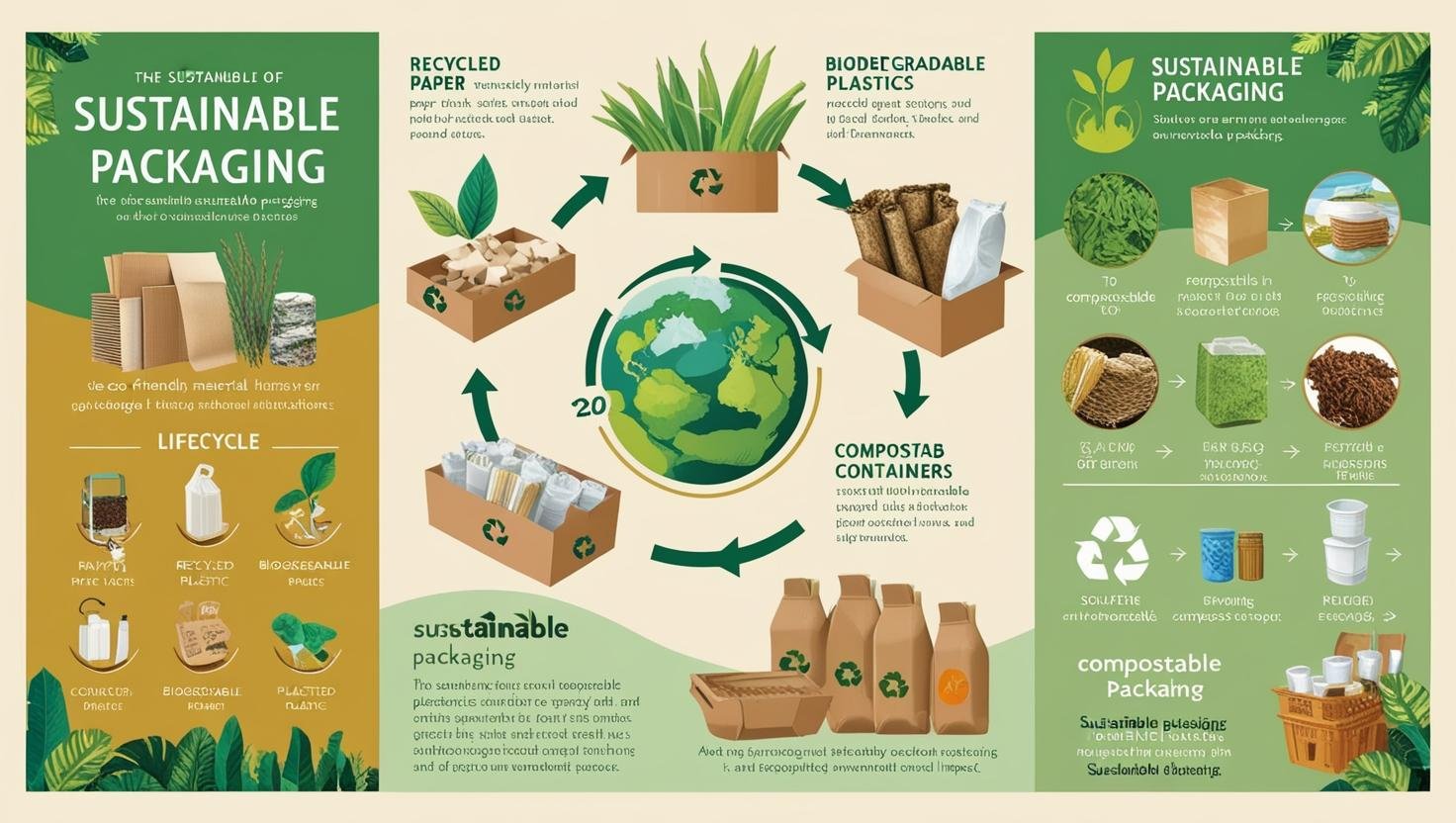
Are you ready to make a real difference for the environment without sacrificing convenience? Using biodegradable containers is a smart choice, but knowing how to use them efficiently can save you money, reduce waste, and protect the planet even more.
You’ll discover simple yet powerful tips that make your switch to biodegradable containers easier and more effective. Keep reading to unlock practical advice that will help you get the most out of every container while supporting a greener future.

Credit: www.kimecopak.ca
Choosing The Right Biodegradable Containers
Biodegradable containers help reduce waste and are better for the environment. Choosing the right ones can improve your eco-friendly goals.
Consider factors like material, size, shape, and certifications to make the best choice for your needs.
Material Types And Their Benefits
Different materials offer unique benefits. Understanding them helps you pick the best container.
- Plant-based plastics break down faster in the environment.
- Palm leaf containers are sturdy and compostable.
- Sugarcane bagasse is strong and heat-resistant.
Size And Shape Considerations
The size and shape of containers affect their usability. Choose based on your specific needs.
- Small sizes are great for single servings.
- Rectangular shapes stack easily in storage.
- Round containers work well for liquids.
Certifications To Look For
Certifications ensure that containers meet environmental standards. Look for trusted labels when buying.
| Certification | What It Means |
| USDA Certified Biobased Product | Made from renewable resources |
| Compostable Certification | Breaks down in composting facilities |
| BPI Certified | Meets ASTM standards for compostability |
Maximizing Container Lifespan
Biodegradable containers are great for the environment. Taking care of them helps you use them longer.
Simple habits can keep these containers strong and useful. Learn how to store and handle them well.
Proper Storage Techniques
Store containers in a dry place away from direct sunlight. Moisture and heat can weaken them fast.
Stack containers gently to avoid bending or breaking. Keep them clean before storing to prevent mold.
- Keep containers in a cool, dry area
- Avoid stacking too many at once
- Clean containers before storage
- Use breathable covers, not plastic wrap
Handling And Maintenance Tips
Handle containers with care to avoid cracks or dents. Use gentle cleaning methods to protect the surface.
Check containers regularly for damage. Repair or replace any that show signs of wear to keep using them safely.
- Hold containers firmly but gently
- Clean with mild soap and soft cloth
- Rinse thoroughly to remove soap residue
- Inspect for cracks or leaks before use
Effective Usage Practices
Using biodegradable containers helps reduce waste. To get the best results, use them properly.
Follow simple tips to keep your containers clean and organized. This extends their life and usefulness.
Pairing Containers With Suitable Foods
Choose the right container for each type of food. Some containers work better with dry foods than wet ones.
Oily or moist foods may weaken some biodegradable containers. Use containers designed for liquids or sauces.
- Use sturdy containers for heavy or wet foods
- Choose lightweight containers for dry snacks
- Pick containers with lids for liquids
- Avoid using thin containers for hot foods
Avoiding Contamination
Clean containers before reuse to prevent germs. Keep raw and cooked foods separate in different containers.
Do not mix food types in one container. This helps avoid cross-contamination and keeps food fresh longer.
- Wash containers with warm, soapy water
- Use separate containers for meat and vegetables
- Seal containers tightly to avoid spills
- Replace damaged containers promptly
Stacking And Organizing Efficiently
Stack containers neatly to save space. Use containers that fit well together without tipping over.
Label containers if storing different foods. Keep similar items grouped for easy access and less waste.
- Stack containers by size, largest at bottom
- Keep lids on to maintain freshness
- Group containers by food type or meal
- Store in a cool, dry place
-glo1195--what-is-green-packaging---what-are-some-examples/Mobile_Header_991x558px.jpg)
Credit: www.dhl.com
Disposal And Composting Methods
Biodegradable containers break down naturally. Proper disposal helps the environment. Knowing the right way to compost is key.
Choosing how to dispose of these containers affects how well they decompose. This guide covers home and commercial composting tips. It also shows common mistakes to avoid.
Home Composting Tips
Home composting works well for small amounts of biodegradable containers. Make sure the containers are clean and free from food waste.
Cut containers into smaller pieces. This helps speed up the breakdown process in your compost bin.
- Keep compost moist but not wet
- Turn compost regularly for air flow
- Balance green (food scraps) and brown (leaves) materials
- Avoid adding plastic or metal items
Commercial Composting Options
Commercial composting sites can handle larger and tougher biodegradable containers. These sites use higher temperatures to break materials down faster.
Check if your local composting facility accepts biodegradable containers. Some may require specific types or certifications.
- Look for facilities with industrial composting capabilities
- Separate biodegradable containers from regular trash
- Follow local rules on container drop-off or pickup
Avoiding Common Disposal Mistakes
Do not throw biodegradable containers in regular trash. This sends them to landfills where they decompose slowly.
Do not mix biodegradable containers with non-compostable plastics. This can contaminate compost and reduce quality.
- Clean containers before composting
- Do not burn biodegradable containers
- Check local composting rules to avoid contamination
Environmental Impact And Benefits
Biodegradable containers help reduce pollution by breaking down faster. They are made from natural materials that return to the earth safely.
Using these containers lowers the amount of plastic trash in landfills and oceans. This helps protect animals and plants from harm.
Reducing Plastic Waste
Biodegradable containers reduce plastic waste because they do not last for hundreds of years. They break down quickly with the help of microbes and sunlight.
Choosing these containers means less plastic gets thrown away. This lowers pollution and keeps the environment cleaner.
- Biodegradable containers break down in months, not centuries
- Less plastic waste means fewer landfills and ocean trash
- They reduce the need for harmful plastic production
Supporting Sustainable Practices
Using biodegradable containers supports farmers and companies that grow natural materials. This helps promote eco-friendly farming and production methods.
These containers also encourage recycling and composting. This closes the loop and helps keep resources in use longer.
- Supports farms that grow plants like corn and sugarcane
- Promotes use of renewable and natural materials
- Encourages composting to enrich soil and reduce waste

Credit: boxesgen.com
Cost-effective Strategies
Using biodegradable containers helps protect the environment. To save money, use them wisely. Smart planning lowers costs and waste.
Try simple ways to use these containers efficiently. Focus on buying smart and reusing safely.
Buying In Bulk
Buying biodegradable containers in large amounts cuts the price per unit. Bulk buying saves money on shipping too. It also reduces packaging waste.
Choose suppliers who offer discounts for bulk orders. Check the storage space before buying a lot. Keep containers dry and clean to avoid damage.
- Compare prices from different suppliers
- Plan how many containers you need monthly
- Store containers in a cool, dry place
- Order only what you can use in time
Reusing When Possible
Reusing biodegradable containers saves money and reduces waste. Some containers can be washed and used again safely. Check if the container is still strong and clean before reuse.
Use reusable containers for dry or non-greasy food. Avoid reusing containers that held strong smells or liquids that break down material fast.
- Wash containers with mild soap and water
- Air dry completely before reuse
- Use for similar food types to avoid contamination
- Recycle if containers are damaged or weak
Frequently Asked Questions
What Are The Best Ways To Use Biodegradable Containers?
Using biodegradable containers efficiently means avoiding single-use waste. Reuse them when possible, store dry goods, and compost after use. Handle with care to prevent damage. Proper disposal ensures they break down naturally, reducing environmental impact.
How To Store Food In Biodegradable Containers Properly?
Store food in dry, cool places inside biodegradable containers to maintain freshness. Avoid liquids if containers aren’t leak-proof. Use airtight lids to prevent contamination. Proper storage extends container life and reduces waste.
Can Biodegradable Containers Be Reused Safely?
Yes, biodegradable containers can be reused if cleaned gently and not damaged. Avoid harsh scrubbing or microwaving to preserve their integrity. Reuse reduces waste and maximizes container lifespan, supporting eco-friendly practices.
How To Dispose Of Biodegradable Containers Correctly?
Dispose of biodegradable containers in compost bins or green waste facilities. Avoid landfill disposal, as it slows decomposition. If composting isn’t available, check local recycling guidelines for eco-friendly disposal options.
Conclusion
Using biodegradable containers wisely helps protect the planet. Choose the right size to avoid waste. Store food properly to keep it fresh longer. Always check if containers break down quickly after use. Composting leftovers speeds up nature’s recycling process. Small steps in handling these containers make a big difference.
Everyone can help reduce pollution by being careful. Let’s make eco-friendly choices part of our daily lives. Together, we create a cleaner, greener future for all.