
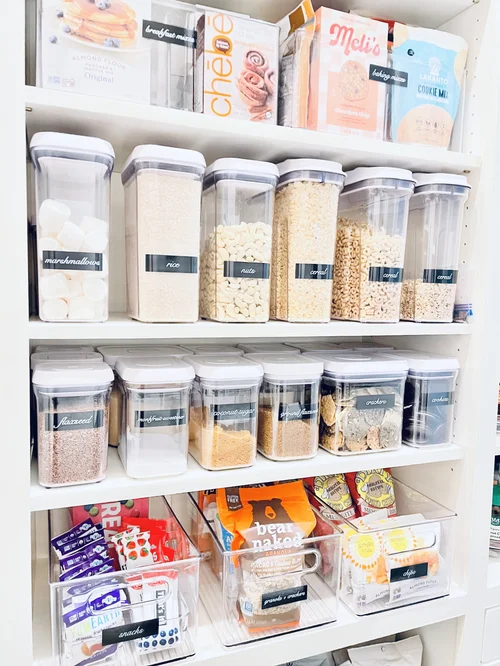
Is your pantry a mess every time you open it? Finding what you need shouldn’t feel like a treasure hunt.
When you organize pantry items by category, you save time, reduce stress, and even cut down on food waste. Imagine grabbing exactly what you want without digging through piles of cans and boxes. You’ll discover simple, practical steps to transform your pantry into a neat, easy-to-navigate space.
Keep reading, and make your kitchen work for you every day.
Benefits Of Categorizing Pantry Items
Organizing your pantry items by category can make your kitchen more efficient. It helps you find things quickly and keep track of what you need.
This system can save you time and reduce stress during meal preparations. It also helps you avoid buying duplicates and manage your grocery budget better.
Improved Accessibility
By categorizing pantry items, you can easily access what you need. This reduces time spent searching for ingredients.
Clear categories mean less chaos. You find items faster and cook more efficiently.
Reduced Food Waste
Organizing by category helps you see what you have. This prevents expired items and reduces waste.
Knowing what is in your pantry helps plan meals better. You use ingredients before they spoil.
Easier Inventory Management
With categories, tracking pantry stock becomes simpler. You know when to restock specific items.
This system helps maintain a balanced pantry. You avoid overstocking and understocking.
Enhanced Aesthetic Appeal
A well-organized pantry looks appealing. It creates a clean and tidy kitchen environment.
Neat shelves and labeled sections make your pantry inviting. It adds to the overall kitchen decor.
Efficient Meal Planning
Categories help in meal planning. You know what you have and what you need for recipes.
This makes shopping lists accurate. Meal preparation becomes smoother and more organized.
Assessing Your Pantry Space
Organizing your pantry starts with understanding the space you have. Knowing your pantry size helps you plan better.
Look at the shelves, corners, and floor space. This will show what kind of storage you can add.
Measure Your Pantry
Use a tape measure to find the width, height, and depth of shelves. Write down these numbers.
Check for any odd shapes or obstacles like pipes or wires. These can affect storage options.
Check Shelf Strength
Look at how much weight your shelves can hold. Heavy cans and jars need strong shelves.
If shelves are weak, consider adding stronger ones or using bins on the floor instead.
Note Pantry Lighting
Good lighting helps you see all your items clearly. Check if your pantry has enough light.
If lighting is poor, think about adding battery-powered lights or small lamps.
Identify Frequently Used Areas
Notice which shelves or spots you use most often. Keep these areas easy to reach and organized.
Store daily items at eye level or within arm’s reach for convenience.
Plan For Different Item Sizes
Look at your pantry to see if you have tall bottles or small packets. This helps decide shelf height.
- Tall shelves for bottles and cereal boxes
- Short shelves for cans and jars
- Bins for loose packets or snacks
Choosing Storage Containers
Organizing pantry items starts with picking the right storage containers. Good containers keep food fresh and easy to find.
Choosing containers that fit your space and items helps keep your pantry neat. Clear containers also show what is inside.
Types Of Containers
There are many container types for pantry storage. Each type works best for certain foods and spaces.
- Glass Jars:Great for dry foods like beans and pasta. They are easy to clean and see inside.
- Plastic Bins:Lightweight and stackable. Good for snacks and small packets.
- Airtight Containers:Keep food fresh longer. Best for cereals and baking ingredients.
- Wire Baskets:Allow air flow. Ideal for fruits, vegetables, or bread.
- Stackable Drawers:Help use vertical space. Perfect for cans and small boxes.
Labeling Tips
Labels make it easy to find pantry items quickly. Use clear, simple labels that anyone can read.
Write item names and expiration dates if possible. Use waterproof labels or marker pens for durability.
- Use large fonts for easy reading.
- Place labels on container fronts or lids.
- Color code labels by food type for quick ID.
- Update labels when you refill containers.

Credit: www.houseofharveyblog.com
Sorting Items By Category
Organizing pantry items by category helps you find things fast. It also keeps your kitchen tidy and neat.
Sorting items into groups makes shopping and cooking easier. Use clear labels and containers for each category.
Dry Goods
Dry goods include rice, pasta, beans, and grains. Store them in airtight containers to keep them fresh longer.
Group similar items together and label containers. This way, you can quickly find what you need.
- Rice and grains
- Pasta and noodles
- Beans and lentils
- Cereal and oats
Canned And Jarred Foods
Place canned and jarred foods by type, such as vegetables, fruits, or sauces. Check expiration dates often.
Stack cans carefully and keep jars visible to avoid waste. Use a shelf or basket to keep them organized.
- Canned vegetables and beans
- Jarred sauces and spreads
- Canned fruits
- Pickles and olives
Spices And Herbs
Sort spices and herbs by type or use. Keep them in small containers or jars for easy access.
Store spices in a cool, dry place away from heat. Use a spice rack or drawer organizer to keep them neat.
- Ground spices
- Whole spices
- Dried herbs
- Seasoning blends
Snacks And Treats
Group snacks like chips, nuts, and cookies together. Use clear bins or baskets to keep them tidy.
Keep treats separate from healthy snacks. This helps you find snacks faster and controls portions.
- Chips and crackers
- Nuts and seeds
- Cookies and sweets
- Granola bars
Baking Supplies
Store baking ingredients like flour, sugar, and baking powder in sealed containers. Keep similar items together.
Label containers clearly and place small items in bins. This keeps your baking area clean and ready.
- Flour and sugar
- Baking powder and soda
- Chocolate chips and nuts
- Extracts and flavorings
Arranging Items For Easy Access
Organizing your pantry by category helps you find items quickly. It saves time and keeps your kitchen neat.
Arranging items for easy access means placing them where you can reach them without hassle. This makes cooking and meal prep faster.
Grouping Similar Items
Put items that are alike together. This way, you know exactly where to look for what you need.
For example, keep baking supplies in one area and canned goods in another.
- Spices and herbs in one section
- Grains and pasta in another
- Snacks grouped together
- Breakfast items like cereals in one place
Placing Frequently Used Items
Keep items you use every day in easy-to-reach spots. This reduces bending or stretching.
Store popular items at eye level or near the front of shelves.
- Cooking oils and spices near the stove
- Snacks and cereals at a child’s height
- Daily drinks like coffee or tea on middle shelves
Utilizing Vertical Space
Use tall shelves to hold many items without clutter. Stack containers or use risers to see all items.
Vertical space helps keep the pantry organized and makes it easier to grab what you need.
- Stack clear containers for grains or snacks
- Add shelf risers for canned goods
- Use hanging racks for small packets
- Install hooks for bags or utensils

Credit: www.sortednola.com
Maintaining Pantry Organization
Keeping your pantry organized makes cooking easier and saves time. You can find what you need quickly and avoid buying duplicates.
Maintaining order requires regular effort. Small habits help your pantry stay neat and clean.
Regular Cleaning
Clean your pantry often to keep it fresh and tidy. Remove all items and wipe shelves with a damp cloth.
Check for expired or stale food. Throw away anything you do not use or is past its date.
- Take everything out
- Wipe shelves and containers
- Sort items before putting them back
- Remove expired goods
Updating Inventory
Keep track of what you have in your pantry. Write down or use an app to list your items and their amounts.
Update your inventory when you add or use items. This helps you avoid buying extra or missing ingredients.
- Note items when buying
- Cross off items when used
- Check inventory before shopping
- Use clear containers to see contents
Reassessing Layout
Change your pantry layout if needed. Make sure frequently used items are easy to reach.
Group items by category and size. This keeps your pantry neat and helps you find things fast.
- Place snacks at eye level
- Store baking goods together
- Keep cans and jars in one area
- Use baskets or bins for small items

Credit: www.ikea.com
Frequently Asked Questions
How Do I Start Organizing Pantry Items By Category?
Begin by emptying your pantry completely. Sort items into groups like grains, snacks, and canned goods. This helps identify duplicates and expired products. Categorizing makes it easier to find and restock items efficiently.
What Storage Containers Work Best For Pantry Organization?
Clear, airtight containers are ideal for pantry organization. They keep food fresh longer and allow quick identification of contents. Use uniform containers for a neat, cohesive look. Label each container for added convenience and easy access.
How Often Should I Reorganize My Pantry?
Reorganize your pantry every 3 to 6 months. This ensures expired items are removed and categories stay updated. Regular maintenance keeps your pantry clutter-free and helps maintain an efficient storage system.
Can Labeling Improve Pantry Organization?
Yes, labeling significantly improves pantry organization. It helps quickly identify items and maintains order. Use clear, readable labels on containers and shelves to streamline your cooking and shopping routines.
Conclusion
Organizing pantry items by category saves time and reduces stress. It helps you find what you need quickly. Group similar items together for easy access. Label containers to keep everything clear and neat. Regularly check your pantry to remove expired products.
A well-organized pantry makes cooking more enjoyable. Small steps create big changes in your kitchen. Start today and enjoy a tidier, simpler pantry.