
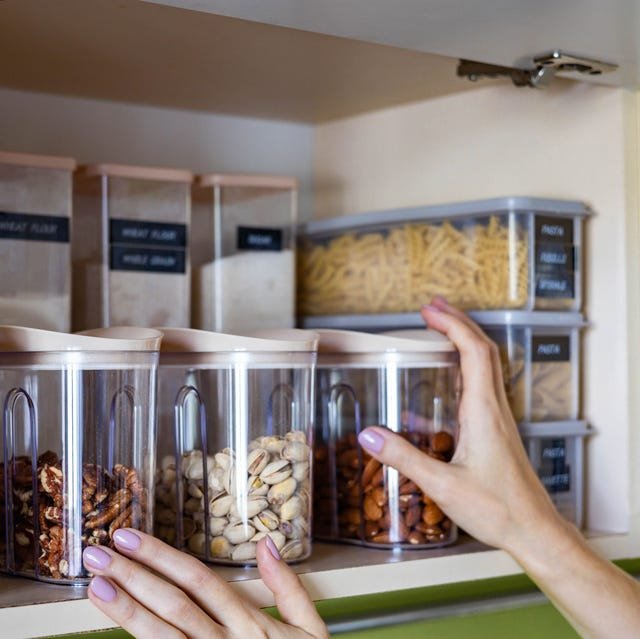
Keeping your baking ingredient containers clean and organized can make a huge difference in your kitchen. Imagine reaching for your flour or sugar and finding it fresh, easy to scoop, and free from pests or clumps every single time.
If you want to save money, avoid waste, and bake with confidence, knowing how to maintain your containers is key. You’ll discover simple, practical tips that will help you keep your baking ingredients fresh and your kitchen running smoothly. Ready to transform your baking routine?
Let’s dive in!
Choosing The Right Containers
Proper containers keep baking ingredients fresh. They prevent contamination and extend shelf life. Choosing the right ones is crucial.
Consider materials, sizes, and shapes for optimal storage. Here’s what you need to know.
Materials That Preserve Freshness
Material choice is important for keeping ingredients fresh. It also affects durability and ease of use.
Glass and stainless steel are popular. They are non-porous and do not absorb smells.
- Glass is transparent and lets you see contents easily.
- Stainless steel is sturdy and lasts long.
- Plastic is lightweight, but check if it is BPA-free.
Sizes And Shapes For Efficiency
Containers come in various sizes and shapes. Choose based on your storage space and usage.
Round containers are great for liquids. Square and rectangular ones save space.
- Small sizes are ideal for spices and baking soda.
- Medium sizes work for flour and sugar.
- Large sizes can store bulk items like oats.

Credit: www.amazon.in
Cleaning Containers Properly
Keeping baking ingredient containers clean is important. It helps keep ingredients fresh and safe to use.
Proper cleaning removes old residue and stops bad smells. This makes your baking easier and better.
Removing Residue And Odors
Residue from flour or sugar can stick inside containers. It can cause clumps and spoil the ingredients.
To remove residue, wash containers with warm water and mild soap. Use a soft brush to reach corners and edges.
- Rinse containers thoroughly to remove soap
- Use baking soda paste to clean stubborn smells
- Let containers air out to remove odors
Drying Techniques To Prevent Moisture
Moisture in containers causes ingredients to spoil fast. Dry containers well after cleaning to stop this.
Use a clean towel to dry the outside and inside. Leave containers open to air dry completely before storing ingredients.
- Wipe with a dry cloth after washing
- Place containers upside down on a rack
- Keep lids off until fully dry
Storing Ingredients Correctly
Keeping baking ingredients fresh starts with storing them properly. Use the right containers to protect ingredients.
Good storage prevents spoilage and keeps flavors strong for your baking.
Optimal Temperature And Humidity
Keep baking ingredients in a cool, dry place. Heat can cause ingredients to spoil faster.
High humidity makes ingredients clump and lose quality. Moisture can also cause mold growth.
- Store containers away from direct sunlight
- Keep room temperature between 50°F and 70°F (10°C to 21°C)
- Maintain humidity below 60% to avoid moisture buildup
- Use airtight containers to block humidity
Avoiding Cross-contamination
Keep baking ingredients separate to avoid mixing flavors or allergens. Cross-contamination can affect taste and safety.
Use clean containers and tools for each ingredient. Label containers clearly to prevent mistakes.
- Do not store allergen ingredients near others
- Clean containers before refilling
- Use separate scoops for different ingredients
- Label all containers with ingredient name and date
Labeling And Organizing
Keeping baking ingredient containers labeled and organized helps you find what you need fast. It also keeps your kitchen neat and ingredients fresh.
Clear labels and smart arrangement make baking easier and more fun. This guide shows simple tips to label and organize your containers well.
Date And Ingredient Labels
Use labels that show the ingredient name and the date you bought or opened it. This keeps you aware of freshness.
Write the date on the label to avoid using old ingredients by mistake. Use waterproof labels or tape for durability.
- Include the ingredient name clearly
- Add the purchase or open date
- Use large, easy-to-read fonts
- Choose labels that resist moisture and oil
- Replace labels if they get damaged
Arranging For Easy Access
Organize containers by how often you use them. Keep daily ingredients in front or at eye level.
Group similar ingredients together to find them quickly. Use shelves, baskets, or clear containers to help see contents fast.
- Put frequently used ingredients in front
- Group by type, like flours, sugars, and spices
- Use clear containers to see inside easily
- Store heavier containers on lower shelves
- Keep labels facing outward for quick reading
Regular Maintenance Tips
Keeping your baking ingredient containers clean and organized helps maintain freshness. Regular care prevents contamination and spoilage.
Simple maintenance steps can extend the life of your ingredients and keep your kitchen safe.
Routine Checks For Freshness
Check your baking ingredients often to ensure they are fresh. Look for signs like clumps, off smells, or discoloration.
Throw away any ingredient that shows these signs. Keeping stale ingredients can affect your baking quality.
- Smell ingredients for any sour or off odor
- Look for changes in texture or color
- Check expiration or best-by dates
- Feel for moisture or clumping in powders
Replenishing And Rotating Stock
Add new ingredients to the back of your storage area. Use older ingredients first to avoid waste.
Keep your containers labeled with purchase or open dates. This helps you track freshness and plan refills.
- Place new stock behind older stock
- Label containers with dates
- Check containers weekly for low levels
- Refill containers before they run empty
:max_bytes(150000):strip_icc()/faw-rubbermaid-brilliance-bpa-free-22-piece-food-storage-containers-set-livia-hughes-19-e3d3cfffc5e24b3aa9f14421686c10e9-badge-ab5c3c9c16a144d8bc10b7982d78bdf6.jpg)
Credit: www.foodandwine.com
:max_bytes(150000):strip_icc()/faw-one-off-oxo-storage-set-tout-f8c576a0f55b4e0189cec43d9554e911.jpg)
Credit: www.foodandwine.com
Frequently Asked Questions
How Often Should I Clean Baking Ingredient Containers?
Clean containers after each use or at least once a month. Regular cleaning prevents contamination and keeps ingredients fresh. Use warm, soapy water and dry thoroughly before refilling to avoid moisture buildup and clumping.
What Is The Best Way To Dry Containers After Washing?
Air dry containers upside down on a clean rack. Ensure they are completely dry to prevent mold and bacterial growth. Avoid using towels that may leave lint or fibers inside the containers.
How Can I Prevent Pests In Baking Ingredient Containers?
Use airtight containers to block pests and moisture. Store containers in a cool, dry place away from direct sunlight. Regularly check for signs of pests and clean spills immediately to maintain hygiene.
Should I Label Baking Ingredient Containers?
Yes, labeling helps identify contents quickly and avoid confusion. Include the ingredient name and purchase or expiry date. This practice improves kitchen organization and reduces the risk of using expired ingredients.
Conclusion
Keeping baking ingredient containers clean and dry helps food last longer. Seal containers tightly to stop moisture and pests. Label each container for easy use and quick checks. Store containers in a cool, dark place to keep ingredients fresh. Regularly check for spills or damage to avoid waste.
Small habits make a big difference in your kitchen. Simple care keeps your ingredients safe and tasty every time.